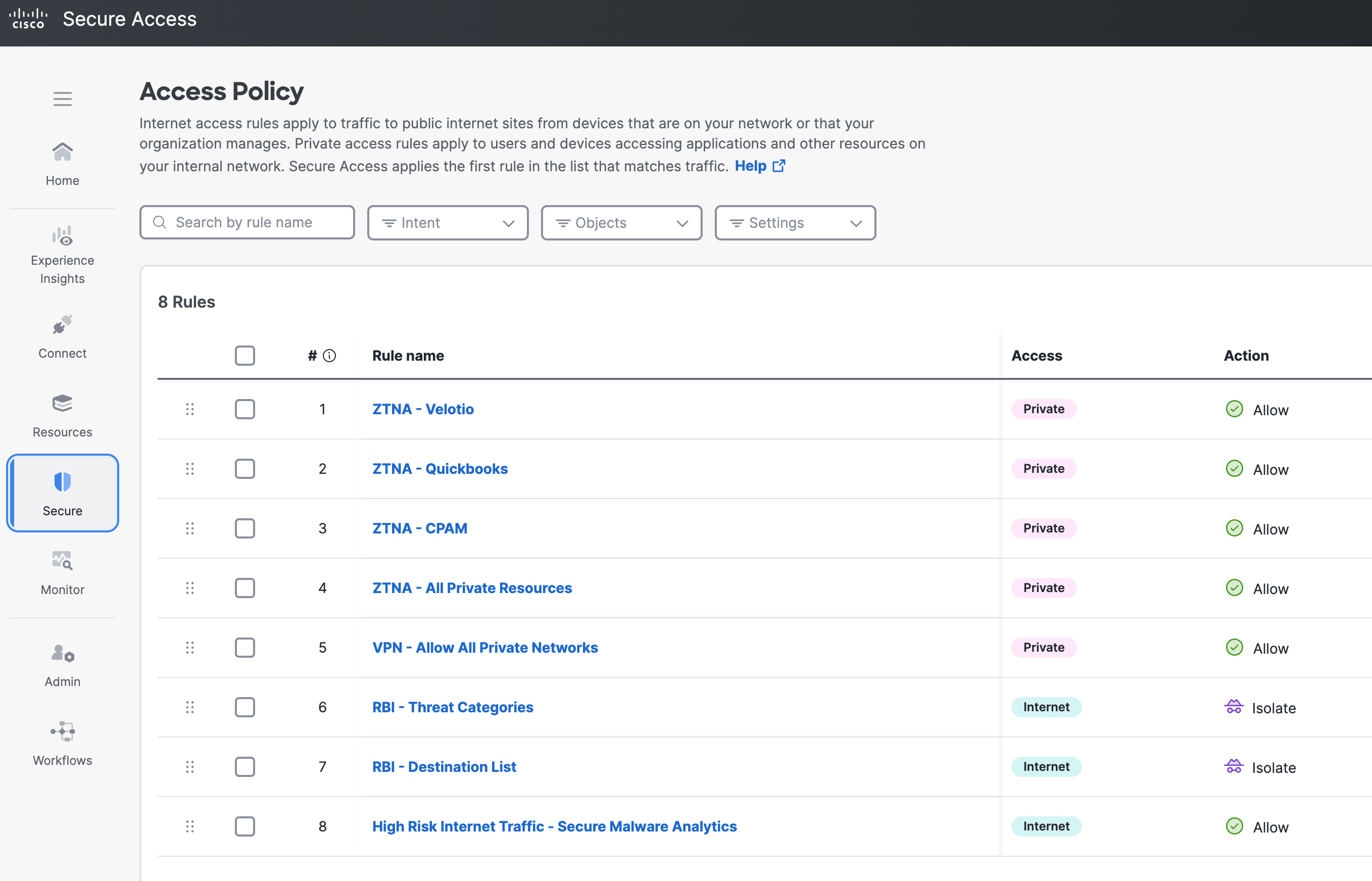
The Strategic Role of Salespeople at Cisco Cloud Security Group
Sales professionals within the Cisco Cloud Security group navigate complex enterprise environments, bridging the gap between advanced cybersecurity portfolios and organizations migrating to multi-cloud architectures. Their primary func...
Sales professionals within the Cisco Cloud Security group navigate complex enterprise environments, bridging the gap between advanced cybersecurity portfolios and organizations migrating to multi-cloud architectures. Their primary function involves translating sophisticated technological frameworks—such as Secure Access Service Edge (SASE), Extended Detection and Response (XDR), and Zero Trust Network Access (ZTNA)—into measurable business value and risk-mitigation strategies for chief information security officers (CISOs) and IT decision-makers.
Contents
Understanding the Cisco Cloud Security Landscape
The cybersecurity market has shifted dramatically from hardware-centric firewalls and perimeter defenses to decentralized, cloud-delivered protection. Within Cisco, the Cloud Security group encompasses key acquisitions and native innovations, most notably Cisco Umbrella (cloud-delivered security), Duo Security (multi-factor authentication and Zero Trust), and Cisco Secure Workload (workload protection).
Salespeople operating in this specialized division cannot rely solely on transactional selling models. Enterprise buyers face sophisticated threat vectors, stringent regulatory compliance mandates, and the operational friction of managing hybrid workforces. Consequently, sales teams function as technical consultants and strategic advisors. They must possess deep comprehension of networking protocols, cloud infrastructure providers (such as Amazon Web Services, Microsoft Azure, and Google Cloud Platform), and modern security operations center (SOC) workflows.
The Shift from Product-Centric to Platform-Centric Sales
Historically, enterprise networking and security vendors sold discrete appliances designed to protect corporate headquarters or branch offices. Today, the Cisco Cloud Security sales force champions a platform approach.
- Consolidation of Point Solutions: Organizations frequently suffer from "tool sprawl," utilizing dozens of disparate security vendors. Salespeople demonstrate how consolidating multiple agents into Cisco’s unified architecture reduces administrative overhead and closes visibility gaps.
- Architectural Alignment: Sales representatives map Cisco solutions directly onto an organization's existing enterprise architecture, ensuring seamless integration with legacy systems while paving the way for cloud-native adoption.
- Financial Optimization: By presenting comprehensive enterprise agreements (EAs), salespeople help procurement teams forecast security spending predictably across multi-year cycles.
Core Responsibilities of Cloud Security Sales Professionals
The day-to-day operations of a Cisco Cloud Security salesperson demand a balance of technical fluency, executive-level communication, and rigorous pipeline management. Their responsibilities span several distinct phases of the enterprise sales cycle.
Discovery and Risk Assessment
Sales engagements typically begin with a consultative discovery process. Sales representatives collaborate with systems engineers (SEs) to audit an organization’s current security posture. They identify vulnerabilities related to remote worker access, shadow IT usage, and unprotected cloud workloads. By uncovering blind spots, salespeople establish a baseline urgency that justifies investment in cloud security solutions.
Orchestrating Proof of Concepts (PoCs)
Enterprise security software purchases almost invariably require rigorous testing. Salespeople coordinate Proof of Concept trials, working alongside customer engineering teams and internal Cisco technical resources. They define clear success criteria, such as reduction in authentication friction or latency benchmarks, to prove the efficacy of products like Duo or Umbrella in live operational environments.
Navigating Procurement and Compliance
Selling to enterprise and public sector clients involves complex procurement pathways. Cisco salespeople must navigate legal, compliance, and procurement committees. They supply necessary documentation regarding SOC 2 certifications, GDPR compliance, data residency requirements, and federal security frameworks (such as FedRAMP where applicable) to accelerate the security review process.
Key Pillars of Cisco Cloud Security Solutions
To articulate value effectively, sales professionals must master the core technical pillars of the Cisco security portfolio. The table below outlines these primary solutions, their core functions, and the specific buyer personas targeted by sales representatives.
| Solution Pillar | Core Functionality | Primary Target Persona | Key Value Proposition |
|---|---|---|---|
| Cisco Umbrella | Cloud-native Secure Internet Gateway (SIG), DNS-layer security, and secure web gateway. | CISO, Director of Network Operations | Stops threats earlier before they reach the network or endpoints, protecting remote workers everywhere. |
| Duo Security | Multi-factor authentication (MFA), adaptive access, and device hygiene verification. | Chief Information Officer (CIO), Identity & Access Management Leads | Implements Zero Trust by verifying user identity and device trust before granting access. |
| Cisco Secure Workload | Data center and cloud workload visibility, micro-segmentation, and policy enforcement. | Cloud Security Architects, DevOps Leads | Prevents lateral movement of threats across containerized and multi-cloud environments. |
Collaboration with Channel Partners and Ecosystems
Cisco operates predominantly through an indirect channel model, relying heavily on value-added resellers (VARs), managed service providers (MSPs), and global system integrators (GSIs). Consequently, a significant portion of a Cisco Cloud Security salesperson's role involves partner enablement and co-selling.
Sales professionals act as channel advocates, educating partner sales and technical teams on the nuances of Cisco’s cloud architecture. They help partners build managed security services (MSSP offerings) powered by Cisco Umbrella or Duo. This multiplier effect allows Cisco to scale its market reach far beyond what a direct sales force could achieve independently. Furthermore, salespeople collaborate with technology alliance partners—such as ServiceNow, Splunk, and major cloud providers—to ensure seamless API integrations that make Cisco solutions easier to deploy and manage.
Metrics, Quotas, and Performance Evaluation
Evaluating performance in enterprise cloud security sales extends far beyond simple quarterly revenue generation. Sales leadership tracks a balanced scorecard of key performance indicators (KPIs) to ensure sustainable growth:
- Annual Recurring Revenue (ARR) and Annual Contract Value (ACV): Given the software-as-a-service (SaaS) nature of cloud security, predictable recurring revenue is prioritized over one-time hardware sales.
- Customer Adoption and Utilization Rates: Closing a deal is only the first step. Salespeople are measured on whether customers actually deploy and actively use the software, as renewal rates depend heavily on initial deployment success.
- Expansion and Cross-Sell Velocity: Sales representatives are incentivized to expand footprints within existing accounts—for instance, upselling a customer currently using Umbrella DNS security to the full Secure Access (SASE) suite.
Frequently Asked Questions
What technical background do Cisco Cloud Security salespeople typically require?
While a computer science degree is not always mandatory, successful salespeople generally possess a strong foundation in enterprise networking, TCP/IP fundamentals, cloud computing concepts, and basic cybersecurity principles. Many transition from systems engineering roles, technical account management, or competitor security sales positions.
How do Cisco salespeople handle competition in the cloud security market?
Cisco sales teams differentiate themselves by emphasizing architectural integration. Rather than selling a standalone point solution, they highlight how Cisco Cloud Security unifies network, endpoint, and cloud defenses into a single management framework backed by Cisco Talos threat intelligence.
What is the typical sales cycle length for Cisco Cloud Security products?
Enterprise sales cycles vary significantly based on organization size and complexity, typically ranging from three to nine months. Mid-market transactions may close in weeks, while Fortune 500 or federal government deployments require extensive RFP processes, security reviews, and multi-layered stakeholder sign-offs.
How do sales professionals stay updated on evolving cybersecurity threats?
Cisco sales representatives undergo continuous enablement training. They leverage internal resources from Cisco Talos—one of the world's largest commercial threat intelligence teams—alongside formal product certifications to maintain deep market authority.
What role do Systems Engineers play alongside Cisco salespeople?
Systems Engineers (SEs) serve as the technical counterparts to sales representatives. While the salesperson manages the commercial relationship, pricing, and procurement strategy, the SE conducts technical deep dives, architecture design workshops, and live demonstrations to prove product capability.
Practical Next Steps for Aspiring Cloud Security Professionals
For individuals looking to enter or advance within cloud security sales—specifically within organizations like Cisco—focusing on continuous learning is paramount. Professionals should pursue foundational cloud certifications (such as AWS Certified Cloud Practitioner or Azure Fundamentals) alongside security-specific credentials like the CCSP (Certified Cloud Security Professional) or Cisco’s proprietary sales and engineering accreditations. Mastering the mechanics of Zero Trust frameworks and multi-cloud networking will remain a critical differentiator in positioning technology solutions to modern enterprise buyers.
Image Gallery