Understanding the Walgreens Flu Shot Cost Without Insurance
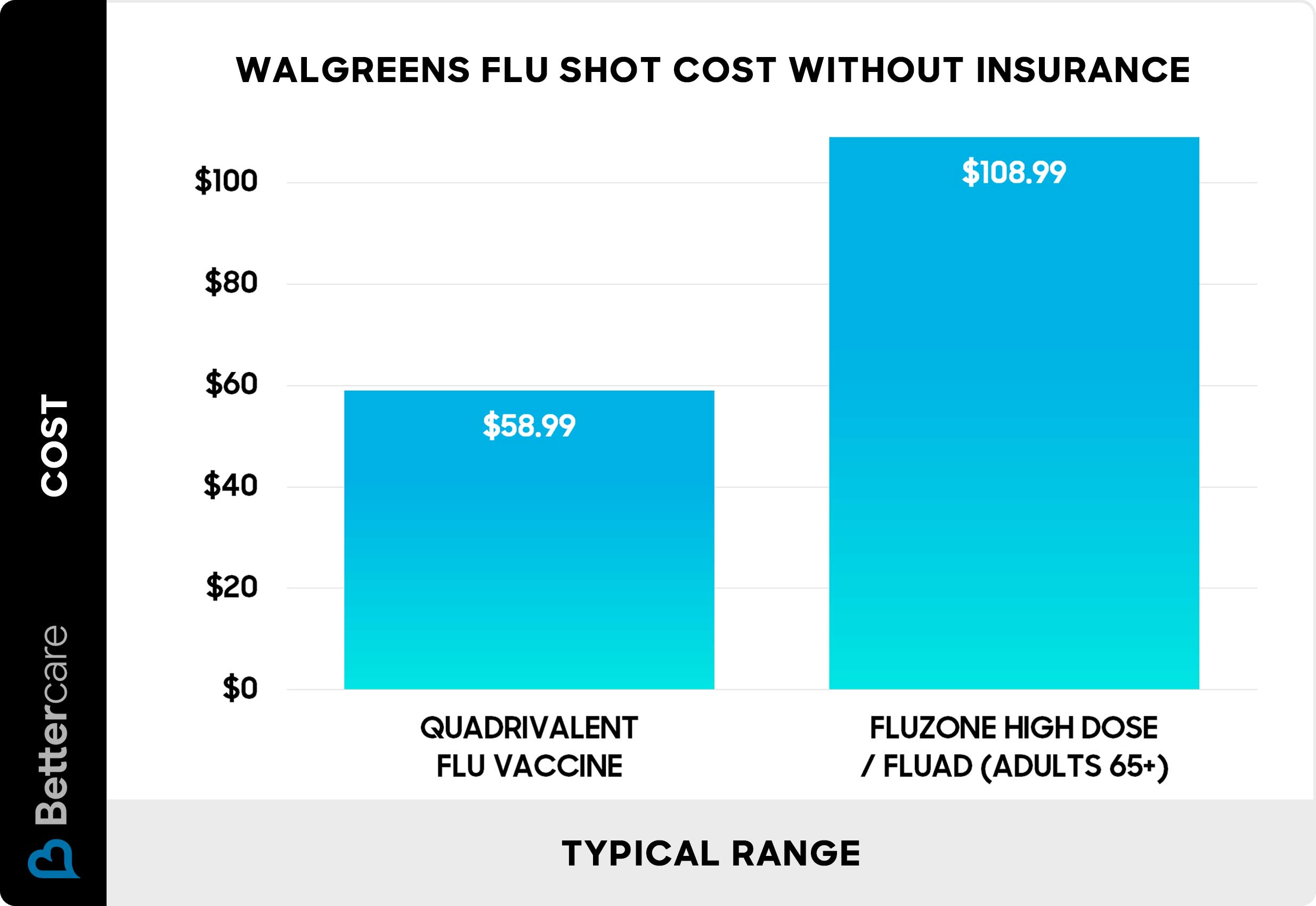
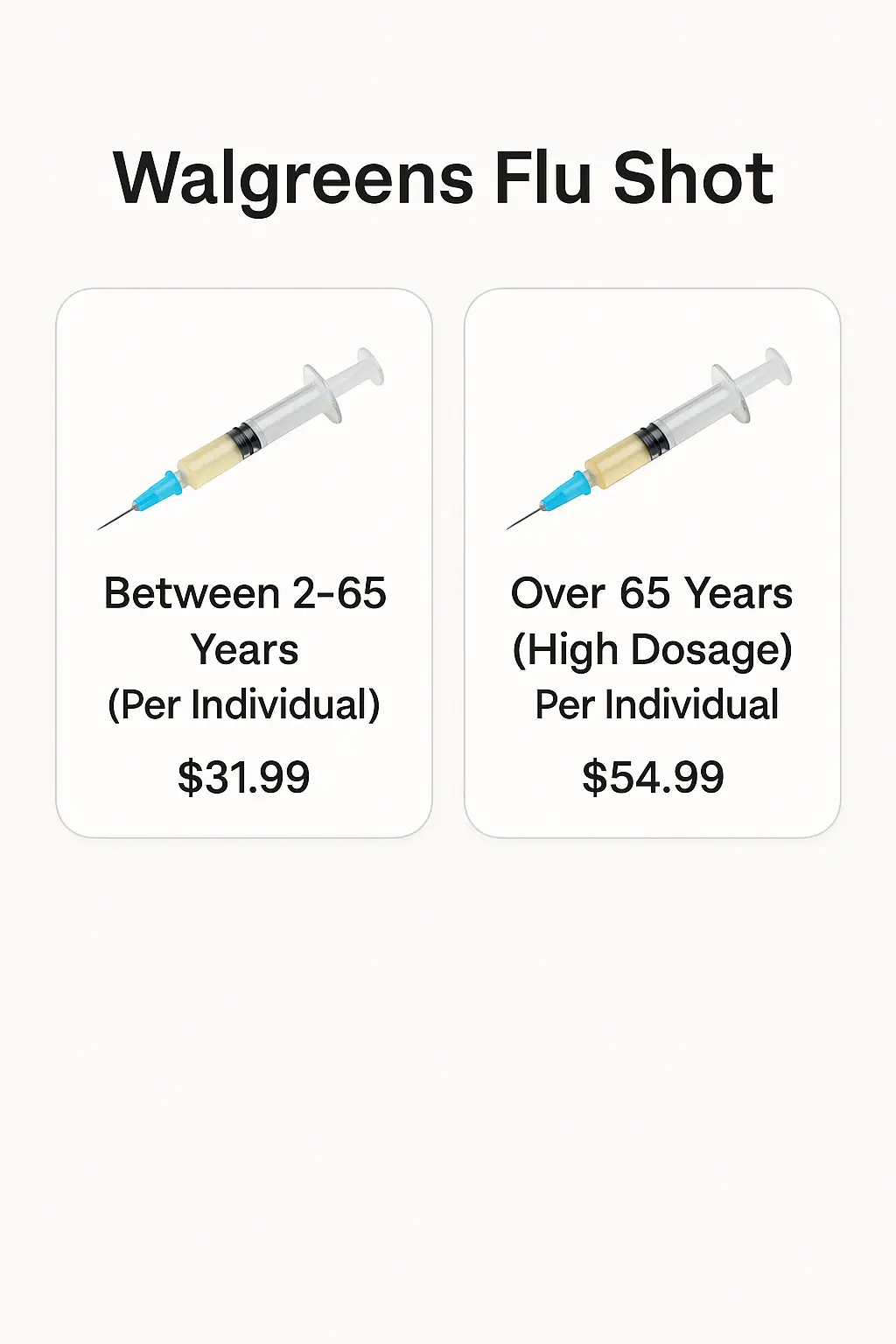
The cost for a flu shot at Walgreens without insurance generally ranges from approximately $25 to $95 per dose, depending on the specific type of vaccine administered. While standard quadrivalent formulations are priced at the lower en...
The cost for a flu shot at Walgreens without insurance generally ranges from approximately $25 to $95 per dose, depending on the specific type of vaccine administered. While standard quadrivalent formulations are priced at the lower end of this spectrum, high-dose vaccines intended for seniors or specialized formulations may command a higher out-of-pocket price.
Contents
Variables Influencing Flu Vaccine Pricing
Flu shot pricing is not monolithic; it varies based on the chemical composition of the vaccine, the target demographic it serves, and regional pricing strategies. When you visit a pharmacy like Walgreens without the backing of a health insurance plan, you are responsible for the full retail price of the immunization.
The most common vaccine is the standard quadrivalent flu shot, designed to protect against four different strains of the influenza virus. Because these are produced in high volumes, they are typically the most affordable option. Conversely, Walgreens often stocks "senior-strength" vaccines—specifically formulated with higher antigen content to trigger a more robust immune response in individuals aged 65 and older—which are more complex to manufacture and subsequently carry a higher price tag.
Regional cost fluctuations also exist. Operating costs, local labor rates, and state-specific pharmaceutical regulations can influence the final sticker price at different pharmacy locations. It is highly recommended that you call your specific local Walgreens pharmacy to confirm the current price for the exact type of vaccine you require, as national averages serve only as a baseline.
Types of Flu Vaccines and Clinical Intent
Understanding which vaccine you are receiving is critical to anticipating the cost. The clinical intent behind each type dictates its development and, consequently, its price.
- Standard Quadrivalent: The most common vaccine administered to the general healthy population, usually covering individuals from six months of age through 64 years.
- High-Dose Quadrivalent: Specifically approved for adults 65 years and older. The increased antigen concentration is designed to overcome the natural weakening of the immune system that occurs with age. This version is almost universally more expensive than the standard formulation.
- Recombinant Influenza Vaccine: Produced using DNA technology rather than being grown in chicken eggs, these are often preferred for individuals with severe egg allergies. The manufacturing complexity of this process often results in a higher retail cost compared to egg-based vaccines.
- Adjuvanted Vaccines: These include an ingredient (an adjuvant) that helps the immune system create a stronger response to the vaccination.
Comparison of Financial Options
When assessing your budget for immunization, it is important to distinguish between paying out-of-pocket and utilizing alternative financial programs. While the out-of-pocket cost is the standard fee for those without insurance, there are paths to mitigate these expenses.
| Payment Method | Typical Accessibility | Cost Implications |
|---|---|---|
| Out-of-Pocket (Cash) | Immediate | Varies ($25–$95); paid at time of service |
| Employer Wellness Programs | Varies by company | Often fully subsidized by the employer |
| Public Health Clinics | Community-dependent | Frequently sliding scale or free for uninsured |
| State/Local Health Dept | Residents of specific areas | Low-cost or free public health initiatives |
Practical Steps for Uninsured Patients
If you do not have health insurance, your journey toward getting a flu shot should involve a few strategic steps to ensure you find the most cost-effective path.
- Verification: Call your local Walgreens pharmacy and ask for the current out-of-pocket price for the specific vaccine you need. Ask if they offer any "cash pay" discounts for vaccines.
- Evaluate Alternatives: If the Walgreens price is prohibitive, investigate if your local city or county health department provides low-cost or sliding-scale immunizations. These facilities often receive federal or state funding to provide vaccines to the underinsured or uninsured population.
- Check Community Resources: Some community centers or non-profit organizations host annual "flu clinics" where the cost is significantly reduced or waived entirely.
- Documentation: Regardless of how you pay, always request a paper record of your vaccination. This documentation is essential for your personal medical history and may be required by certain employers or academic institutions.
Important Considerations: Medical Disclosure
Before receiving a flu shot, it is imperative to disclose your medical history to the pharmacist. Regardless of whether you have insurance coverage, the pharmacist’s duty of care remains the same. You must mention any history of severe allergies (specifically to eggs or previous vaccine components), history of Guillain-Barré Syndrome, or if you are currently feeling unwell with a high fever.
This medical screening is not just a regulatory requirement; it is a vital safety step. Pharmacists are trained to determine if a specific vaccine product is contraindicated for you. If a particular formulation is not safe for your medical profile, the price difference between vaccine types should be viewed as secondary to the necessity of selecting a medically appropriate product.
Frequently Asked Questions
Does Walgreens offer discounts for uninsured patients? Walgreens occasionally offers promotional pricing or discounts for uninsured individuals through specific seasonal programs, but these are not guaranteed year-round. It is best to ask the pharmacist directly if there are any current "cash pay" programs or manufacturer vouchers that apply to your situation.
Are children eligible for free flu shots if the parents are uninsured? The Vaccines for Children (VFC) program provides vaccines at no cost to children who meet specific eligibility criteria, such as being uninsured or underinsured. Many pharmacies, including some Walgreens locations, may participate in this program, but you should verify eligibility and participation before arriving.
Will the price change depending on the month of the season? Generally, the price for a flu shot remains stable throughout the season. However, as the season progresses, availability of certain specialized vaccines (like the high-dose senior formulation) may decrease, which could leave only higher-priced or different inventory in stock at specific branches.
Can I use a pharmacy discount card to lower the flu shot cost? Pharmacy discount cards, which are commonly used to reduce the price of prescription medications, often do not apply to vaccinations. Vaccinations are typically billed as "medical services" rather than "prescriptions," meaning standard drug discount cards are frequently inapplicable. Always verify with your pharmacist if your specific discount card can be used for administrative or immunization fees.
Is the flu shot tax-deductible? In many jurisdictions, unreimbursed medical expenses, including vaccines, may be tax-deductible if they exceed a certain percentage of your adjusted gross income. You should consult with a tax professional or review current IRS guidelines (or relevant regional tax authority) to determine if your out-of-pocket healthcare costs qualify for deductions.
Final Recommendation
If you are uninsured and seeking a flu shot at Walgreens, treat the process like any other retail transaction where price transparency is key. Start by calling the pharmacy to confirm their current retail pricing. If the cost is higher than you are prepared to pay, utilize your local health department’s resources to compare costs before finalizing your decision. Your health and immunity are the priority; ensuring you receive the correct, medically appropriate vaccine formulation is more important than finding the absolute lowest price.
Image Gallery