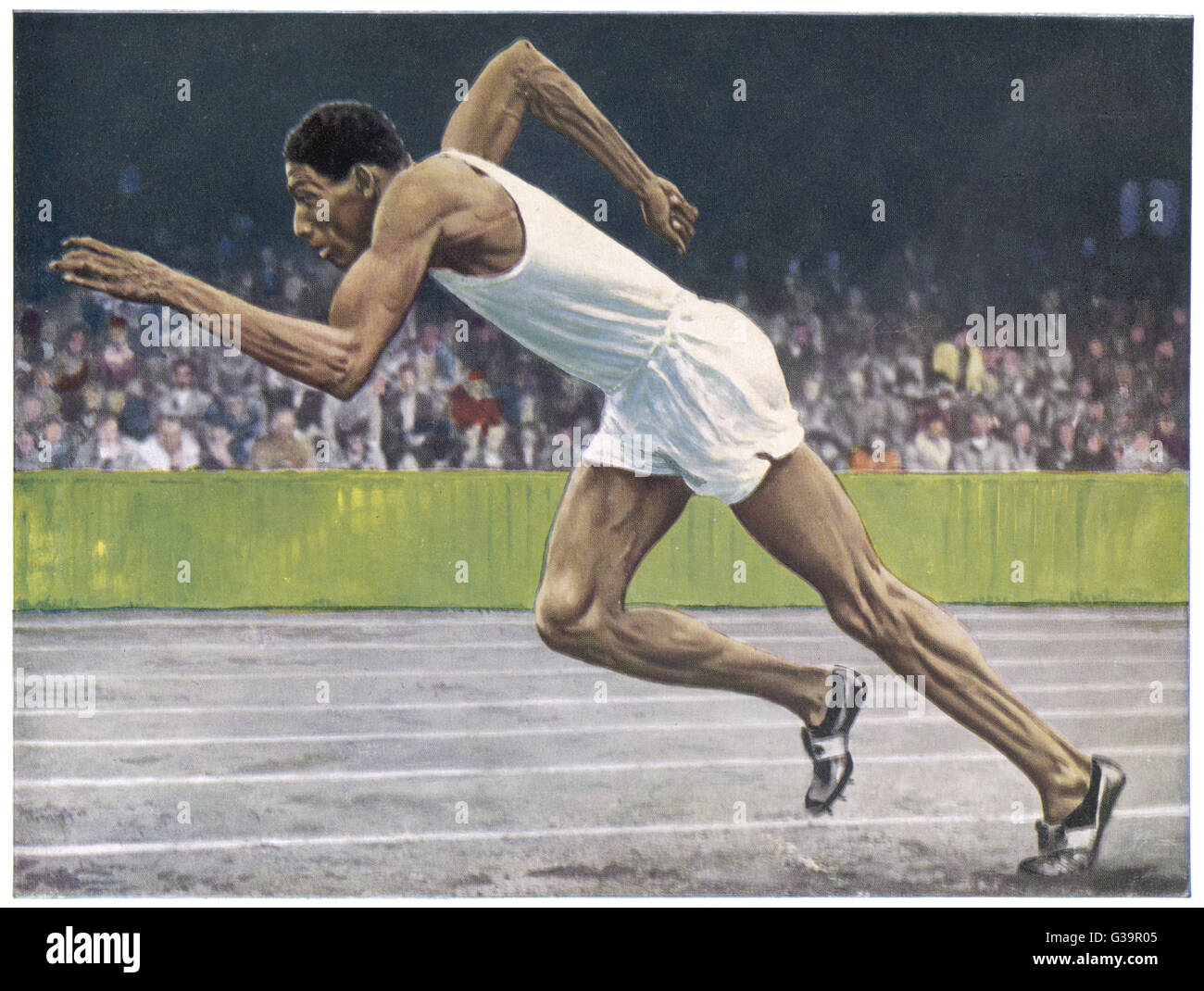
The Legacy of Arthur Wint: Jamaica’s First Olympic Gold Medalist
Arthur Wint was Jamaican, a pioneering athlete who etched his name into the annals of global sporting history by becoming the first person from Jamaica to win an Olympic gold medal. His achievements on the track during the late 1940s a...
Arthur Wint was Jamaican, a pioneering athlete who etched his name into the annals of global sporting history by becoming the first person from Jamaica to win an Olympic gold medal. His achievements on the track during the late 1940s and early 1950s not only transformed the trajectory of Caribbean athletics but also established him as a national hero and an enduring symbol of Jamaican excellence on the world stage.
Contents
The Early Life and Foundations of an Athlete
Born on May 25, 1920, in Plowden, Manchester, Jamaica, Arthur Stanley Wint was a man of diverse talents and intellectual rigor. Before his ascent to international athletic stardom, his formative years in Jamaica provided the foundation for his disciplined approach to competition. He attended Calabar High School in Kingston, an institution renowned for its commitment to academic and athletic excellence.
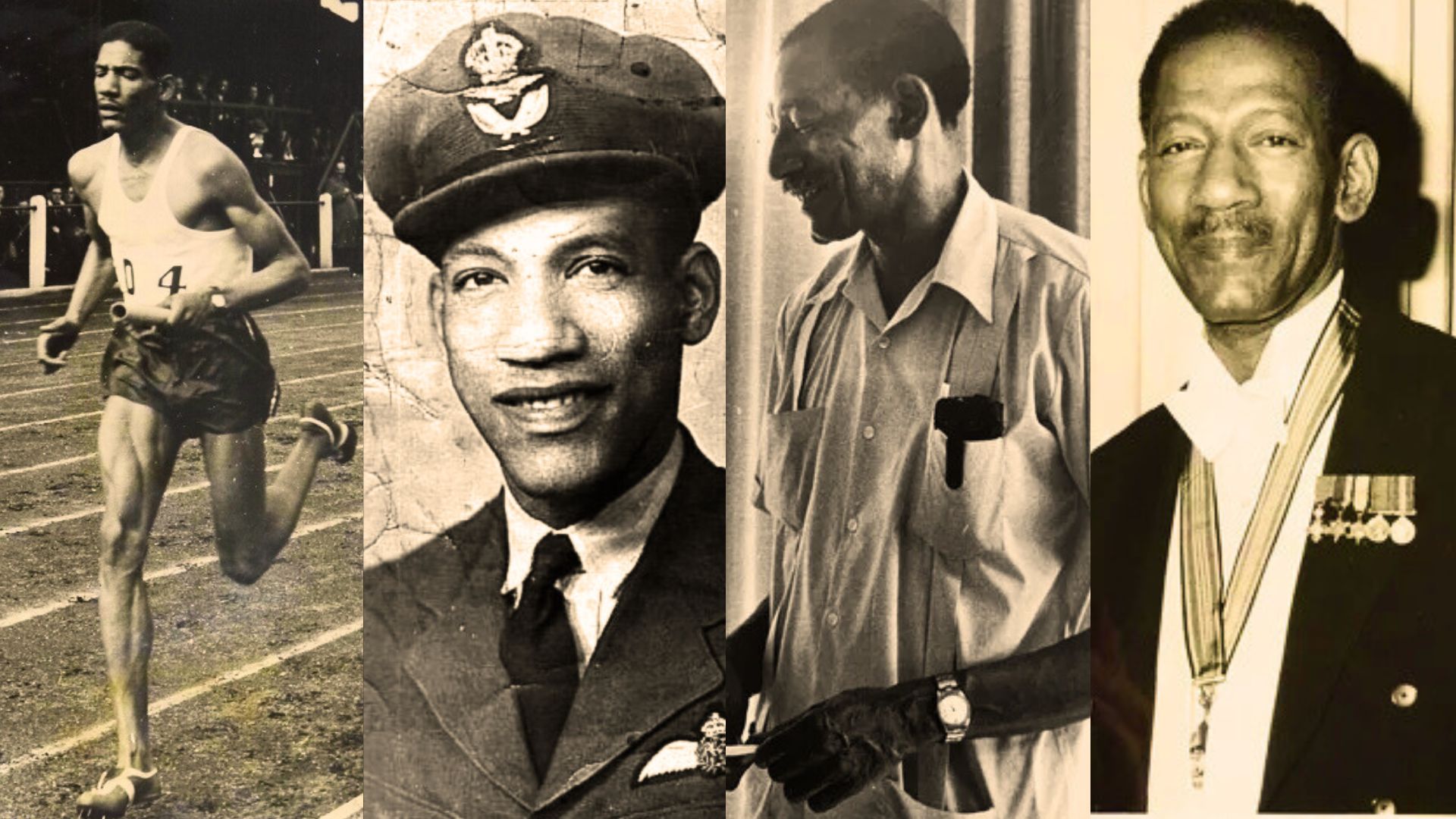
Wint was not merely a runner; he was a polymath who balanced his physical pursuits with a serious interest in medicine. This dual-focus approach—managing the rigors of medical training alongside the demanding schedule of a world-class sprinter—would become a hallmark of his character. During the Second World War, he served as a pilot in the Royal Air Force (RAF). This military service was instrumental in his development, as it took him to various parts of the British Empire, including Canada and the United Kingdom, where he refined his running technique and physical conditioning.
Historic Achievements at the 1948 London Olympics
The defining moment of Arthur Wint’s career arrived at the 1948 Summer Olympics in London. Representing the British West Indies as a Jamaican athlete, Wint competed in the 400-meter dash. At the time, the world of track and field was dominated by established powers, and a victory for an athlete from a small island nation was considered an extraordinary feat.
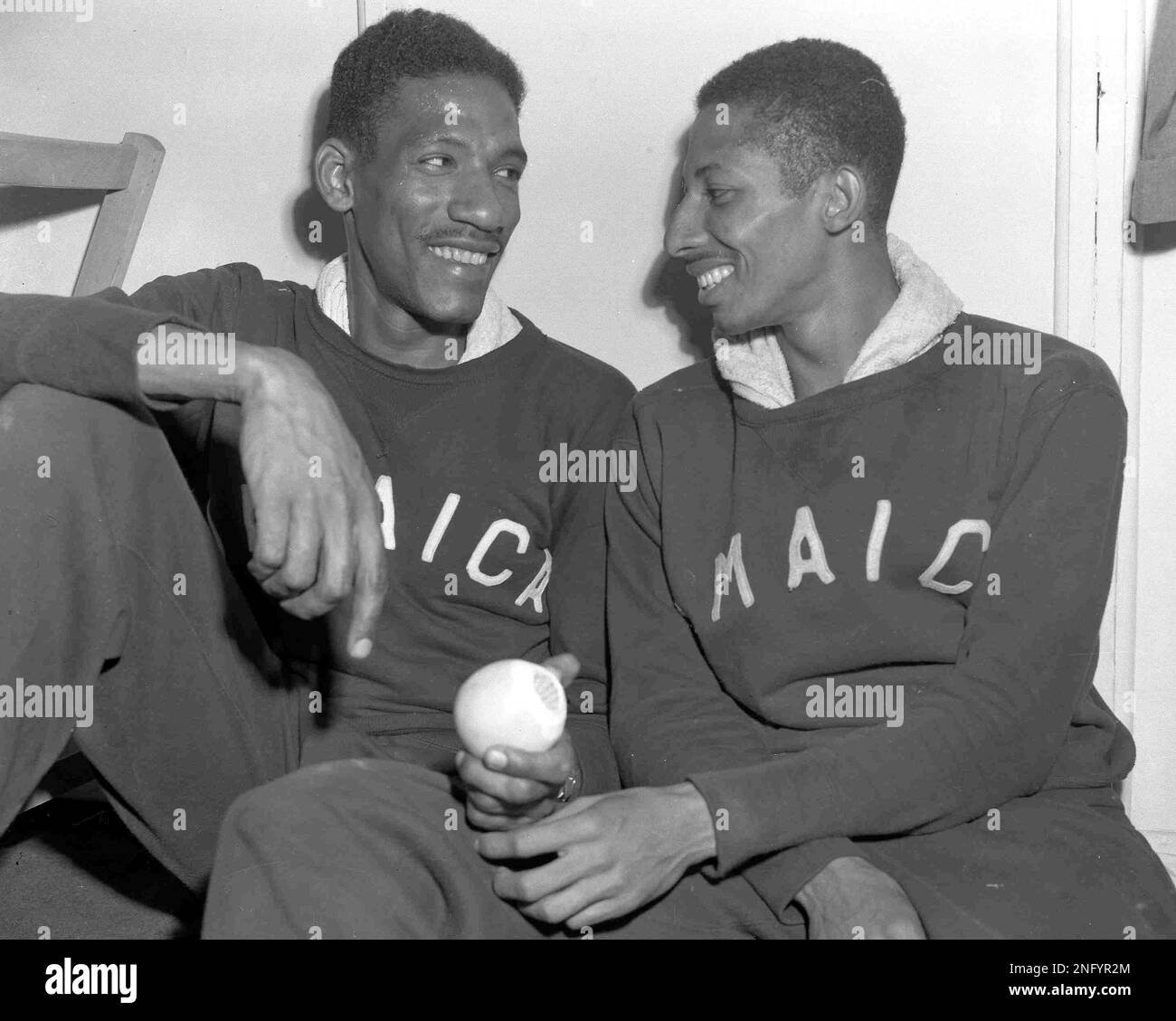
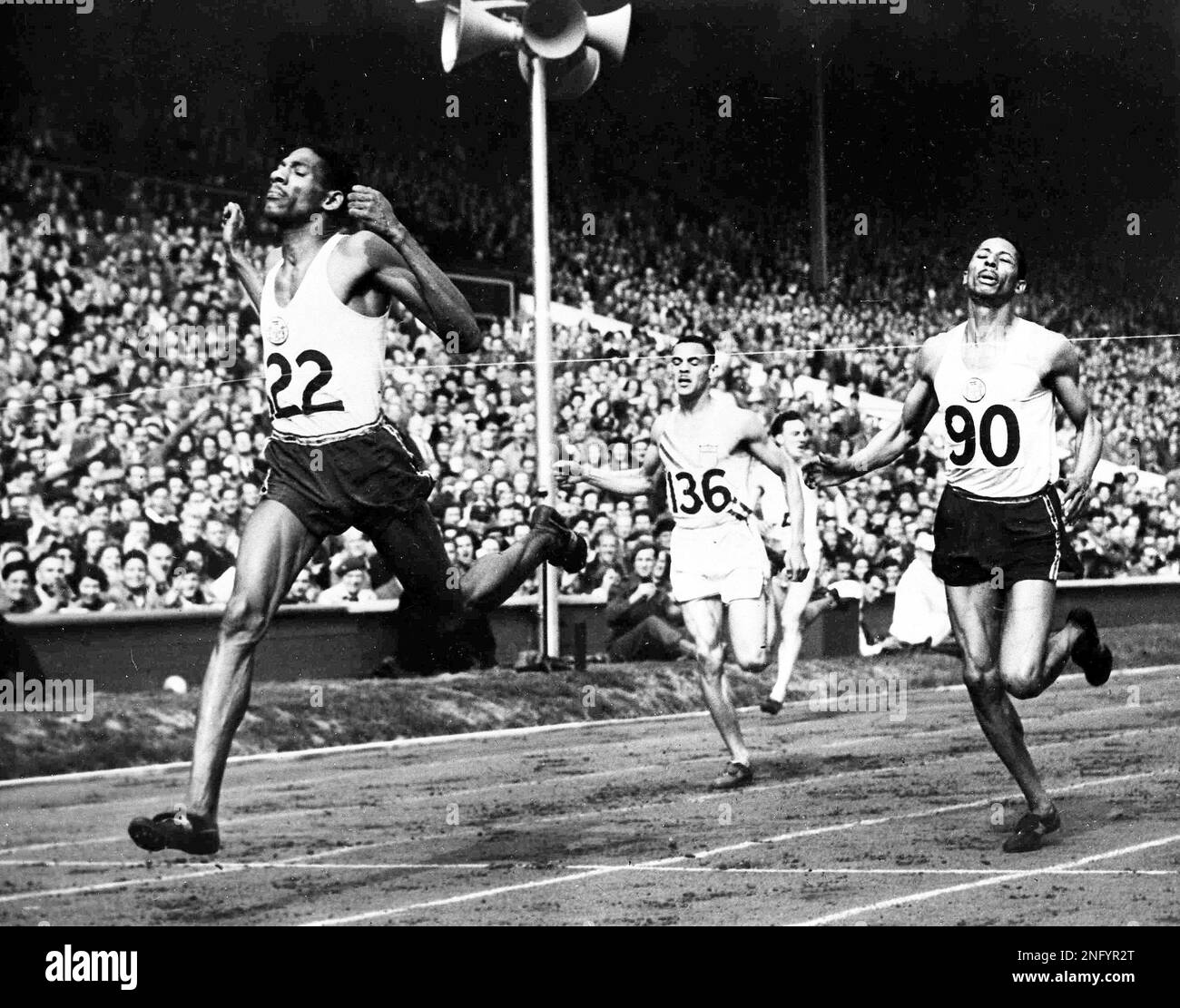
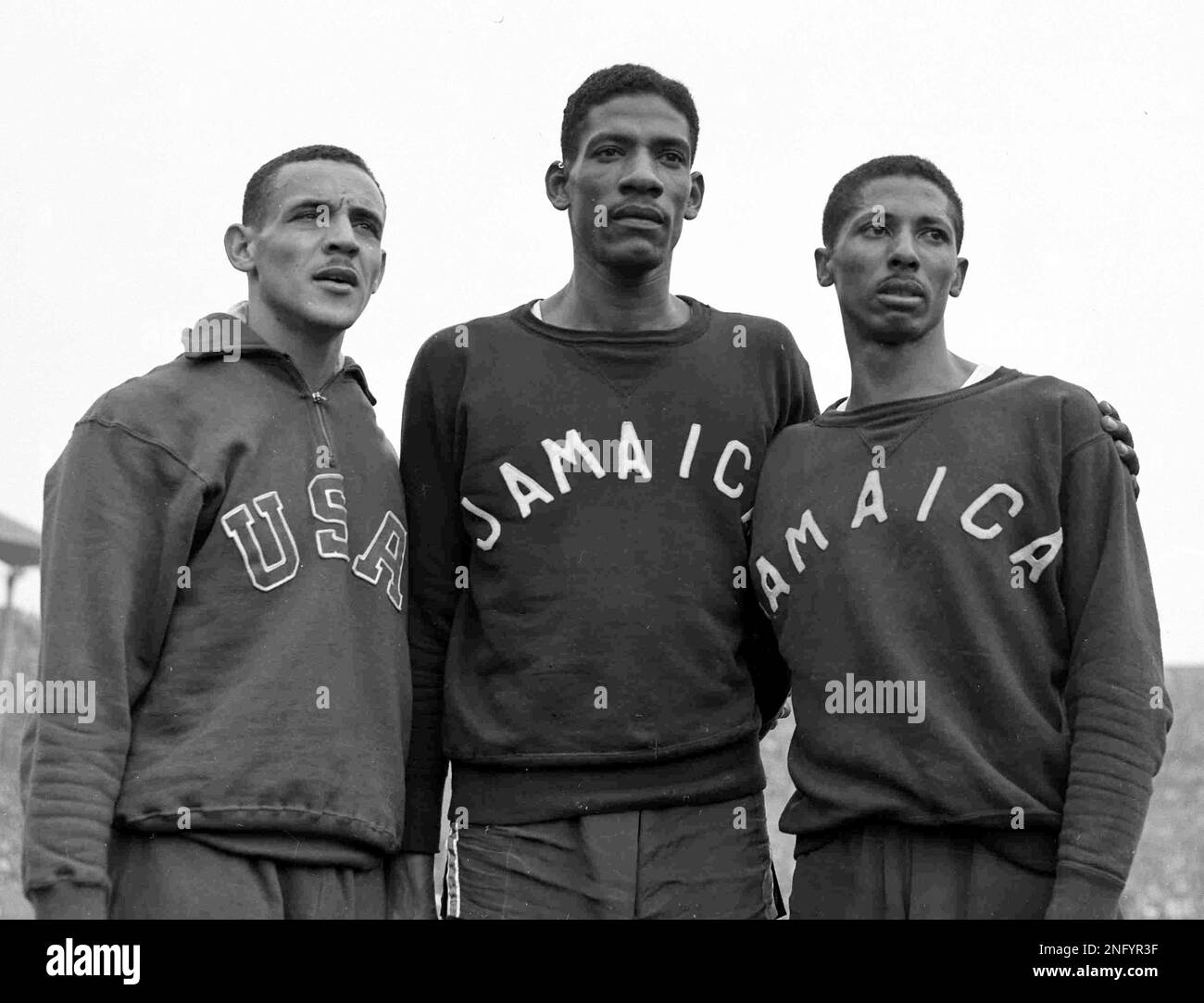
In the 400-meter final, Wint faced stiff competition, most notably from his teammate Herb McKenley. Wint’s performance was tactical and powerful; he surged to victory with a time of 46.2 seconds, securing the gold medal. This triumph was monumental, as it marked the first time a Jamaican athlete stood atop the Olympic podium. The win resonated far beyond the confines of the stadium, signaling to the world that Jamaica possessed the human talent and the technical structure to compete with and overcome the strongest nations in athletics.
In addition to his gold medal in the 400 meters, Wint also captured a silver medal in the 800-meter event at the same Games, showcasing his versatility as a middle-distance runner. His ability to perform at such a high level in two distinct, energy-demanding disciplines solidified his reputation as one of the most complete athletes of his generation.
Continued Success and the 1952 Helsinki Games
Wint’s success was not a solitary flash of brilliance but the start of a golden era for Jamaican athletics. At the 1952 Summer Olympics in Helsinki, he once again demonstrated his elite status. While he did not repeat his individual gold medal performance, he played a critical role in the 4x400-meter relay team.
The Jamaican relay team, consisting of Arthur Wint, Leslie Laing, Herb McKenley, and George Rhoden, achieved a remarkable victory, setting a new world record in the process. This win reaffirmed Jamaica’s dominance in the 400-meter discipline and provided a sense of national pride that helped shape the country’s modern identity. By the time he retired from competitive athletics, Wint had proven that his 1948 success was the result of sustained discipline, rigorous training, and a profound understanding of the mechanics of sprinting.
Comparative Overview of Major Olympic Performances
| Event | Year | Location | Result | Significance |
|---|---|---|---|---|
| 400m Dash | 1948 | London | Gold | First Jamaican Olympic Gold |
| 800m Run | 1948 | London | Silver | Elite middle-distance versatility |
| 4x400m Relay | 1952 | Helsinki | Gold | World Record performance |
Life Beyond the Track: A Career in Medicine and Diplomacy
After concluding his competitive career, Arthur Wint transitioned into a highly distinguished professional life. He pursued his medical studies in the United Kingdom, eventually qualifying as a physician. His dedication to his profession was as intense as his commitment to track and field. Upon returning to Jamaica, he practiced medicine, serving his community with the same dedication that had characterized his sports career.
Beyond medicine, Wint served with distinction as the Jamaican High Commissioner to the United Kingdom, and later as the Ambassador to Sweden. His roles in the diplomatic service allowed him to represent the interests of his nation with the poise and integrity he had displayed throughout his life. He remained a figure of immense respect in Jamaican society until his passing in 1992. His life story serves as a testament to the idea that athletic prowess and intellectual achievement are not mutually exclusive but can be harmoniously integrated to create a lifetime of service.
The Enduring Impact on Jamaican Athletics
The legacy of Arthur Wint is woven into the fabric of Jamaican culture. He is widely credited with inspiring generations of Jamaican sprinters, including those who would go on to dominate the global track scene in the 21st century. The path he blazed established the standard for what it meant to be a professional athlete in a small, developing nation.
He proved that physical talent, when coupled with the right education and opportunities, could lead to international acclaim. Today, the "Arthur Wint Drive" in Kingston stands as a physical reminder of his importance to the capital city, and his name is frequently cited in discussions regarding the most influential figures in Caribbean sports history. For researchers and historians, Wint serves as the primary case study for the emergence of the "Jamaican Sprint Factory," a phenomenon that continues to yield Olympic medalists decades after his final race.
Frequently Asked Questions
Was Arthur Wint the first Jamaican to win an Olympic medal? Yes, Arthur Wint holds the distinction of being the first Jamaican to win an Olympic gold medal. His victory in the 400-meter dash in 1948 was the first time the Jamaican national spirit was realized on the highest podium of world sport.
What was Arthur Wint's profession outside of athletics? Arthur Wint was a medical doctor. After his retirement from track, he completed his studies in the United Kingdom and practiced medicine in Jamaica. He also served as a diplomat, representing Jamaica as a High Commissioner and Ambassador.
Did Arthur Wint serve in the military? Yes, Wint served as a pilot in the Royal Air Force during World War II. His experience in the military provided him with significant international exposure and contributed to his physical and mental conditioning prior to his Olympic success.
What is the significance of the 1952 Helsinki relay? The 1952 4x400-meter relay victory is significant because it broke the existing world record and cemented the reputation of the Jamaican men’s relay team as a formidable force on the global stage. It confirmed that the success of 1948 was a sustainable achievement built on elite talent.
Next Steps for Researchers and Enthusiasts
To further explore the life and career of Arthur Wint, interested readers should consult the archives at the National Library of Jamaica, which houses historical records regarding his life and contributions to the state. For those interested in the history of Caribbean athletics, examining the digitized results from the 1948 London Olympic Games provided by the International Olympic Committee (IOC) will offer technical insights into his race times and the competition he faced. Engaging with biographies written by Jamaican sports historians will also provide deeper context into how his personal journey mirrored the socio-political development of post-war Jamaica.
Image Gallery