Why the Laura Ashley Brand Still Matters
The Laura Ashley brand remains relevant in 2026 because it occupies a unique intersection of heritage, nostalgia, and the enduring "Grandmillennial" aesthetic. By successfully transitioning from a struggling traditional retailer to a l...
The Laura Ashley brand remains relevant in 2026 because it occupies a unique intersection of heritage, nostalgia, and the enduring "Grandmillennial" aesthetic. By successfully transitioning from a struggling traditional retailer to a lean, licensing-focused global powerhouse, the brand has preserved its iconic floral DNA while adapting to modern omnichannel shopping habits.
Contents
The survival of a brand that defines an era—specifically the romanticized British country aesthetic of the 1970s and 80s—is rarely a matter of luck. For Laura Ashley, its continued significance is the result of a strategic pivot in its business model and a cultural shift toward "slow living" and maximalist interior design. As of 2026, the brand serves as a primary case study in how heritage labels can navigate the transition from physical storefronts to a partnership-driven ecosystem without losing their soul.
The Evolution of the Laura Ashley Aesthetic: From Kitchen Table to Global Icon
To understand why the brand matters today, one must recognize its origin as a grassroots movement. Founded in 1953 by Laura and Bernard Ashley, the brand began with hand-printed fabrics created at a kitchen table in London. This artisanal beginning established a brand identity rooted in craftsmanship and domesticity. By the 1970s, Laura Ashley had become synonymous with a specific type of romanticism—Victorian-inspired silhouettes, high necklines, and delicate floral prints that offered an escape from the stark, modernist trends of the time.
In 2026, this aesthetic continues to resonate because it offers a sense of permanence. In an era of rapid technological change and "fast homeware," the distinctive Laura Ashley prints—such as the Josette or the Belvedere—act as anchors of tradition. The brand’s ability to maintain its design language for over 70 years has created a multi-generational appeal where "vintage" Laura Ashley is as coveted as new collections.
The Role of Heritage in Modern Consumption
Consumer behavior in the mid-2020s has shifted toward "investment dressing" and "heritage interiors." Buyers are increasingly skeptical of brands without a history. Laura Ashley leverages its status as a legacy brand to provide psychological comfort. The brand's archive, containing thousands of original prints, serves as a continuous source of inspiration that competitors cannot easily replicate. This deep history allows the brand to remain authentic even as it explores new product categories or modernizes its color palettes.
The Strategic Rebirth: The Gordon Brothers and Next PLC Partnership
The most critical factor in why Laura Ashley still matters today is its structural reorganization following the company's entry into administration in 2020. The acquisition by Gordon Brothers, a global advisory and investment firm, shifted the brand away from the high-risk model of maintaining massive, independent retail footprints.
By 2026, the success of the partnership with Next PLC in the UK and Ireland has proven that a heritage brand can thrive when integrated into a more robust logistical infrastructure. This move allowed Laura Ashley to focus on design and brand storytelling while leveraging Next's superior e-commerce and distribution capabilities.
Licensing as a Tool for Brand Longevity
The brand's survival was further solidified through strategic licensing. Rather than trying to manufacture everything in-house, Laura Ashley partnered with category experts:
- Wallpaper and Paint: Collaborations with high-end manufacturers ensured the technical quality of their home decor products remained high.
- Furniture and Bedding: Partnerships allowed for the scaling of "total look" rooms, a concept Laura Ashley pioneered in the 1980s.
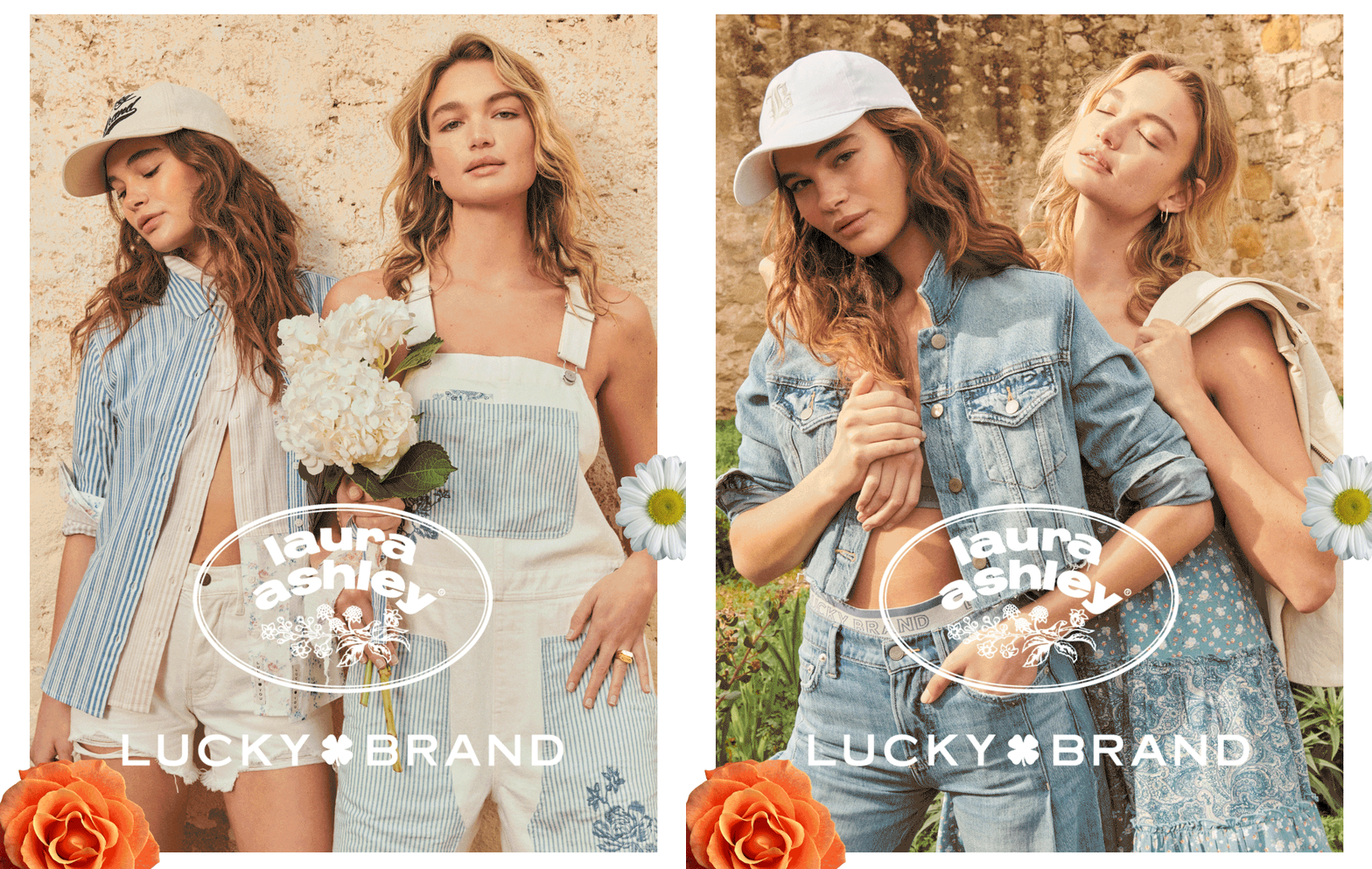
- International Expansion: In the United States, partnerships with major retailers like Kohl’s and Macy’s introduced the brand to a younger, suburban demographic that values the "English Countryside" look.
This decentralized model has made the brand more resilient to economic fluctuations, allowing it to remain visible in premium retail spaces without the overhead of the traditional high-street model.
The "Cottagecore" and "Grandmillennial" Cultural Tailwinds
The resurgence of the Laura Ashley brand is inextricably linked to the cultural rise of Cottagecore and Grandmillennial styles. These trends, which gained massive momentum in the early 2020s and have stabilized as permanent design subcultures by 2026, celebrate the very elements Laura Ashley is famous for: ruffles, floral patterns, needlepoint, and chintz.
Why Younger Generations Embrace the Brand
For Gen Z and Millennial consumers, Laura Ashley represents a rejection of the "Millennial Grey" and minimalist aesthetics that dominated the 2010s. The brand provides the tools for "Maximalism"—a design philosophy where more is more, and personality is expressed through pattern and texture.
Furthermore, the brand’s history of sustainability (before it was a buzzword) appeals to the modern ethical consumer. Original Laura Ashley garments from the 1970s are known for their high-quality natural fibers, like cotton and wool, which stand the test of time. This reputation for quality translates to their 2026 home collections, where the emphasis remains on durability and timeless style rather than trend-chasing.
Laura Ashley vs. Modern Competitors: A Comparison
The home decor and fashion landscape is crowded, but Laura Ashley maintains a specific niche that distinguishes it from both luxury houses and mass-market retailers.
| Attribute | Laura Ashley (2026) | Mass-Market Competitors | Luxury Heritage Brands |
|---|---|---|---|
| Primary Aesthetic | English Country / Romanticism | Trend-driven / Minimalist | Avant-Garde / High Fashion |
| Pricing Tier | Accessible Premium | Value-driven | Ultra-High End |
| Product Longevity | High (focused on timeless prints) | Low (seasonal turnover) | High (collector status) |
| Retail Strategy | Multi-channel / Licensed | High-volume stores | Exclusive Boutiques |
| Core Demographic | Multi-generational (25–70) | Gen Z / Gen Alpha | High-Net-Worth Individuals |
This positioning as "Accessible Premium" is vital. It allows the brand to feel aspirational while remaining attainable for the average homeowner looking to elevate their living space with a signature wallpaper or a quality bedding set.
The Enduring Value of "Laura Ashley Home"
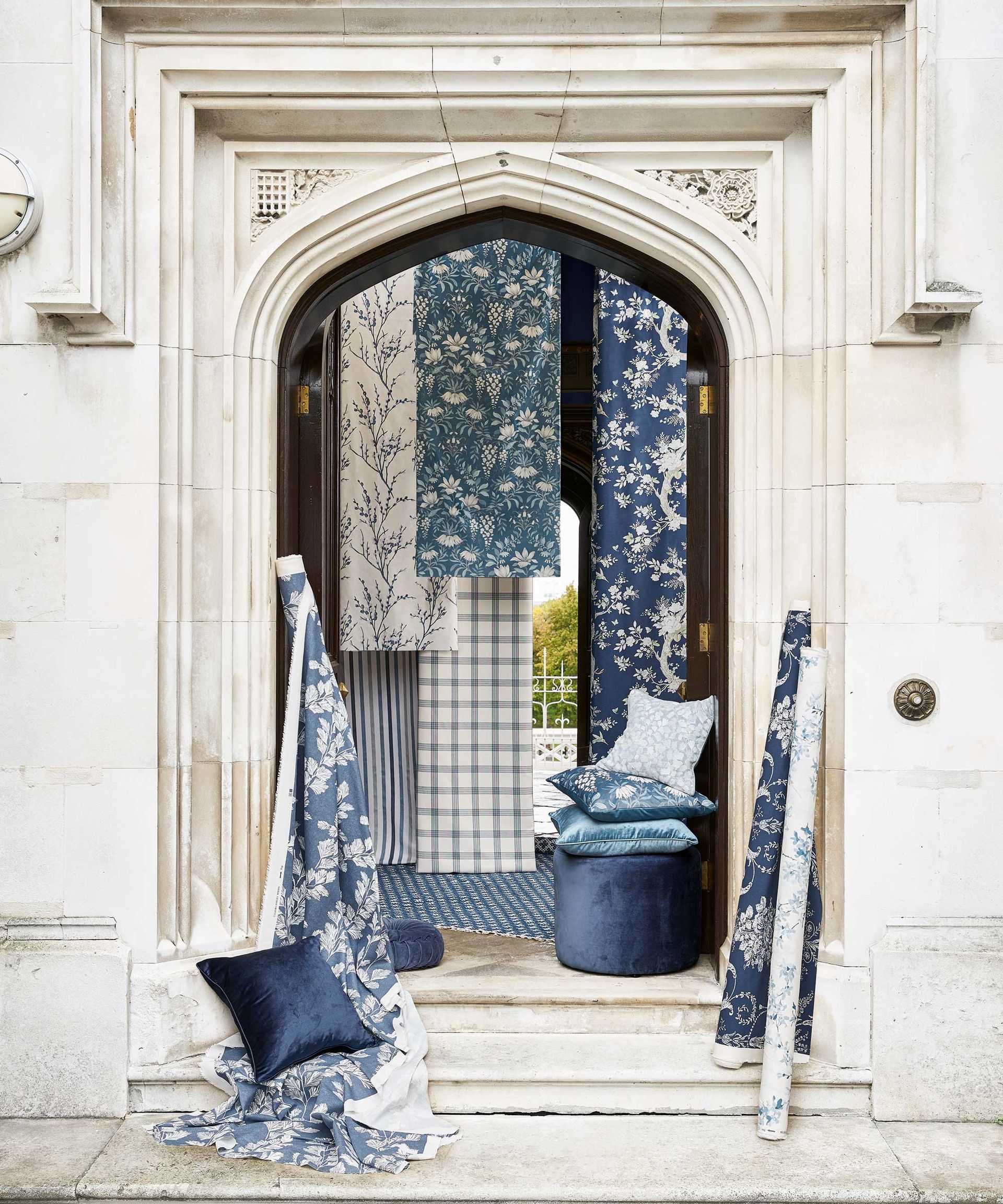
While the brand started in fashion, its most significant impact in 2026 is arguably in the home sector. The concept of the "coordinated home" was largely a Laura Ashley invention. The brand taught consumers how to match wallpaper to curtains, and curtains to upholstery, creating a cohesive atmospheric experience.
Innovation in Home Textiles and Wallcoverings
In 2026, Laura Ashley has remained relevant by integrating modern technology into its traditional designs. We see this in:
- Sustainable Printing: Using water-based inks and eco-friendly substrates for wallpapers that meet current environmental standards.
- Performance Fabrics: Adapting classic floral patterns onto stain-resistant and outdoor-durable fabrics to meet the needs of modern families.
- Digital Archiving: Allowing customers to browse decades of patterns online to order "on-demand" prints of retired designs, catering to the bespoke movement.
Overcoming the "Dated" Stigma
One of the greatest challenges for any heritage brand is avoiding being seen as "grandma’s house." Laura Ashley has successfully navigated this by subtly updating its color palettes. In 2026, while the patterns remain recognizable, the colors often reflect contemporary trends—muted sages, deep teals, and terracotta tones—rather than the overly bright pastels of the late 1980s.
By collaborating with modern designers and influencers, the brand has demonstrated how its pieces can fit into a contemporary apartment just as well as a country cottage. This versatility is why the brand still matters; it is no longer a "costume" of a bygone era but a flexible design tool for the modern world.
Frequently Asked Questions
Is Laura Ashley still in business in 2026?
Yes, Laura Ashley is fully operational as a global lifestyle brand. While it moved away from the traditional standalone retail store model in 2020, it now operates through a successful licensing and partnership model. In the UK, it has a major presence within Next PLC stores and online, while in the US, its products are available through several high-profile retail partners and specialty decorators.
Where can I buy Laura Ashley products?
As of 2026, you can purchase Laura Ashley products through their official website, the Next PLC website (in the UK), and various major department stores globally. Their home collections, including wallpaper, paint, and furniture, are also sold through specialist home improvement and interior design retailers.
Why is the brand considered part of the "Cottagecore" movement?
The "Cottagecore" movement celebrates a return to traditional skills and a romanticized rural lifestyle. Laura Ashley is the progenitor of this look, having spent decades perfecting the floral prints, natural fabrics, and feminine silhouettes that define the aesthetic. The brand provides the authentic heritage that modern "Cottagecore" enthusiasts seek.
Is the quality of new Laura Ashley products the same as vintage?
While manufacturing processes have modernized, the brand’s 2026 strategy emphasizes "accessible premium" quality. By partnering with specialist manufacturers for specific lines (like paint or furniture), the brand ensures that the technical specifications meet modern standards while preserving the classic aesthetic. Many consumers find the modern home products to be more durable and easier to maintain than mid-century versions.
Does Laura Ashley still sell clothing?
Yes, Laura Ashley continues to produce fashion collections, though the focus is more curated than in the 1980s. The current fashion lines often feature limited-edition "capsule" collections that highlight archival prints, focusing on dresses and blouses that lean into the brand’s romantic, feminine heritage.
Practical Recommendation: Integrating Heritage into Modern Spaces
For those looking to utilize the Laura Ashley brand in 2026, the key is balance. Rather than recreating a fully coordinated 1980s room, which can feel overwhelming, experts recommend using the brand’s boldest prints as "anchor points."
Next Actions for Consumers:
- Start with Wallpaper: Use a classic Laura Ashley floral (like the Pussy Willow or Summer Palace) on a single feature wall to add depth to a room without crowding it.
- Mix and Match: Pair a traditional Laura Ashley floral cushion with a contemporary, solid-colored velvet sofa. This creates a "Grandmillennial" look that feels intentional and modern.
- Focus on Textiles: Laura Ashley bedding remains some of the most recognizable in the industry. Investing in a high-thread-count floral duvet set is the easiest way to introduce the brand’s heritage into a bedroom.
The Laura Ashley brand matters because it provides a bridge between the past and the present. It offers a proven aesthetic that promises comfort, beauty, and a touch of English romance in an increasingly digital and sterilized world.
Image Gallery