Understanding Why You Can Be Allergic to Certain Cats and How Allergenic Variability Works
Many people believe they are allergic to "cats" as a single monolithic category, but scientific and clinical observations reveal that you can be allergic to certain cats while remaining completely symptom-free around others. Cat allerg...
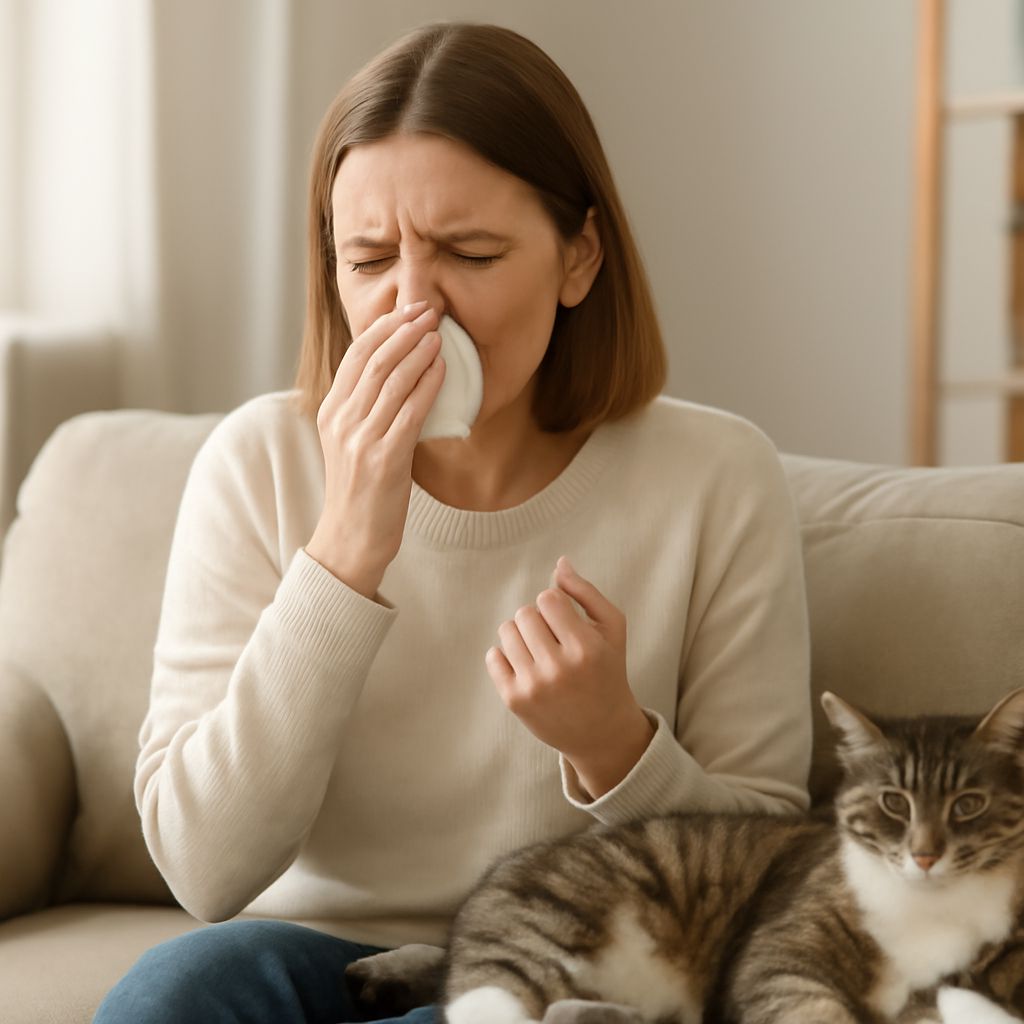
Many people believe they are allergic to "cats" as a single monolithic category, but scientific and clinical observations reveal that you can be allergic to certain cats while remaining completely symptom-free around others. Cat allergies are not triggered by the animal as a whole, but rather by specific proteins secreted through their saliva, sebaceous glands, and urine, which then deposit onto their fur during grooming. Because individual felines produce these biochemical allergens in vastly different quantities—and because human immune systems react to these proteins with distinct thresholds—it is entirely possible to react severely to one cat while experiencing zero allergic reactions to another living in the exact same household.
Contents
The Biological Mechanism Behind Cat Allergies
To understand why allergic reactions vary so dramatically between individual cats, it is necessary to examine the primary biological triggers involved. The most prominent and heavily researched allergen responsible for feline-induced hypersensitivity is a protein known scientifically as Fel d 1.
Produced primarily in the cat’s salivary glands, lacrimal glands, and sebaceous (skin) glands, Fel d 1 is transferred to the fur and skin when the cat grooms itself. As the saliva dries, the protein binds to microscopic dander—tiny flakes of dead skin—which then becomes airborne due to its extremely low weight and aerodynamic properties. When a sensitized individual inhales these particles or comes into direct contact with them, their immune system mistakes the harmless protein for a dangerous pathogen, releasing histamines and triggering classic allergy symptoms such as sneezing, nasal congestion, pruritus (itching), and watery eyes.
Beyond Fel d 1, researchers have identified several other minor cat allergens, including Fel d 2, Fel d 3, and Fel d 4, though Fel d 1 accounts for the vast majority of human allergic responses—roughly 60% to 90% of all reactivity. Because the production of these proteins is governed by genetic expression, hormonal status, and individual physiology, the concentration of allergens varies wildly from one cat to the next.
Why Some Cats Trigger Severe Reactions While Others Do Not
The myth that all cats cause identical allergic reactions is easily disproven by looking at the variables that influence allergen production. If you have ever petted a neighbor's cat without sneezing, only to break out in hives upon touching your own cat, you have experienced this variability firsthand. Several key factors explain why you can be allergic to certain cats and not others:
- Protein Production Levels (Fel d 1 Output): Cats do not produce identical amounts of Fel d 1. Some individuals naturally synthesize very low levels of the protein, meaning they shed significantly fewer airborne allergens into their environment.
- Sex and Hormonal Status: Intact (unneutered) male cats produce the highest levels of Fel d 1 due to the influence of testosterone. Neutered male cats produce considerably less, while spayed females generally produce the lowest baseline levels among standard domestic felines.
- Coat Color and Density: While color itself does not dictate allergen production, studies have historically suggested that darker-coated cats or those with dense, double coats may trap and shed more dander, though individual physiological output remains the primary driver.
- Grooming Habits: Cats that groom themselves obsessively deposit more saliva-based proteins onto their fur. Conversely, cats that groom less frequently may distribute fewer allergens, though this is balanced by the accumulation of dander on the skin.
- Human Immune Thresholds: Human allergy is not binary; it operates on a spectrum. An individual might have enough immune tolerance to withstand a low-dose exposure from a low-Fel d 1 cat, but be instantly overwhelmed by the high-dose exposure of a high-producing cat.
Examining So-Called "Hypoallergenic" Cat Breeds
The pet industry frequently promotes certain cat breeds as "hypoallergenic," leading many prospective pet owners to believe these animals are completely allergen-free. From a strict biological standpoint, this is a misconception. No cat breed is 100% hypoallergenic, because every domestic cat produces Fel d 1 as part of its normal biological makeup.
However, certain breeds are recognized by immunologists and veterinarians as "low-allergen" producers. These breeds either produce significantly lower baseline levels of Fel d 1 or shed less dander into the surrounding air. When people report that they can tolerate specific breeds, they are usually reacting to the reduced overall protein load rather than an entirely different biological species.
| Cat Breed | Typical Fel d 1 Production / Shedding Profile | Practical Considerations for Allergy Sufferers |
|---|---|---|
| Siberian | Low-to-moderate; produces significantly less Fel d 1 protein than the average domestic cat despite its long, thick coat. | Frequently tolerated by mild-to-moderate allergy sufferers, though individual testing is strongly advised before adoption. |
| Sphynx | Low airborne dander shedding, but requires frequent bathing to remove surface oils and saliva accumulation. | Lack of fur means less trapped dander, but oils must be wiped down regularly to prevent direct skin contact reactions. |
| Devon Rex / Cornish Rex | Low shedding volume due to unique, fine single-layer wavy coats. | Their reduced hair loss minimizes the physical distribution of dander throughout home environments. |
| Balinese | Often marketed as a low-Fel d 1 longhaired breed, though scientific data remains mixed regarding absolute protein output. | Requires verification through direct physical exposure before bringing into an allergy-sensitive household. |
| Standard Domestic Shorthair | Highly variable; can range from extremely low to massive protein producers depending on genetics and sex. | Unpredictable; requires trial exposure since individuals vary drastically regardless of appearance. |
Managing Cat Allergies When Living with Variable Felines
For individuals who experience allergic reactions but wish to live with cats, understanding how to manage environmental exposure is essential. Because you can be allergic to certain cats, finding a compatible feline companion is only the first step. Comprehensive allergen mitigation requires a multi-layered approach combining environmental controls, medical management, and proper animal husbandry.
Environmental Engineering and Air Filtration
The microscopic nature of cat dander means it stays suspended in the air for hours and settles deep into carpets, upholstery, and bedding.
- High-Efficiency Particulate Air (HEPA) Purifiers: Placing medical-grade HEPA air purifiers in the primary living areas and bedrooms drastically reduces airborne Fel d 1 concentrations.
- Surface Minimization: Replacing wall-to-wall carpeting with hardwood or tile flooring, and utilizing leather or tightly woven synthetic furniture instead of fabric upholstery, prevents dander from becoming deeply embedded.
- Routine Washing: Washing bedding, cat beds, and washable slipcovers in hot water weekly helps eliminate accumulated protein residue.
Feline-Centric Hygiene and Diet
Direct management of the cat can also influence the severity of your symptoms:
- Bathing: Regular bathing of the cat with plain water or specialized dander-reducing shampoos can temporarily wash away surface Fel d 1, though cats generally dislike the process and it must be done consistently.
- Nutritional Interventions: Specialized cat foods formulated with specific egg product ingredients (containing anti-Fel d 1 antibodies) have been shown in scientific studies to safely neutralize Fel d 1 in the cat's saliva as they groom, reducing the active allergen load at the source.
Medical Options for Sufferers
When environmental controls are insufficient, medical interventions supervised by a board-certified allergist can help raise your immune system's tolerance threshold:
- Antihistamines and Nasal Corticosteroids: Over-the-counter or prescription medications manage acute symptoms such as sneezing and nasal inflammation.
- Allergen Immunotherapy: Subcutaneous immunotherapy (allergy shots) or sublingual tablets can desensitize the immune system to Fel d 1 proteins over a multi-year treatment schedule, offering long-term relief.
Frequently Asked Questions About Cat Allergies
Can I be allergic to my own cat but not someone else's?
Yes, this is entirely possible and quite common. If your cat is an intact male or a high-producer of Fel d 1, your immune system may be constantly pushed past its threshold. Conversely, if you visit a friend whose cat produces very low baseline levels of the protein, your exposure might remain below your reaction threshold, resulting in no symptoms at all.
Are hairless cats truly hypoallergenic?
No hairless cat is completely hypoallergenic. While breeds like the Sphynx do not shed fur, they still produce Fel d 1 through their saliva and sebaceous glands. Because they lack hair to absorb these secretions, the proteins accumulate directly on their skin and require frequent wiping or bathing to manage.
Do female cats produce fewer allergens than males?
On average, yes. Spayed female cats generally produce lower levels of Fel d 1 than intact males. Neutered males also show reduced production compared to unneutered males, but individual genetic variance remains the most dominant factor in overall allergen output.
How can I test if I am allergic to a specific cat before adopting?
The most reliable method is direct, sustained physical exposure. Spending several hours in a controlled environment with the specific cat you intend to adopt—such as fostering for a week or visiting a breeder's home multiple times—allows your immune system enough time to react. Standard scratch tests or blood tests confirm general cat sensitization, but they cannot predict your specific reaction level to an individual animal.
Can cat allergies develop suddenly later in life?
Yes. Adults can develop new allergies at any stage of life, even if they have owned cats successfully for years. Changes in immune system regulation, environmental stress load, or increased allergen accumulation in the home can trigger the onset of hypersensitivity to Fel d 1 proteins unexpectedly.
Next Actions for Prospective and Current Cat Owners
If you suspect you are sensitive to felines but wish to navigate pet ownership safely, prioritize direct verification over generalized assumptions. Visit local shelters or breeders to interact with individual cats rather than relying on breed stereotypes. If you already live with a cat and experience mild-to-moderate symptoms, implement HEPA filtration, explore specialized dietary options designed to neutralize Fel d 1, and consult an allergist to discuss targeted medical management options before considering rehoming your pet.
Image Gallery