Understanding the Differences Between Auto and Health Insurance in 2026
Auto insurance and health insurance differ fundamentally in their scope: auto insurance primarily protects against financial loss resulting from vehicle-related accidents, theft, and liability for third-party injuries, while health ins...
Auto insurance and health insurance differ fundamentally in their scope: auto insurance primarily protects against financial loss resulting from vehicle-related accidents, theft, and liability for third-party injuries, while health insurance covers the costs of medical care, including illness, preventative services, and non-vehicular injuries. While both can cover medical expenses, auto insurance is asset-centric and health insurance is person-centric.
Contents
Navigating the insurance landscape in 2026 requires a clear understanding of how these two distinct financial products interact. While they occasionally overlap—specifically when a car accident results in physical injury—their legal requirements, cost structures, and primary objectives are governed by entirely different sets of regulations and market logic.
The Fundamental Scopes of Coverage
The primary distinction between auto and health insurance lies in the "trigger event" for a claim. Auto insurance is contingent upon the use or ownership of a motor vehicle. Health insurance, conversely, is a broad safety net designed to manage the costs of human biological maintenance and unforeseen medical crises, regardless of where or how they occur.
Auto Insurance: Protecting Assets and Third Parties
Auto insurance is designed to protect two main things: your financial assets and the well-being of others you might harm. In most jurisdictions in 2026, auto insurance is categorized into several components:
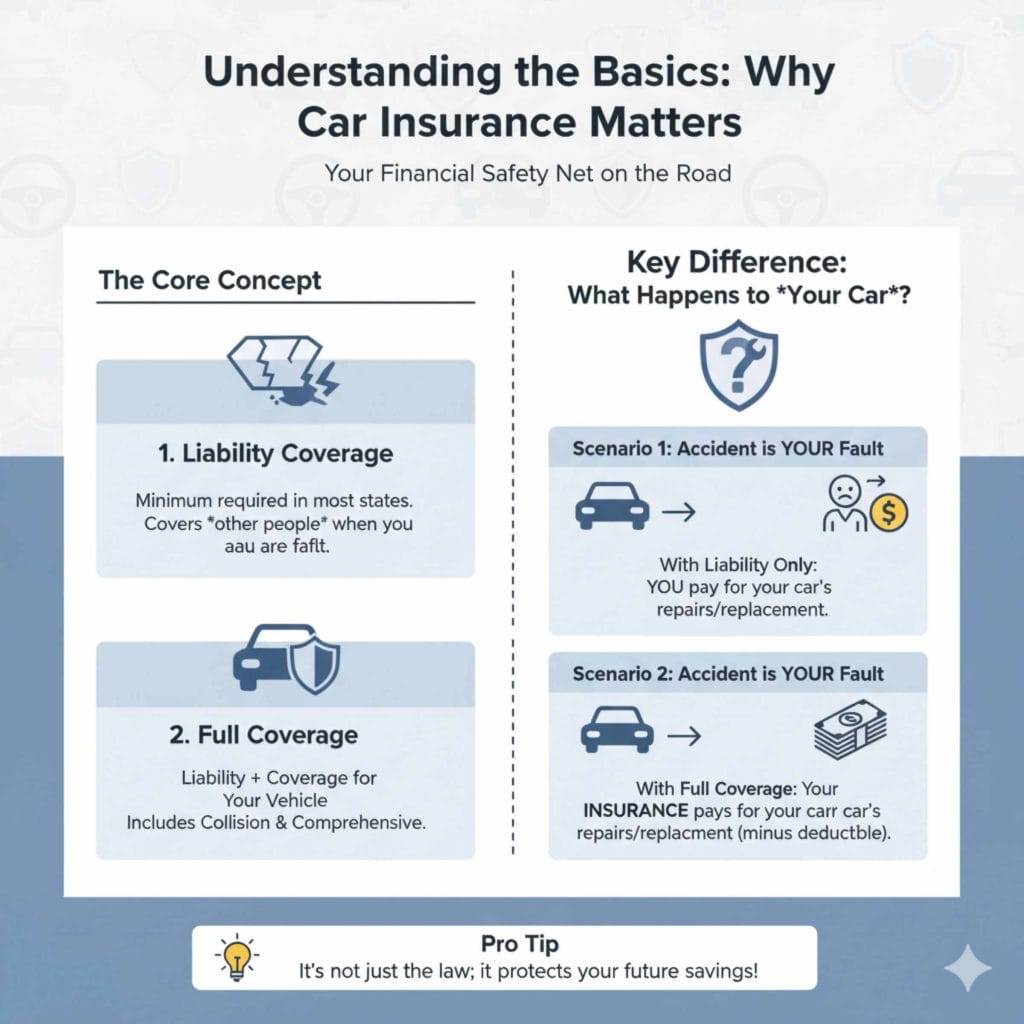
- Liability Coverage: This is the core of most legal requirements. It pays for injuries to other people (Bodily Injury) and damage to their property (Property Damage) if you are found at fault in an accident.
- Collision and Comprehensive: These protect the vehicle itself. Collision covers damage from accidents, while comprehensive covers non-collision events like theft, fire, or natural disasters.
- Medical Payments (MedPay) or Personal Injury Protection (PIP): This is the area where auto insurance mimics health insurance. It pays for medical expenses for you and your passengers following a car accident, regardless of who was at fault.
Health Insurance: Preserving the Human Body
Health insurance focuses strictly on the policyholder’s physical and mental health. It does not care about property damage or third-party liability. Its scope includes:
- Preventative Care: Routine check-ups, vaccinations, and screenings.
- Chronic Disease Management: Ongoing treatment for conditions like diabetes or hypertension.
- Emergency Services: Hospital stays and surgeries resulting from illness or non-auto accidents (e.g., falling off a ladder at home).
- Prescription Drugs: Coverage for medications required for various treatments.
Legal Mandates and Compliance in 2026
The legal requirements for maintaining these insurances differ significantly by jurisdiction and employment status.
For auto insurance, almost every state in the U.S. (and most countries globally) mandates a minimum level of liability coverage. Driving without insurance is a criminal or administrative offense that can lead to fines, license suspension, or vehicle impoundment. The logic is social responsibility: if you operate a heavy machine in public, you must be able to pay for the damage you cause to others.
Health insurance mandates have seen more fluctuation over the last decade. As of 2026, while the federal individual mandate in the U.S. carries no financial penalty at the federal level, several states have implemented their own mandates requiring residents to carry "Minimum Essential Coverage" (MEC). Furthermore, the Affordable Care Act (ACA) continues to require large employers to offer coverage to full-time employees. Unlike auto insurance, where the mandate is tied to the act of driving, health insurance mandates are generally tied to residency and income.
Financial Structures: Premiums, Deductibles, and Limits
How you pay for these policies and how they pay out varies based on the underlying risk models used by actuaries.
Premium Determinants
In auto insurance, your premium is largely based on behavioral and situational risk. Insurers look at your driving record, the type of car you drive, your age, and sometimes your credit score. If you have a history of accidents, your premiums rise because you are statistically more likely to cost the company money.
Health insurance premiums in 2026 are generally governed by community rating rules under the ACA. This means insurers cannot charge you more based on "pre-existing conditions" or your gender. The primary factors influencing health insurance premiums are your age, geographic location, tobacco use, and the level of coverage (Bronze, Silver, Gold, or Platinum) you choose.
Policy Limits
A critical difference is the "cap" on coverage. Auto insurance policies almost always have a maximum limit. For example, a policy might pay up to $50,000 for bodily injury per person. If the medical bills exceed that, the driver is personally responsible for the balance.
Health insurance operates with the opposite philosophy regarding limits. Under current regulations, there are no lifetime or annual dollar limits on essential health benefits. Instead, health insurance focuses on the Out-of-Pocket Maximum, which is the most a policyholder will have to pay in a year before the insurance company covers 100% of covered benefits.
When the Two Intersect: Medical Costs in a Vehicle Accident
The most common point of confusion occurs when a policyholder is injured in a car crash. Who pays first? This is determined by "Coordination of Benefits" rules and state laws.
In "No-Fault" states, your auto insurance’s Personal Injury Protection (PIP) is typically the primary payer. It pays your medical bills up to your policy limit immediately, regardless of who caused the accident. Once those limits are exhausted, your health insurance takes over as the secondary payer.
In "At-Fault" (Tort) states, the process is more complex. If you are injured by another driver, their liability insurance is technically responsible. However, liability claims can take months or years to settle. In the interim, you might use your own MedPay (auto) or your standard health insurance to cover immediate hospital bills. If your health insurance pays for injuries caused by someone else, they may exercise a right of subrogation, meaning they will seek reimbursement from the at-fault driver’s auto insurance settlement later.
Comparison of Core Features
| Feature | Auto Insurance | Health Insurance |
|---|---|---|
| Primary Object | Motor vehicle and third-party liability. | The human body and medical wellness. |
| Mandatory? | Yes, in almost all states to drive legally. | Variable by state; often required for employees. |
| Property Damage | Covers damage to cars, fences, and buildings. | No coverage for property damage. |
| Pre-existing Conditions | Not applicable (focus is on accident date). | Must be covered by law (ACA compliance). |
| Payout Limits | Usually capped (e.g., $50k or $100k limits). | No annual or lifetime limits on essential care. |
| Primary Pricing Factor | Driving history and vehicle type. | Age, location, and tobacco use. |
| Preventative Care | None. | Covers annual exams, vaccines, and screenings. |
Common Misconceptions and Risks
One of the most dangerous misconceptions is believing that having "full coverage" auto insurance means you don't need health insurance, or vice versa.
- "My health insurance will fix my car." This is false. Health insurance provides zero coverage for property damage. If you crash your car into a tree, your health insurance might pay for your broken arm, but it will not pay a cent toward the $10,000 in vehicle repairs.
- "My auto insurance medical coverage is enough." Auto insurance medical limits (PIP or MedPay) are often quite low—frequently between $2,500 and $10,000 unless you specifically opt for higher limits. A single night in an intensive care unit (ICU) can easily exceed $15,000. Without health insurance to act as a backstop, a car accident can lead to medical bankruptcy even if you are insured.
- "I don't need PIP because I have great health insurance." While health insurance covers the medical bills, it does not cover lost wages or essential services (like childcare or house cleaning) that you can no longer perform due to injury. PIP often includes these "lifestyle" coverages, which health insurance does not.
Operational Limitations and Exclusions
Both insurance types have specific exclusions that policyholders must understand to avoid out-of-pocket disasters.
Auto insurance exclusions typically include intentional acts (crashing your car on purpose), racing, and using your personal vehicle for commercial purposes (like delivery or ride-sharing) without a specific endorsement. In 2026, many policies also have specific clauses regarding autonomous driving modes; if a driver overrides safety protocols, coverage might be contested.
Health insurance exclusions often involve "elective" or "cosmetic" procedures. While a health plan will cover a skin graft required after a car fire, it will not cover a facelift or elective plastic surgery. Furthermore, health insurance requires you to stay within a provider network (HMO or PPO) to receive full benefits. Auto insurance, by contrast, generally pays for treatment at any licensed medical facility that treats accident victims.
Frequently Asked Questions
Does health insurance cover car accident injuries?
Yes, health insurance covers medical expenses resulting from car accidents. However, in many states, your auto insurance is considered "primary," meaning the auto policy must pay its limit first before the health insurance begins to cover the remaining balance. Health insurance will not cover vehicle repairs or liability for others.
Why is auto insurance required by law but health insurance isn't always?
The legal mandate for auto insurance is based on the potential harm you can do to others. The state requires you to have the means to pay for damages you cause to third parties. Health insurance primarily affects you. While there are societal costs to being uninsured, the legal frameworks prioritize the protection of innocent third parties in the context of motor vehicle operations.
If I am a passenger in someone else's car, which insurance applies?
Usually, the driver’s auto insurance (PIP or MedPay) is the first line of defense for passengers. If those limits are reached, your own health insurance would then become the primary source of coverage for your medical bills. If the driver was at fault, their liability coverage may also be a source of recovery for your pain and suffering.
Can I have both PIP and MedPay?
Generally, you choose one or the other based on your state's laws. PIP is more comprehensive, covering lost wages and funeral costs, and is required in no-fault states. MedPay is more limited, focusing strictly on medical bills, and is often an optional add-on in tort states to help cover health insurance deductibles.
What happens if the other driver has no insurance?
If you are hit by an uninsured driver, your own health insurance will still cover your medical bills. However, it will not cover your car's damage. For that, you would need "Uninsured Motorist Property Damage" or "Collision" coverage on your own auto policy.
Final Recommendation for 2026
To ensure full protection, you should treat auto and health insurance as complementary tools rather than substitutes. Maintain a health insurance policy that meets ACA standards to protect against catastrophic medical debt from all causes. Simultaneously, carry auto insurance that exceeds your state’s minimum requirements—specifically focusing on high liability limits and sufficient Uninsured/Underinsured Motorist coverage. In a 2026 economy where medical costs and vehicle repair technologies (like LIDAR and advanced sensors) continue to rise in price, being underinsured in either category represents a significant threat to your long-term financial stability.
Image Gallery