Understanding Federated Cloud Security in Enterprise
Federated cloud security is a strategic framework that allows enterprises to manage user identities and access rights across multiple cloud providers and on-premises systems through a single, trusted identity provider. By 2026, it has...
Federated cloud security is a strategic framework that allows enterprises to manage user identities and access rights across multiple cloud providers and on-premises systems through a single, trusted identity provider. By 2026, it has become the standard for achieving Zero Trust, enabling seamless interoperability while maintaining centralized governance over distributed digital assets.
Contents
The Evolution of Federated Security in the 2026 Enterprise
In the landscape of 2026, the term "cloud" no longer refers to a single destination but rather a complex, poly-cloud ecosystem. Most large-scale organizations now operate across three or more major cloud service providers (CSPs) while maintaining legacy edge computing and on-premises data centers. In this environment, managing security in silos is not only inefficient but creates massive vulnerabilities.
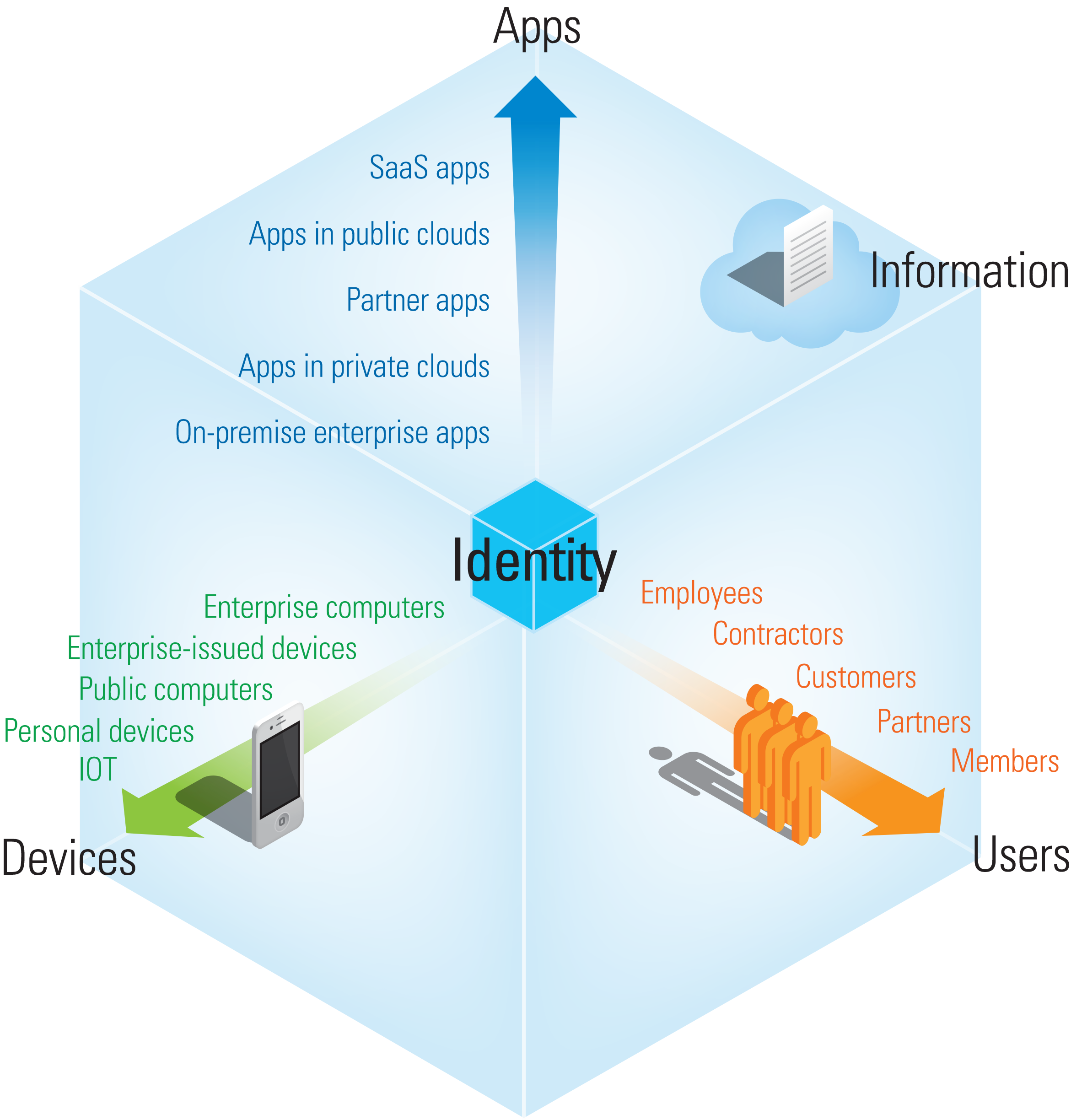
Federated cloud security addresses this by establishing a "chain of trust." Instead of a user having separate credentials for AWS, Azure, Google Cloud, and dozens of SaaS applications like Salesforce or SAP, the enterprise acts as an Identity Provider (IdP). When a user attempts to access a resource (the Service Provider or SP), the SP trusts the assertion from the IdP that the user is who they say they are and possesses the necessary permissions.
This architecture is foundational to the Zero Trust Architecture (ZTA). By 2026, the focus has shifted from "perimeter security" to "identity-based security." Federation allows security teams to enforce granular policies—such as requiring phishing-resistant multi-factor authentication (MFA)—at a single point of entry, which then propagates across the entire federated network.
Core Protocols and Technical Standards
Understanding federated security requires a deep dive into the protocols that facilitate the exchange of identity information. While technology has advanced, the industry remains anchored in a few standardized frameworks that ensure different systems can "talk" to one another.
SAML 2.0 (Security Assertion Markup Language)
Despite being several decades old, SAML 2.0 remains a staple in enterprise federated security. It uses XML-based tokens to communicate between the IdP and the SP. In an enterprise setting, SAML is preferred for its robustness in handling complex attribute mapping, which is essential when a service provider needs to know not just "who" the user is, but also their department, clear level, and specific roles within the organization.
OpenID Connect (OIDC) and OAuth 2.0
While SAML dominates the traditional enterprise space, OpenID Connect (OIDC), built on top of the OAuth 2.0 framework, has become the preferred protocol for modern, mobile, and API-driven cloud environments. OIDC uses JSON Web Tokens (JWT), which are lighter and easier for developers to implement than XML. By 2026, the integration of OIDC with specialized "Identity Orchestration" platforms has allowed enterprises to bridge the gap between legacy web apps and modern microservices.
SCIM (System for Cross-domain Identity Management)
Identity is not just about authentication; it is about provisioning. SCIM is a protocol used to automate the exchange of user identity information between IT systems. In a federated setup, SCIM ensures that when an employee is offboarded from the central HR system, their access is immediately revoked across all federated cloud services, effectively closing "orphaned account" security gaps.
Strategic Benefits of a Federated Approach
The move toward federated security is driven by more than just a desire for technical elegance; it is a business necessity for operational resilience and risk management.
1. Reduced Identity Sprawl and Attack Surface
Without federation, users often resort to "password cycling" or using the same credentials across multiple platforms. This creates a massive attack surface where a single breach in a low-security SaaS tool could lead to a compromise of the core enterprise network. Federation eliminates this by centralizing credentials. If an identity is compromised, the enterprise can revoke access globally in seconds.
2. Enhanced User Experience and Productivity
The "friction" of multiple logins is a hidden cost to enterprise productivity. Federated security enables Single Sign-On (SSO), allowing employees to move between the cloud-native ERP, the project management suite, and the data warehouse without re-authenticating. In 2026, this is typically paired with Conditional Access, where the system only prompts for a re-challenge if it detects a change in context, such as an unusual IP address or an unrecognized device.
3. Accelerated Mergers and Acquisitions (M&A)
One of the most complex tasks in an enterprise merger is the integration of IT systems. Federated security allows the parent company to establish a trust relationship with the acquired company’s IdP. This provides immediate access to shared resources without the months-long process of migrating thousands of user accounts into a single directory.
Challenges in Implementing Federated Cloud Security
While the benefits are significant, the "Understanding Federated Cloud Security in Enterprise" journey is often met with substantial technical and governance hurdles.
Attribute Mapping and Normalization
Every cloud provider has its own way of defining user roles. One provider might use "Admin," while another uses "SuperUser." When federating, the enterprise must map its internal directory attributes to the specific requirements of each service provider. Failure to normalize these attributes can result in "privilege creep," where users inadvertently gain more access than they require.
The Single Point of Failure (SPoF) Risk
By centralizing identity, the IdP becomes the "keys to the kingdom." If the primary IdP (such as Microsoft Entra ID or Okta) goes down or is compromised, the entire enterprise loses access to its cloud resources. Enterprises in 2026 mitigate this through IdP Redundancy and the use of break-glass accounts—highly secured, non-federated credentials stored in hardware security modules (HSMs).
Legacy System Incompatibility
Many "mission-critical" enterprise applications were built before modern federation protocols existed. Integrating these "non-web-aware" applications into a federated security model often requires the use of Identity Proxies or custom-coded wrappers, which can add latency and complexity to the infrastructure.
Comparison of Federated Identity Standards
| Feature | SAML 2.0 | OpenID Connect (OIDC) | SCIM |
|---|---|---|---|
| Primary Purpose | Authentication & Authorization | Authentication (Identity Layer) | User Provisioning |
| Data Format | XML | JSON / JWT | JSON / REST |
| Best Use Case | Enterprise Web Applications | Mobile Apps & Modern APIs | Synchronizing User Directories |
| Complexity | High (Heavyweight) | Moderate (Lightweight) | Low to Moderate |
| Transport | Browser-based Redirects | RESTful API / HTTP | RESTful API |
The Shared Responsibility Model in Federation
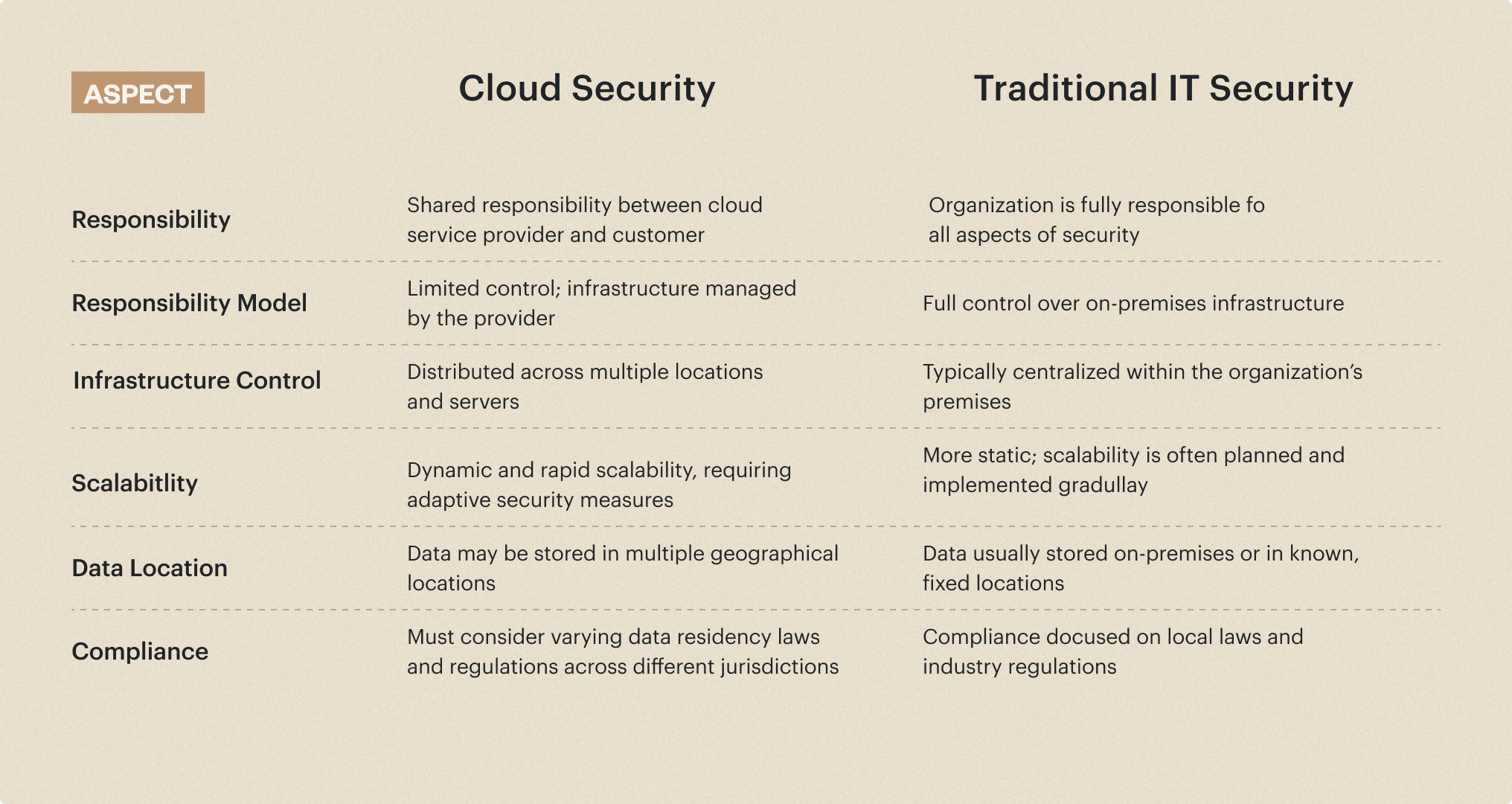
A common misconception in 2026 is that the cloud provider is responsible for federated security. In reality, security follows a Shared Responsibility Model.
- The Cloud Provider (Service Provider): Responsible for the security of the cloud infrastructure and ensuring their "hook" into the federation protocol is secure and compliant with standards like SOC 2 Type II.
- The Enterprise (Identity Provider): Responsible for the security in the cloud. This includes the integrity of the user directory, the strength of the MFA methods used, and the accuracy of the attribute assertions sent to the cloud provider.
According to the NIST Digital Identity Guidelines (SP 800-63C), the enterprise must ensure that the "Assertion" sent to the cloud provider is cryptographically signed and, in many cases, encrypted to prevent "man-in-the-middle" attacks during the federation process.
Security Considerations and Threat Vectors
Even with a robust federated model, sophisticated threat actors have developed methods to bypass these controls. Understanding these risks is critical for any enterprise security architect.
Token Theft and Replay Attacks
In a federated environment, once a user is authenticated, they receive a "token." If an attacker can steal this token (often via session hijacking or malware on the endpoint), they can "replay" it to the service provider, gaining access without ever knowing the user's password or having the MFA device. In 2026, enterprises combat this with Token Binding, which cryptographically ties the token to the specific hardware device that requested it.
Misconfiguration of Trust Relationships
Federation relies on a "Trust Anchor." If the configuration on either side of the trust relationship is too broad, it can lead to unauthorized access. For example, if a service provider is configured to trust any assertion from an IdP without checking the specific "Audience Restriction," an attacker could use a token intended for one application to access another, more sensitive one.
A 2026 Roadmap for Federated Security Implementation
For enterprises looking to modernize their federated security posture, the following steps are recommended:
- Identity Cleanup: Before federating, audit the internal Active Directory or LDAP. Remove stale accounts and standardize user attributes.
- Protocol Selection: Default to OIDC/OAuth 2.0 for all new cloud-native applications, reserving SAML 2.0 only for legacy enterprise systems.
- Implement an Identity Orchestration Layer: Use a layer that can abstract the differences between various IdPs and SPs, allowing for consistent policy enforcement across multi-cloud environments.
- Enforce Phishing-Resistant MFA: By 2026, standard SMS or App-based TOTP (Time-based One-Time Password) is no longer sufficient for high-value federated access. Move toward FIDO2/WebAuthn standards.
- Continuous Monitoring: Use Security Information and Event Management (SIEM) tools to monitor "impossible travel" or "token anomalies" across the federated network.
Frequently Asked Questions
What is the difference between SSO and Federated Identity?
Single Sign-On (SSO) is a technical capability that allows a user to log in once to access multiple applications within a single domain or organization. Federated Identity is the underlying trust framework that allows this identity to be shared across different organizations or security domains, such as between an enterprise and its cloud providers.
Does federated security eliminate the need for local passwords?
Yes, in a mature federated environment, the service provider (the cloud app) never sees or stores the user's password. This significantly reduces the risk because a data breach at the service provider level does not expose user credentials. By 2026, many enterprises have moved to completely passwordless federation.
How does "Identity Sprawl" affect federated security?
Identity sprawl occurs when users have multiple identities across various cloud platforms that are not linked. Federated security solves this by centralizing identity management, ensuring there is a "Single Source of Truth" for every user, which simplifies auditing and improves security.
Can I federate with external partners or vendors?
Absolutely. This is often called B2B Federation. It allows your partners to access your shared resources using their own corporate credentials. This shifts the burden of credential management and MFA to the partner organization, while you maintain control over which of your resources they can access.
Is federated security compliant with GDPR and other privacy laws?
Federated security actually aids in compliance. By using protocols like OIDC, an enterprise can use "Claims-based Identity," where the IdP only sends the minimum amount of data (the claim) required by the SP. This follows the principle of "Data Minimization" outlined in the General Data Protection Regulation (GDPR).
Practical Recommendation
Enterprises should prioritize the implementation of Conditional Access Policies within their federated framework. As we move through 2026, simply verifying "who" a user is is no longer enough. Security teams must verify the context of the access—checking device health, geographical location, and behavioral patterns—before the IdP issues an identity assertion to a cloud service. This "Continuous Authentication" model ensures that even if a session is hijacked, the risk to the enterprise remains contained.
Image Gallery