The Cast of House of Villains Explained: A Deep Dive into Reality TV’s Most Infamous Competitors
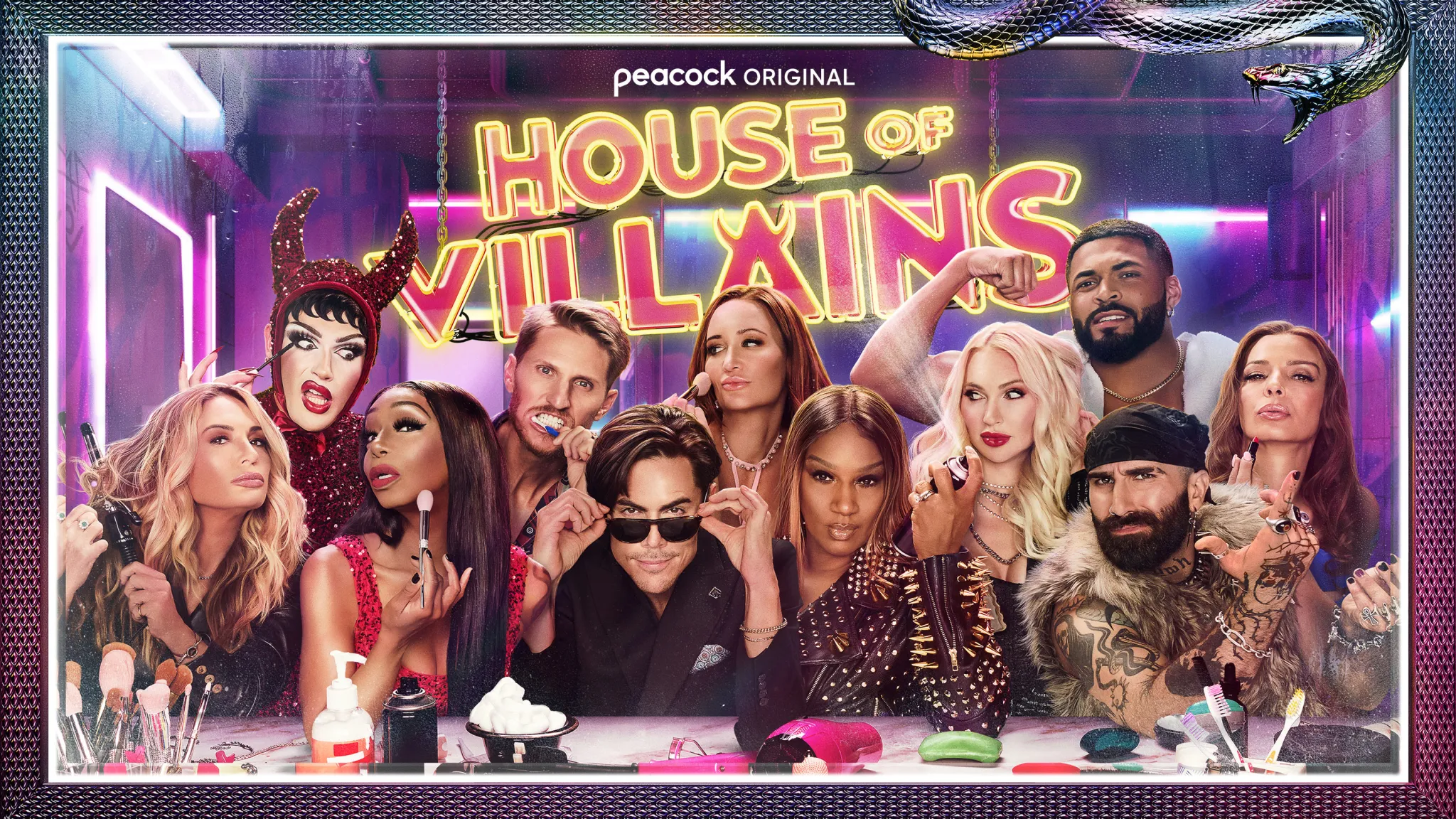
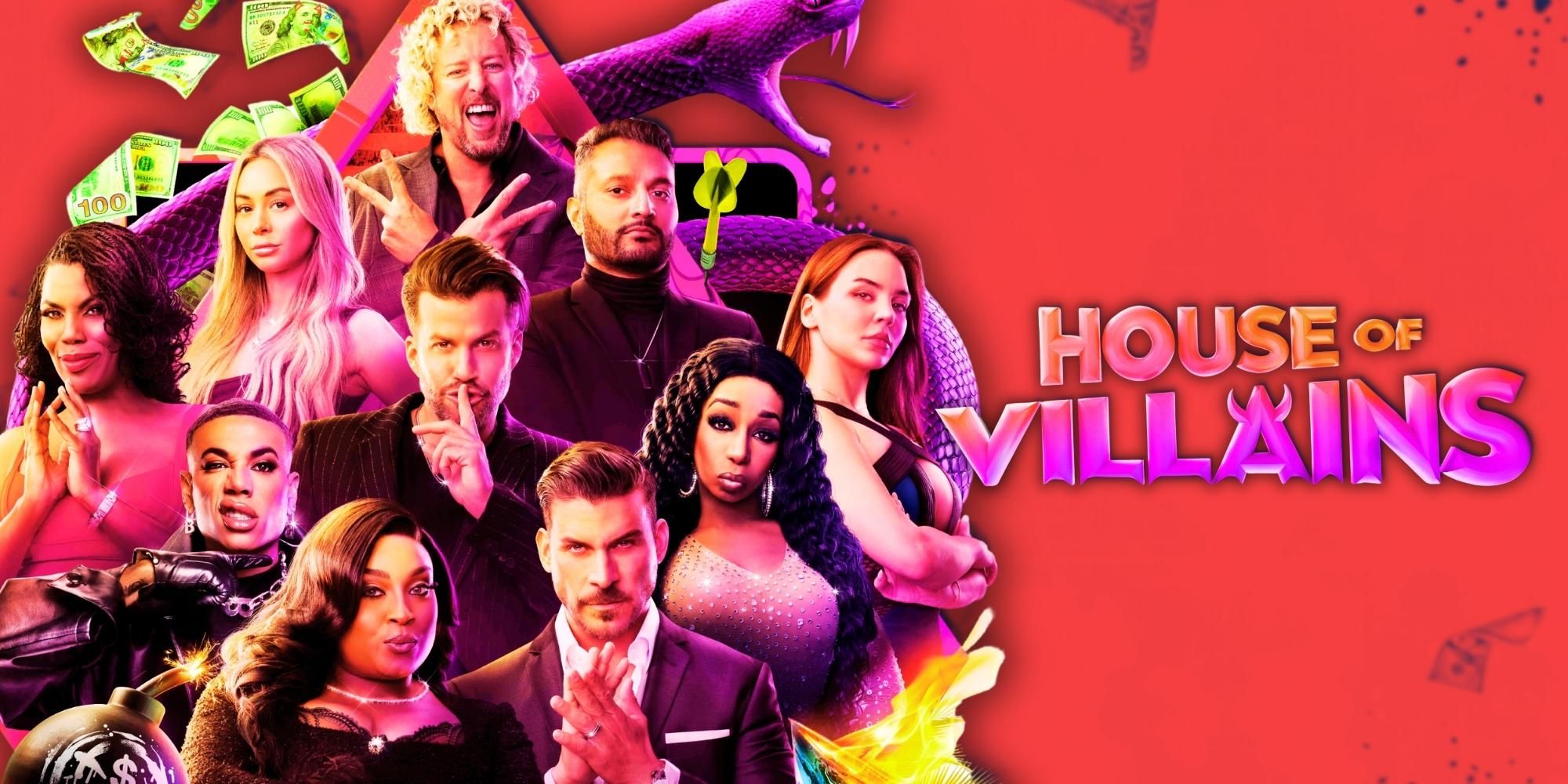
The cast of House of Villains consists of iconic "bad guys" and notorious antagonists from across the reality television spectrum, including franchises like The Bachelor, Survivor, The Challenge, and The Apprentice. These individuals a...
The cast of House of Villains consists of iconic "bad guys" and notorious antagonists from across the reality television spectrum, including franchises like The Bachelor, Survivor, The Challenge, and The Apprentice. These individuals are selected for their historical willingness to prioritize strategy, chaos, or personal gain over likability, competing in a central manor for a $200,000 grand prize.
Contents
Since its debut on E! Network, House of Villains has redefined the "all-star" format by leaning into the tropes of reality TV infamy. By bringing together the most polarizing figures from different networks and eras, the show creates a unique social experiment where the primary goal is to out-manipulate the master manipulators. As we look at the franchise in 2026, the evolution of its cast reveals much about the shifting nature of celebrity and the enduring appeal of the "villain" archetype.
The Concept: What Defines a "House of Villains" Cast Member?
To understand the cast, one must first understand the criteria for entry. Not every reality TV participant qualifies as a "villain." The casting directors specifically target individuals who have fundamentally altered the course of their original shows through controversial actions. These actions generally fall into three categories:
- The Strategic Masterminds: Players like Johnny Bananas or Richard Hatch, who treat reality TV as a high-stakes chess match, often betraying allies to secure a win.
- The Chaos Agents: Individuals like Jax Taylor or Tiffany "New York" Pollard, whose primary contribution is unpredictability, verbal fireworks, and a refusal to adhere to social norms.
- The Social Pariahs: Contestants who became infamous due to specific incidents or perceived personality flaws that made them targets of public backlash, such as Shake Chatterjee or Victoria Larson.
In the environment of the "Battle Royale," these various styles of "villainy" clash, forcing the cast to decide whether they will stick to the personas that made them famous or adapt their gameplay to survive a house full of people who already know their tricks.
Season 1 Cast: The Foundations of Infamy
The inaugural season of House of Villains set a high bar by casting legends of the genre. This group represented the "Mount Rushmore" of reality TV antagonists.
The Heavy Hitters
- Johnny Bananas (The Challenge): Known for his record-breaking wins on MTV, Bananas entered the house as the gold standard for physical and mental gameplay. His "villainy" is rooted in his willingness to take the money and run—literally—most notably in the Rivals III finale.
- Omarosa Manigault Newman (The Apprentice): Perhaps the most formidable political strategist in the cast, Omarosa brought a level of corporate ice and calculated speech that intimidated younger reality stars. Her history in both reality TV and the White House made her a unique threat.
- Tiffany "New York" Pollard (Flavor of Love): The "HBIC" (Head Bitch in Charge) provided the show’s most viral moments. Her brand of villainy is theatrical and linguistic, utilizing sharp wit and iconic insults to dominate the social hierarchy.
The Wildcards
- Jax Taylor (Vanderpump Rules): Jax represented the messy, interpersonal drama of Bravo. His reputation for dishonesty and impulse control issues made him a liability in a house built on alliances.
- Jonny Fairplay (Survivor): Fairplay is famous for the "Dead Grandmother Lie," a move widely considered the birth of modern reality TV villainy. In House of Villains, he attempted to lean into his legacy as a pioneer of the craft.
- Shake Chatterjee (Love is Blind): Unlike the others, Shake's villainy was contemporary and rooted in the "dating show" subgenre. His bluntness and controversial views on physical attraction made him an immediate outsider.
The Competitors
- Tanisha Thomas (Bad Girls Club): Known for her "pots and pans" wake-up calls, Tanisha brought high-volume energy.
- Anfisa Arkhipchenko (90 Day Fiancé): Anfisa’s stoic, no-nonsense approach provided a stark contrast to the louder personalities.
- Corinne Olympios (The Bachelor): A master of "leaning into the edit," Corinne used her perceived "spoiled" persona as a defensive tool.
- Bobby Lytes (Love & Hip Hop: Miami): Bobby brought a flair for the dramatic and a sharp tongue, ensuring he was never ignored in the house dynamics.
Season 2 Cast: The Legend Continues
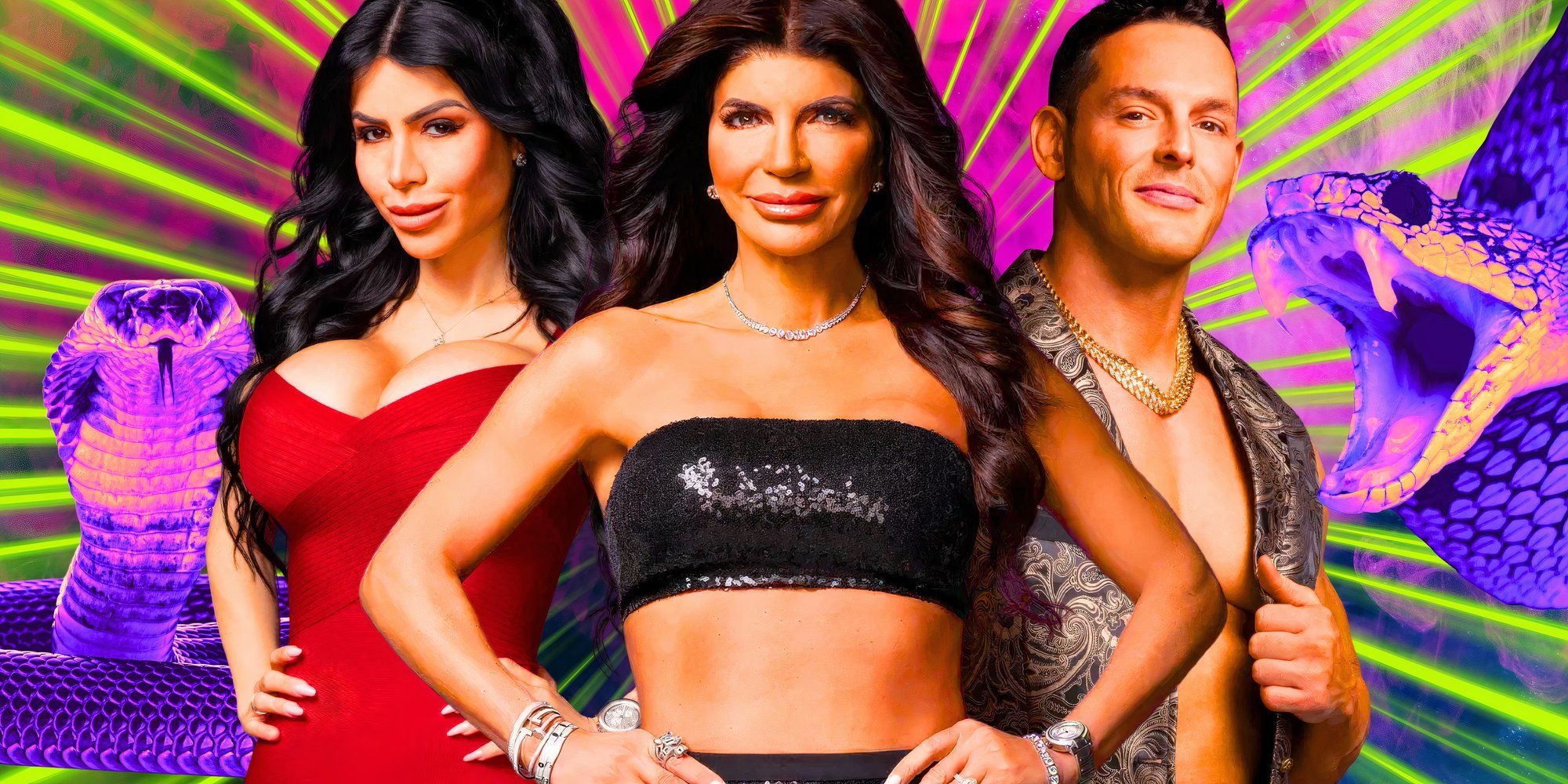
Building on the success of the first outing, Season 2 expanded the scope, bringing in veterans from even older franchises and international versions of popular shows.
- Richard Hatch (Survivor): The man who started it all. As the winner of Survivor Season 1, Hatch’s inclusion was a nod to the origins of the genre. His approach was analytical and often detached.
- Teresa Giudice (The Real Housewives of New Jersey): A Bravo titan, Giudice brought "table-flipping" energy to the house. Her villainy is often perceived as a fierce, albeit sometimes misplaced, loyalty to "family" and personal honor.
- Wes Bergmann (The Challenge): A long-term rival of Johnny Bananas, Wes brought a highly technical, "over-producer" style of gameplay.
- Safaree Samuels (Love & Hip Hop): Safaree added a layer of celebrity ego and fashion-forward drama, often finding himself at odds with the more rugged competitors.
- Victoria Larson (The Bachelor): "Queen Victoria" reprised her role as the misunderstood antagonist, using her royal persona to irritate her housemates.
Comparative Overview of Notable Cast Members
The following table summarizes the primary background and "villainous trait" of key figures across the first two seasons of the show.
| Cast Member | Original Franchise | Primary Villainous Trait | Strategy Style |
|---|---|---|---|
| Johnny Bananas | The Challenge | Ruthless Betrayal | Athletic & Social |
| Omarosa | The Apprentice | Cold Manipulation | Intellectual/Political |
| Tiffany Pollard | Flavor of Love | Verbal Dominance | Theatrical |
| Richard Hatch | Survivor | Strategic Arrogance | Analytical |
| Teresa Giudice | Real Housewives | Explosive Temper | Emotional/Loyalty-based |
| Jonny Fairplay | Survivor | Deception (The Big Lie) | Opportunistic |
| Anfisa Arkhipchenko | 90 Day Fiancé | Blunt Indifference | Stoic/Physical |
| Shake Chatterjee | Love is Blind | Social Abrasiveness | Defensive/Controversial |
The Return of the HBIC: Tiffany Pollard’s Impact
One of the most significant developments in the history of the House of Villains cast is the recurring presence of Tiffany "New York" Pollard. In the reality TV ecosystem of 2026, Pollard is viewed not just as a contestant, but as a cornerstone of the genre.
Her role in the cast is unique because she bridges the gap between pure entertainment and competitive strategy. While she often appears to be focused on "making good TV" through her monologues and confrontations, she possesses a keen understanding of house morale. Her return in Season 2 solidified the idea that certain villains are "franchise players" who are essential to the show’s DNA.
Strategic Gameplay vs. Personality Conflicts
The cast of House of Villains is essentially split into two camps: those playing a game and those living a reality.
The Gamers
This group, led by the likes of Johnny Bananas and Wes Bergmann, views the cast as obstacles to be cleared. They focus on the "Battle Royale" challenges, which grant the winner the power to nominate three villains for the "Hit List." Their strategy often involves forming "sub-alliances" to ensure they are never the primary target.
The Personalities
In contrast, members like Bobby Lytes or Tanisha Thomas tend to focus on the social atmosphere of the house. For them, villainy is an expression of personality. This often leads to "Super-Villain" showdowns where the competition is forgotten in favor of personal vendettas. The friction between these two groups is what drives the show's narrative forward.
Why the "Villain" Archetype Resonates in 2026
As of 2026, the fascination with reality TV villains has shifted from genuine dislike to a form of "anti-hero" appreciation. Audiences have become more savvy regarding "the edit" (the way producers stitch together footage to create a narrative).
The House of Villains cast is successful because it allows these individuals to be "in on the joke." They are no longer the "bad guys" in a house of "good guys"; they are professionals in a specialized field. This transparency has turned former outcasts into cult icons, proving that in the modern media landscape, being memorable is more valuable than being liked.
Frequently Asked Questions
Who won the first season of House of Villains?
Tanisha Thomas emerged as the winner of the inaugural season. Despite the heavy competition from seasoned strategists like Johnny Bananas and Omarosa, Tanisha’s ability to manage her "threat level" and maintain strong social bonds allowed her to secure the final vote from her peers.
How are the cast members selected?
Producers look for "narrative impact." A cast member is typically chosen if they were a "main character" of their original show’s conflict. According to E! Online, the goal is to balance different types of villainy—from the aggressive to the cerebral—to ensure constant friction in the house.
Is the show scripted?
While the challenges and elimination format are strictly regulated, the interactions between the cast are not scripted. However, cast members are aware of their "villain" roles and often perform for the cameras to ensure they remain central to the season's storyline.
Are there any "heroes" in the House of Villains cast?
Generally, no. The show’s premise is that everyone has "earned" their spot through questionable behavior. However, "hero" arcs often emerge when a villain is forced to stand up against a more "evil" competitor, or when they show vulnerability, such as Jax Taylor’s attempts at self-reflection in Season 1.
Can a cast member be removed for their behavior?
Yes. Like all modern reality productions, House of Villains operates under a code of conduct. While verbal sparring and strategic backstabbing are encouraged, physical violence or prohibited discriminatory language can lead to immediate removal, a boundary that has been tested in various high-pressure reality environments.
Final Recommendation for Viewers
If you are looking to understand the complex dynamics of the House of Villains cast, start by watching the "Origin Episodes" of the key players—specifically The Apprentice Season 1 for Omarosa and Survivor: Pearl Islands for Jonny Fairplay. Understanding their history makes the meta-commentary and inside jokes of House of Villains far more rewarding. For those interested in the evolution of the genre, this show serves as a masterclass in how "villainy" is constructed and sold to a modern audience.
Image Gallery