Comprehensive Guide to the Steps in a Relationship Dating Journey
The steps in a relationship dating journey involve a natural progression from initial attraction and infatuation to deep emotional intimacy and long-term commitment. This journey typically transitions through phases of idealization, re...
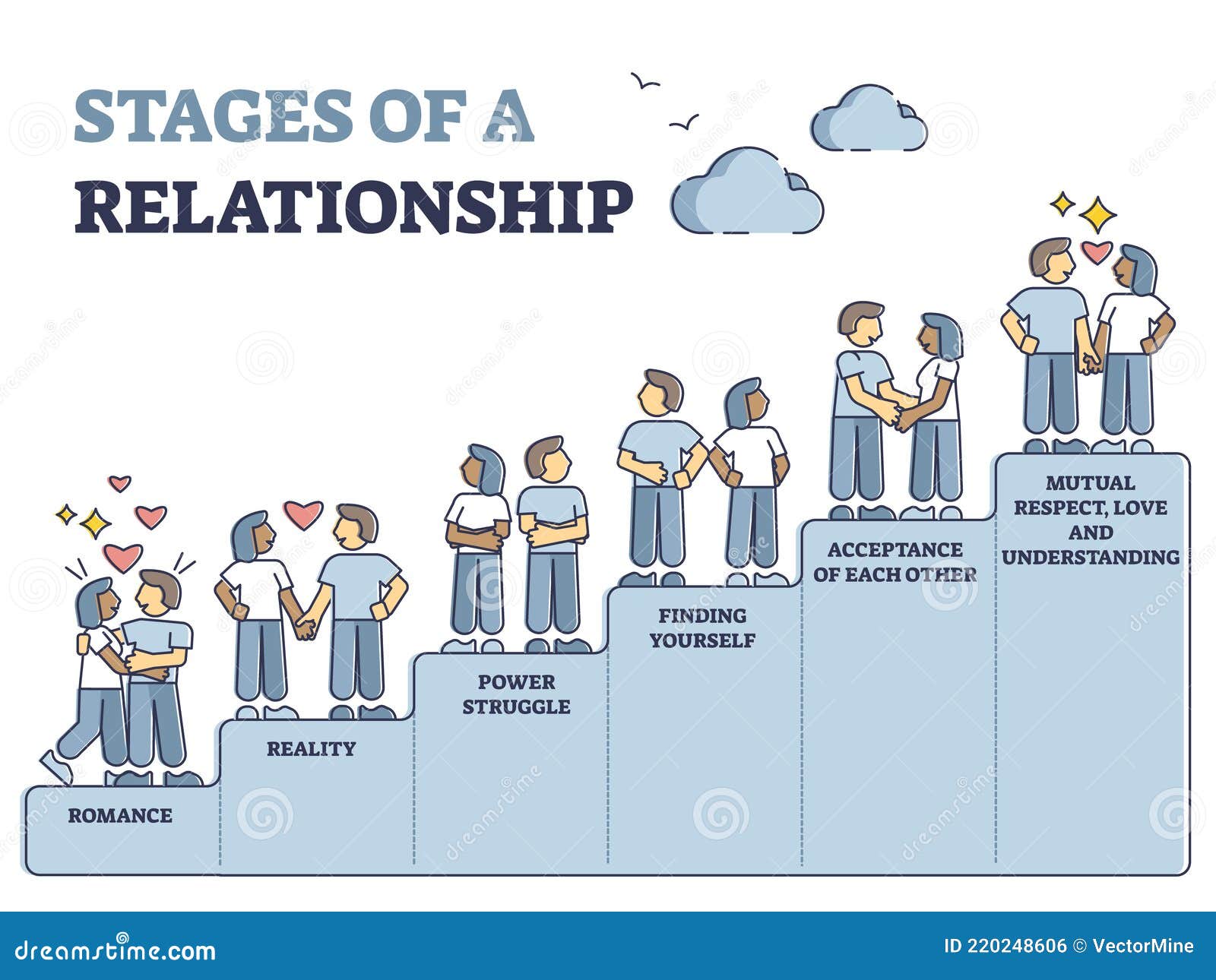
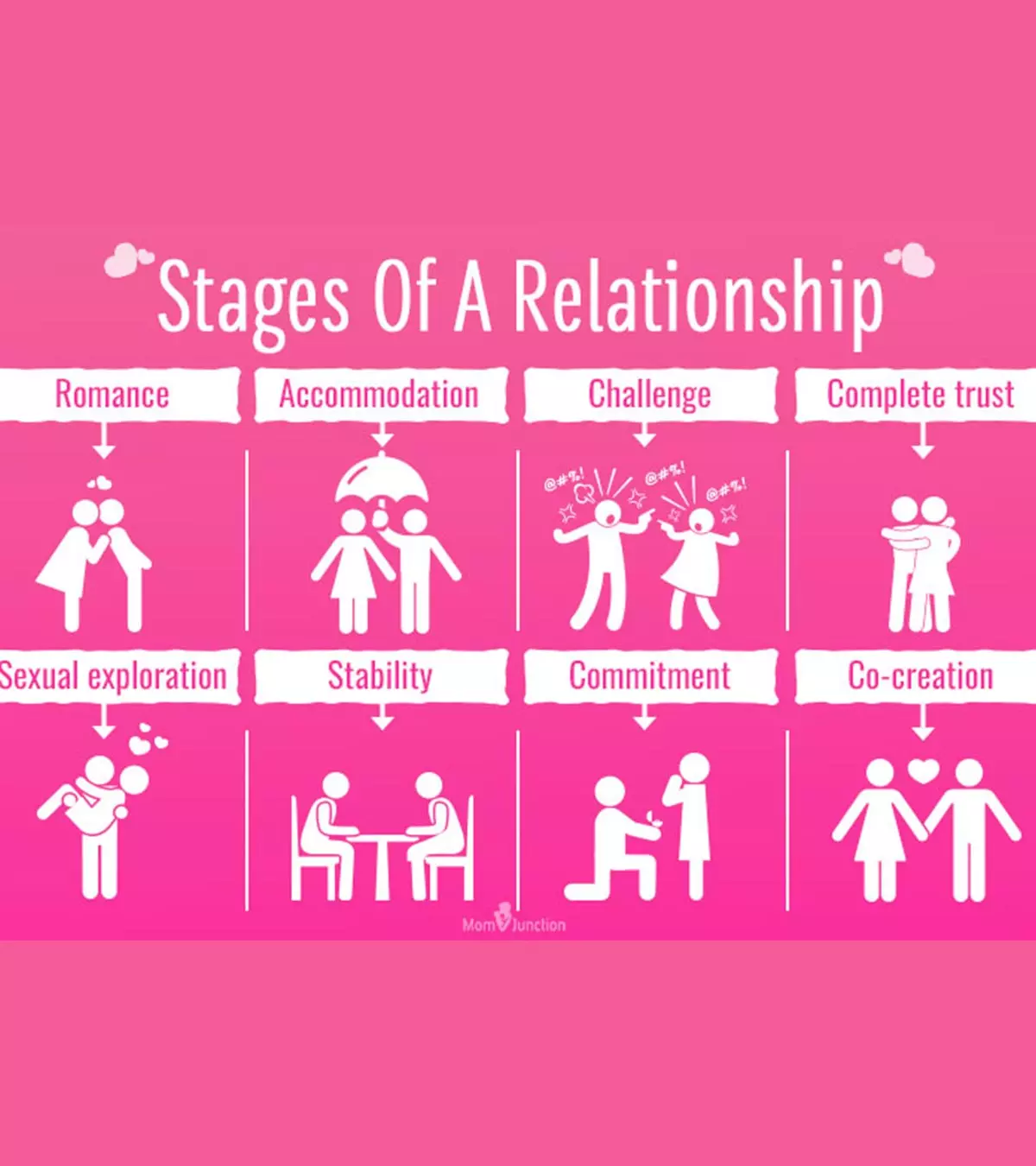
The steps in a relationship dating journey involve a natural progression from initial attraction and infatuation to deep emotional intimacy and long-term commitment. This journey typically transitions through phases of idealization, reality-testing, conflict resolution, and finally, the establishment of a stable, shared life between two compatible partners.
Contents
Understanding the trajectory of a modern relationship is essential for navigating the complexities of human connection. While every couple moves at a different pace, psychological models—such as those developed by Dr. Mark Knapp and the Gottman Institute—suggest that relationships generally follow a structured path. Recognizing these stages helps individuals manage expectations, overcome common obstacles, and build a foundation for lasting success. As of 2026, the dating landscape continues to balance digital convenience with the timeless human need for authentic bonding.
Stage 1: The Initial Attraction and Infatuation
The dating journey begins with the attraction and infatuation phase, often referred to as the "Honeymoon Phase" or "New Relationship Energy" (NRE). This stage is characterized by intense physical attraction, a constant desire to be near the other person, and a tendency to overlook potential red flags. During this period, the brain releases a potent cocktail of chemicals, including dopamine, oxytocin, and norepinephrine, which create feelings of euphoria and obsessive focus on the partner.
In this initial step, communication is usually light, flirtatious, and focused on finding common ground. Partners are on their "best behavior," presenting the most idealized versions of themselves. The primary objective is to establish a connection and determine if there is enough chemistry to move forward. While this stage is exhilarating, it is also the period where judgment is most clouded. Experts suggest that this phase can last anywhere from three months to two years, though in the fast-paced dating world of 2026, many couples begin to transition to the next stage after the first 90 days of consistent interaction.
Stage 2: The Discovery and Reality Phase
As the initial chemical surge begins to level off, the relationship enters the discovery or reality phase. This is the first critical "step-up" in the dating journey where the focus shifts from pure chemistry to compatibility. The "veil of perfection" begins to lift, and partners start to notice each other’s flaws, quirks, and differing habits. This is a natural and healthy progression, as it signals the transition from loving an idealized image to loving a real person.
During this stage, the "we" focus of the honeymoon phase begins to integrate back with the "I" focus. Individuals start to reclaim their independent interests and social circles. This phase tests the couple's ability to communicate about minor inconveniences and differences in lifestyle. Key milestones in this stage include:
- The first disagreement: Moving past the "everything is perfect" facade.
- Sharing personal history: Discussing past relationships, family dynamics, and core values.
- Observing reactions: Seeing how the partner handles stress, frustration, or minor failures.
The reality phase is where many "situationships" or casual dating arrangements end. If the differences discovered are irreconcilable or if the "spark" was purely physical, the journey often concludes here.
Stage 3: The Power Struggle and Conflict Resolution
The power struggle is perhaps the most difficult step in the relationship dating journey. It is the phase where the differences noticed in the reality stage become points of friction. This stage often feels like a step backward because the harmony of the early days is replaced by negotiation and, occasionally, conflict. However, psychologists view the power struggle as the "birthplace of intimacy."
In 2026, dating experts emphasize that the goal of this stage is not to win arguments but to establish healthy boundaries and conflict-resolution patterns. This is where couples learn how to argue effectively—moving away from criticism and defensiveness toward empathy and compromise. The core challenge is learning to accept the partner as they are, rather than trying to change them into a preferred mold.
Successful navigation of this stage requires:
- Emotional Regulation: Managing one's own triggers during heated moments.
- Active Listening: Seeking to understand the partner's perspective before defending one's own.
- Vulnerability: Admitting fears and needs rather than masking them with anger.
Couples who survive the power struggle emerge with a deeper level of trust and the knowledge that their relationship can withstand external and internal pressures.
Stage 4: Stability and Integration
Once a couple has established how to handle conflict and accept one another’s individuality, they enter the stability phase. In this step, the relationship feels secure, predictable, and comfortable. The anxiety of "will they call?" or "do they really like me?" is replaced by a sense of "we are a team."
Integration involves weaving the two lives together more formally. This often includes:
- Meeting the inner circle: Introducing the partner to family and long-term friends.
- Shared routines: Developing "rituals of connection," such as weekly date nights or shared morning habits.
- Financial and logistical transparency: Beginning to discuss budgets, career goals, and future living arrangements.
While the stability phase is rewarding, the primary risk here is complacency. Because the relationship feels safe, partners may stop putting in the effort that characterized the earlier stages. Maintaining the dating journey requires a conscious effort to keep the romance alive even when the "chase" is over.
Stage 5: Commitment and Partnership
The final primary step in the dating journey is the commitment or partnership phase. This is where the couple makes a conscious, long-term decision to build a life together. Commitment is more than just a feeling; it is a daily choice to prioritize the relationship. In 2026, this stage can take many forms, from traditional marriage to domestic partnerships or long-term cohabitation agreements.
This stage is defined by "The Big Conversations" regarding the future:
- Children and Parenting: Aligning on if, when, and how to raise a family.
- Long-term Financial Planning: Managing debt, investments, and retirement goals.
- Life Vision: Deciding where to live and how to support each other’s career aspirations.
In this phase, the couple moves from "dating" to "life partners." The focus shifts from the internal workings of the relationship to how the couple interacts with the world as a unit. They become each other's primary support system, navigating life's challenges—such as illness, loss, or career changes—together.
Comparison of Relationship Journey Stages
The following table summarizes the key characteristics of each stage to help you identify where your current relationship stands.
| Stage | Primary Focus | Key Challenge | Psychological State |
|---|---|---|---|
| Infatuation | Chemistry & Attraction | Overlooking red flags | Euphoria (Dopamine-driven) |
| Reality | Compatibility | Acceptance of flaws | Awakening & Evaluation |
| Power Struggle | Boundaries & Control | Resolving core conflicts | Tension & Vulnerability |
| Stability | Security & Routine | Avoiding complacency | Comfort & Trust |
| Commitment | Future & Partnership | Shared life planning | Deep Intimacy & Loyalty |
Essential Communication Strategies for the Journey
Regardless of the stage, communication is the engine that drives the dating journey forward. In the early stages, communication should be about exploration. This involves asking open-ended questions and practicing "active curiosity." Instead of just sharing facts, partners should share the "why" behind their beliefs and actions.
As the relationship moves into the Power Struggle and Stability phases, communication must evolve into collaboration. This requires moving away from "You" statements ("You always forget the dishes") and toward "I" statements ("I feel overwhelmed when the kitchen is messy"). This subtle shift reduces defensiveness and invites the partner to be a problem-solver rather than an adversary.
Finally, in the Commitment stage, communication centers on vision-casting. This involves discussing the "legacy" of the relationship. Partners should regularly check in to ensure they are still moving toward the same North Star. Experts recommend an "annual relationship review" to discuss what went well over the year and what needs adjustment for the year ahead.
Common Pitfalls in the Dating Journey
Even the most promising relationships can stall if certain pitfalls are not addressed. One of the most frequent mistakes is rushing the stages. Attempting to force commitment during the infatuation phase often leads to a "crash" when reality sets in. Conversely, staying in the power struggle stage for years without resolution can lead to resentment and emotional burnout.
Another pitfall is comparative dating. In the age of social media, it is easy to compare one's internal relationship struggles with the external "highlight reels" of other couples. This creates unrealistic expectations and dissatisfaction. Every relationship journey is unique; some couples may reach commitment in a year, while others may take five.
Lastly, failing to maintain individual identity can stifle a relationship. The most successful journeys are those where two whole individuals choose to walk together, rather than two "halves" trying to find completion in one another. Maintaining separate hobbies, friendships, and goals actually strengthens the bond by bringing fresh energy and perspectives back into the partnership.
Frequently Asked Questions
How long does it typically take to go through all the stages? The timeline varies significantly based on age, life experience, and circumstances. On average, moving from initial attraction to a stable commitment takes between one and three years. However, some couples who live in close proximity or face significant life events together may progress faster, while long-distance couples may take longer.
Is it possible to skip the power struggle phase? No, the power struggle is a necessary part of relational growth. Skipping it usually means one or both partners are suppressing their needs to maintain peace (fawning). This eventually leads to a "delayed" power struggle that is often more explosive or leads to a sudden breakup later in the relationship.
Can a relationship move backward through the stages? Yes. Major life stressors—such as a job loss, infidelity, or a health crisis—can push a stable couple back into the power struggle phase. When this happens, the couple must re-negotiate their boundaries and rebuild trust using the communication skills they learned earlier in the journey.
What is the "DTR" talk and when should it happen? "DTR" stands for "Define The Relationship." This conversation usually happens at the end of the Reality phase or the beginning of the Stability phase. It is the moment when partners discuss exclusivity and labels (e.g., boyfriend, girlfriend, partner). It should happen when both individuals feel a desire for clarity and have seen enough of the other person to want to stop dating others.
How do I know if I'm stuck in the wrong stage? If you find yourself repeating the same arguments for months without resolution, you may be stuck in the Power Struggle phase. If you feel bored and disconnected despite a lack of conflict, you may be experiencing the complacency trap of the Stability phase. Identifying the stage allows you to apply the specific tools needed to move forward.
What if my partner and I are in different stages? This is a common "mismatch" where one partner is ready for commitment while the other is still in the discovery or power struggle phase. The key is honest dialogue. Forcing a partner into a stage they aren't ready for often leads to withdrawal. Establishing a "check-in" timeline can help align expectations without applying undue pressure.
Final Recommendation: As you navigate your dating journey in 2026, prioritize emotional intelligence and patience. Do not rush the transition between stages; each phase serves a vital purpose in testing and tempering your bond. If you find yourself unable to move past the Power Struggle phase, consider seeking a relationship coach or therapist to help develop the necessary tools for healthy integration and long-term partnership.
Image Gallery