Why the Francis Ford Coppola Apocalypse Now Still Matters in 2026
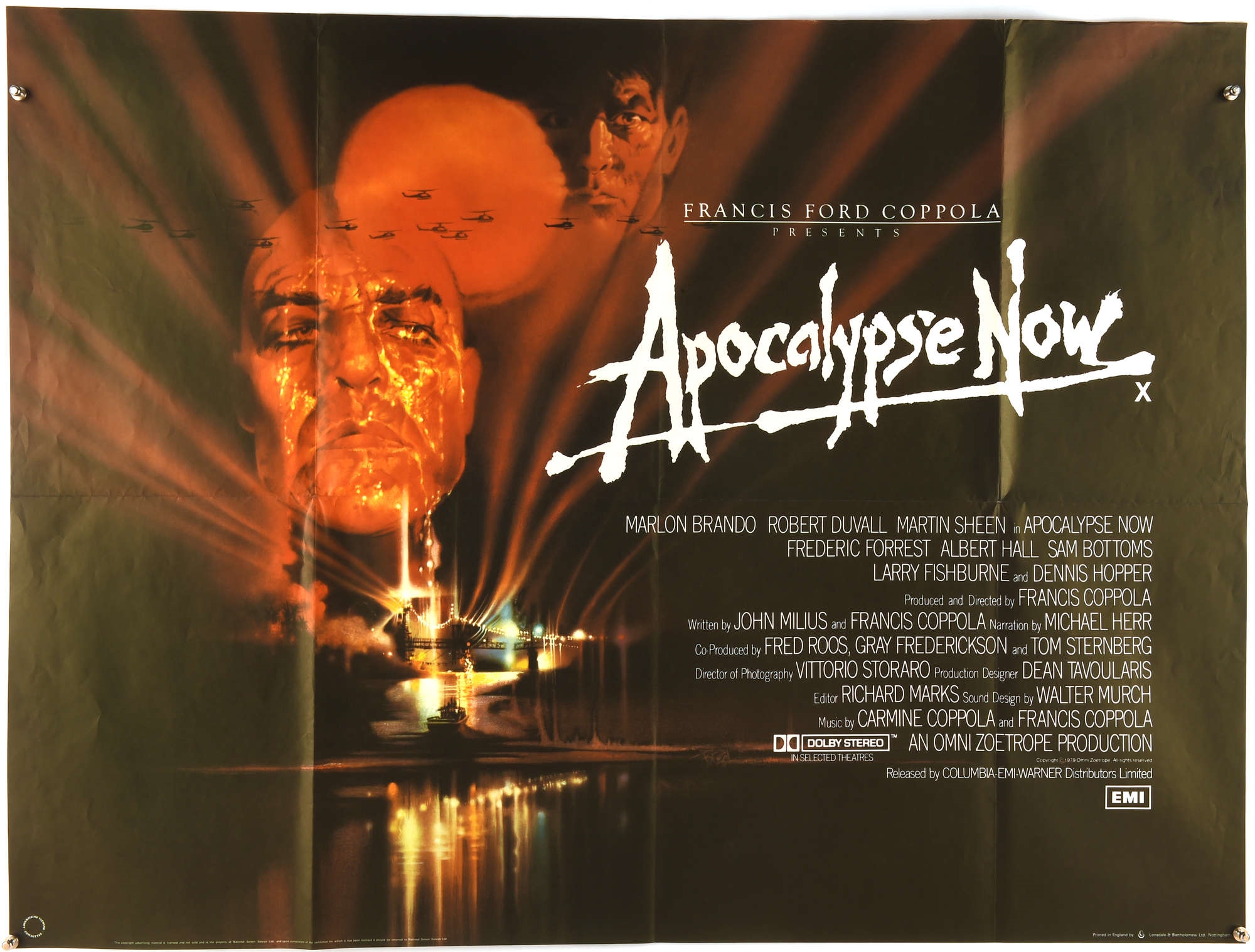
Francis Ford Coppola’s Apocalypse Now remains a cornerstone of global cinema because it transcends the traditional war film genre, offering a profound psychological investigation into the human soul and the corrupting nature of power....
Francis Ford Coppola’s Apocalypse Now remains a cornerstone of global cinema because it transcends the traditional war film genre, offering a profound psychological investigation into the human soul and the corrupting nature of power. Its enduring relevance in 2026 is sustained by its revolutionary technical achievements, its "hellish" production history, and its timeless philosophical questions.
Contents
The Cinematic Transformation of Heart of Darkness
To understand why Apocalypse Now still commands attention nearly five decades after its 1979 release, one must first recognize its literary DNA. The film is a loose adaptation of Joseph Conrad’s 1899 novella, Heart of Darkness. While Conrad’s work focused on European colonialism in the Congo, Coppola and screenwriter John Milius successfully transposed these themes onto the Vietnam War.
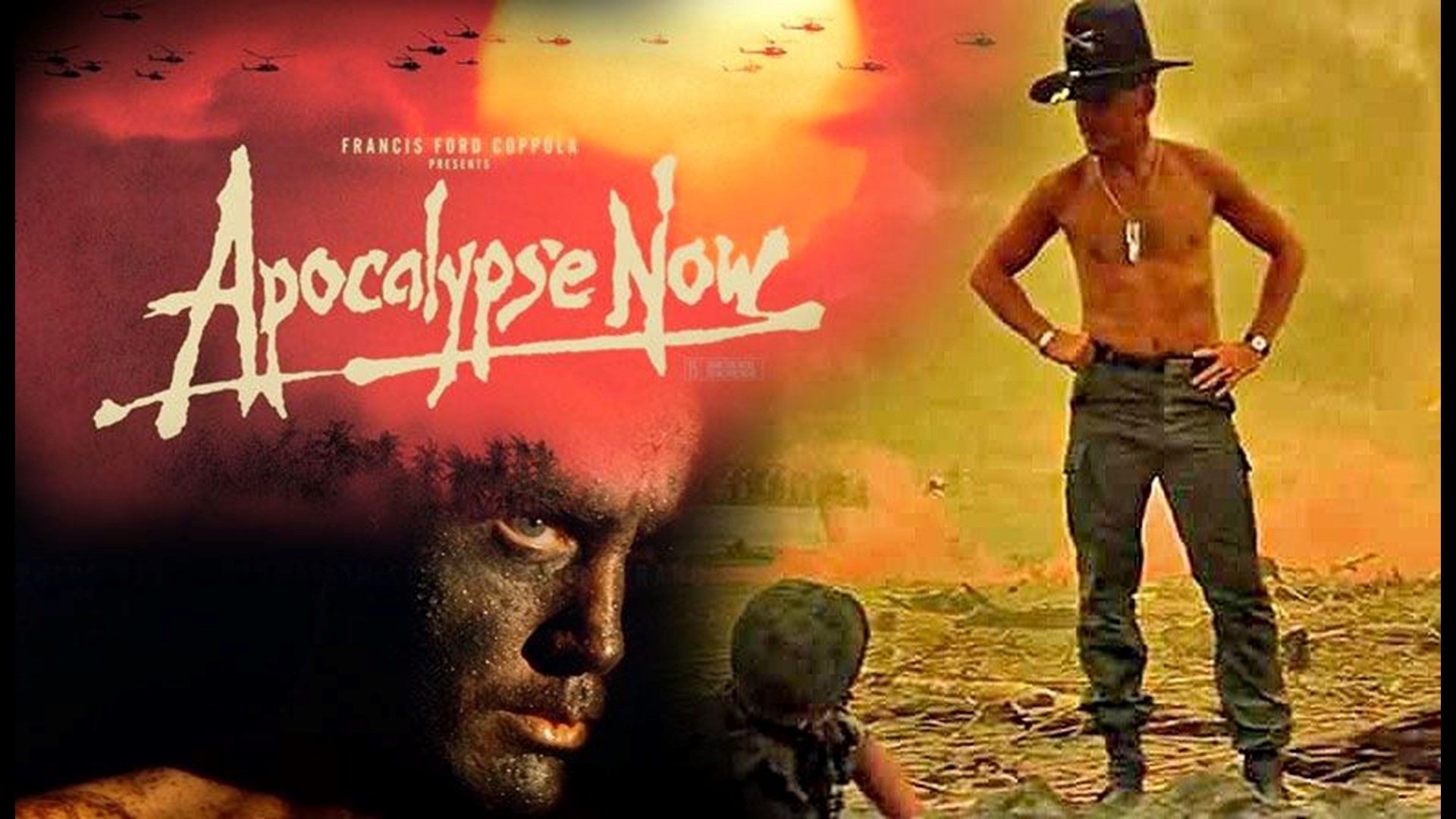
In 2026, this adaptation is viewed as a masterclass in thematic translation. The film does not merely document a specific conflict; it uses the Vietnam War as a backdrop to explore the "inner station" of the human mind. The journey of Captain Willard (Martin Sheen) to find and "terminate with extreme prejudice" Colonel Kurtz (Marlon Brando) mirrors the universal human struggle between civilization and savagery. By stripping away the political specifics of the era and focusing on the primal descent into madness, Coppola ensured the film would not age alongside the specific geopolitical anxieties of the 1970s.
The narrative structure—a literal and figurative journey upriver—serves as a psychological descent. Each "station" along the river represents a different layer of the breakdown of social order, from the surf-obsessed madness of Lieutenant Colonel Kilgore to the drug-fueled chaos at the Do Lung Bridge. This episodic progression allows the film to examine various facets of the human condition, making it a permanent fixture in university curricula and film theory discussions.
A Production Legend That Defined Auteurism
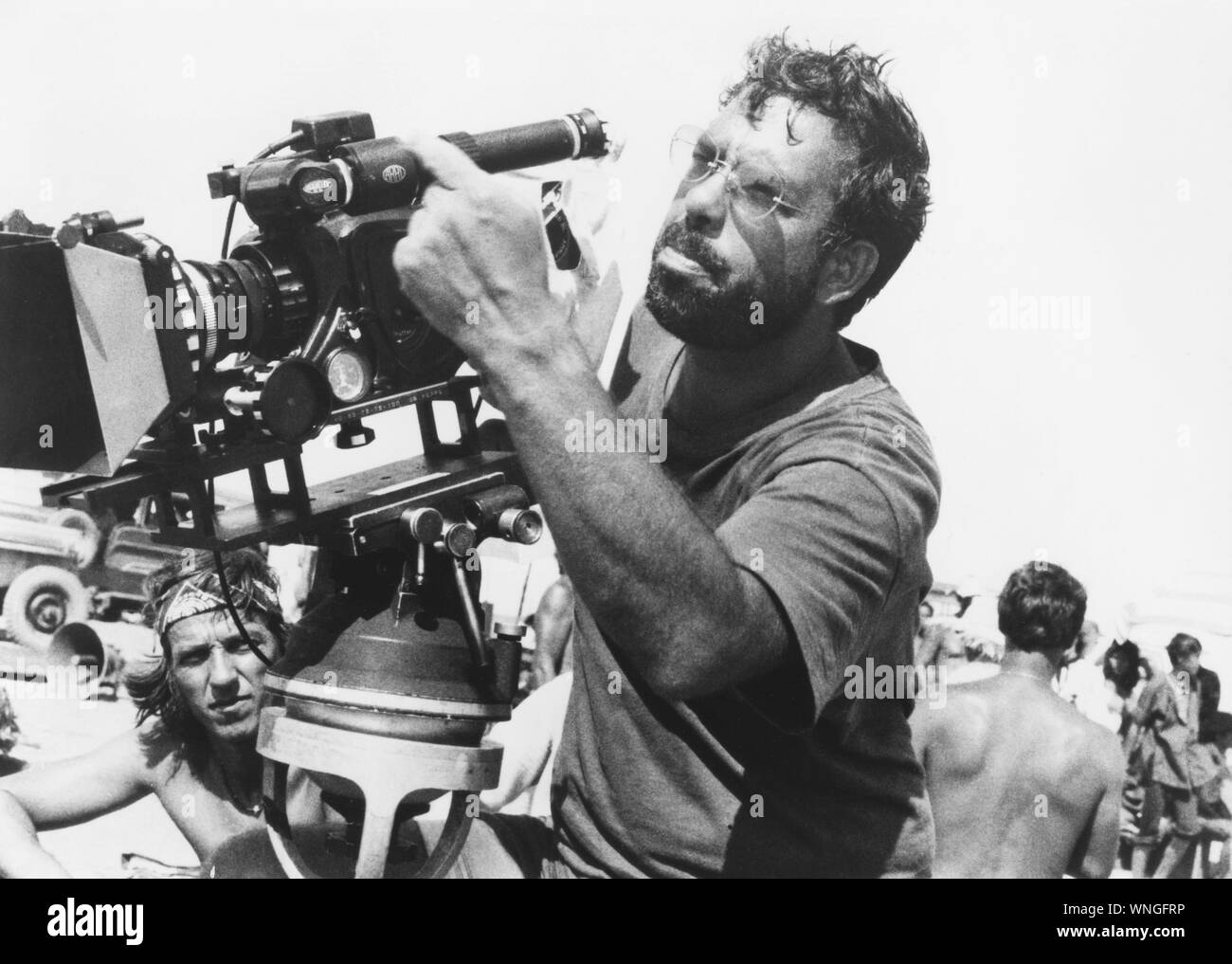
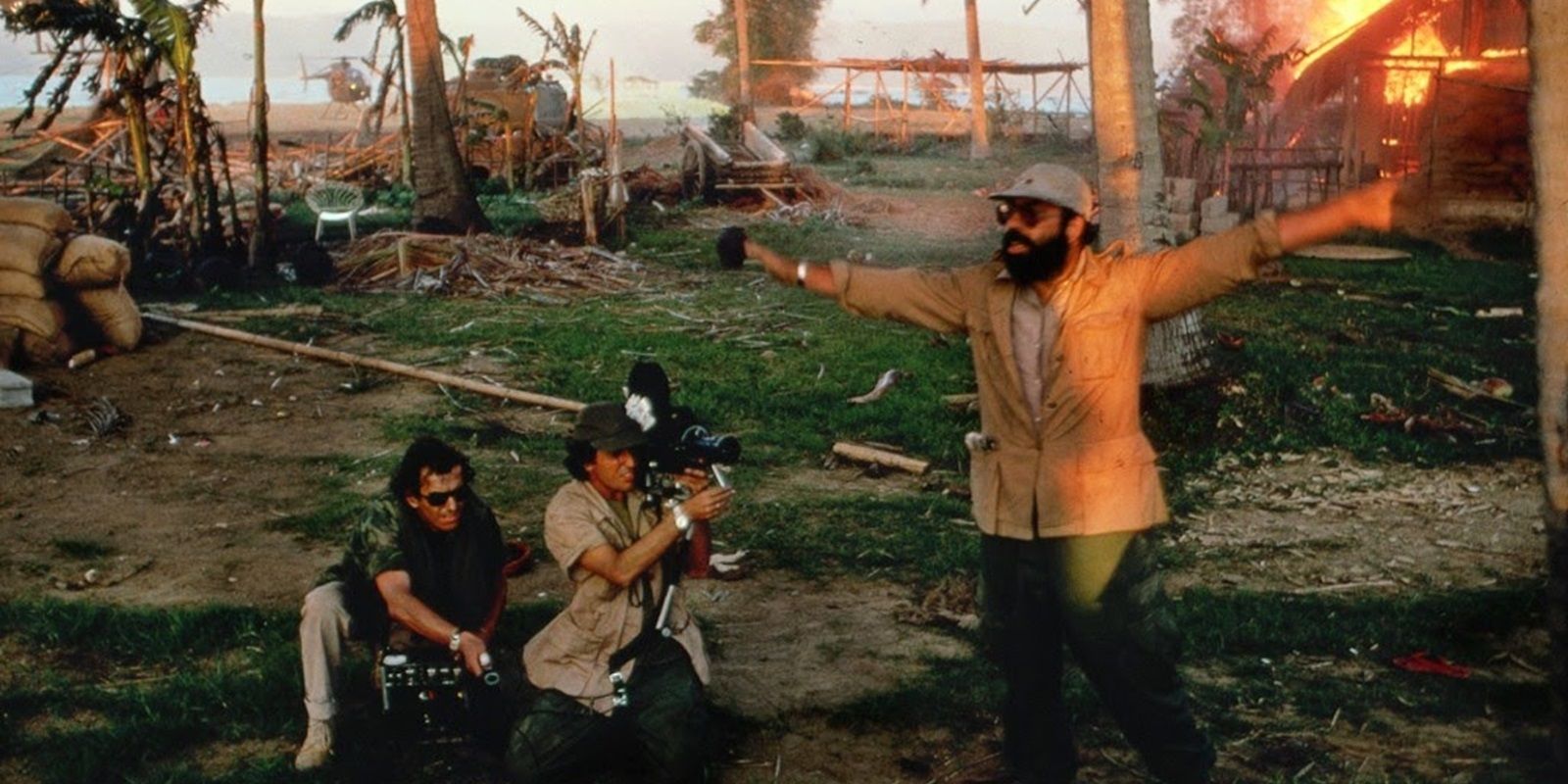
The legacy of Apocalypse Now is inextricably linked to its production history, which is often described as a war in itself. Filmed in the Philippines over 234 days, the project was plagued by a series of near-catastrophic events: a typhoon destroyed expensive sets, Martin Sheen suffered a near-fatal heart attack, and Marlon Brando arrived on set overweight and unprepared.
In the context of 2026, where generative AI and digital de-aging can simulate almost any environment, the sheer physical reality of Apocalypse Now carries even more weight. The film represents the peak of "uncontrolled" auteurism—a time when a director would risk his personal fortune and mental health to capture an authentic vision. Coppola famously stated at Cannes, "My film is not about Vietnam. It is Vietnam."
This commitment to authenticity is captured in the 1991 documentary Hearts of Darkness: A Filmmaker's Apocalypse, which serves as an essential companion piece. The documentary reinforces the film's relevance by showing the psychological toll of high-stakes art. For modern audiences, the knowledge of the real-world chaos behind the scenes adds a layer of "meta-textual" intensity to every frame. The helicopters are real, the explosions are practical, and the exhaustion on the actors' faces is genuine, providing a visceral experience that modern CGI struggles to replicate.
Technical Innovations: Sound and Vision
Apocalypse Now was a pioneer in cinematic technology, introducing standards that are still used in theaters today. The film’s technical depth is a primary reason it continues to be the "gold standard" for home theater testing and cinematic study.
The Invention of the Sound Designer
Before this film, the term "Sound Designer" did not exist in the way we understand it today. Walter Murch, the film’s editor and sound mixer, used the project to revolutionize how movies are heard. Apocalypse Now was one of the first films to utilize a quintaphonic (5.1) sound array, creating an immersive 360-degree environment. In 2026, even with the advent of object-based audio like Dolby Atmos, Murch's original soundscapes—the rhythmic layering of helicopter blades with jungle insects—remain the benchmark for psychological sound editing.
Vittorio Storaro’s Use of Light and Shadow
Cinematographer Vittorio Storaro utilized a philosophy of "the conflict between light and shadow" to visualize the film's themes. Storaro’s use of artificial, colored smoke and harsh silhouettes creates a dreamlike, almost hallucinatory aesthetic. This visual style prevents the film from looking like a dated documentary and instead gives it the quality of an epic poem. The 4K and 8K restorations available in 2026 highlight the incredible dynamic range of the original 35mm and 70mm prints, proving that celluloid remains a superior medium for capturing the nuances of firelight and darkness.
Comparing the Editions: Which Version Matters?
Over the decades, Coppola has released several versions of the film, each offering a different perspective on the narrative. Understanding these differences is crucial for any modern viewer.
| Version | Release Year | Duration | Key Characteristics |
|---|---|---|---|
| Original Theatrical | 1979 | 147 Minutes | Tight, focused, and most impactful for first-time viewers. |
| Redux | 2001 | 202 Minutes | Includes the "French Plantation" sequence and more Kilgore scenes; highly atmospheric but slower. |
| Final Cut | 2019 | 183 Minutes | Coppola’s preferred version; balances the pacing of the original with the depth of the Redux. |
The Final Cut, restored from the original negative in 2019, is generally considered the definitive way to experience the film in 2026. It utilizes high-dynamic-range (HDR) technology to preserve the "blacker than black" shadows of Kurtz’s compound, which were often lost in earlier home video releases.
The Enduring Philosophical and Political Inquiry
Why does the film still resonate in a modern political landscape? Apocalypse Now provides a searing critique of institutional hypocrisy and the "management" of violence. Colonel Kurtz is not just a rogue officer; he is a mirror reflecting the inherent contradictions of a military-industrial complex that trains men to drop fire on people but forbids them from writing "foul" words on their airplanes.
As we navigate the complexities of global conflicts in the mid-2020s, the film’s exploration of "the horror" remains chillingly pertinent. It asks whether civilization is merely a thin veneer that dissolves when pushed into the extremes of the jungle. Kurtz’s monologue about the "will" of the enemy and the necessity of "moral terror" continues to be debated in ethics and military strategy classes. The film doesn't provide easy answers, which is why it remains a subject of intense analysis; it forces the viewer to confront their own capacity for darkness.
Frequently Asked Questions
Is Apocalypse Now based on a true story?
While the film is set during the real Vietnam War, the specific story of Captain Willard and Colonel Kurtz is fictional. It is a cinematic adaptation of Joseph Conrad's 1899 novella Heart of Darkness. However, many details of the film, such as the chaotic nature of the war and the behavior of certain military units, were inspired by the reporting of Michael Herr in his book Dispatches.
Why are there so many different versions of the film?
Francis Ford Coppola felt that the 1979 theatrical version was compromised by the need to be commercially viable. In 2001, he released Redux to include almost everything filmed. In 2019, for the 40th anniversary, he created the Final Cut, believing it struck the perfect balance between the previous two versions. Most critics agree the Final Cut is the most technically superior version.
What is the "French Plantation" scene, and is it important?
The French Plantation sequence, added in the Redux and Final Cut versions, features Willard encountering a family of French colonists who refuse to leave their land. It provides historical context regarding the end of the First Indochina War and the roots of the Vietnam conflict. While some feel it slows the pacing, others argue it is essential for understanding the political futility Willard is witnessing.
Why is Marlon Brando’s performance so controversial?
Brando arrived on set having not read the script and was significantly overweight, which forced Coppola to film him mostly in shadows. Despite these hurdles, his improvised dialogue and brooding presence created the mythical, god-like aura that the character of Kurtz required. Many now view these limitations as having unintentionally improved the film's atmosphere.
Does the film hold up for modern audiences in terms of pacing?
While Apocalypse Now is slower than modern action-war films, its "slow burn" approach is intentional. It is designed to immerse the viewer in the sensory experience of the river. The 2019/2026 4K restorations have improved the visual and audio clarity so much that the film remains engaging for anyone accustomed to high-quality cinematic experiences.
Final Recommendation: How to Experience it Today
If you are approaching Apocalypse Now for the first time in 2026, the recommended path is to watch the Final Cut on the largest screen possible with a high-fidelity sound system. To truly appreciate its significance, follow the film with a viewing of the documentary Hearts of Darkness: A Filmmaker's Apocalypse. This pairing provides a complete understanding of why this film is not just a movie, but a landmark event in human expression that continues to challenge, disturb, and inspire.
Image Gallery