Aunty Acid Net Worth Explained: The Multi-Million Dollar Value of a Digital Icon
As of 2026, the estimated net worth associated with the Aunty Acid brand and its creator, Ged Backland, is positioned between $3 million and $10 million. This valuation is derived from a decade of global licensing deals, high-volume bo...
As of 2026, the estimated net worth associated with the Aunty Acid brand and its creator, Ged Backland, is positioned between $3 million and $10 million. This valuation is derived from a decade of global licensing deals, high-volume book publishing through major houses, and a social media presence that commands millions of engaged followers across legacy platforms.
Contents
The phenomenon of Aunty Acid represents a masterclass in how a simple character concept—a pink-haired, sharp-tongued senior woman—can be transformed into a sustainable commercial enterprise. Unlike traditional celebrities whose net worth is often tied to salaries or contracts, the "worth" of Aunty Acid is fundamentally rooted in Intellectual Property (IP). This includes the copyright to thousands of unique panels, trademark rights in multiple territories, and a diverse portfolio of revenue streams that operate independently of the creator’s daily output.
The Architect Behind the Acid: Ged Backland
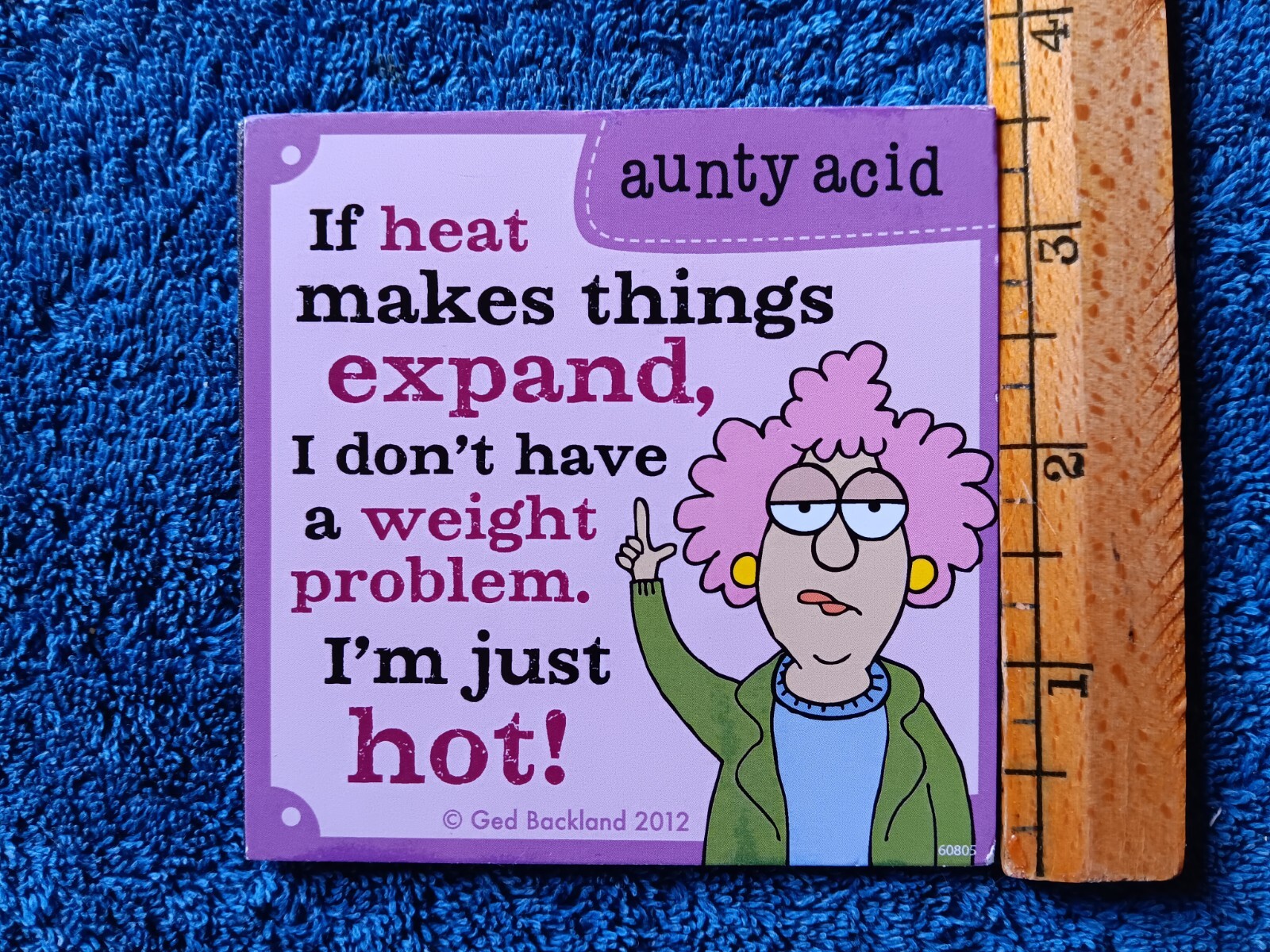
To understand the net worth of Aunty Acid, one must first look at the person who brought her to life. Ged Backland, an artist and writer based in the United Kingdom, founded Backland Studio with the intent of creating relatable, humor-driven content. Before Aunty Acid became a household name on social media, Backland spent years honing his craft in the greeting card and comic industry.
The creation of Aunty Acid was not an overnight success but rather a calculated pivot into digital-first character branding. By the early 2010s, Backland recognized that the humor market was shifting from physical cards to social media sharing. He designed the character to be visually distinct—bold colors, simple lines, and a "sassy" personality that resonated with a specific demographic: women aged 35 to 65. This clarity of vision allowed the brand to scale rapidly, providing the financial foundation for what would become a multi-million dollar IP portfolio.
Revenue Streams: How a Fictional Character Generates Wealth
The financial stability of the Aunty Acid brand is built on a "hub and spoke" model. The character serves as the central hub, while various commercial "spokes" generate revenue through different market sectors.
1. Global Licensing and Greeting Cards
Licensing is the single largest contributor to the brand’s net worth. Aunty Acid partnered with Recycled Paper Greetings, a subsidiary of American Greetings, which ensured that her likeness was distributed in thousands of retail outlets, including major pharmacies and grocery chains across North America. In the UK, similar licensing deals have kept the character on the shelves of high-street retailers for years.
The economics of greeting cards are highly favorable for established IP. Once a character is integrated into a card line, the brand earns a percentage of every sale. With millions of cards sold annually at the height of her popularity, the recurring royalties created a significant and steady cash flow.
2. Publishing and Book Sales
The transition from digital panels to physical books was a pivotal moment for the brand’s valuation. Partnering with Andrews McMeel Publishing—the same house that handled giants like Calvin and Hobbes and The Far Side—Aunty Acid released several titles, including Aunty Acid's Guide to Life and Aunty Acid's Office Manual.
Book publishing provides several financial advantages:
- Upfront Advances: Established creators often receive significant advances against future royalties.
- Global Distribution: Translation rights allow the books to be sold in European and Asian markets, further diversifying income.
- Backlist Revenue: Even years after a book's release, steady sales continue to add to the overall net worth.
3. Digital Assets and Social Media Monetization
With a Facebook following that surpassed 10 million likes during her peak years, Aunty Acid became a digital powerhouse. In 2026, while social media dynamics have evolved, the massive archive of content continues to generate revenue through:
- Platform Ad Revenue: Meta’s monetization programs for high-traffic pages.
- Digital Stickers and Apps: Partnerships with messaging platforms like Viber and LINE.
- E-commerce: Direct-to-consumer sales via the official website, offering personalized merchandise, calendars, and digital prints.
Strategic Market Positioning and Demographics
The valuation of Aunty Acid is also a reflection of her audience's purchasing power. Unlike characters aimed at younger, more fickle demographics, Aunty Acid caters to "Generation X" and "Baby Boomers." These age groups typically have higher disposable income and a demonstrated loyalty to brands that reflect their life experiences.
Advertisers and licensees value this demographic because they are the primary buyers of greeting cards, household gifts, and physical books. By capturing this market, Ged Backland ensured that Aunty Acid was not just a viral meme, but a commercial asset with long-term viability. The character’s humor—focusing on aging, marriage, and daily frustrations—is "evergreen," meaning the content rarely goes out of style, allowing the same panels to be monetized repeatedly over decades.
Estimated Financial Breakdown (2026 Projections)
| Revenue Category | Estimated Annual Contribution | Valuation Weight |
|---|---|---|
| Retail Licensing | $500,000 - $1,200,000 | High (Recurring) |
| Publishing Royalties | $100,000 - $300,000 | Moderate (Passive) |
| Digital/Social Media | $250,000 - $600,000 | Variable (Growth) |
| E-commerce/Direct Sales | $150,000 - $400,000 | Moderate (Direct) |
| IP/Trademark Value | N/A | $2M - $5M (Asset Value) |
Note: These figures represent estimated brand earnings and market valuation of the IP, which contribute to the creator's total net worth.
Comparing Aunty Acid to Industry Peers
To put the net worth of Aunty Acid into perspective, one can compare her to other character brands like Maxine (Hallmark) or Grumpy Cat. While Grumpy Cat was a flash-in-the-pan viral sensation that eventually faded, Aunty Acid followed the "Maxine model"—a slow-burn, personality-driven brand that integrates into the fabric of the gift industry.
While Hallmark’s Maxine is part of a multi-billion dollar corporation, Aunty Acid remains a more agile, independently-owned entity. This independence means that a larger share of the profits remains with Backland Studio rather than being diluted by corporate overhead. This lean operational structure is a major reason why the personal net worth of the creator is so high relative to the brand's visible footprint.
Challenges and Sustainability in 2026
No digital-born brand is without its challenges. As we look at the brand’s status in 2026, several factors influence its ongoing valuation:
- Algorithm Shifts: Changes in how Facebook and Instagram prioritize content can impact organic reach, requiring the brand to invest more in paid promotion or diversified platforms like TikTok.
- Generative AI: The rise of AI-generated humor and art poses a competitive threat. However, the established "voice" and trademarked look of Aunty Acid provide a defensive moat that generic AI content cannot easily replicate.
- Market Saturation: There is a finite amount of "sassy grandmother" humor the market can absorb. To maintain net worth, the brand has had to pivot into new product categories, such as household decor and apparel.
The Long-Term Value of the Intellectual Property
The true "net worth" of Aunty Acid isn't just the cash in the bank; it’s the Intellectual Property. In the world of entertainment and media, IP is often valued at a multiple of its annual earnings (often 3x to 7x). If the brand generates $1 million in annual profit, the IP itself could be worth $5 million or more on the open market if sold to a larger media conglomerate or a licensing firm like Iconix Brand Group.
For Ged Backland, the strategy has clearly been one of longevity over short-term "cashing out." By maintaining control over the character and continuing to produce fresh content that resonates with modern sensibilities—while staying true to the character’s roots—the brand has secured its place as a staple of 21st-century humor.
Frequently Asked Questions
Who is the real person behind Aunty Acid?
Aunty Acid is a fictional character created by British artist Ged Backland. While she is not a real person, her personality is often described as a composite of various "feisty" women Backland has known or observed throughout his life. The character is managed by Backland Studio in the UK.
How does Aunty Acid make most of her money?
The primary source of income for the Aunty Acid brand is licensing. This involves giving other companies the right to use the character’s image and quotes on products like greeting cards, mugs, and calendars in exchange for a percentage of the sales (royalties).
Is the Aunty Acid Facebook page still profitable?
Yes, the Facebook page remains a significant asset. Even with changes to social media algorithms, the page serves as a massive marketing funnel that drives traffic to the official web store and keeps the brand relevant for licensing partners. It also generates direct revenue through video ads and "stars" during live interactions.
How many books has Aunty Acid published?
As of 2026, there are over a dozen official Aunty Acid titles. Most are published by Andrews McMeel Publishing. These include thematic collections focusing on work, marriage, aging, and "wicked wisdom."
Can I license Aunty Acid for my own products?
Licensing for Aunty Acid is typically handled by professional agencies or directly through Backland Studio. They generally look for established manufacturers and distributors who can maintain the brand's quality standards and reach a wide audience.
Final Recommendation for Brand Enthusiasts
For those interested in the business of character branding, Aunty Acid serves as the definitive example of niche marketing. The key takeaway is the importance of consistency. By never wavering from the character's visual identity or "voice," Ged Backland created a brand that fans trust and retailers are comfortable stocking.
If you are a fan or a business professional looking to study the brand, the best next step is to observe their cross-platform integration. Notice how a single joke on Facebook is repurposed into a greeting card, then a book chapter, and eventually a piece of merchandise. This efficiency is the engine that drives the multi-million dollar net worth of Aunty Acid.
Image Gallery