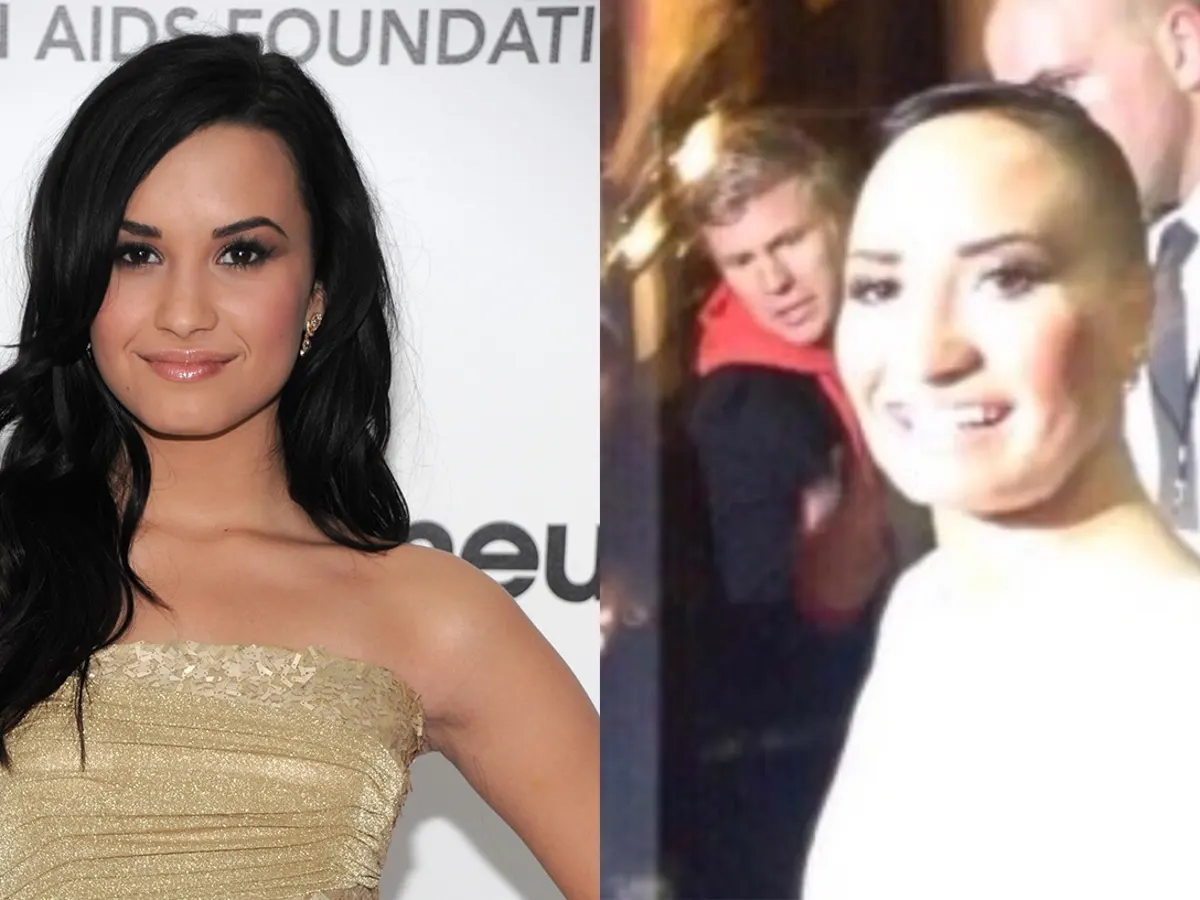
The Rise of Poot Lovato: Analyzing the Architecture of an Internet Legend
Poot Lovato is a viral internet meme featuring a distorted, unflattering photograph of American singer and actor Demi Lovato. Emerging in late 2015, the meme evolved from a simple visual joke into a complex piece of digital folklore, c...
Poot Lovato is a viral internet meme featuring a distorted, unflattering photograph of American singer and actor Demi Lovato. Emerging in late 2015, the meme evolved from a simple visual joke into a complex piece of digital folklore, centered on a fictional "twin sister" persona that forever altered the landscape of celebrity-fan interactions and "stan" culture.
Contents
The Genesis of a Digital Myth: October 2015
The phenomenon known as Poot Lovato did not begin in a marketing room or a professional studio, but in the chaotic, high-speed ecosystem of Tumblr. On October 11, 2015, a user named "c0nd0m" uploaded a photograph that would soon become one of the most recognizable artifacts of mid-2010s internet culture. The image was a candid, poorly lit, and heavily distorted snapshot of Demi Lovato, likely taken during a meet-and-greet event or a red carpet appearance.
Technically, the photograph suffered from several digital and environmental artifacts. The use of a direct, high-intensity flash in a dark environment caused significant "flattening" of the subject's features. Furthermore, the angle of the shot, taken from slightly below eye level with a wide-angle lens, exaggerated the forehead and distorted the chin and jawline. This combination of technical failures created an "uncanny valley" effect—where the subject looks human but unnervingly "off."
The user captioned the photo with a brief, punchy backstory: "Demi's twin sister. She was locked in a basement her whole life. This picture was taken the first time she went outside. Her name is Poot." This specific combination of a bizarre visual and a tragicomic narrative provided the perfect fuel for virality.
The Architecture of the Poot Persona
What transformed Poot Lovato from a fleeting "ugly photo" into a persistent cultural icon was the rapid construction of a surrounding mythology. In the world of internet memes, "lore" is essential for longevity. Within days of the initial post, the internet had fleshed out Poot's entire existence.
The Basement Narrative
The "basement" became a central pillar of the meme. It served as a satirical commentary on the way celebrities are often perceived as having "hidden" lives or secrets. In the fan-fiction-driven world of Tumblr and Twitter, the idea that a global superstar like Demi Lovato would have a secret, less-glamorous twin hidden away was an absurd subversion of the polished Disney-star image.
Cultural Anthropological Context
From a sociological perspective, Poot Lovato represented a shift in how fans engaged with celebrities. Prior to the mid-2010s, celebrity worship was often characterized by either pure adoration or tabloid-style cruelty. Poot represented a third way: "the irony-poisoned fan." These individuals were fans of Demi Lovato but found humor in the absurdity of the "Poot" persona. It was a form of play that utilized the celebrity's likeness as a canvas for collaborative storytelling.
The Mechanics of Virality and the Streisand Effect
The spread of Poot Lovato was facilitated by several key digital behaviors prevalent during 2015 and 2016. The meme moved from the niche community of Tumblr to the mainstream "Stan Twitter" (the collective name for obsessive fan accounts on X, then known as Twitter).
The Reaction Phase
The meme reached its peak when Demi Lovato themselves acknowledged it. Initially, Lovato appeared less than amused. In a now-deleted tweet, the singer criticized the obsession with the photo, questioning why people would focus on a bad angle when there were more important things to discuss. This reaction inadvertently triggered the Streisand Effect—a phenomenon where an attempt to hide or dismiss information has the unintended consequence of publicizing it more widely.
By showing that the meme caused a reaction, the internet was incentivized to use it more. For several months, "Poot" became a standard response in comment sections, often used to troll the singer or simply to signal membership in a specific digital subculture.
Technical Evolution of the Meme
As the meme matured, it underwent several technical iterations:
- Photoshopping: Poot was edited into historical events, movie posters (notably Room and The Unbreakable Kimmy Schmidt), and other celebrities' photos.
- Deepfakes (Early Versions): Though the technology was primitive compared to 2026 standards, users attempted to map Poot’s face onto video clips of Demi’s performances.
- Merchandising: Unofficial merchandise, including t-shirts and stickers, began appearing on platforms like Redbubble, cementing the meme's status as a physical cultural artifact.
Comparing Celebrity Meme Phenomena
To understand why Poot Lovato was so uniquely successful, it is helpful to compare it to other high-profile celebrity memes of the era. The following table highlights the differences in origin, intent, and lasting impact.
| Meme Entity | Origin Year | Primary Source | Longevity Factor | Subject's Reaction |
|---|---|---|---|---|
| Poot Lovato | 2015 | Fan-captured photo | Complex fictional lore | Initially negative; later embraced |
| Unflattering Beyonce | 2013 | Super Bowl performance | Legal attempt to remove | Publicly ignored (legal team action) |
| Confused Nick Young | 2014 | YouTube series | Reaction-image utility | Highly positive/Embraced |
| Crying Jordan | 2009/2015 | Hall of Fame speech | Universal emotional relatability | Silent/Indifferent |
As seen in the table, Poot Lovato is distinct because it relies on a specific fictional identity rather than just a reaction or a legal controversy. The creation of a name and a backstory allowed the meme to exist independently of the actual human being, Demi Lovato.
The Shift Toward Acceptance and Digital Legacy
By 2017, the tension between Demi Lovato and the Poot persona began to dissipate. In a savvy move of reputation management and brand evolution, Lovato began to lean into the joke. During the Halloween season of 2018, references to the meme appeared in the orbit of Lovato’s social media, signaling a truce.
This transition from "insult" to "inside joke" is a common lifecycle for celebrity memes that have high staying power. By 2026, Poot Lovato is no longer seen as a tool for bullying, but as a nostalgic milestone for those who came of age during the "Golden Age of Tumblr." It represents a time when the internet was small enough to have a "universal" joke, yet large enough to allow that joke to take on a life of its own.
Impact on Internet Language
Poot Lovato also contributed to the "internalized" language of the internet. The concept of a "basement twin" or an "unseen alter ego" became a trope used for other celebrities. Whenever a star was seen in an unflattering light, the "Poot-ification" of that star became a standard comedic reflex.
The Ethics of the Celebrity Meme
While Poot Lovato is largely remembered with fondness in 2026, it also raises important questions about the ethics of digital likeness. The meme was, at its core, based on a photo the subject found distressing. In the years since, the conversation around "digital consent" has matured.
- Distortion vs. Reality: Poot was a caricature. While it was based on a real person, the "character" was a fabrication.
- The Power Imbalance: In 2015, the power dynamic favored the "anonymous mob." A celebrity had little recourse against a viral image.
- Mental Health Awareness: Given Demi Lovato’s subsequent openness about mental health and body image, the Poot meme is often re-examined through a lens of empathy. It serves as a case study in how "harmless" internet fun can intersect with the real-world vulnerabilities of the people involved.
FAQs: Understanding Poot Lovato’s Cultural Impact
Is Poot Lovato a real person?
No. Poot Lovato is a purely fictional character created by internet users. The character is based on a distorted photograph of the singer Demi Lovato. There is no evidence that Demi Lovato has a twin sister named Poot, nor was anyone ever locked in a basement as described in the meme’s original caption.
Why did the Poot meme become so popular compared to other bad photos?
Poot became popular because it transcended being just a "bad photo" by gaining a name and a narrative. The backstory about being locked in a basement provided a comedic "reason" for why the person in the photo looked so different from the glamorous celebrity the public knew. This storytelling element allowed people to participate in the joke by adding to the lore.
How did Demi Lovato eventually react to the meme?
Initially, Demi Lovato expressed frustration, tweeting that it was disappointing to see people focus on an unflattering angle. However, as the years passed, Lovato began to treat it as a lighthearted part of their history. By 2017 and 2018, Lovato and their team occasionally referenced the meme or the "basement" lore on social media, effectively neutralizing its power to offend.
Does the Poot Lovato meme still exist in 2026?
In 2026, Poot Lovato exists primarily as a "legacy meme." It is no longer a daily part of social media discourse, but it is frequently cited in retrospectives about 2010s internet culture. It is considered a classic example of "Stan Twitter" history and a foundational moment in the development of modern celebrity-fan digital dynamics.
Recommendations for Navigating Celebrity Memes
For creators and fans engaging with celebrity-based humor in 2026, the history of Poot Lovato offers several practical lessons:
- Prioritize Creative Subversion over Cruelty: The memes that last are those that build something new (like the Poot persona) rather than those that simply mock an individual's appearance.
- Understand the Streisand Effect: For public figures, acknowledging a meme with anger usually fuels its growth. Embracing it or ignoring it are generally more effective strategies for long-term reputation management.
- Context Matters: When revisiting or sharing legacy memes like Poot, it is helpful to acknowledge the original context—a specific era of the internet that was often more chaotic and less regulated than the one we navigate today.
Image Gallery