The Prime Natalie Portman Star Wars Legacy Examined
Natalie Portman’s tenure as Padmé Amidala in the Star Wars prequel trilogy—comprising The Phantom Menace (1999), Attack of the Clones (2002), and Revenge of the Sith (2005)—represents a pivotal bridge between classic Hollywood prestige...
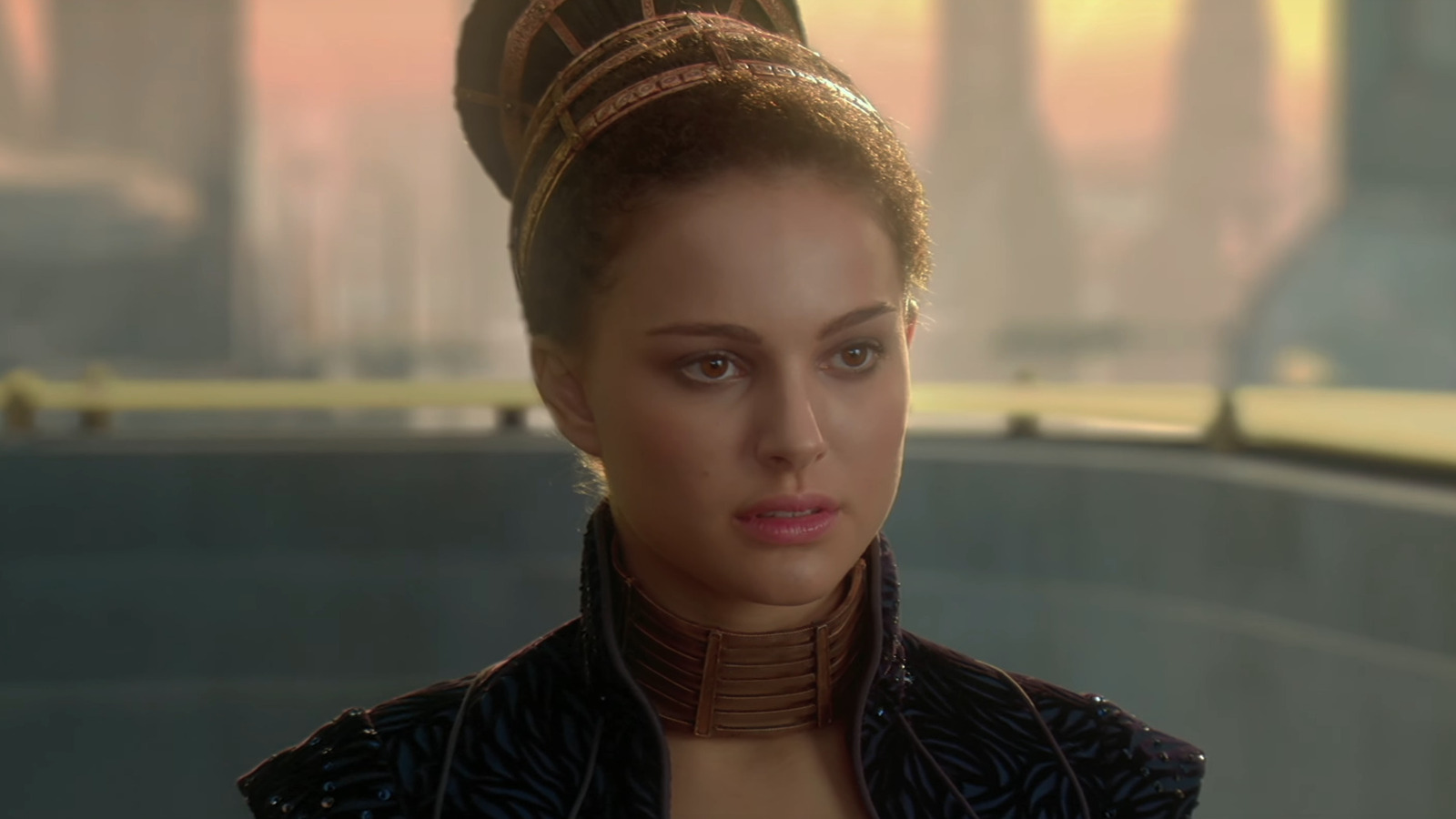
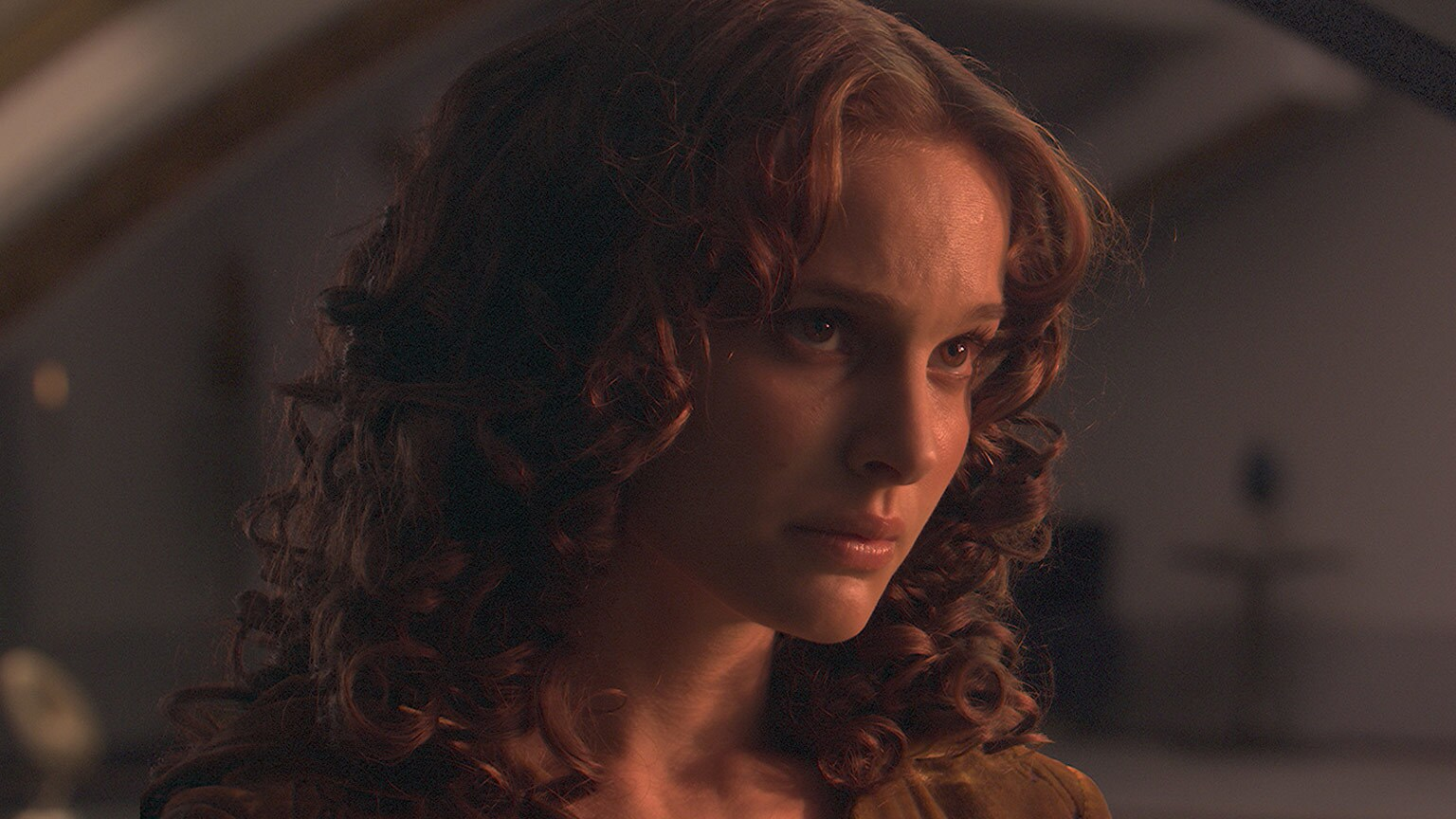
Natalie Portman’s tenure as Padmé Amidala in the Star Wars prequel trilogy—comprising The Phantom Menace (1999), Attack of the Clones (2002), and Revenge of the Sith (2005)—represents a pivotal bridge between classic Hollywood prestige and the evolution of modern blockbuster filmmaking. Her legacy within the franchise has transitioned from a polarizing element of early 2000s discourse to a foundational pillar of contemporary Star Wars lore, influencing the characterization of political complexity and maternal sacrifice across the expanding galaxy of sequels, spin-offs, and animated series.
Contents
Contextualizing the Prequel Era Performance
When Natalie Portman was cast as Queen Amidala and later Senator Padmé Amidala, she was already a rising star, having garnered critical acclaim for her work in Léon: The Professional (1994). Joining the Star Wars universe at a time when the franchise was returning from a 16-year hiatus placed an immense burden on the cast. The script, written by George Lucas, demanded a stylized, formal delivery that aimed to evoke the gravity of royal duty and galactic diplomacy.
Critics at the time often struggled with the deliberate stiffness of the dialogue, which was intended to contrast with the more kinetic, colloquial language of the original trilogy. However, retrospective analysis in 2026 confirms that Portman’s performance served as the essential emotional anchor for the trilogy. While the audience navigated the intricacies of the Trade Federation blockade or the complex bureaucracy of the Republic, Portman provided the human stakes. Her portrayal of a leader caught between public service and personal conviction set the thematic blueprint for the internal conflicts later explored in characters like Leia Organa and Mon Mothma.
The Evolution of the Padmé Amidala Archetype
Portman’s legacy is defined by the transformation of Padmé from a tactical leader into a tragic figure whose death directly precipitates the rise of the Galactic Empire. Her influence on the Star Wars narrative structure can be categorized by three distinct developmental phases:
- The Sovereign Strategist: In The Phantom Menace, Portman established a template for royalty that prioritizes the welfare of the populace over personal comfort, a precursor to the modern portrayal of leaders in the franchise.
- The Romantic Catalyst: Her chemistry and eventual union with Anakin Skywalker provided the necessary emotional tragedy to justify the fall of the Jedi Order. Her character’s choice to trust Anakin despite the mounting evidence of his corruption serves as the primary engine for the trilogy’s darker third act.
- The Martyr of Democracy: Her final words and her secret efforts to foster the rebellion before her passing established the moral foundation for the Resistance.
Comparative Impact on Cinematic Representation
| Feature | Padmé Amidala (Prequels) | Leia Organa (Originals) | Rey Skywalker (Sequels) |
|---|---|---|---|
| Primary Role | Politician/Diplomat | Revolutionary/General | Jedi Initiate/Scavenger |
| Motivation | Institutional Stability | Freedom/Justice | Identity/Belonging |
| Legacy Impact | Established political stakes | Symbol of the Rebellion | Bridge between eras |
| Conflict Type | Internal/Political | External/Military | Existential/Lineage |
Technical and Artistic Challenges of the Prequel Production
The Star Wars prequel trilogy was a pioneer in the use of high-definition digital cameras and extensive blue-screen environments. For an actor of Portman’s caliber, these conditions required an intense reliance on imagination. Working almost exclusively against digital stand-ins and non-existent landscapes, Portman had to maintain a grounded, emotive performance that would eventually be composited into a highly complex, CGI-heavy environment.
This technical hurdle is often cited by film historians today as a masterclass in isolated acting. The "prime" legacy of her performance involves the ability to bridge the gap between human emotional resonance and the cold, often sterile nature of early digital filmmaking. By 2026, many of the visual effects in the prequels have been re-evaluated, and Portman’s ability to remain the focal point amidst the spectacle is frequently cited as the reason the trilogy has sustained long-term fan interest.
Padmé’s Enduring Influence on Current Lore
The legacy of Natalie Portman’s character has expanded significantly through the Star Wars expanded universe. Through various animated series, novels, and comics released in the two decades following Revenge of the Sith, Padmé’s influence has been retroactively deepened.
The political maneuvering she conducted as a Senator is now considered the "manual" for the rebel networks that would eventually form the Alliance. Furthermore, her wardrobe and regal aesthetic remain the gold standard for costume design within the franchise, influencing the visual language of the Naboo culture as depicted in later Disney+ series and video games. Her legacy is no longer just that of a supporting character in the tragedy of Anakin Skywalker, but as an independent architect of the democratic ideals the franchise defends.
Frequently Asked Questions
Why was the performance of Natalie Portman initially controversial? The initial criticism focused on the stylized, formal delivery of the dialogue. Fans accustomed to the banter of the original trilogy found the prequel’s formal tone difficult to engage with, though this has since been contextualized as a deliberate artistic choice by George Lucas.
How does Padmé Amidala’s character inform the modern Star Wars timeline? Padmé serves as the thematic precursor to the political resistance seen in later eras. Her dedication to the Republic and her secret efforts to maintain diplomatic ties despite the rise of authoritarianism act as a narrative foundation for the later Rebellion.
Did Natalie Portman return to the role after 2005? Natalie Portman has not returned to the role in a live-action capacity. However, her likeness and legacy remain central to the marketing and canon of the Star Wars prequel era.
How did the filming process differ for Portman compared to other actors? Portman worked in a highly experimental production environment, often acting alone in front of bluescreens. This required significant discipline to ensure that her emotional performance aligned with the projected scale of the digital environments.
What is the "prime" aspect of her legacy mentioned in current discourse? The "prime" legacy refers to her evolution from a perceived weak point of the prequels to the vital emotional center of the entire Skywalker saga, acknowledging her performance as essential to the credibility of the entire trilogy’s narrative arc.
Next Actions for Fans and Scholars
To fully grasp the magnitude of the legacy left by Natalie Portman in Star Wars, enthusiasts should revisit the Star Wars: The Phantom Menace 25th-anniversary editions, which include archival interviews regarding the casting process. For those interested in the political elements of the Star Wars universe, exploring the expanded canon literature—specifically novels that detail the transition of the Republic into the Empire—will offer deeper insight into how Padmé’s legislative actions set the stage for the resistance movements that follow. The legacy of Padmé Amidala is firmly established, and her role as a bridge between the political and the personal remains a cornerstone of the Star Wars experience.
Image Gallery