Understanding the Options for Permanent Lip Hair Removal
Permanent lip hair removal primarily focuses on electrolysis and laser hair reduction. While electrolysis is the only method medically recognized for total permanent removal, laser treatments offer significant, long-term reduction for...
Permanent lip hair removal primarily focuses on electrolysis and laser hair reduction. While electrolysis is the only method medically recognized for total permanent removal, laser treatments offer significant, long-term reduction for most individuals. Choosing the right path depends on your hair color, skin type, and underlying hormonal factors.
Contents
The presence of unwanted hair on the upper or lower lip is a common concern that affects individuals across all demographics. Whether driven by genetics, hormonal shifts such as menopause or Polycystic Ovary Syndrome (PCOS), or simply personal aesthetic preference, the transition from temporary fixes like waxing and threading to permanent solutions is a significant step. In 2026, the technology for addressing facial hair has become more refined, offering higher precision and better safety profiles for the delicate skin of the perioral area.
The Biological Challenge of Lip Hair
To understand why "permanent" results are difficult to achieve, one must first understand the anatomy of the hair follicle. The lip area is densely populated with nerve endings and a mixture of vellus hair (fine, light "peach fuzz") and terminal hair (thicker, pigmented hair).
Hair grows in three distinct phases:
- Anagen (Growth Phase): This is the only stage where the hair is physically attached to the bulb and blood supply. Permanent removal methods must catch the hair in this phase to destroy the follicle’s ability to regenerate.
- Catagen (Transitional Phase): The follicle shrinks and the hair detaches.
- Telogen (Resting Phase): The hair eventually falls out, and the follicle remains dormant before starting a new growth cycle.
Because only a percentage of lip hairs are in the anagen phase at any given time, no single treatment can ever be 100% effective in a single session. Consistency over 12 to 18 months is typically required to address every follicle through its complete cycle.
Electrolysis: The Only True Permanent Removal
As of 2026, the U.S. Food and Drug Administration (FDA) continues to recognize electrolysis as the only method for "permanent hair removal." Unlike laser treatments, which target pigment, electrolysis targets the follicle directly through a fine probe.
The Three Modalities of Electrolysis
A licensed electrologist (often carrying the CPE or Certified Professional Electrologist designation) will use one of three techniques:
- Galvanic: This method uses a direct current to trigger a chemical reaction in the follicle. It converts the body's natural salt and water into a tiny amount of lye (sodium hydroxide), which chemically destroys the hair bulb. It is highly effective but slow.
- Thermolysis: This uses high-frequency alternating current to produce heat. The heat cauterizes the follicle. It is much faster than Galvanic and is common for lip treatments where there are many hairs to treat in a short window.
- Blend: As the name suggests, this combines both Galvanic and Thermolysis. It offers the chemical destruction of lye with the speed of heat, making it the gold standard for stubborn or coarse lip hair.
Pros and Cons of Electrolysis
The primary advantage of electrolysis is its universality. Because it does not rely on light absorption, it works on white, gray, blonde, and red hair—colors that lasers typically cannot "see." It is also safe for all skin tones (Fitzpatrick scales I through VI) without the risk of pigment changes often associated with light-based therapies.
The downside is the "needle-by-needle" nature of the work. For an upper lip, a session might last 15 to 30 minutes. It can be uncomfortable, often described as a stinging or pricking sensation, and requires a high degree of technician skill to avoid minute scarring or "pitting" of the skin.
Laser Hair Reduction: Speed and Efficiency
While often colloquially called permanent removal, the medical community and the American Academy of Dermatology (AAD) define laser treatment as permanent hair reduction. This means that while most hair will be gone, some fine or light-colored hair may remain, and occasional maintenance "touch-ups" might be needed once or twice a year.
How Laser Technology Works
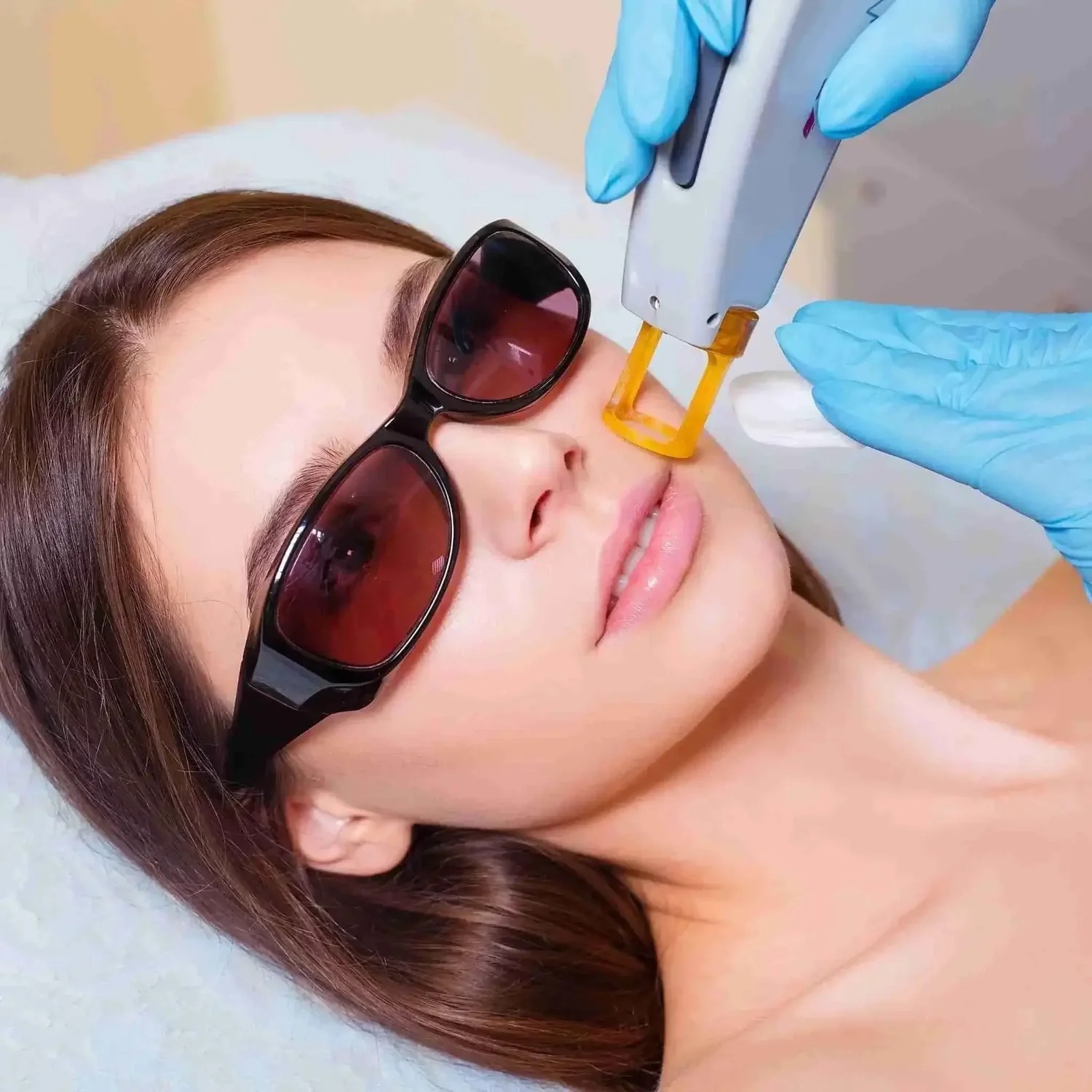
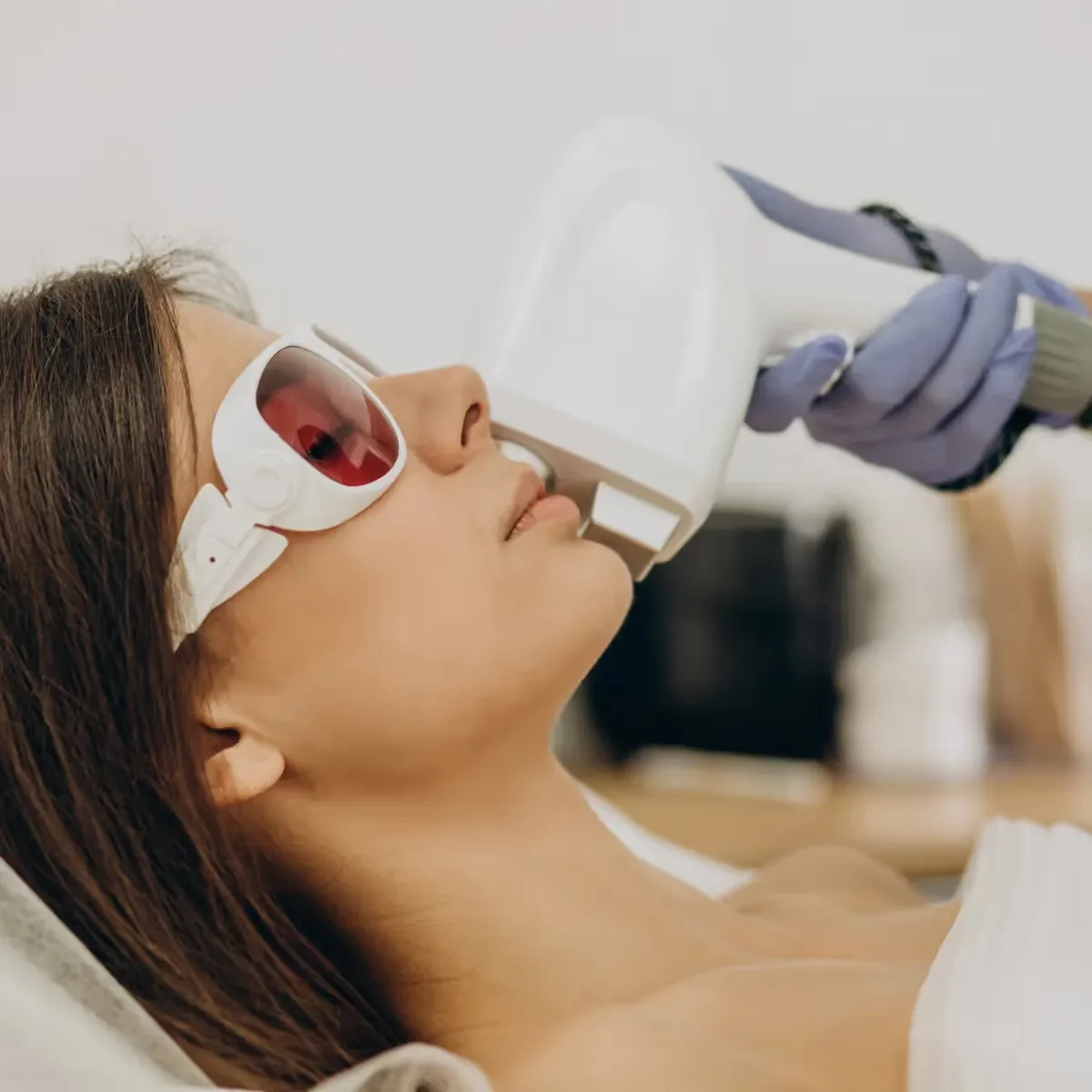
Laser hair removal operates on the principle of Selective Photothermolysis. The laser emits a specific wavelength of light that is absorbed by the melanin (pigment) in the hair. This light energy turns into heat, which damages the follicle.
In 2026, the three most common lasers for the lip area are:
- Alexandrite (755 nm): Excellent for light to olive skin with dark hair. It is fast but carries a higher risk for darker skin tones.
- Diode (800-810 nm): A versatile laser that can be adjusted for a variety of skin types. It often features advanced cooling tips to protect the lip's sensitive surface.
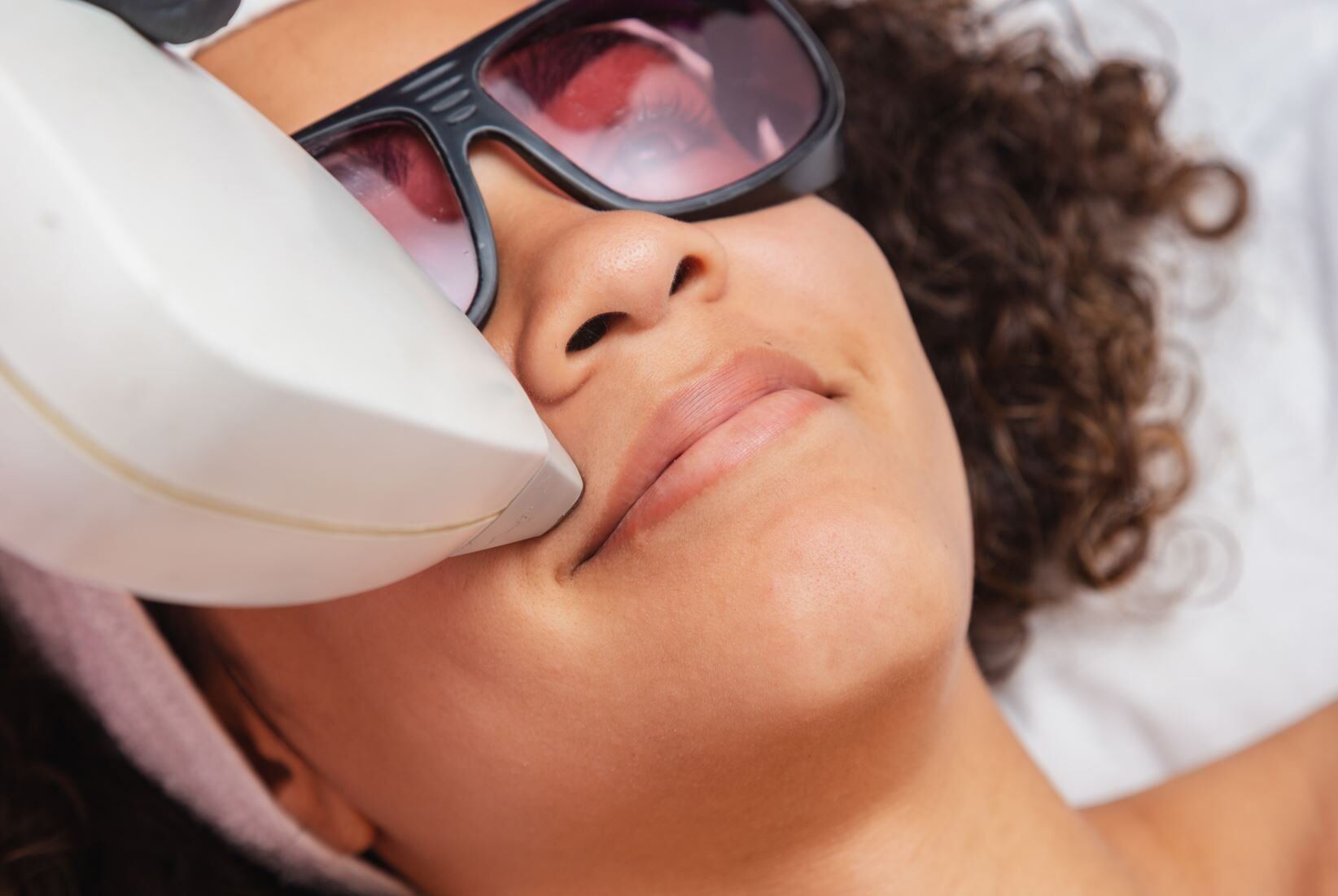
- Nd:YAG (1064 nm): The safest option for individuals with dark or black skin. Its longer wavelength bypasses the melanin in the skin and goes straight to the hair root, significantly reducing the risk of burns or hyperpigmentation.
Limitations of Laser
The primary limitation is contrast. The laser needs to distinguish the hair from the skin. If the hair is too light (blonde/white) or the skin is too dark (without using an Nd:YAG), the treatment will be either ineffective or dangerous. Furthermore, laser is generally not recommended for the fine vellus hair on the face, as there is a rare but documented risk of paradoxical hypertrichosis—a condition where the laser actually stimulates more hair growth in dormant follicles.
Comparing Permanent Lip Hair Removal Options
| Feature | Electrolysis | Laser Hair Reduction |
|---|---|---|
| FDA Classification | Permanent Hair Removal | Permanent Hair Reduction |
| Ideal Hair Color | All (including white/blonde) | Dark (brown/black) |
| Ideal Skin Color | All (I-VI) | Depends on laser (Nd:YAG for VI) |
| Sensation | Sharp pricking/stinging | Snap of a rubber band |
| Average Sessions | 15–30 sessions | 6–10 sessions |
| Precision | Individual follicle focus | Large areas treated quickly |
| 2026 Est. Cost/Session | $60 – $150 | $100 – $250 |
Hormonal Influence and "New" Growth
One of the most misunderstood aspects of permanent removal is the impact of hormones. The upper lip is a hormone-sensitive zone. Even if an electrologist successfully destroys every current follicle, the body has the capacity to "activate" dormant follicles due to shifts in androgens.
If a patient has an underlying condition like PCOS or is undergoing menopause, they may find that new hair continues to appear despite treatment. In these cases, permanent removal must be paired with medical management. Medications such as spironolactone or hormonal contraceptives are often used to stabilize androgen levels, ensuring that once the hair is gone, new follicles are not triggered to produce terminal hair.
Safety, Preparation, and Aftercare
The skin surrounding the mouth is thin and highly susceptible to irritation. Regardless of the method chosen, following a strict protocol is essential for preventing complications like post-inflammatory hyperpigmentation (PIH) or scarring.
Pre-Treatment Requirements
- Sun Avoidance: You must avoid sun exposure for at least two weeks prior to treatment. Tan skin (even a "healthy" glow) increases the risk of the laser targeting the skin instead of the hair.
- No Plucking or Waxing: For at least four weeks before your appointment, you must stop any method that removes the hair root. The root must be present for the laser or the electrolysis probe to be effective. Shaving is allowed (and required for laser).
- Review Medications: Certain medications, like isotretinoin (Accutane) or certain antibiotics, cause photosensitivity and are a contraindication for laser treatment.
Post-Treatment Care
- Cooling: Use cold compresses to reduce swelling immediately after the session.
- Avoid Heat: Stay away from saunas, hot showers, and intense exercise for 24–48 hours.
- Sun Protection: Apply a broad-spectrum SPF 30+ daily. The treated skin is extremely vulnerable to UV damage, which can lead to permanent dark spots.
- Topical Soothing: Use fragrance-free aloe vera or specialized post-electrolysis creams to calm the area. Avoid active ingredients like retinols or AHAs for at least five days.
Common Mistakes to Avoid
- Choosing Based on Price Alone: Facial hair removal requires extreme precision. An inexperienced technician using an improperly calibrated laser or an electrolysis probe at the wrong depth can cause permanent skin texture changes.
- Inconsistency: Skipping sessions allows hair to move out of the anagen phase, essentially resetting your progress and requiring more total treatments.
- Using At-Home Devices for the Lip: While at-home IPL (Intense Pulsed Light) devices exist, they are significantly less powerful than clinical-grade lasers. Using them on the lip carries a risk of eye injury (from the flash) and is often ineffective for the coarse hair found on the chin and upper lip.
Frequently Asked Questions
Does permanent lip hair removal hurt more than other areas? Yes, the upper lip is generally considered more sensitive than the legs or underarms due to the high density of sensory nerves. Many clinics offer topical numbing creams (like 5% lidocaine) which should be applied 30–60 minutes before the procedure to manage discomfort.
Can I get electrolysis if I have a pacemaker? Generally, no. Galvanic and Blend electrolysis involve an electrical circuit passing through the body, which can interfere with pacemakers or other electronic implants. Always consult your cardiologist and your electrologist before proceeding.
How long should the hair be before an electrolysis session? Unlike laser, where you should shave, electrolysis requires the hair to be long enough for the technician to grasp it with tweezers after the follicle has been treated. Usually, 1–2 millimeters (about 2–3 days of growth) is sufficient.
Is it safe to do laser hair removal while pregnant? Most practitioners and organizations, including the International Guild of Professional Electrologists, recommend waiting until after pregnancy. While there is no definitive evidence of harm, the hormonal changes during pregnancy can make treatment less effective and increase the risk of skin pigmentation (melasma).
What is the difference between IPL and Laser? IPL (Intense Pulsed Light) uses a broad spectrum of light, whereas a laser uses a single, concentrated wavelength. On the lip, IPL is generally less effective because it is less targeted, often requiring more sessions and carrying a higher risk of heating the surrounding skin.
Professional Recommendation
For the best results in 2026, a hybrid approach is often the most efficient path. Starting with 6 to 8 sessions of laser hair reduction can quickly eliminate the majority of dark, coarse hairs. Once the hair growth has slowed and only fine or light-colored hairs remain, switching to electrolysis for "clean-up" ensures that every remaining follicle is permanently addressed. Always begin with a consultation that includes a patch test and a review of your hormonal health to ensure the selected method aligns with your biology.
Image Gallery