Does Life Insurance Cover Suicide in the UK? Exclusions, Rules, and Payout Terms Explained
In the UK, most individual life insurance policies cover death by suicide, provided the policy has been active beyond the initial exclusion period—typically 12 or 24 months from the start date. If death by suicide occurs after this tim...
In the UK, most individual life insurance policies cover death by suicide, provided the policy has been active beyond the initial exclusion period—typically 12 or 24 months from the start date. If death by suicide occurs after this timeframe and the policyholder disclosed all relevant medical history accurately during application, insurers will generally pay out the full sum assured to beneficiaries.
Contents
Disclaimer: This guide provides technical financial and insurance information for educational purposes. If you or someone you know is struggling with mental health, distress, or suicidal thoughts, confidential support is available 24/7. You can call the Samaritans free in the UK at 116 123 or visit Samaritans for immediate assistance.
How the Suicide Exclusion Clause Works in the UK
The primary mechanism governing suicide coverage in United Kingdom life insurance policies is the suicide exclusion clause (sometimes called the suicide contestability period). Designed to mitigate anti-selection risk—where an individual might purchase policy coverage with the specific intention of taking their own life shortly thereafter—this clause defines a fixed initial window during which death by suicide is excluded from coverage.
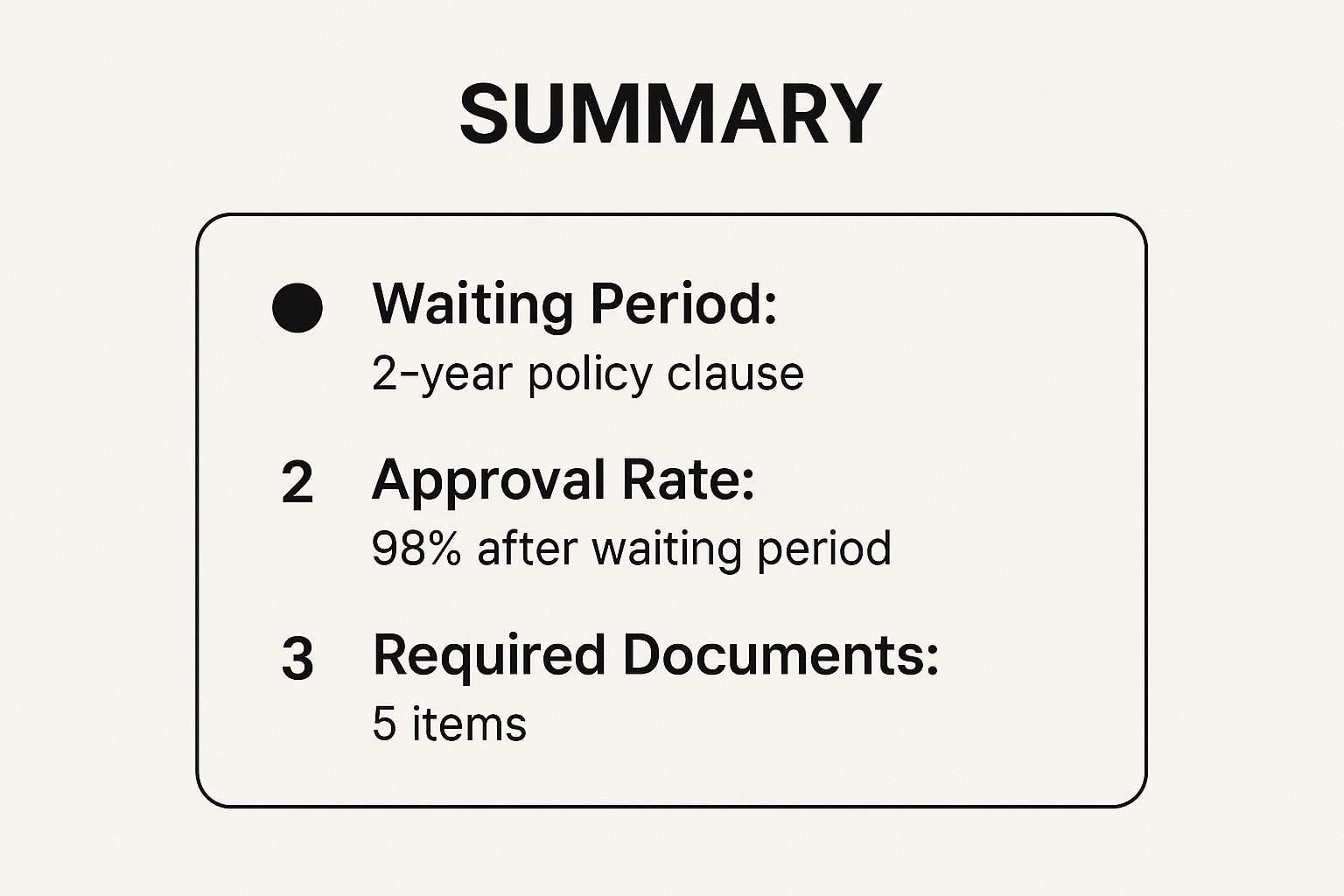
During this exclusion period, which ranges between 12 and 24 months depending on the specific provider and policy terms, the insurer will not pay out the main death benefit if the policyholder dies by suicide or intentional self-inflicted injury.
What Happens During the Exclusion Period?
If the policyholder dies by suicide within the initial exclusion period:
- No Death Benefit: The core sum assured will not be paid to the estate or beneficiaries.
- Refund of Premiums: In most standard UK policies, insurers will refund the total premiums paid from the policy inception date up to the date of death, though some policies specify a forfeiture of premiums depending on the contract terms.
What Happens After the Exclusion Period Expires?
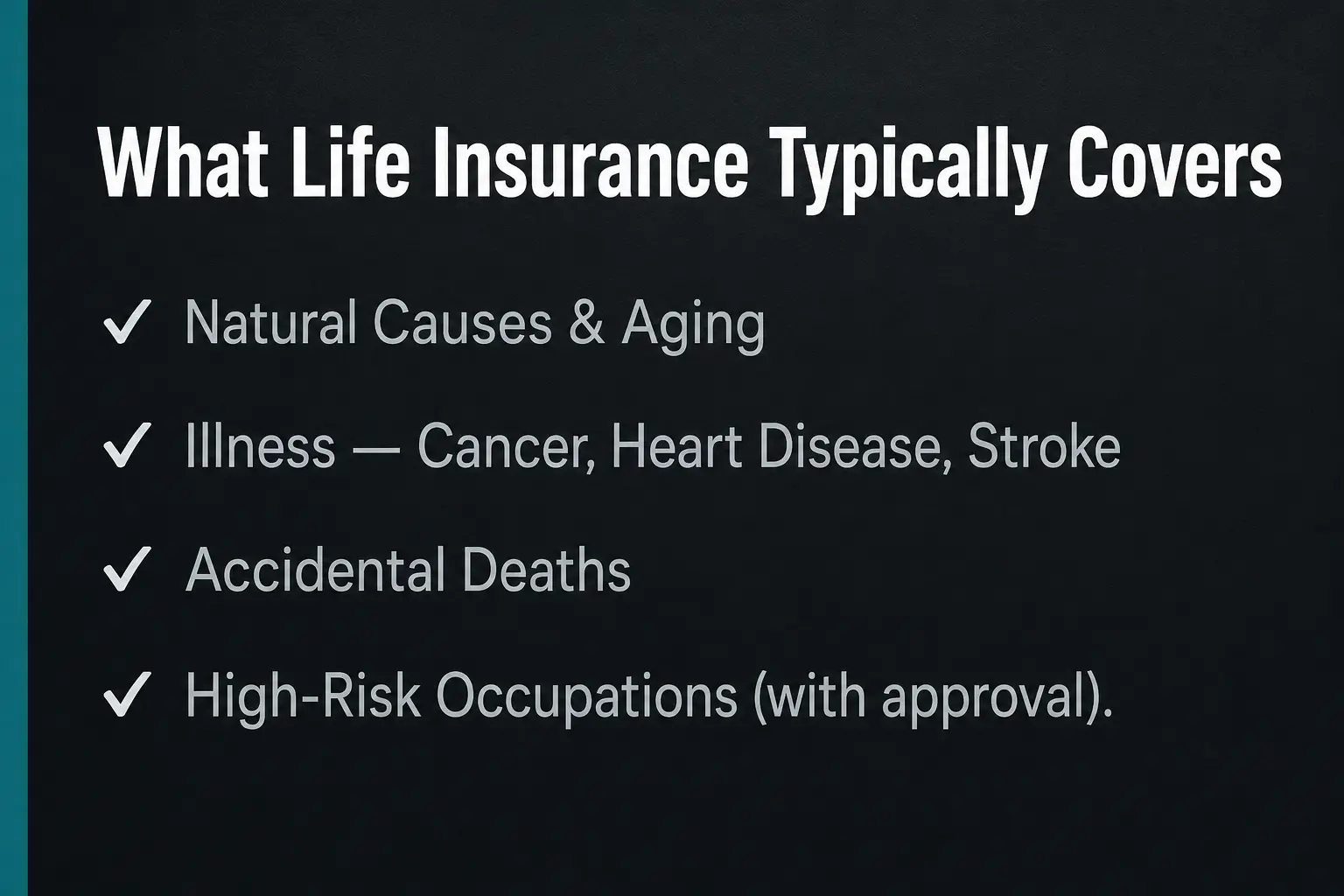
Once the exclusion window (e.g., 365 days) has elapsed, suicide is treated by UK life insurers in the exact same manner as death resulting from any physical illness, such as cancer or heart disease. As long as the policy remains in force, premiums are up to date, and no material misrepresentation occurred during the original application, the insurer is legally obligated to pay the full agreed claim amount.
Changes, Reinstatements, and Policy Top-Ups
It is critical to note that the suicide exclusion timer can reset or apply selectively under certain operational triggers:
- Policy Reinstatement: If a policy lapses due to missed premium payments and is subsequently reinstated, the insurer may apply a new 12-month suicide exclusion window starting from the reinstatement date.
- Coverage Top-Ups (Sum Assured Increases): If an existing policyholder increases their coverage amount (for example, adding £100,000 of coverage due to moving to a larger home), the additional sum assured will typically be subject to a fresh exclusion period starting from the date of the increase, while the original coverage amount remains protected under its initial timeframe.
- Switching Providers: Replacing an existing policy with a new contract from a different provider immediately resets the exclusion period back to day one under the new policy terms.
The Role of Medical Disclosure and Underwriting
While the suicide exclusion clause sets a time limit on claims, the single most common reason a life insurance claim involving suicide is rejected after the exclusion period is material non-disclosure during the initial underwriting process.
In the UK, consumer contracts are governed by the Consumer Insurance (Disclosure and Representations) Act 2012 (CIDRA). Under CIDRA, policyholders have a duty to take reasonable care not to make a misrepresentation to the insurer when applying for insurance.
Disclosing Mental Health History
When applying for life insurance in the UK, insurers ask specific questions about medical history, including mental health conditions such as:
- Clinical depression or anxiety
- Bipolar disorder, schizophrenia, or psychosis
- Past episodes of self-harm or suicidal ideation
- History of psychiatric hospitalisation or prescribed psychiatric medication
If an applicant fails to disclose a pre-existing mental health condition or past history of suicidal ideation, the insurer may argue that it was deprived of vital underwriting context. If a claim is subsequently submitted for death by suicide—even 5 or 10 years into the policy—the insurer will review the deceased's complete medical records (GP notes).
If the investigation reveals that the policyholder deliberately or carelessly concealed relevant mental health history when taking out the policy:
- Deliberate or Reckless Misrepresentation: The insurer has the legal right to void the policy entirely, decline the claim, and keep all premiums paid.
- Careless Misrepresentation: The insurer may adjust the claim payout proportionately based on what premium they would have charged had the true medical history been known, or decline the claim if they would not have offered cover at all.
Will Pre-Existing Mental Health Issues Prevent Coverage?
Having a history of mental health struggles does not mean an individual is barred from obtaining life insurance. UK insurers assess risk individually. Depending on the severity, frequency, and recency of the symptoms:
- Standard Rates: Applicants with mild, well-controlled anxiety or situational depression (e.g., following bereavement) often secure standard premium rates without exclusions.
- Rated Premiums: Applicants with moderate or ongoing conditions may be offered cover with an increased monthly premium ("loaded premium") to reflect higher risk.
- Specific Exclusions or Postponement: In cases of recent severe mental illness or suicide attempts (typically within the last 12 to 24 months), an insurer might postpone the application until a period of stability is demonstrated, or offer cover with specific terms.
Suicide Rules Across Different Types of UK Life Insurance
Not all life insurance policies treat death by suicide in the exact same manner. The specific structure of the product influences how and when coverage applies.
| Insurance Policy Type | Suicide Exclusion Window | Impact of Pre-Existing Mental Health | Key Conditions for Claim Payout |
|---|---|---|---|
| Level Term Life Insurance | 12 to 24 Months | Requires full disclosure during signup | Full payout after exclusion window |
| Decreasing Term (Mortgage Cover) | 12 to 24 Months | Requires full disclosure during signup | Pays remaining mortgage balance |
| Whole of Life Assurance | 12 to 24 Months | Requires full disclosure during signup | Permanent cover; pays after window |
| Over-50s Life Insurance (Guaranteed Acceptance) | 12 to 24 Months (or full moratorium period) | No medical questions asked | Payouts restricted if suicide occurs during initial qualifying window |
| Group Life / Death in Service (Employer Provided) | Typically NONE (Day 1 cover) | No individual medical underwriting | Full payout from day 1 of employment; covered under pooled group risk |
1. Term Life Insurance (Level & Decreasing)
Standard term life policies—whether level term (where the payout remains constant) or decreasing term (commonly used to cover a repayment mortgage)—almost universally include a standard 12-month suicide exclusion clause. After 12 months, death by suicide is fully covered up to the remaining sum assured.
2. Whole of Life Assurance
Whole of life policies provide ongoing coverage until the policyholder dies, whenever that occurs. Similar to term insurance, whole of life policies contain a standard 12- or 24-month suicide clause. Once this initial period passes, the contract pays out the benefit upon death by suicide.
3. Over-50s Fixed Life Plans (Guaranteed Acceptance)
Over-50s plans do not require medical underwriting or GP reports. To balance the risk of taking on individuals without medical screening, these policies enforce a strict waiting period (usually 12 or 24 months), often called a "moratorium." If the policyholder dies of any natural cause or suicide within this waiting period, the plan usually pays out only a full refund of premiums paid to date rather than the full lump sum sum. Full sum payout applies to suicide only after this waiting period ends.
4. Group Life Insurance (Employer Death in Service)
Group Life Insurance offered through UK employers as part of a benefit package operates differently from individual cover:
- Immediate Coverage: Most employer group life policies cover death by suicide from day one of employment, without a 12-month exclusion clause.
- No Individual Underwriting: Because risk is pooled across the entire workforce, individual medical disclosures are rarely required up to a certain high payout limit ("free cover limit"). Consequently, claims involving suicide under group schemes are rarely declined on medical non-disclosure grounds.
Legal and Administrative Process During a Claim
When a policyholder dies by suicide in the UK, the claim process involves specific legal and regulatory steps that beneficiaries and executors must navigate.
The Role of the Coroner and Inquest
In England, Wales, and Northern Ireland, any sudden, unexpected, or violent death must be referred to a Coroner (in Scotland, the Crown Office and Procurator Fiscal Service investigates).
Because suicide cannot be declared without legal verification, the coroner will hold an investigation and potentially an inquest.
- Standard of Proof: Following the landmark Supreme Court ruling in R (Maughan) v Senior Coroner for South London [2020], the legal standard of proof for a verdict of suicide at a coroner's inquest was adjusted from the criminal standard ("beyond reasonable doubt") to the civil standard ("on the balance of probabilities").
- Interim Death Certificates: Insurers require proof of the cause of death before processing a claim. A coroner will issue an Interim Death Certificate while an inquest is pending. However, many UK life insurers will pause the final payout assessment until the formal inquest concludes and the final cause of death is officially registered, which can take several months.
How Insurers Process Suicide Claims
- Claim Notification: The executor or beneficiary contacts the insurance company to notify them of the death.
- Documentation Review: The insurer requests the formal Death Certificate, policy schedule, and completed claim forms.
- Medical History Verification: The insurer requests access to the deceased’s full medical records from their GP or the NHS trust to check the initial application disclosure against recorded pre-existing conditions.
- Exclusion Check: The insurer verifies the exact date the policy was issued against the date of death to confirm the suicide exclusion period had ended.
- Settlement: If all criteria are satisfied, the lump sum payout is disbursed to the named beneficiaries, trust trustees, or the legal estate.
If an insurer wrongfully delays or declines a valid claim, beneficiaries in the UK have the right to submit a formal grievance and escalate the issue to the Financial Ombudsman Service (FOS), an independent body that settles disputes between consumers and financial businesses.
Crucial Steps When Applying for Cover or Reviewing a Policy
For individuals purchasing life insurance or reviewing existing cover, maintaining transparency is essential to ensure future financial protection for loved ones.
1. Be Fully Honest on Mental Health Disclosures
Always answer all health questions accurately during the application. Disclosing past depression, therapy, or medication may result in a slightly higher monthly premium, but it guarantees that the policy remains valid and legally enforceable should a claim ever occur.
2. Verify the Suicide Clause Window
Always check the policy's specific terms and conditions under sections titled "Exclusions" or "What Is Not Covered." Confirm whether the suicide exclusion window is 12 months or 24 months, and check whether policy alterations reset this clock.
3. Consider Placing the Policy in Trust
Placing a life insurance policy in a flexible or absolute trust ensures that when a valid claim is paid out (including claims arising after the suicide exclusion window), the funds pass directly to the named beneficiaries without waiting for probate or being subjected to Inheritance Tax (IHT).
Frequently Asked Questions
Can life insurance be denied if a mental health condition was not disclosed?
Yes. If an applicant fails to disclose a documented history of mental illness or self-harm when asked, the insurer may decline the claim under material non-disclosure rules established by CIDRA 2012. This applies regardless of how long the policy has been active.
Does changing or upgrading a life insurance policy reset the 12-month suicide clause?
Yes, for the upgraded or replacement portion. If you cancel an existing policy and start a new policy with a different insurer, a new 12-to-24-month suicide exclusion period begins immediately on the new policy's start date. If you simply increase the benefit amount on an existing policy, the new suicide clause usually applies only to the increased portion of cover.
What happens if a coroner returns an "open verdict"?
An open verdict (or narrative verdict) means the evidence was insufficient to definitively conclude whether the death was accidental, self-inflicted, or intentional. If a death occurs within the initial 12-month exclusion period, the insurer bears the burden of proof to show that the death was intentionally self-inflicted before declining a claim. If they cannot prove intentionality, the claim may be paid out.
Are military or high-risk profession life insurance policies different regarding suicide?
Specialist life insurance policies for armed forces personnel or high-risk workers still follow standard suicide exclusion clauses (typically 12 months). However, military policies may feature separate exclusions related to active war zones or combat operations, which are distinct from standard suicide exclusion terms.
Does death in service cover suicide from day one in the UK?
In most cases, yes. Employer-sponsored Group Life Insurance (Death in Service) typically covers suicide from the employee’s first day of work, as coverage is provided on a collective basis without individual underwriting or standard 12-month exclusion periods.
Summary and Mental Health Support Resources
Life insurance policies in the UK are structured to provide financial safety nets for families while managing insurer risk. Death by suicide is covered under standard individual UK policies once the initial exclusion period (typically 12 months) has elapsed, provided all health questions were answered honestly during underwriting.
If you are currently experiencing mental health distress, feeling overwhelmed, or having thoughts of self-harm, please reach out for immediate help. Professional, confidential support is available around the clock:
- Samaritans: Call 116 123 (Free, 24/7 UK helpline) or email jo@samaritans.org | samaritans.org
- NHS Crisis Services: Call 111 to reach NHS mental health services, or visit NHS Urgent Mental Health Help
- Mind: Call 0300 123 3393 or visit mind.org.uk for information and advocacy
- Papyrus HOPELINE247: Call 0800 068 4141 (For young people under 35 experiencing suicidal thoughts)
Image Gallery