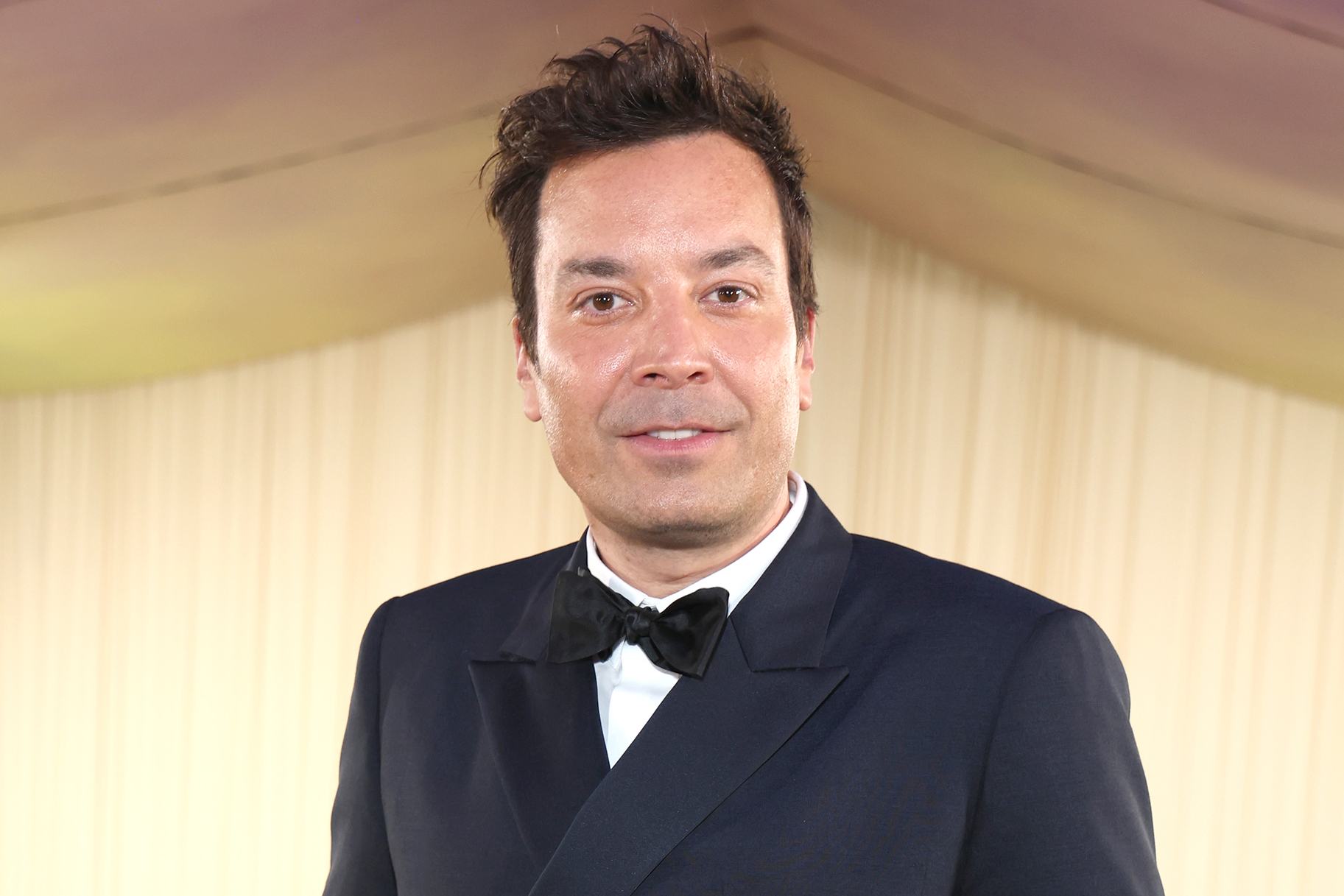
Jimmy Esebag, Playboy Brand Chairman, and the History of Complex Litigation
Jimmy Esebag, the chairman of United Brands Worldwide, served as Playboy’s Chairman of Global Licensing and Chairman of the Americas following the company’s privatization in 2011. His tenure became synonymous with a series of high-stak...
Jimmy Esebag, the chairman of United Brands Worldwide, served as Playboy’s Chairman of Global Licensing and Chairman of the Americas following the company’s privatization in 2011. His tenure became synonymous with a series of high-stakes legal battles between United Brands and Playboy Enterprises regarding long-term licensing rights, contract terminations, and multi-million-dollar arbitration awards.
Contents
The Intersection of Jimmy Esebag and the Playboy Empire
To understand the litigation involving Jimmy Esebag and Playboy, one must first understand the foundational partnership between Esebag’s United Brands Worldwide (UBW) and Playboy Enterprises. For over two decades, Esebag was not merely a consultant but a primary architect of Playboy’s transition from a publishing-centric entity to a global lifestyle brand. Through United Brands, Esebag held the licenses for a vast array of Playboy-branded apparel, accessories, and consumer products across several global territories.
In 2011, when Hugh Hefner partnered with the private equity firm Rizvi Traverse Management to take Playboy Enterprises private, Jimmy Esebag played a pivotal role. As part of the restructuring, he was appointed to the high-profile positions of Chairman of Global Licensing and Chairman of the Americas. This role was intended to streamline the brand’s intellectual property (IP) monetization. However, the alignment between the new corporate leadership and Esebag’s existing licensing empire soon fractured, leading to nearly a decade of legal proceedings that redefined the brand's commercial strategy.
The Origins of the Licensing Conflict
The core of the "Esebag vs. Playboy" litigation stems from the inherent tension between a brand owner (Playboy) and a dominant master licensee (United Brands). As Brand Chairman, Esebag had significant influence over how the "Rabbit Head" logo was deployed globally. Concurrently, his company, United Brands, owned the rights to manufacture and distribute products using that very logo.
By 2012, the relationship began to deteriorate. The new management at Playboy Enterprises, seeking to regain tighter control over their IP and potentially negotiate more lucrative deals with new partners, moved to terminate or limit United Brands’ long-standing licenses.
The Breach of Contract Allegations
The litigation typically centered on three primary areas:
- Exclusivity Rights: United Brands argued that they held exclusive, long-term rights that could not be summarily terminated without massive compensation.
- Royalty Disputes: Playboy alleged that United Brands had failed to meet certain minimum royalty payments or reporting standards required under their agreements.
- Fiduciary Duties: Because Esebag held a corporate title (Brand Chairman) while also owning a licensee company, questions arose regarding potential conflicts of interest and whether actions taken in one role unfairly benefited the other.
Key Legal Battles and Arbitration Outcomes
The litigation was not a single trial but a fragmented series of lawsuits and arbitrations spanning multiple jurisdictions, including California and Delaware.
The 2013 Breach of Contract Suit
In 2013, United Brands filed a significant lawsuit against Playboy Enterprises, seeking roughly $25 million in damages. The claim alleged that Playboy had breached the terms of their licensing agreement by interfering with UBW’s ability to conduct business and by attempting to "poach" sub-licensees. Esebag’s legal team argued that Playboy was attempting to manufacture a "default" in the contract to escape a long-term obligation that had become inconvenient for the brand's new private-equity-driven goals.
The $25 Million Arbitration Award
One of the most notable developments in this saga was an arbitration ruling that initially favored United Brands. An arbitrator found that Playboy had indeed breached certain aspects of the agreement. This resulted in a significant financial judgment against Playboy Enterprises. For a period, this legal victory solidified Esebag's position, signaling to the market that United Brands' "legacy" licenses were legally robust.
The Delaware Court of Chancery Involvement
Because Playboy Enterprises was incorporated in Delaware, many of the disputes regarding corporate governance and the "Brand Chairman" role ended up in the Delaware Court of Chancery. These proceedings focused on whether the termination of Esebag’s executive role was handled according to the bylaws established during the 2011 privatization.
| Year | Primary Entity | Legal Focus | Outcome/Status |
|---|---|---|---|
| 2011 | Playboy/Rizvi | Privatization/Executive Appointment | Esebag named Brand Chairman |
| 2013 | United Brands | Breach of Contract ($25M) | Initiated against Playboy |
| 2014 | Playboy Ent. | Counter-suit/Termination | Attempt to void UBW licenses |
| 2016 | Arbitration | Damages Assessment | Major award in favor of United Brands |
| 2020+ | Global IP | Brand Reclamation | Playboy (PLBY Group) moves toward in-house models |
Analysis of the "Brand Chairman" Dual Role
The title of Playboy Brand Chairman held by Jimmy Esebag was unique in corporate history. Unlike a traditional Chairman of the Board, this role was specifically designed to bridge the gap between the creative legacy of Hugh Hefner and the commercial realities of global retail.
However, from a legal perspective, this dual role created a "double-edged sword."
- The Benefit: It allowed for a unified vision where the person directing the brand's image (Esebag) was the same person executing the product strategy (United Brands).
- The Liability: When interests diverged—such as when Playboy wanted to pivot to a different fashion aesthetic or higher price point—Esebag’s contractual rights as a licensee stood in the way of his mandates as a corporate officer.
The litigation often highlighted this friction. Playboy’s legal teams argued that Esebag used his chairmanship to protect his licensing interests, while Esebag’s team argued that Playboy used corporate restructuring as a pretext to illegally seize his hard-earned business assets.
The Transition to PLBY Group and Modern Implications
By 2026, the landscape of this litigation is largely viewed through the lens of corporate history, though its effects remain visible in how PLBY Group, Inc. (the successor to Playboy Enterprises) manages its IP. The multi-year legal battle with Esebag served as a "cautionary tale" for the company, leading them to eventually move toward a model of more direct ownership and "owned-and-operated" commerce rather than relying on massive, all-encompassing master licenses.
The resolution of the Esebag litigation was a prerequisite for Playboy’s eventual return to the public markets via a SPAC merger in 2021. Investors required clarity on whether the brand's most valuable licenses—many of which were held by Esebag’s United Brands—were secure or subject to ongoing litigation. The eventual "winding down" or settlement of these disputes allowed the brand to clear its balance sheet of significant legal contingencies.
Legal and Business Considerations for Stakeholders
For those analyzing the history of Jimmy Esebag and Playboy, several key takeaways emerge regarding brand management and contract law:
- Termination for Convenience vs. Cause: The litigation underscored the difficulty of terminating "evergreen" licenses. Playboy discovered that without explicit "termination for convenience" clauses, removing a dominant licensee like United Brands requires proving a material breach, which is a high evidentiary bar.
- Conflict of Interest Documentation: The Esebag era highlights the necessity of robust "conflict of interest" waivers when a major vendor or licensee is also given an executive or advisory role within the parent company.
- Arbitration Clauses: The fact that much of this dispute was handled in arbitration rather than open court limited the public's view of the specific evidence but also resulted in binding financial decisions that were difficult for Playboy to appeal.
Disclaimer: This article provides a historical and analytical overview of corporate litigation and business roles based on available records. It does not constitute legal or financial advice. For specific legal inquiries regarding current IP rights or contract status, consult a qualified attorney.
Frequently Asked Questions
Who is Jimmy Esebag?
Jimmy Esebag is a prominent French businessman and the chairman of United Brands Worldwide. He is best known for his long-term partnership with Playboy Enterprises, where he managed global licensing and briefly served as the Brand Chairman and Chairman of the Americas.
What was the main cause of the lawsuit between United Brands and Playboy?
The primary cause was a dispute over licensing rights. United Brands alleged that Playboy Enterprises breached their long-term contracts and interfered with their business operations. Playboy countered that United Brands failed to meet contractual obligations, leading to an attempt to terminate their licenses.
Did Jimmy Esebag win his litigation against Playboy?
The litigation involved multiple rulings. Notably, an arbitrator awarded United Brands a significant sum (reported around $25 million) after finding that Playboy had breached its agreements. However, the overall legal saga involved various settlements and adjustments as Playboy restructured its corporate entity.
Is Jimmy Esebag still the Brand Chairman of Playboy?
No. Following the corporate transformation of Playboy into the PLBY Group and its subsequent pivot in business strategy, Esebag no longer holds the title of Brand Chairman. The company has moved toward different leadership and licensing structures.
What happened to the Playboy licenses held by United Brands?
Over the years, many of the licenses held by United Brands have either expired, been settled, or been transitioned back to Playboy as the parent company sought to consolidate its "Rabbit Head" IP under direct control.
Practical Recommendations for Brand Licensing
If you are involved in high-level brand licensing or executive management, the Esebag-Playboy history suggests several best practices:
- Define Exit Strategies Early: Ensure that every licensing agreement has clear, phased exit strategies to avoid decade-long litigation when a brand decides to pivot its image.
- Separate Governance from Operations: Avoid giving master licensees executive titles that could create fiduciary duty conflicts, or ensure such roles are strictly advisory with no voting power on IP matters.
- Audit Regularly: Maintain rigorous third-party auditing of royalty reports to ensure that "material breach" triggers are clearly documented if a partnership sours.
Image Gallery