How a Hydrating Exfoliating Body Scrub Works: The Science of Smooth Skin
A hydrating exfoliating body scrub works by simultaneously removing dead skin cells through mechanical or chemical friction while infusing the newly exposed layers with moisture. This dual-action process utilizes abrasive particles or...
A hydrating exfoliating body scrub works by simultaneously removing dead skin cells through mechanical or chemical friction while infusing the newly exposed layers with moisture. This dual-action process utilizes abrasive particles or acids to break cellular bonds, followed by humectants and occlusives that seal in hydration, preventing the dryness often caused by traditional exfoliation.
Contents
The Dual Mechanism of Action: Exfoliation and Hydration
To understand how a hydrating exfoliating body scrub works, one must first look at the two distinct biological and chemical processes occurring on the skin's surface. Traditional scrubs often focus solely on the removal of debris, which can leave the skin’s moisture barrier compromised. However, a hydrating formulation addresses the "stripping" effect by replenishing lipids and water content during the same application window.
Exfoliation is the process of removing the oldest dead skin cells on the skin's outermost surface, the stratum corneum. In a healthy skin cycle, this happens naturally through a process called desquamation. However, factors such as age, environmental pollutants, and weather can slow this cycle down, leading to a buildup of cells that appear dull, flaky, or rough.
The hydration component of these scrubs relies on two types of ingredients: humectants and emollients. While the exfoliant clears the "roadblock" of dead cells, the hydrating agents are able to penetrate more effectively. Humectants like glycerin or hyaluronic acid draw water into the skin, while emollients and occlusives like shea butter or jojoba oil create a protective seal to prevent transepidermal water loss (TEWL).
The Science of Exfoliation: Breaking the Cellular Glue
The "exfoliating" part of the scrub typically functions through one of two methods: mechanical or chemical.
Mechanical Exfoliation
This is the most common form found in body scrubs. It involves physical particles—such as sugar, salt, coffee grounds, or finely ground nut shells—that manually rub away dead cells.
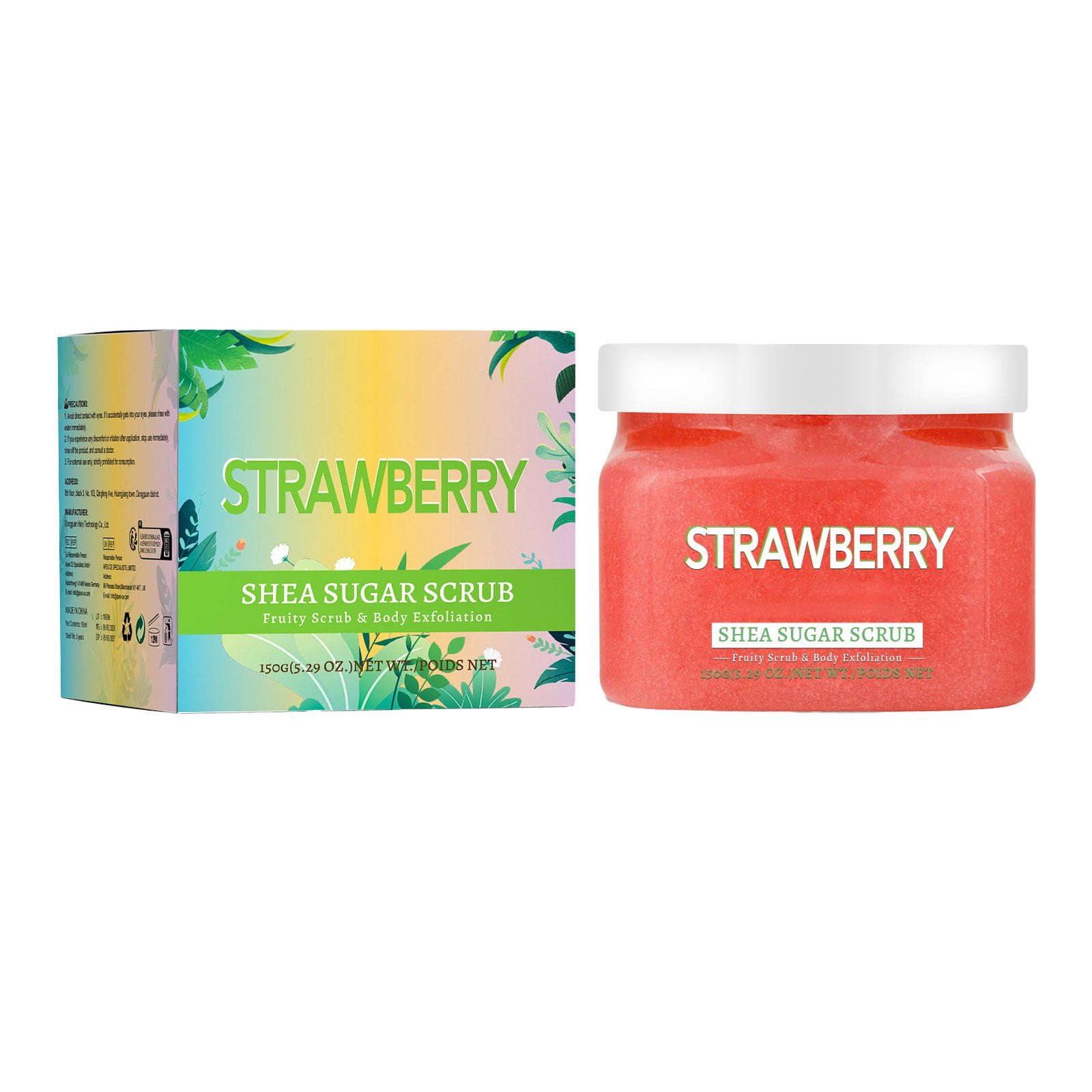
- Sugar: Often preferred in hydrating scrubs because sugar is a natural humectant. It is less abrasive than salt because the granules are rounder and dissolve more quickly in water, reducing the risk of micro-tears.
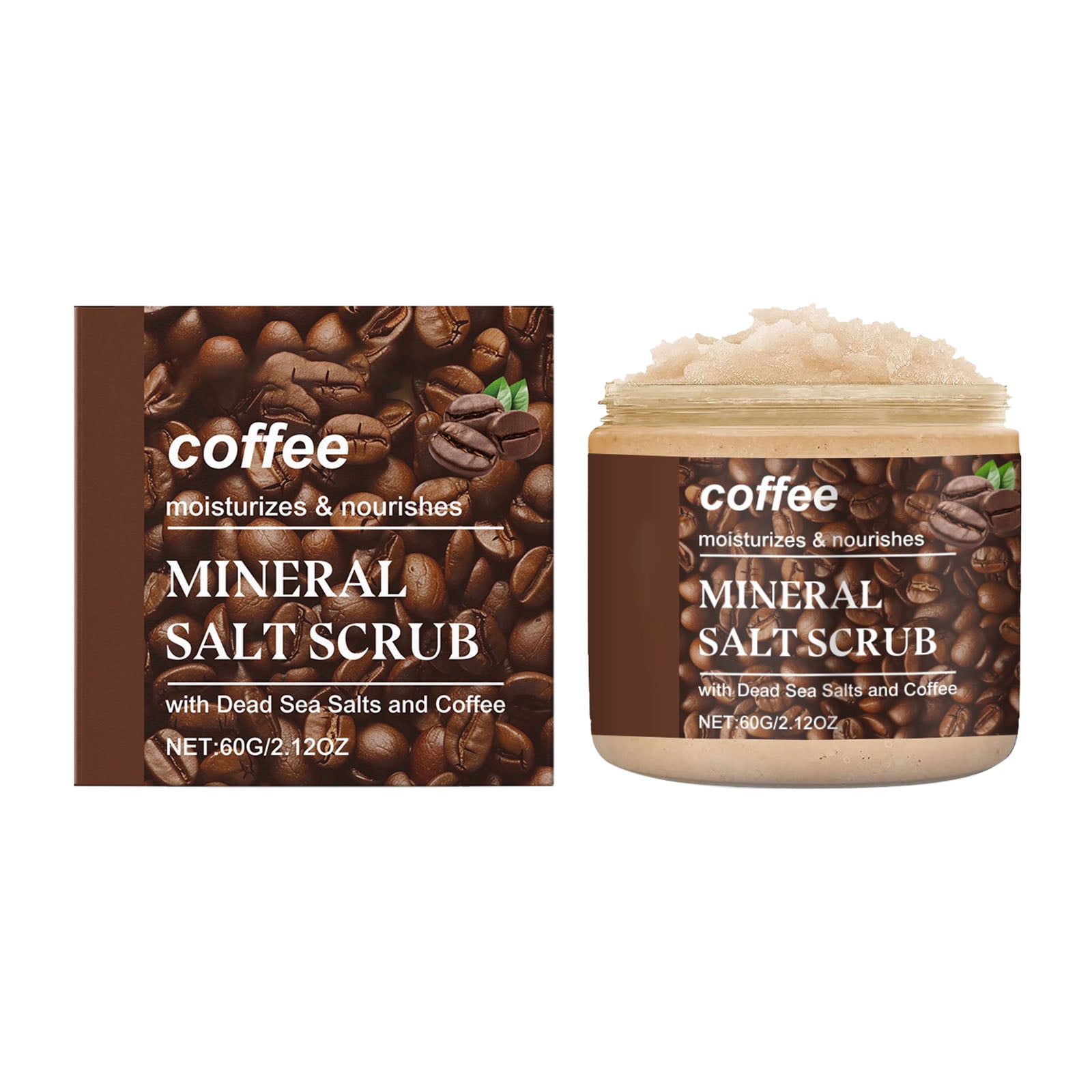
- Salt: Generally more abrasive and used for "tougher" areas like elbows and feet. Salt scrubs also have the added benefit of drawing out toxins through osmotic pressure, though they require significant oil content to remain "hydrating."
Chemical Exfoliation
Some modern hydrating scrubs incorporate Alpha Hydroxy Acids (AHAs) like lactic acid or glycolic acid. These do not rely on friction. Instead, they work by dissolving the intercellular "glue" (desmosomes) that holds dead skin cells together. Lactic acid is particularly popular in hydrating formulations because it is a natural part of the skin’s moisturizing factor and is less irritating than other acids.
How Hydration is Delivered During the Process
The efficacy of a hydrating scrub depends on its delivery system. When you apply the scrub to damp skin, the exfoliant begins to lift the dead keratinocytes. As these cells are removed, the underlying "fresh" skin is highly receptive to topical treatments.
- Preparation of the Surface: By removing the layer of dead cells, the scrub eliminates the barrier that usually prevents lotions and oils from penetrating deeply.
- In-Shower Absorption: Many hydrating scrubs use carrier oils (like almond or grapeseed oil). Because the skin's pores are often dilated by the warmth of the shower, these oils can settle into the skin more effectively than they would on dry, un-exfoliated skin.
- The Emulsion Effect: As the scrub is rinsed away, many formulations are designed to leave a thin, breathable film of moisture behind. This is why skin often feels "slippery" or exceptionally soft immediately after rinsing; the occlusive ingredients have already begun to repair the skin barrier.
Biological Impact on the Epidermis and Skin Barrier
The skin barrier, or acid mantle, is a thin, slightly acidic film on the surface of the skin that acts as a barrier to bacteria and viruses. Traditional, harsh soaps and non-hydrating scrubs can disrupt this pH balance. A well-formulated hydrating scrub is designed to maintain a pH level close to the skin's natural 4.7 to 5.7.
When you exfoliate, you are essentially sending a signal to the deeper layers of the dermis (specifically the basal layer) to produce new cells. This increase in cell turnover can help improve skin elasticity and tone over time. By including hydrating elements, the scrub ensures that the new cells are not immediately subjected to environmental stress and dehydration, which can lead to inflammation.
Research published via the National Institutes of Health highlights the importance of the skin barrier in preventing dermatitis. Hydrating scrubs specifically target this by reinforcing the lipid bilayer that keeps the skin’s structure intact.
Key Ingredients in Hydrating Exfoliants
The effectiveness of these products in 2026 is largely driven by the synergy of their ingredients. Below is a breakdown of the most common components found in high-quality hydrating scrubs.
| Ingredient Category | Examples | Primary Function |
|---|---|---|
| Physical Abrasives | Sugar, Salt, Jojoba Esters | Manually removes dead skin cells through friction. |
| Chemical Exfoliants | Lactic Acid, Gluconolactone (PHA) | Dissolves cellular bonds; PHAs are especially hydrating. |
| Humectants | Glycerin, Hyaluronic Acid, Honey | Attracts moisture from the air or deeper skin layers. |
| Emollients | Shea Butter, Squalane, Coconut Oil | Smoothes the skin surface and fills gaps between cells. |
| Occlusives | Beeswax, Petrolatum (refined), Cocoa Butter | Forms a protective layer to prevent moisture evaporation. |
| Antioxidants | Vitamin E, Green Tea Extract | Protects newly exposed skin from oxidative stress. |
Application Techniques for Maximum Efficacy
Knowing how a hydrating exfoliating body scrub works is only half the battle; application technique significantly impacts the results.
- Warm Water Prep: Start with a 5-10 minute warm shower. This softens the skin and opens the pores, making the dead cells easier to dislodge.
- The "Circular" Method: Apply the scrub in gentle, circular motions. This stimulates blood flow (vasodilation) to the skin's surface, which can help with lymphatic drainage and give the skin a healthy glow.
- Pressure Control: Let the granules do the work. Pressing too hard can cause redness or irritation, especially with salt-based scrubs.
- Rinse with Lukewarm Water: Hot water can strip the very oils the scrub is trying to provide. Lukewarm water allows the excess abrasive to wash away while leaving the hydrating film intact.
Benefits Beyond Soft Skin
While the immediate result is smoother skin, the long-term mechanics of using a hydrating scrub offer several dermatological advantages:
- Prevention of Ingrown Hairs: By keeping the follicle opening clear of dead skin buildup, hairs are less likely to curl back into the skin. This is particularly effective for those who shave or wax.
- Enhanced Absorption of Other Products: Because the "dead layer" is gone, your post-shower body lotions, serums, or tanning products will penetrate more deeply and evenly.
- Even Skin Tone: Regular exfoliation helps fade hyperpigmentation and "strawberry legs" (keratosis pilaris) by encouraging the transition of pigmented cells out of the epidermis.
- Circulatory Support: The physical action of scrubbing boosts local circulation, which can temporarily improve the appearance of the skin's texture and firmness.
Common Mistakes and Troubleshooting
Even with a hydrating formula, it is possible to misuse these products. Over-exfoliation is the most common error. If the skin feels tight, looks shiny (without being oily), or develops small red bumps, the skin barrier has likely been compromised.
According to the American Academy of Dermatology (AAD), it is vital to choose an exfoliant that matches your skin type. For instance, those with very dry or sensitive skin should opt for sugar-based scrubs with high oil content, as salt or harsh nut shells may cause micro-tears.
Another common issue is product separation. Because hydrating scrubs often contain heavy oils and solid particles, the oil may rise to the top. This does not mean the product is expired; it simply requires a quick stir to re-distribute the hydrating agents.
Frequently Asked Questions
How often should I use a hydrating exfoliating body scrub?
For most skin types, two to three times a week is ideal. Over-use can lead to "over-exfoliation," which damages the moisture barrier and leads to sensitivity. If you have sensitive skin, once a week may be sufficient to see results without causing irritation.
Can I use a hydrating body scrub on my face?
Generally, no. The skin on the face is much thinner and more sensitive than the skin on the body. Body scrubs usually contain larger, more irregular particles and higher oil concentrations that can cause micro-tears or clog pores (comedogenicity) on the facial skin. Always use a dedicated facial exfoliant.
Will a hydrating scrub help with "strawberry legs" (Keratosis Pilaris)?
Yes. Keratosis pilaris is caused by a buildup of keratin in the hair follicles. A scrub that combines physical exfoliation with hydrating AHAs (like lactic acid) is particularly effective at softening these keratin plugs and moisturizing the surrounding skin to reduce redness.
Is it necessary to moisturize after using a hydrating scrub?
While hydrating scrubs leave a moisturizing film, it is still recommended to apply a dedicated lotion or cream after drying off. The scrub prepares the skin for maximum absorption, and applying a moisturizer within three minutes of exiting the shower helps "lock in" the hydration provided by the scrub.
Can people with eczema use exfoliating scrubs?
Caution is required. While exfoliation can remove dry flakes associated with eczema, physical scrubbing can sometimes trigger a flare-up. If you have eczema, consult a dermatologist or look for extremely gentle, fragrance-free scrubs that use synthetic wax beads or very fine sugar.
Practical Recommendation
To get the most out of your skincare routine in 2026, look for a hydrating exfoliating body scrub that lists sugar or jojoba esters as the primary abrasive and ceramides or squalane as the hydrating agents. This combination ensures that while you are removing waste, you are actively repairing the skin's lipid barrier. Always perform a patch test on a small area of your leg before applying the product to your entire body to ensure no adverse reactions to the specific oils or fragrances used.
Image Gallery