Understanding How Federal Employment Attorneys Pay Is Based on the General Schedule Pay Scale
When evaluating compensation structures within the federal legal sector, many professionals and prospective clients discover that federal employment attorneys pay is based on the General Schedule pay scale. This standardized classifica...
When evaluating compensation structures within the federal legal sector, many professionals and prospective clients discover that federal employment attorneys pay is based on the General Schedule pay scale. This standardized classification system dictates base salary ranges according to a matrix of grades and steps, though specific exceptions exist for attorneys hired under specialized pay bands or executive schedules.
Contents
Introduction to Federal Legal Compensation and the General Schedule
Navigating the financial landscape of public-sector legal careers requires a clear understanding of how the United States government structures remuneration for its legal professionals. Unlike private law firms where partner draws, billable hours, and market-driven bonuses dictate earnings, federal agencies largely rely on uniform compensation structures.
The General Schedule (GS) pay scale serves as the foundational bedrock for white-collar federal civil service positions, including many attorneys working across executive departments, independent agencies, and administrative tribunals.
This framework provides transparency, predictability, and structured career progression. However, understanding how the system applies to legal professionals requires looking beyond the basic tables to examine occupational series classifications, geographic locality pay adjustments, and alternative pay systems that run parallel to the traditional GS schedule.
The Mechanics of the General Schedule (GS) Pay Scale
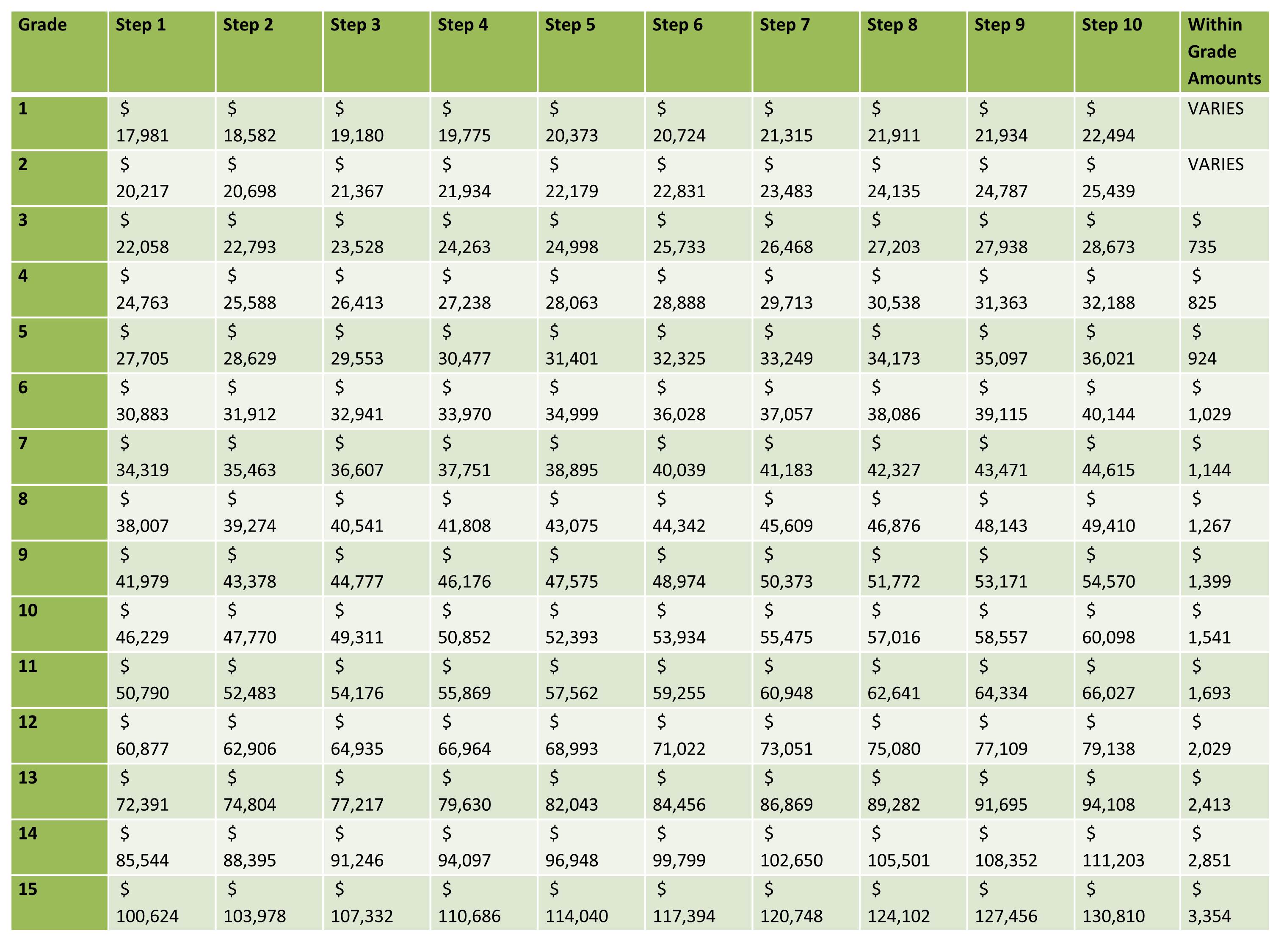
The General Schedule comprises 15 distinct grades (GS-1 through GS-15), each containing 10 vertical steps. For federal employment attorneys, entry-level positions typically begin at higher grades due to the educational prerequisites of holding a Juris Doctor (J.D.) degree and active bar membership.
Grade Levels and Educational Qualifications
Federal attorney positions generally start at the GS-11 or GS-12 level for recent law school graduates entering through honors programs or entry-level announcements. Attorneys with a few years of specialized litigation or administrative experience frequently enter at the GS-13 or GS-14 levels. Supervisory attorneys, senior agency counsel, and chief litigators often occupy GS-15 positions or transition into the Senior Level (SL) or Senior Executive Service (SES) pay bands.
Steps and Within-Grade Increases
Each GS grade features 10 steps that reflect longevity and satisfactory performance within a specific grade level:
- Steps 1 through 3: Typically advanced through on an annual basis, assuming the attorney meets acceptable levels of competence.
- Steps 4 through 6: Generally require two years of continuous service at the preceding step.
- Steps 7 through 10: Require three years of continuous service between steps.
Accelerated promotions are occasionally available through quality step increases (QSIs) for exceptional performance, though these are subject to strict agency budgeting and regulatory guidelines managed by the U.S. Office of Personnel Management (OPM).
Locality Pay Adjustments and Geographic Variations
Base pay rates under the General Schedule represent only a portion of an attorney's total compensation. Because the cost of living varies dramatically across the United States, OPM mandates locality pay adjustments that significantly increase the base GS rate depending on the official duty station.
For instance, a federal employment attorney stationed in the Washington, D.C.-Baltimore-Arlington locality area receives a substantial locality percentage added to their base pay, whereas an attorney working in a "Rest of U.S." designation receives a lower adjustment. When researching federal employment attorneys pay is based on the general schedule pay scale, factoring in the specific locality table is essential for accurate salary calculations. Major legal hubs such as New York, San Francisco, Los Angeles, and Chicago feature some of the highest locality adjustments in the federal system.
Attorney Pay Systems vs. Traditional General Schedule
While the traditional GS scale governs a vast majority of federal civil servants, the legal profession operates under unique statutory authorities that sometimes bypass standard GS rules to ensure agencies can recruit and retain top-tier legal talent.
The General Attorney (GS-0905) Series
Most attorneys within the federal government fall under the GS-0905 occupational series. These positions are strictly subject to the qualification standards established by OPM, requiring graduation from an accredited law school and active membership in a bar of a state, territory, or the District of Columbia. Within this series, the traditional GS grade-and-step progression remains the dominant model.
Alternative Pay Bands and Excepted Service
Certain agencies operate under Excepted Service authorities or alternative personnel systems that replace the standard 15-grade GS structure with broad pay bands. Examples include:
- The Department of Justice (DOJ): Employs thousands of attorneys across various divisions, litigating components, and U.S. Attorney's Offices, utilizing specialized pay schedules and merit-based advancement systems in certain offices.
- Financial Regulatory Agencies: Entities such as the Securities and Exchange Commission (SEC), the Federal Deposit Insurance Corporation (FDIC), and the Federal Reserve maintain independent statutory authority to set their own pay scales, often bypassing the traditional GS cap to remain competitive with private sector law firms.
- Defense and Intelligence Agencies: Organizations like the Department of Defense (DoD) utilize tailored personnel management systems (such as the Defense Civilian Intelligence Personnel System) that blend GS principles with market-sensitive pay banding.
Comparing Federal GS Pay and Private Sector Legal Salaries
A persistent point of discussion among legal professionals involves the financial trade-offs between public-sector service and private-firm employment. While private sector attorneys often command significantly higher nominal salaries—particularly at large corporate firms practicing big law—federal employment attorneys trade maximum earning potential for distinct career advantages.
| Feature | Federal GS Scale (GS-0905) | Private Sector Law Firms |
|---|---|---|
| Compensation Predictability | Highly structured via government pay tables and locality adjustments. | Variable, dependent on billable hours, firm revenue, and bonuses. |
| Work-Life Balance | Generally predictable 40-hour workweeks with robust leave policies. | High-pressure environments often exceeding 60–80 hours weekly. |
| Benefits and Retirement | Federal Employees Retirement System (FERS) and Thrift Savings Plan (TSP). | Private 401(k) plans with varying employer matching structures. |
| Job Security | Strong civil service protections following the probationary period. | At-will employment subject to economic downturns and firm performance. |
Frequently Asked Questions
Do federal employment attorneys receive annual salary increases?
Yes, federal employees typically receive an annual general pay adjustment determined by Congress and the President, alongside routine within-grade step increases based on time-in-grade and performance. Additionally, locality pay percentages are reviewed and adjusted annually by the President's Pay Agent to narrow the gap between federal and private sector wages in specific geographic regions.
Can a federal attorney negotiate their starting step or grade?
Under certain circumstances, agencies can utilize superior qualifications authorities to bring an attorney in at a higher step within a given grade. This requires justification demonstrating that the candidate possesses exceptional experience, specialized skills, or that the agency has a critical hiring need that would otherwise go unmet at Step 1.
Are federal attorneys eligible for bonuses and student loan repayment?
Many federal agencies utilize recruitment, relocation, and retention incentives (the "3Rs") to attract skilled attorneys. Additionally, numerous federal departments offer student loan repayment programs (SLRP), assisting public servants in paying down qualifying federal and private student loans in exchange for continued service agreements.
What is the maximum salary cap for attorneys on the General Schedule?
The absolute ceiling for standard General Schedule positions is capped at Level IV of the Executive Schedule. Locality pay adjustments often push raw calculations past this ceiling, meaning salaries are legally capped at the maximum rate permitted for Executive Schedule Level IV in that specific calendar year.
Conclusion and Next Actions
Understanding that federal employment attorneys pay is based on the general schedule pay scale provides a clear framework for evaluating public-sector legal careers. From navigating GS-11 entry points to securing senior counsel positions at the GS-15 level, the federal compensation structure offers unmatched job security, comprehensive benefits, and predictable progression. Candidates and researchers looking to explore specific earnings should consult current OPM pay tables for their targeted locality area or review specific job vacancy announcements on USAJOBS for exact grade level requirements and salary ranges.
Image Gallery