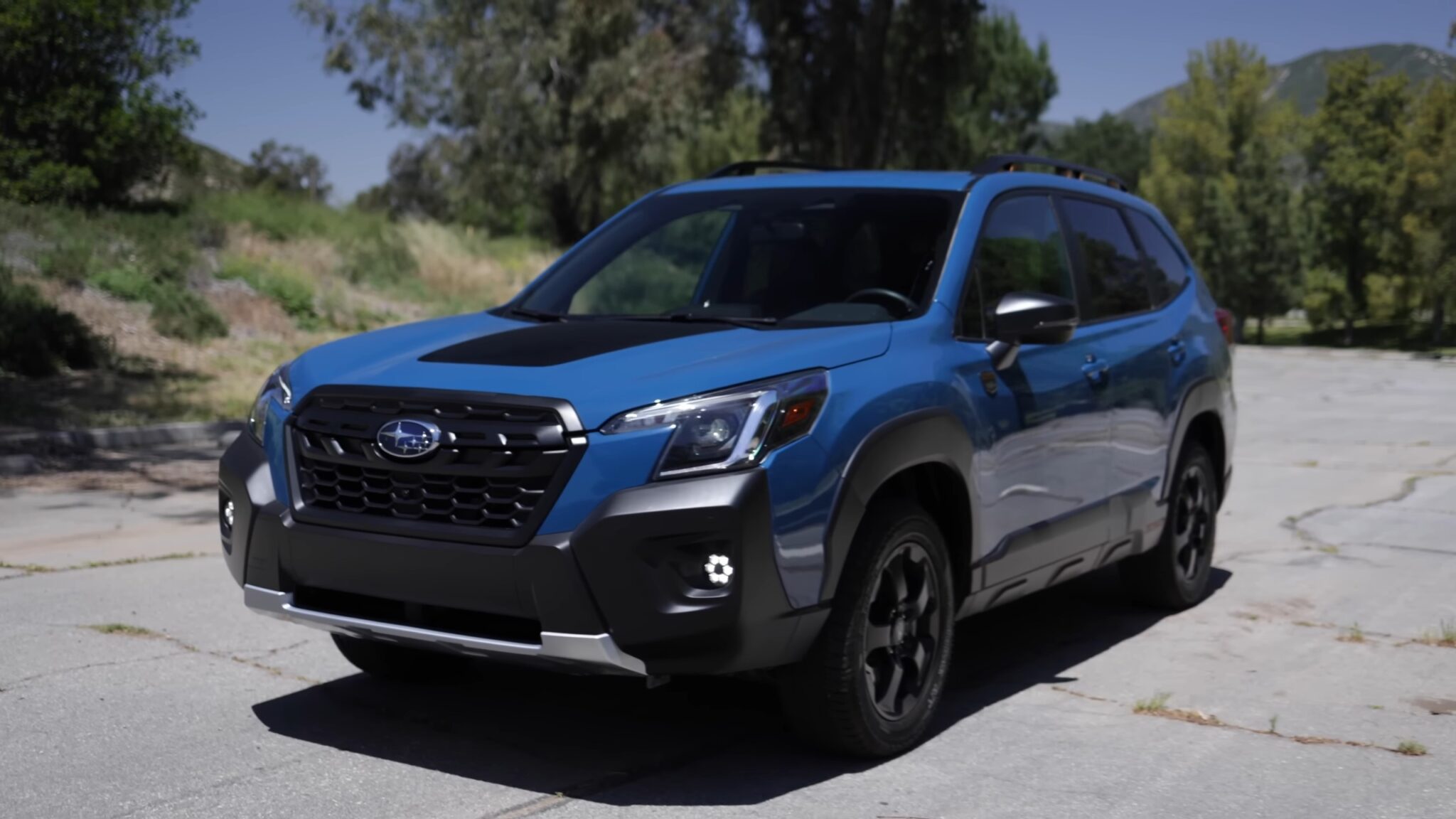
Comprehensive 2018 Subaru Forester Specs Overview
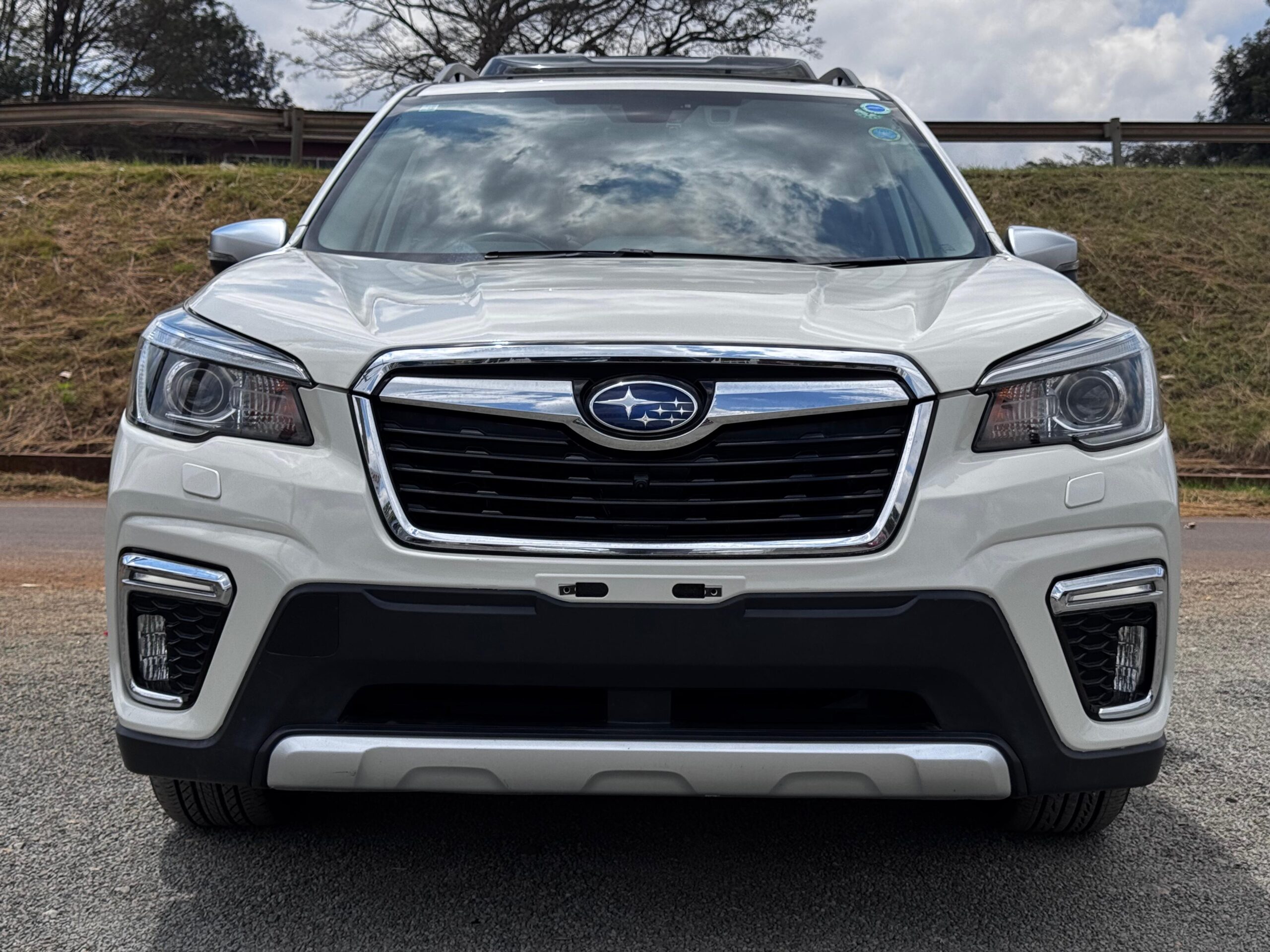
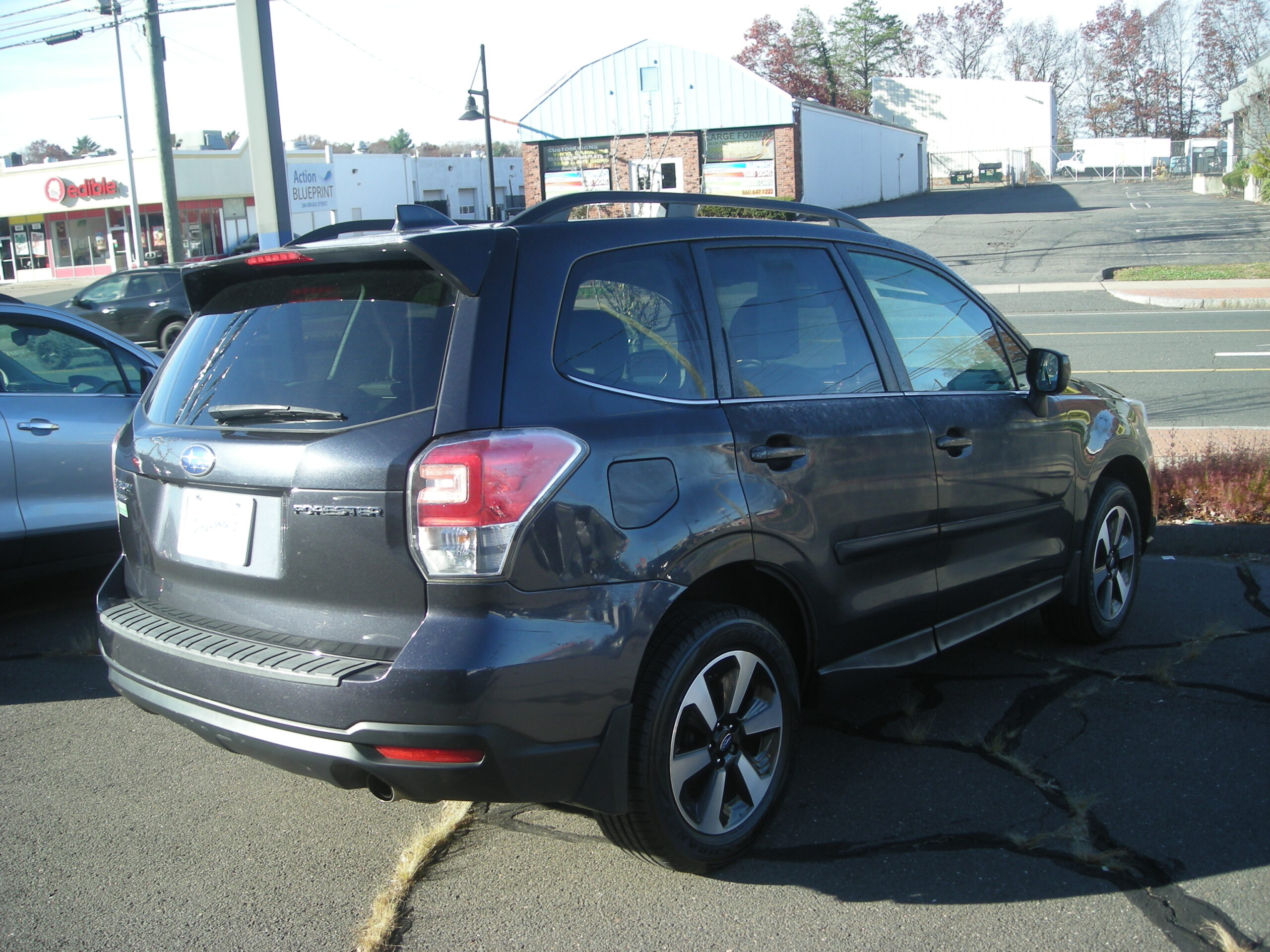
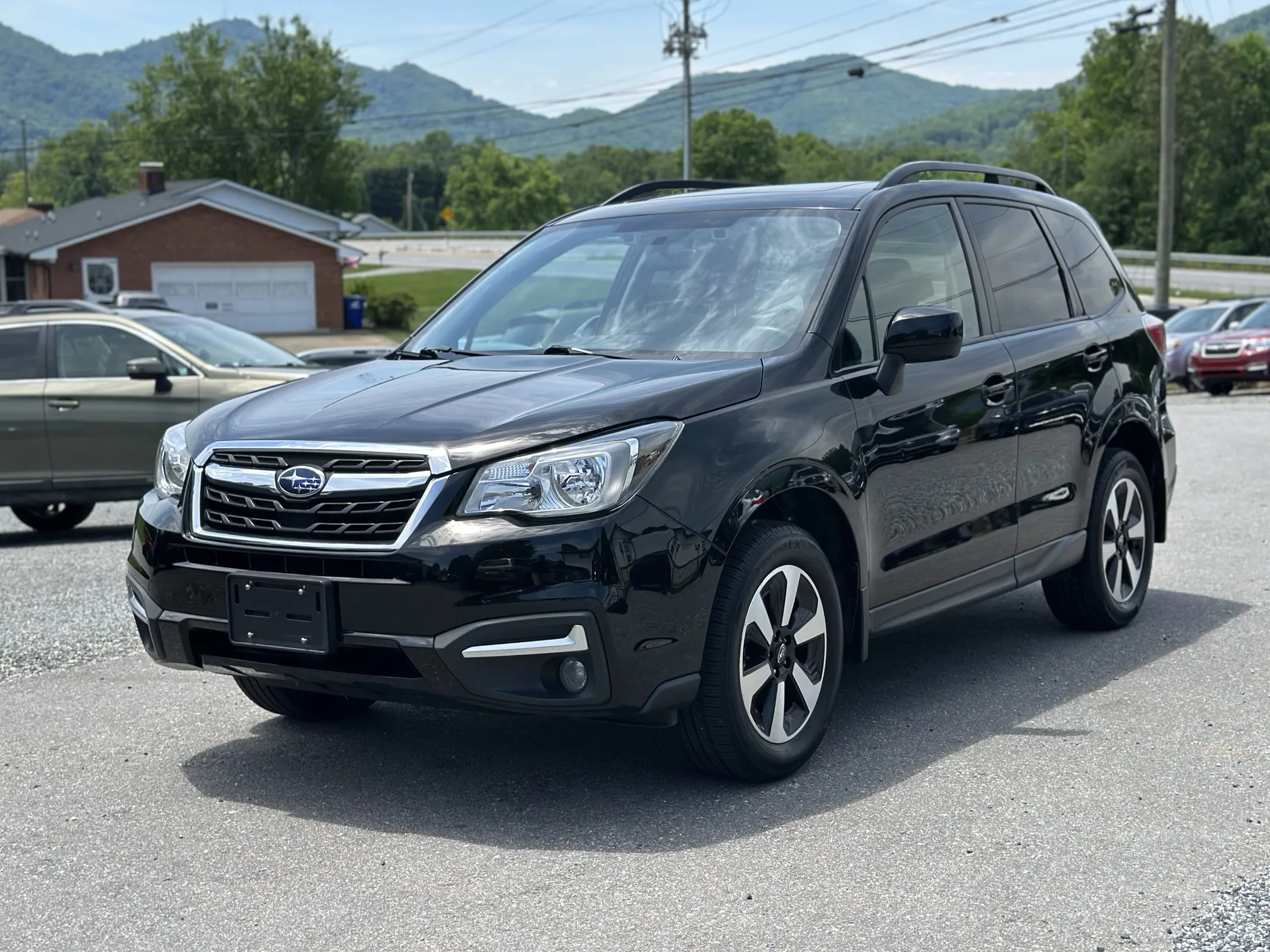
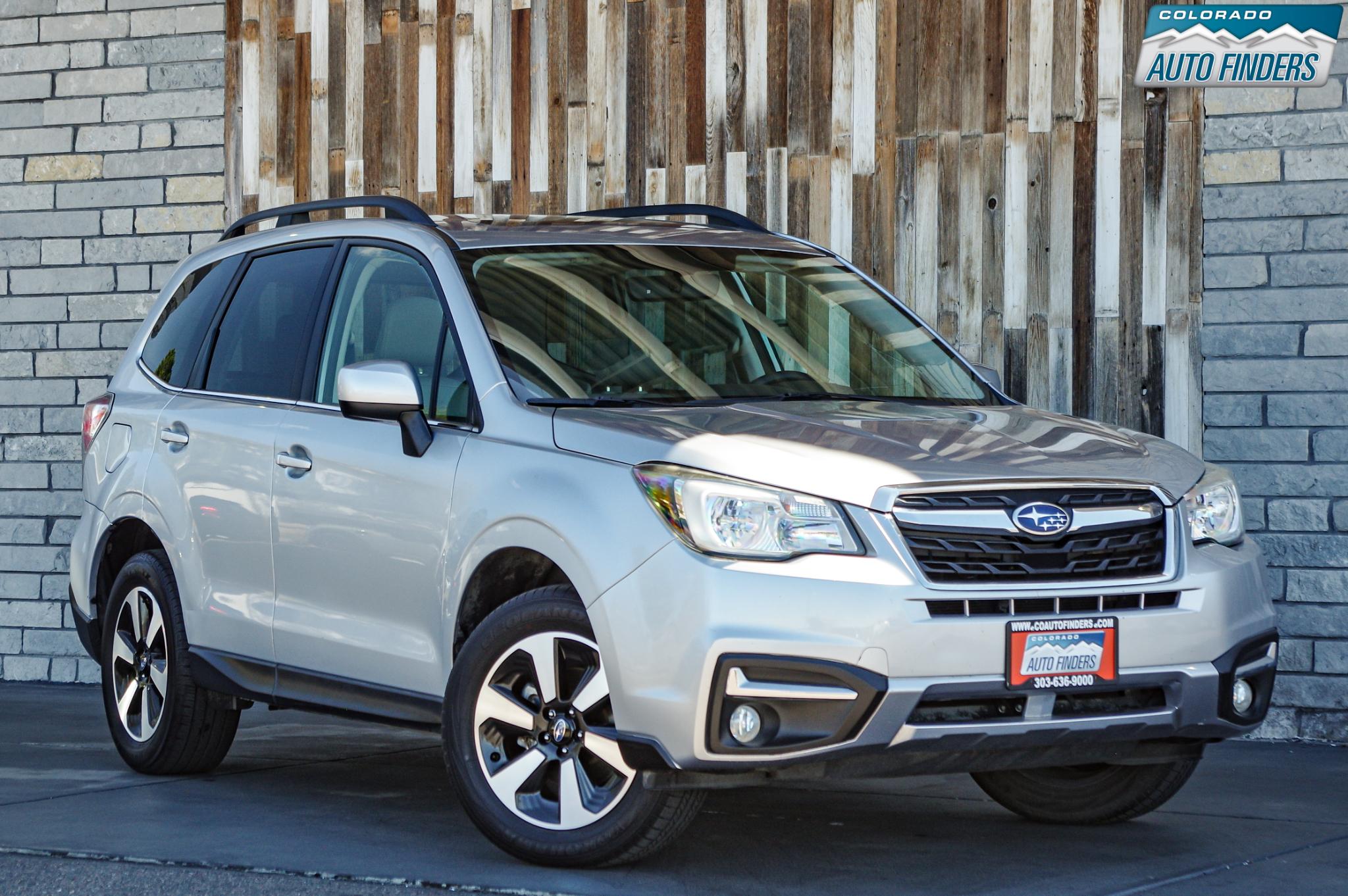
The 2018 Subaru Forester is a compact crossover SUV that represents the final production year of the fourth-generation "SJ" platform. It features two primary engine options—a 170-horsepower 2.5-liter naturally aspirated four-cylinder a...
The 2018 Subaru Forester is a compact crossover SUV that represents the final production year of the fourth-generation "SJ" platform. It features two primary engine options—a 170-horsepower 2.5-liter naturally aspirated four-cylinder and a 250-horsepower 2.0-liter turbocharged variant—paired with standard Symmetrical All-Wheel Drive and an industry-leading 8.7 inches of ground clearance.
Contents
Technical Specifications and Engine Performance
The 2018 Subaru Forester offered two distinct powertrains designed to balance efficiency with utility. Understanding these specifications is crucial for anyone evaluating the vehicle's long-term performance and mechanical reliability.
The 2.5-liter FB25 Engine
The majority of 2018 Forester models are equipped with the 2.5-liter FB25 Boxer engine. This naturally aspirated, horizontally opposed four-cylinder engine produces 170 horsepower at 5,800 rpm and 174 lb-ft of torque at 4,100 rpm. The Boxer layout is central to the Forester’s identity; by placing the cylinders horizontally, Subaru lowers the vehicle's center of gravity, which significantly improves handling stability and reduces body roll during cornering.
This engine utilizes a Double Overhead Cam (DOHC) design and features a timing chain rather than a belt, which reduces long-term maintenance costs. For the 2018 model year, the FB25 was paired with either a six-speed manual transmission (available only on the 2.5i base and 2.5i Premium trims) or a Lineartronic Continuously Variable Transmission (CVT).
The 2.0-liter FA20F Turbocharged Engine
For drivers seeking more spirited performance, the 2.0XT trims featured the 2.0-liter FA20F turbocharged engine. This powerplant utilizes direct injection and a twin-scroll turbocharger to produce 250 horsepower and 258 lb-ft of torque. Unlike the base engine, the 2.0XT was only available with a high-torque Lineartronic CVT that included a manual mode with paddle shifters, simulating eight gears.
The 2.0XT model is particularly significant in the Forester's history because the subsequent 2019 redesign (the fifth generation) discontinued the turbocharged option entirely. As of 2026, the 2018 XT remains a popular choice on the used market for those who prioritize acceleration and towing capability over maximum fuel economy.
Drivetrain and Symmetrical All-Wheel Drive
Every 2018 Subaru Forester comes standard with Symmetrical All-Wheel Drive (AWD), but the specific mechanics of the system vary depending on the chosen transmission.
- Manual Transmission Models: These utilize a continuous AWD system with a viscous-coupling locking center differential. It maintains a 50/50 front-to-rear power split under normal conditions. If wheels on one axle slip, the system mechanically transfers power to the axle with more traction.
- CVT Models: These use an electronically managed multi-plate transfer clutch system. This "Active Torque Split" AWD system adjusts power distribution in real-time based on acceleration, steering angle, and sensor data from the individual wheels.
X-MODE and Off-Road Capability
A standout feature for the 2018 model is X-MODE, which was standard on Limited and Touring trims and available on the Premium trim when equipped with the EyeSight package. X-MODE optimizes the engine output, AWD system engagement, and braking system to provide maximum traction on slippery surfaces. It also incorporates Hill Descent Control, which manages braking automatically when navigating steep, technical declines, allowing the driver to focus entirely on steering.
With a ground clearance of 8.7 inches, the 2018 Forester outperforms many of its contemporary rivals in off-pavement scenarios. This height allows it to clear obstacles like deep snow, ruts, and rocks that would bottom out other compact SUVs.
Interior Dimensions and Cargo Capacity
The 2018 Forester is widely recognized for its "greenhouse" design—large windows and slim pillars that provide exceptional 360-degree visibility. This functional design extends to the interior dimensions, making it one of the most spacious vehicles in its class for the 2018 model year.
| Specification | Measurement (Inches/Cubic Feet) |
|---|---|
| Wheelbase | 103.9 inches |
| Length | 180.9 inches |
| Width | 70.7 inches |
| Height (with roof rails) | 68.2 inches |
| Passenger Volume | 108.3 cu. ft. (103.3 with moonroof) |
| Cargo Volume (Rear Seats Up) | 34.4 cu. ft. (31.5 with moonroof) |
| Cargo Volume (Rear Seats Down) | 74.7 cu. ft. (68.5 with moonroof) |
| Headroom (Front/Rear) | 41.4 / 39.8 inches |
| Legroom (Front/Rear) | 43.0 / 38.0 inches |
The rear cargo area features a wide opening and a relatively low load floor, facilitating the transport of bulky items. The 60/40 split-folding rear seats allow for flexible configurations between passengers and gear. Higher trim levels, such as the Limited and Touring, also offered a power-adjustable liftgate with height memory, a useful feature for owners with low garage ceilings.
Safety Systems and Driver Assistance Technology
Subaru prioritized safety in the 2018 Forester, securing a Top Safety Pick+ rating from the Insurance Institute for Highway Safety (IIHS) when equipped with specific technology.
EyeSight Driver Assist Technology
The 2018 model featured the third generation of Subaru EyeSight. Unlike radar-based systems used by many manufacturers, EyeSight uses dual color cameras mounted near the rearview mirror to monitor the road. The system includes:
- Pre-Collision Braking: Can apply full braking force in emergency situations to avoid or mitigate a frontal collision.
- Adaptive Cruise Control: Maintains a set distance from the vehicle ahead, functioning at speeds from 0 to 90 mph.
- Lane Departure and Sway Warning: Alerts the driver if the vehicle unintentionally drifts out of its lane.
- Lane Keep Assist: Provides steering input to help keep the vehicle centered.
For the 2018 model year, Subaru made EyeSight more accessible by including it in more affordable option packages on the Premium and Limited trims, while making it standard on the Touring trim.
Passive Safety and Construction
The Forester is built on a ring-shaped reinforcement frame. This structure is designed to divert crash energy away from the passenger cabin during a collision. Standard safety equipment across all trims includes side-curtain airbags, a driver’s knee airbag, and a rearview camera.
Trim Level Breakdown
The 2018 Forester was offered in six distinct trim levels, each catering to different priorities regarding luxury and performance.
- 2.5i (Base): Includes 17-inch steel wheels, a 6.2-inch Starlink touchscreen, Bluetooth connectivity, and a backup camera.
- 2.5i Premium: Adds 17-inch alloy wheels, a panoramic power moonroof, a 10-way power driver's seat, and an upgraded 7.0-inch touchscreen. The All-Weather Package (heated seats/mirrors) became standard on the manual version and optional on the CVT.
- 2.5i Limited: Transitions to leather-trimmed upholstery, automatic climate control, a power liftgate, and blind-spot detection with rear cross-traffic alert.
- 2.5i Touring: The luxury flagship, featuring 18-inch alloy wheels, LED steering-responsive headlights, a heated steering wheel, and a premium Harman Kardon sound system.
- 2.0XT Premium: Combines the turbocharged engine with the features of the 2.5i Premium, adding larger brakes and sport-tuned suspension.
- 2.0XT Touring: Combines the turbocharged engine with all the luxury appointments of the 2.5i Touring.
Long-Term Reliability and Maintenance Considerations
As of 2026, the 2018 Forester has a well-documented reliability history. Being the final year of its generation, most of the "teething" issues found in earlier models (2014-2015) were addressed by the manufacturer.
Key Maintenance Areas
- CVT Fluid: While Subaru initially marketed the CVT fluid as "lifetime," many independent mechanics and high-mileage owners recommend a fluid exchange every 60,000 to 100,000 miles to ensure longevity.
- Oil Consumption: Earlier FB25 engines faced oil consumption issues; however, by 2018, these were largely resolved. Regular oil changes using synthetic 0W-20 oil remain critical.
- Wheel Bearings and Bushings: Like many AWD vehicles, the Forester can experience wear on rear wheel bearings and front control arm bushings as it approaches the 100,000-mile mark.
- EyeSight Calibration: If the windshield is replaced, the EyeSight cameras must be recalibrated by a certified technician to ensure the safety systems function correctly.
Frequently Asked Questions
Does the 2018 Subaru Forester have Apple CarPlay or Android Auto?
No, the 2018 Forester does not support factory-integrated Apple CarPlay or Android Auto. These features were introduced to the Forester line with the 2019 redesign. The 2018 model uses Subaru’s Starlink infotainment system, which offers Bluetooth, Pandora integration, and a suite of proprietary apps. Owners seeking modern smartphone integration typically opt for aftermarket head unit replacements.
What is the towing capacity of the 2018 Forester?
All trims of the 2018 Subaru Forester have a maximum towing capacity of 1,500 pounds when equipped with a proper hitch. This capacity is suitable for small utility trailers, jet skis, or lightweight pop-up campers. It is important to note that the tongue weight should not exceed 150 pounds.
Is the 2018 Forester good in the snow?
The 2018 Forester is widely considered one of the best vehicles in its class for winter driving. This is due to the combination of its Symmetrical AWD system, which provides proactive power distribution, and its 8.7 inches of ground clearance, which prevents the vehicle from getting "high-centered" in deep snow. Models equipped with X-MODE provide even greater confidence in treacherous conditions.
Which engine is better: the 2.5L or the 2.0T?
The "better" engine depends on your driving needs. The 2.5L engine is more fuel-efficient (EPA-rated 26 city / 32 highway mpg) and is generally simpler and less expensive to maintain. The 2.0T (turbocharged) engine offers significantly better highway passing power and a more engaging driving experience but requires premium 91-octane fuel for optimal performance and has lower fuel economy ratings (23 city / 27 highway mpg).
What are the main differences between the 2017 and 2018 models?
Changes for the 2018 model year were minimal. The most notable update was the introduction of the Black Edition package for the 2.5i Premium trim, which added black-finished wheels, darkened exterior accents, and specific interior upholstery. Additionally, EyeSight became more widely available across the trim range, and the 2.5i Touring trim received updated High Beam Assist as standard.
Final Recommendation for Buyers
In 2026, the 2018 Subaru Forester remains a pragmatic choice for drivers who prioritize visibility, ground clearance, and a proven mechanical platform. It is particularly valuable for those who want a turbocharged engine (the 2.0XT) without moving to a larger or more expensive vehicle, or for those who still prefer a manual transmission in an SUV. When shopping, prioritize vehicles with a documented service history, specifically looking for regular oil changes and CVT inspections, to ensure the vehicle continues to provide the longevity Subaru is known for.
Image Gallery