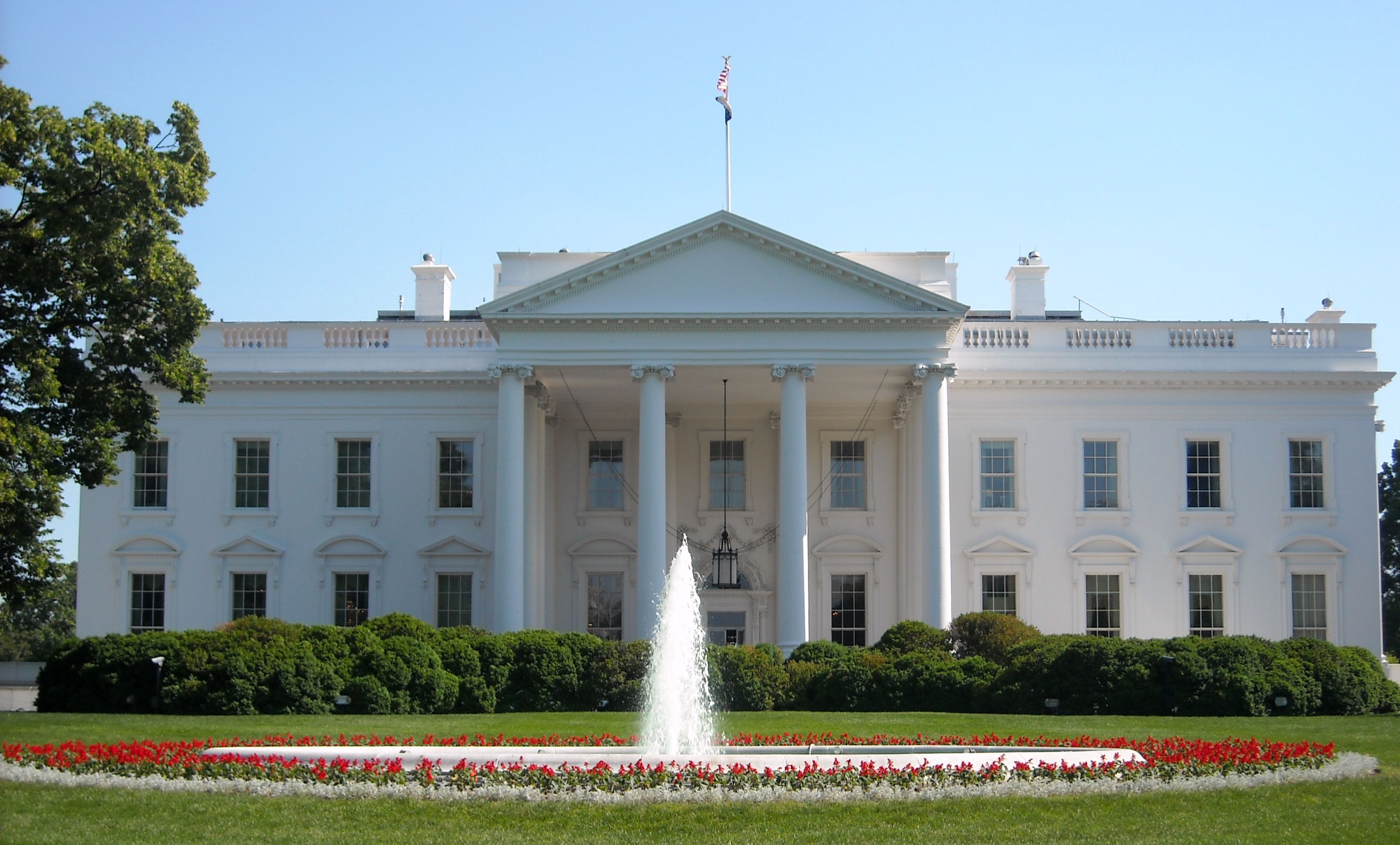
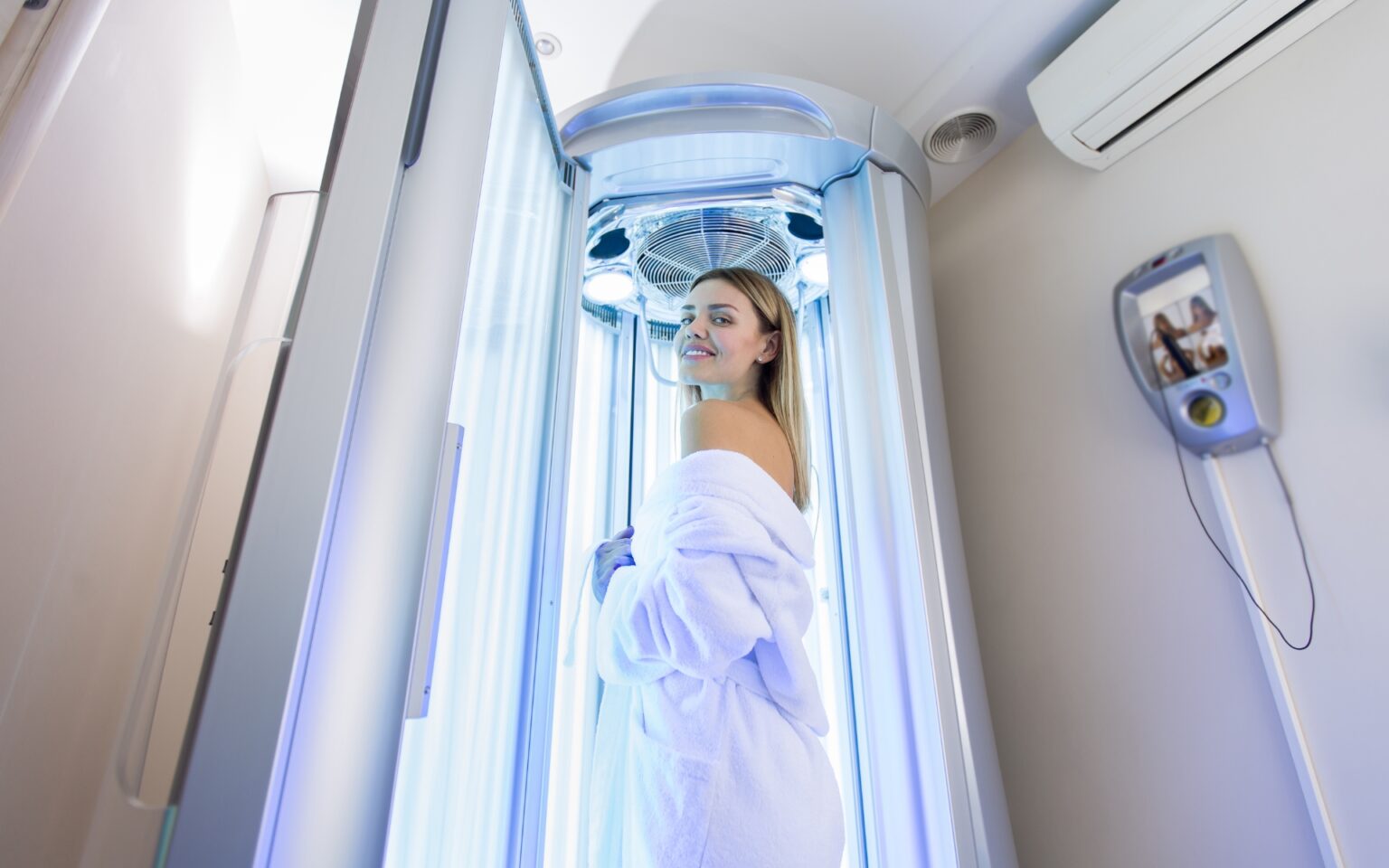
Is There a Tanning Bed in the White House? Fact-Checking Presidential Residence Rumors
No verifiable evidence confirms that a tanning bed has ever been installed in the White House. Although former White House aide Omarosa Manigault Newman claimed in her 2018 memoir that Donald Trump added one to the private residence, o...
No verifiable evidence confirms that a tanning bed has ever been installed in the White House. Although former White House aide Omarosa Manigault Newman claimed in her 2018 memoir that Donald Trump added one to the private residence, official administration representatives, executive staff, and detailed media investigations repeatedly denied the claim, attributing his complexion to cosmetic products and outdoor activity.
Contents
The Origins of the White House Tanning Bed Rumor
Speculation regarding artificial tanning equipment inside the Executive Mansion gained widespread public attention during the administration of Donald Trump. Known for his distinctive bronze skin tone, the 45th and 47th President frequently prompted questions from journalists, political commentators, and the general public regarding his daily skincare and grooming routine.
The primary source of the tanning bed rumor was Omarosa Manigault Newman, a former contestant on The Apprentice who served as Director of Communications for the Office of Public Liaison in the Trump White House. In her August 2018 book, Unhinged: An Insider's Account of the Trump White House, Manigault Newman alleged that a commercial tanning bed had been installed in the private residential quarters on the upper floors of the White House.
According to her account, the installation created friction between the President and executive residence personnel. She claimed that Chief Usher Angella Reid—the top administrative official responsible for managing the White House household—was dismissed in May 2017 partly due to disagreements surrounding the transportation, setup, and maintenance of the tanning unit.
However, Manigault Newman did not provide photographic evidence, official work orders, or secondary eyewitness confirmation in her publication. Because her departure from the administration was contentious, her assertions were met with significant skepticism from both political observers and White House historians.
Official Denials and Alternative Explanations for Presidential Grooming
Following the publication of Manigault Newman’s claims, the White House Press Office issued prompt denials. High-ranking administration officials, including former Communications Director Hope Hicks, consistently rejected the assertion that a tanning bed existed within the executive complex.
Investigative reporting by national outlets like The New York Times and The Washington Post sought to clarify the origin of the President's signature appearance through interviews with campaign staff, residence employees, and makeup artists. These reports pointed to three primary factors rather than indoor tanning equipment:
- Translucent Powders and Makeup: Multiple reporting projects revealed that the President applied specialized translucent powders and bronzers before television appearances and public speeches. Brand reports indicated a preference for specific Swiss-formulated facial powders, such as Bronx Colors, which were routinely stocked in executive dressing areas.
- Natural Sun Exposure: Former aides highlighted that Trump spent extensive time outdoors on weekends and holidays, primarily playing golf at course properties in Florida, New Jersey, and Virginia. Regular sun exposure combined with visor usage frequently resulted in uneven facial skin tones visible under high-definition cameras.
- Studio Lighting and White Balance: Broadcast camera crews and White House photography staff noted that the specific color temperature of studio fixtures and stadium lighting often magnified orange and bronze pigments in facial cosmetics, exaggerating the appearance of a tan on television broadcasts.
Senior administrative staff confirmed that while personal grooming items are routinely accommodated in the presidential residence, high-wattage ultraviolet (UV) tanning equipment was never installed or serviced by the National Park Service or the Usher's Office.
Actual Leisure and Health Amenities in the White House
While a tanning bed is absent from official inventories, the White House Executive Residence and the adjacent Dwight D. Eisenhower Executive Office Building contain numerous physical fitness, recreation, and personal care facilities. These amenities have been requested, modified, or restored by various chief executives over the past century.
- White House Recreation Facilities
- Ground Floor / Basement
- Bowling Alley
- Chocolate / Pastry Shop
- Flower Shop
- Doctor / Dental Clinic
- West Wing & Grounds
- Outdoor Tennis Court
- Outdoor Swimming Pool
- Basketball Hoops
- Putting Green
- Residence Upper Floors
- Family Fitness Center
- Private Hair Salon
- East Wing Complex
- Movie Theater
- Visitor Center
- Ground Floor / Basement
Registered Health and Physical Fitness Spaces
- The Private Fitness Center: Situated on the upper floors of the Executive Residence, this private gym contains cardiovascular machines, free weights, and resistance equipment selected to suit the active President and First Family.
- The White House Swimming Pools: President Franklin D. Roosevelt installed an indoor swimming pool in 1933 to assist with his polio therapy. Richard Nixon later covered this pool to build the Press Briefing Room. In 1975, Gerald Ford commissioned an outdoor swimming pool near the West Wing, which remains operational today.
- The Presidential Bowling Alley: Originally built for Harry S. Truman in 1947 in the West Wing basement, the bowling lanes were later relocated to the Eisenhower Executive Office Building. Richard Nixon subsequently built a private single-lane bowling alley directly under the North Portico driveway.
- Tennis and Basketball Courts: Dwight D. Eisenhower established a outdoor putting green near the Oval Office. Later, Barack Obama modified the existing tennis court to accommodate full-court basketball games by adding custom hoops and line markings.
- The Private Barber and Hair Salon: Located within the residential complex, a small single-chair salon allows visiting stylists or staff barbers to provide grooming services securely without requiring the President to travel off-site.
Comparison of Custom Personal Amenities Installed by U.S. Presidents
Throughout modern history, incoming presidents have adapted the living quarters and grounds to match their personal hobbies, health needs, and leisure preferences. The table below details documented amenities added or modified across recent administrations.
| President | Added or Modified Amenity | Location in Executive Complex | Current Status / Operational Use |
|---|---|---|---|
| Franklin D. Roosevelt | Heated Indoor Therapy Pool | West Wing (Underground) | Converted to James S. Brady Press Briefing Room (1970) |
| Harry S. Truman | Multi-Lane Bowling Alley | West Wing Basement | Relocated to EEOB Basement; fully operational |
| Gerald Ford | Outdoor Heated Swimming Pool | South Lawn (West of West Wing) | Operational for First Families and guests |
| Richard Nixon | Single-Lane Private Bowling Alley | Underground beneath North Portico | Maintained for presidential private use |
| Bill Clinton | Outdoor Quarter-Mile Jogging Track | South Lawn Perimeter | Removed during subsequent grounds maintenance |
| Barack Obama | Basketball Court Adaptation | Tennis Court Grounds | Dual-purpose tennis/basketball court active |
| Donald Trump | High-Definition Golf Simulator | Presidential Private Residence | Installed using private funds; operational |
Regulations Governing Modifications to the Executive Residence
The White House serves as a private residence, a public museum, and a primary executive office. Because of this tri-fold role, presidents cannot unilaterally make permanent structural changes or install major electrical infrastructure without approval from administrative oversight bodies.
- Proposed Residential Modification
- Office of the Chief Usher Review
- Review Bodies:
- Historical Integrity: Committee for the Preservation of the White House
- Technical/Electrical: National Park Service & Secret Service
- Final Presidential Approval (Private vs. Public Funds)
The Role of the Chief Usher
The Chief Usher manages the operation of the Executive Residence building and grounds. This official oversees domestic personnel, coordinate historical preservation, and evaluates any temporary or permanent physical modifications requested by the First Family.
If an item requires heavy electrical draw—such as high-wattage commercial tanning beds, specialized industrial kitchens, or medical suites—the Chief Usher works directly with the National Park Service and electrical engineering contractors to determine whether the building's historic infrastructure can safely accommodate the equipment.
Structural and Historic Oversight
Changes affecting the architectural integrity of state rooms or historic public spaces fall under the purview of the Committee for the Preservation of the White House. Created by Executive Order under President John F. Kennedy, this advisory body ensures that historical furniture, artwork, decorative accents, and architectural elements are preserved.
While the private living quarters on the second and third floors afford First Families substantial leeway regarding temporary decor and portable furniture, permanent alterations to walls, windows, and electrical systems require formal review to prevent damage to the historic structure.
Funding Rules: Public Appropriations vs. Private Funds
Federal law outlines strict boundaries regarding how alterations and personal equipment in the White House are financed:
- Public Appropriations: Congress allocates funds specifically for routine maintenance, safety upgrades, administrative operations, and official historical preservation managed by the Executive Residence budget.
- Private Presidential Allowance: Incoming presidents receive a designated stipend (historically around $100,000 per administration) to redecorate the private living quarters. If costs exceed this allowance—or if the President requests non-standard personal equipment such as custom exercise machines or golf simulators—the chief executive must pay out-of-pocket or rely on private donations made to the White House Historical Association.
Common Urban Legends Regarding White House Amenities
Sensational claims about unusual equipment, secret rooms, and hidden facilities inside 1600 Pennsylvania Avenue are common in American political history. The tanning bed rumor is part of a long tradition of exaggerated claims regarding presidential living quarters.
| Myth | Fact |
|---|---|
| Tanning bed installed in master suite | Refuted by residence staff & aides |
| Secret deep-underground escape trains | Emergency tunnels exist for security |
| Custom oversized bathtub for Taft | Standard custom-built tub installed |
| Underground bunker beneath the Rose Garden | PEOC exists beneath East Wing area |
The William Howard Taft Bathtub Legend
One of the most persistent presidential myths involves President William Howard Taft, who weighed over 300 pounds during his term from 1909 to 1913. Popular folklore long asserted that Taft became stuck in a standard White House bathtub and was forced to install a massive custom tub capable of fitting four average-sized men.
Historical records from the White House Historical Association confirm that a giant tub was indeed ordered and installed aboard the USS North Carolina and subsequently in the White House master bathroom. However, reports that he became stuck in a standard tub were political embellishments popularized by contemporary newspapers.
Tunnels and Hidden Bunkers
Media reports frequently exaggerate the scale of underground structures beneath the Executive Complex. While the Presidential Emergency Operations Center (PEOC) and secure underground corridors do connect the West Wing, East Wing, and adjacent executive buildings for security evacuations, rumors of underground shopping malls, private subway systems, or secret subterranean living quarters are inaccurate.
Frequently Asked Questions
Did Donald Trump bring a tanning bed to the White House?
No official evidence or government record supports the claim that Donald Trump installed a tanning bed in the White House. Former staffer Omarosa Manigault Newman made the assertion in her 2018 memoir, but White House press officials and senior aides explicitly denied it, attributing his skin tone to facial cosmetics and outdoor activity.
Who pays for personal equipment installed in the White House?
Presidents pay for non-standard personal equipment, custom furniture, and personal leisure installations out of their own private funds or through private allowances. Public tax dollars are reserved strictly for official building maintenance, historical preservation, security modifications, and standard household upkeep.
Can a president make permanent physical changes to the White House residence?
Presidents can alter temporary furniture, painting, and decor within the private living quarters on the second and third floors. However, structural alterations or modifications to historic state rooms require consultation with the Chief Usher, the National Park Service, and the Committee for the Preservation of the White House.
What sports and physical fitness amenities currently exist at the White House?
The White House complex features an outdoor heated swimming pool, an outdoor tennis court adapted for basketball, a private single-lane bowling alley, an outdoor putting green, a private residential fitness room, and a small indoor movie theater.
Why do cosmetics look different on camera during presidential speeches?
Television broadcasts use high-intensity studio lighting with specific color temperatures. When combined with broadcast camera white-balance settings, translucent face powders, bronzers, and anti-shine cosmetics containing yellow or red undertones can appear significantly more orange or bronze on viewer screens than in person.
Verifying White House Historical Claims
When evaluating claims about White House amenities, security features, or residence modifications, researchers should cross-reference biographical memoirs with verified historical institutions. Memoirs written by former political aides often contain unverified personal claims or anecdotal assertions.
For verified architectural history, building schematics, and official inventories of presidential living quarters, consult primary documentation maintained by the White House Historical Association or public records cataloged by the National Archives and Records Administration.
Image Gallery