Understanding the Effects of a Bad Credit Rating
A bad credit rating—typically defined as a FICO score below 580 or a VantageScore below 600—severely restricts your financial mobility by triggering higher interest rates, frequent loan denials, and increased security deposits. In 2026...
A bad credit rating—typically defined as a FICO score below 580 or a VantageScore below 600—severely restricts your financial mobility by triggering higher interest rates, frequent loan denials, and increased security deposits. In 2026, these effects extend beyond simple borrowing, influencing your ability to secure housing, obtain competitive insurance premiums, and even land specific professional roles.
Contents
Understanding the repercussions of a low credit score is the first step toward financial recovery. A credit rating is not merely a number; it is a mathematical representation of your perceived reliability as a borrower. When that number falls into the "poor" or "subprime" range, the financial ecosystem views you as a high-risk entity. This article explores the multifaceted consequences of maintaining a bad credit rating and provides a technical look at how these scores impact your cost of living.
The Financial Mechanics of a Subprime Credit Score
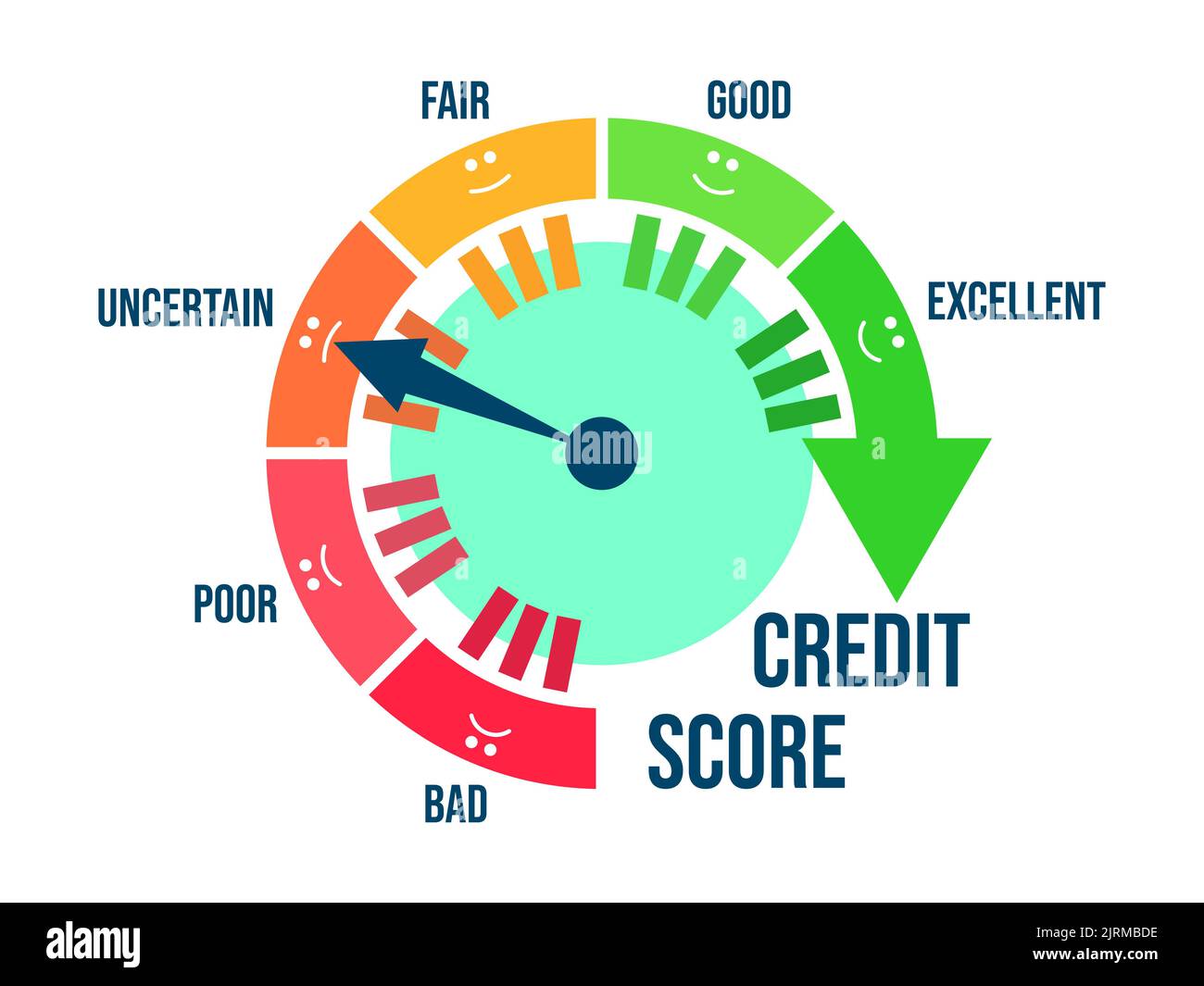
To understand the effects, one must first understand what constitutes a "bad" rating in the 2026 financial landscape. Most lenders utilize FICO Score 8 or 10, or VantageScore 4.0. While the algorithms differ, they generally categorize scores between 300 and 579 as "Poor."
The primary effect is the risk premium. Because lenders assume a higher probability of default from individuals with poor credit, they compensate for that risk by charging significantly higher Interest rates. In some cases, the interest rate on a personal loan or credit card for a subprime borrower can be triple the rate offered to someone with "Excellent" credit (740+). Furthermore, many Tier-1 lenders—major national banks and credit unions—may refuse to extend credit entirely, forcing consumers toward "alternative" lenders who often charge predatory rates or include restrictive terms.
Increased Costs of Borrowing and Debt Servicing
The most immediate and measurable effect of a bad credit rating is the "credit tax"—the extra money paid in interest over the life of a loan. Whether you are financing a vehicle or using a credit card, the disparity in costs is staggering.
Credit Cards and Revolving Debt
For those with bad credit, obtaining a standard unsecured credit card is difficult. If approved, the credit limit is often low (frequently $300 to $500), and the Annual Percentage Rate (APR) may exceed 30%. Many individuals are instead relegated to secured credit cards, which require a cash deposit equal to the credit limit. While these are excellent tools for rebuilding, they tie up liquid capital that could otherwise be used for emergencies or investments.
Auto Financing Challenges
In the automotive market, credit scores dictate the loan-to-value (LTV) ratios and interest rates. A buyer with a score of 500 might face an interest rate of 18% to 22% on a used car, whereas a buyer with a 750 score might pay 5% to 7%. Over a 60-month loan on a $20,000 vehicle, the borrower with bad credit could end up paying nearly $10,000 more in interest alone. Additionally, subprime auto loans often come with "buy-here-pay-here" conditions or the requirement of a GPS starter-interrupt device, which allows the lender to disable the vehicle remotely if a payment is missed.
Impact on Housing and Real Estate
Your credit rating is a primary gatekeeper in the housing market, affecting both renters and prospective homeowners. Landlords and mortgage underwriters use credit reports to predict whether a tenant or buyer will satisfy their monthly obligations.
The Mortgage Hurdle
Securing a conventional mortgage with a credit score below 620 is statistically improbable in 2026. While FHA (Federal Housing Administration) loans allow for scores as low as 500 (with a 10% down payment) or 580 (with 3.5% down), the long-term costs are higher. Borrowers with lower scores are often hit with Loan-Level Price Adjustments (LLPAs). These are one-time fees or rate hikes imposed by Fannie Mae and Freddie Mac based on the borrower's risk profile. A bad credit rating can effectively price a family out of a neighborhood by adding hundreds of dollars to the monthly mortgage payment.
Rental Applications and Security Deposits
For renters, a bad credit rating can lead to a cycle of rejection. Corporate landlords and property management companies often have "hard" floor limits for credit scores. If your score falls below their threshold, your application may be automatically declined regardless of your income. Even if a landlord agrees to rent to a subprime applicant, they often require a significantly higher security deposit—sometimes equivalent to two or three months of rent—to mitigate the risk of a potential eviction.
Professional and Employment Consequences
It is a common misconception that credit ratings only matter to banks. In reality, many employers, particularly in the financial services, government, and defense sectors, conduct credit checks as part of their background screening process.
Under the Fair Credit Reporting Act (FCRA), employers must obtain your written permission to pull a credit report. However, refusing to grant permission may result in the withdrawal of a job offer. Employers view high levels of delinquent debt or a history of defaults as potential "red flags" for financial instability, which they believe could lead to employee theft, fraud, or susceptibility to bribery in sensitive positions. While a bad credit rating won't disqualify you from most retail or service jobs, it can be a significant barrier to moving into management or high-security roles.
Increased Insurance Premiums
In many states, insurance companies use credit-based insurance scores to help determine premiums for auto and homeowners insurance. Actuarial data suggests a correlation between credit health and the likelihood of filing a claim.
Individuals with poor credit ratings can pay 50% to 100% more for the exact same insurance coverage as someone with excellent credit. It is important to note that some states, including California, Massachusetts, and Hawaii, have banned or restricted the use of credit scores in setting auto insurance rates. However, in the majority of jurisdictions, a drop in your credit score can lead to a notice of a premium increase upon policy renewal.
Utility and Service Deposits
When you move into a new home or apartment, utility companies (electricity, water, natural gas) and telecommunications providers often run a "soft" credit check. If your credit rating is poor, these companies frequently require a prepayment or a security deposit before activating services. These deposits can range from $100 to $500 per utility. For a person moving into a new home, the cumulative cost of these deposits—combined with a higher rental deposit—can create a massive upfront financial burden that exhausts their savings.
Comparison of Costs: Bad Credit vs. Good Credit (Estimated 2026)
The following table illustrates the potential cost differences across various financial products based on credit rating categories.
| Financial Product | Good Credit (720+) | Bad Credit (<580) | Estimated Lifetime/Annual Difference |
|---|---|---|---|
| 30-Year Mortgage ($300k) | 6.2% APR | 8.5% APR (If approved) | ~$170,000 in total interest |
| 60-Month Auto Loan ($25k) | 5.5% APR | 19.0% APR | ~$10,500 in total interest |
| Credit Card APR | 18% (with rewards) | 32% (often secured) | ~$140 per $1k of revolving debt/year |
| Auto Insurance (Annual) | $1,800 | $3,200 | $1,400 per year |
| Utility Deposits | $0 (Waived) | $200 - $600 | Upfront liquidity loss |
The Psychological and Social Toll
Beyond the spreadsheets and bank statements, a bad credit rating carries a heavy psychological weight. The "rejection cycle"—continually applying for credit or housing only to be turned down—can lead to chronic stress, anxiety, and a sense of hopelessness.
Financial instability is also a leading cause of strain in marriages and partnerships. When one partner has a bad credit rating, it can prevent the couple from achieving shared goals, such as buying a home or starting a business. In some cases, the partner with better credit may have to take on all financial liabilities, leading to an imbalance of power and resentment within the relationship.
Frequently Asked Questions
How long do the effects of a bad credit rating last?
Most negative information remains on your credit report for seven years. This includes late payments, foreclosures, and collections. Chapter 7 bankruptcies stay for ten years. However, the impact of these items diminishes over time as you add positive, on-time payment history. Usually, the first two years after a negative event are the most damaging to your score.
Can I get a job if I have a bad credit rating?
Yes, in the vast majority of industries, a bad credit rating will not prevent you from being hired. Credit checks are most common in "fiduciary" roles—jobs involving the handling of money, sensitive data, or high-level security clearances. Many states also have laws limiting how much weight an employer can give to a credit report during the hiring process.
Does a bad credit rating affect my cell phone plan?
It can. Major carriers often require a credit check for "post-paid" plans (where you pay at the end of the month) and for device financing. If your credit is poor, you may be denied a financing plan for a new phone or required to pay a large deposit. However, "pre-paid" plans generally do not require a credit check and are an excellent alternative.
Can I buy a house with a score below 600 in 2026?
It is possible through government-backed programs like FHA or VA loans, but it is challenging. You will likely need a higher down payment (at least 10% for scores between 500-579) and you will pay higher monthly mortgage insurance premiums. It is often more cost-effective to spend six months to a year improving your score before applying for a mortgage.
Do utility companies report bad credit?
Standard utility payments are often not reported to credit bureaus if paid on time. However, if you fail to pay and the account is sent to a collection agency, that collection will appear on your credit report and severely damage your rating. In 2026, many consumers use "opt-in" programs to report positive utility payments to help boost their scores.
Recommended Next Actions
If you are currently experiencing the effects of a bad credit rating, the most effective path forward is a structured recovery plan. First, obtain your free credit reports from AnnualCreditReport.com to identify specific negative items. Check for inaccuracies; according to the Consumer Financial Protection Bureau (CFPB), a significant percentage of reports contain errors that can be disputed and removed.
Secondly, prioritize "credit utilization"—the amount of debt you owe relative to your limits. Bringing credit card balances below 30% of their limits can result in a rapid score increase. If you have no active positive accounts, consider opening a secured credit card or a credit-builder loan. By making small, consistent, on-time payments, you can begin to overwrite the "bad" data with a record of reliability, eventually restoring your access to the broader financial market.
Image Gallery