A Comprehensive Schedule for Managing Your Life Insurance Portfolio in 2026
Managing life insurance effectively requires a structured schedule that includes annual policy reviews, timely beneficiary updates, and strategic adjustments aligned with major life milestones. By treating life insurance as a dynamic f...
Managing life insurance effectively requires a structured schedule that includes annual policy reviews, timely beneficiary updates, and strategic adjustments aligned with major life milestones. By treating life insurance as a dynamic financial tool rather than a static document, you ensure that coverage remains adequate, premiums stay manageable, and payouts are optimized for your heirs.
Contents
Maintaining a life insurance policy is often mistakenly viewed as a "set it and forget it" task. However, as of 2026, the complexity of financial planning and the volatility of economic conditions necessitate a proactive approach. Whether you hold a simple term life policy or a complex permanent vehicle with cash value components, a rigorous schedule of "things to do" ensures the policy serves its intended purpose: protecting your loved ones and your legacy.
Phase 1: The Acquisition and Onboarding Schedule
The "schedule" begins the moment you decide to seek coverage. This phase is characterized by administrative deadlines and medical requirements that dictate your initial premium rates and coverage eligibility.
Initial Consultation and Needs Analysis (Week 1)
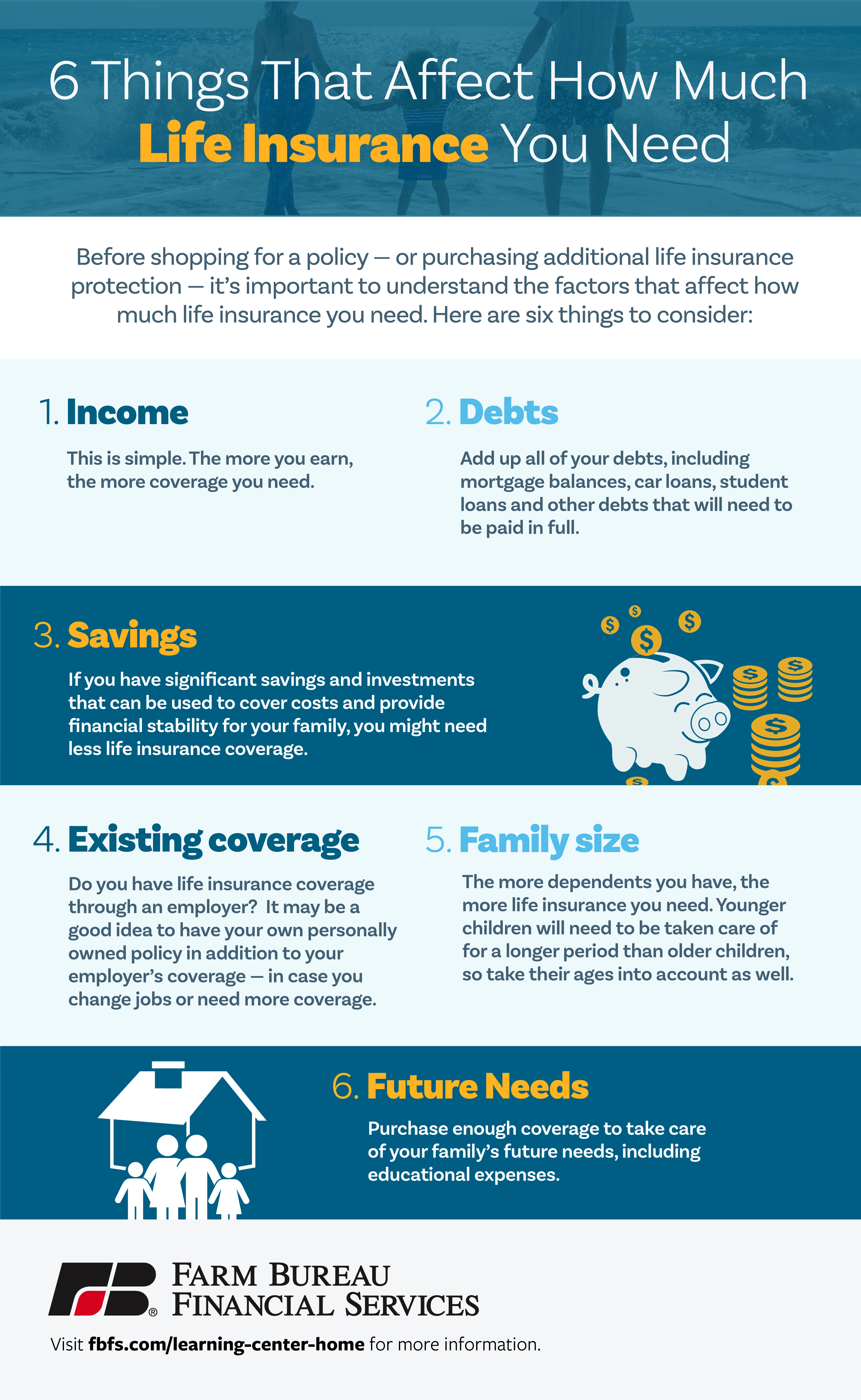
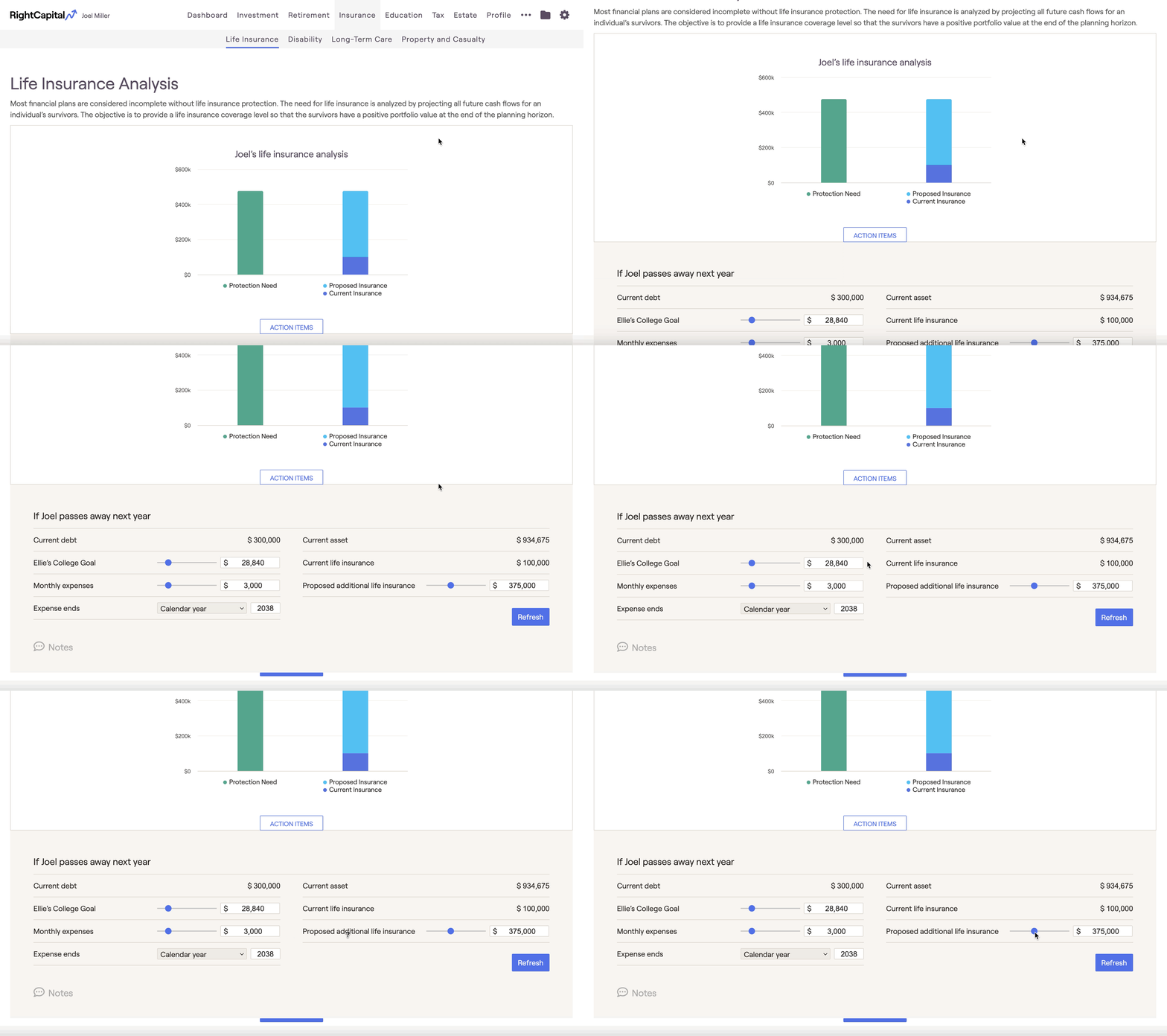
Before applying, schedule a comprehensive financial audit. You must determine the "Human Life Value" or use the DIME method (Debt, Income, Mortgage, Education) to calculate the necessary death benefit. In 2026, many advisors recommend accounting for increased costs in higher education and healthcare, which may require higher face values than previously anticipated.
The Medical Exam and Underwriting Window (Weeks 2–6)
Most traditional policies require a paramedical exam. Schedule this early in the morning when your blood pressure and glucose levels are typically most stable.
- Preparation: Fast for 12 hours prior, avoid caffeine, and hydrate well.
- Documentation: Have a scheduled list of medications, dosages, and physician contact information ready for the examiner.
- The Wait: Underwriting can take anywhere from a few days (for accelerated underwriting) to six weeks. Schedule a follow-up with your agent if you haven't heard back within 30 days.
Policy Delivery and the "Free Look" Period (Weeks 7–8)
Once the policy is issued, you enter a critical scheduled window known as the Free Look Period. Most states mandate a 10-to-30-day window where you can cancel the policy for a full refund. Use this time to read the fine print, verify the riders (such as the Waiver of Premium or Accelerated Death Benefit), and ensure the premium schedule matches your budget.
Phase 2: The Annual Policy Audit Schedule
Once the policy is in force, the most important "thing to do" is to schedule an annual review. Setting a recurring calendar invite—perhaps during tax season or on the anniversary of the policy's effective date—prevents coverage gaps.
Verifying Beneficiary Designations
Life changes faster than paperwork. During your annual review, confirm that your primary and contingent beneficiaries are correct.
- Avoid Common Pitfalls: Do not name "my estate" as a beneficiary, as this subjects the proceeds to probate.
- Minor Children: If your beneficiaries are minors, ensure a trust or a guardian is properly scheduled to manage the funds, as insurance companies generally cannot pay death benefits directly to minors.
Assessing Coverage Adequacy
Inflation and lifestyle creep can erode the purchasing power of a death benefit established years ago. In 2026, review whether your current coverage still meets the following:
- Debt Obligations: Has your mortgage balance decreased significantly, or have you taken out new loans?
- Income Replacement: If your salary has increased, your "replacement value" has also gone up.
- Final Expenses: Funeral costs continue to rise; ensure your "final expense" allocation is still sufficient.
Premium Payment Verification
If you do not have premiums set to autopay, schedule your payments to avoid the risk of lapse. Most policies offer a 31-day Grace Period. However, relying on this is risky. If a policy lapses, particularly a permanent one, you may lose accumulated cash value or be forced to undergo a new medical exam at an older age (and higher cost) to reinstate it.
Phase 3: Milestone-Driven Adjustments
Beyond the annual calendar, certain life events require an immediate "unscheduled" review of your life insurance portfolio. These triggers necessitate adjustments to coverage amounts or policy types.
Marriage, Divorce, and Family Expansion
A change in marital status is the most common reason to update a policy. In the event of a divorce, legal decrees often mandate that one party maintain life insurance to secure alimony or child support. Conversely, the birth or adoption of a child usually signals a need for increased coverage to account for 18–22 years of future support and education costs.
Real Estate Transactions
Buying a home is often the primary motivator for term life insurance. Ensure your policy term matches or exceeds your mortgage term. If you have moved to a more expensive property in 2026, schedule an increase in your death benefit to ensure your family can remain in the home if you pass away.
Career Shifts and Business Ownership
If you leave a job, you may lose your "Group Life" coverage. Group policies are rarely portable. Schedule a replacement policy before resigning to ensure you don't have a gap in coverage. For business owners, schedule a review of Buy-Sell Agreements funded by life insurance to reflect the current valuation of the company.
| Task Category | Frequency | Key Action Items |
|---|---|---|
| Policy Review | Annually | Check beneficiary info, contact details, and coverage gaps. |
| Cash Value Check | Quarterly | Review investment performance and interest crediting for UL/Whole Life. |
| Beneficiary Update | As Needed | Update names after marriage, birth, death, or divorce. |
| Financial Re-alignment | Every 3–5 Years | Re-calculate the "DIME" formula based on 2026 economic data. |
| Document Security | Bi-Annually | Ensure heirs know the location of the physical or digital policy. |
Phase 4: Managing Permanent Life Insurance Specifics
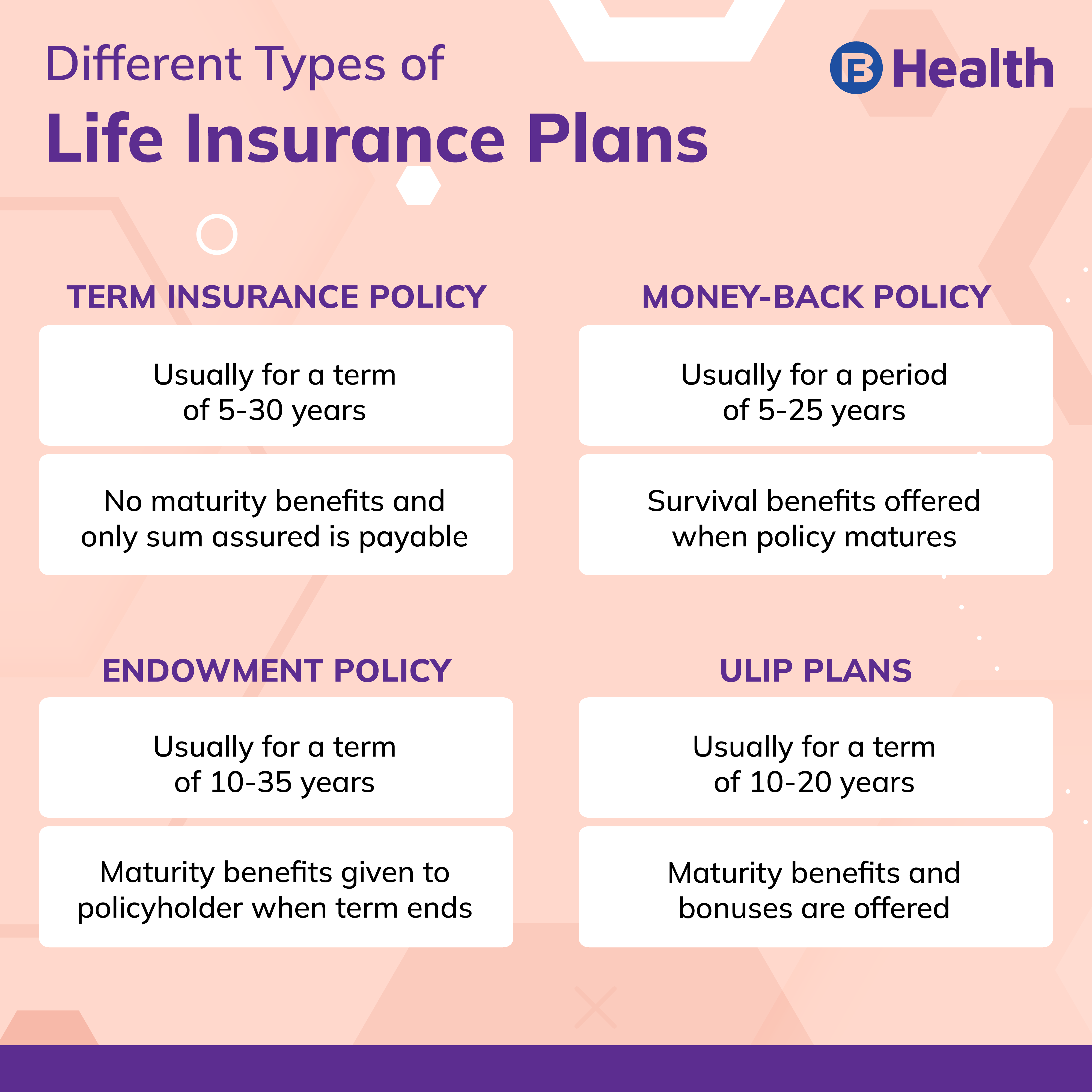
If your "things to do" involve a Whole Life, Universal Life (UL), or Variable Universal Life (VUL) policy, your schedule involves more than just death benefit management. These policies are financial assets with moving parts.
Scheduling Cash Value Withdrawals or Loans
If you plan to use your policy to fund a portion of retirement or an emergency, you must schedule these actions carefully.
- Policy Loans: While you don't "apply" for a loan in the traditional sense, you should schedule a meeting with a tax professional. Over-borrowing can lead to a policy lapse, which may trigger a significant tax liability on the "gain" in the policy.
- Dividend Options: For participating whole life policies, you must periodically decide how to use your dividends. Options include taking them as cash, applying them to premiums, or purchasing Paid-Up Additions to increase your total death benefit.
Monitoring "Internal Costs"
In 2026, some older Universal Life policies may face rising "Cost of Insurance" (COI) charges. Schedule a review of your policy's In-Force Illustration. This document projects how the policy will perform in the future based on current interest rates and costs. If the projection shows the policy "lapsing" at age 85 or 90, you may need to schedule a premium increase now to save the policy later.
Phase 5: The Beneficiary Guidance Schedule
The final set of tasks involves preparing your beneficiaries. A life insurance policy is useless if the beneficiaries don't know it exists or don't know how to claim it.
Creating a "In Case of Death" Digital Vault
Schedule a time to organize all policy numbers, company names, and agent contact information. In 2026, many utilize secure digital vaults. Ensure your primary beneficiary has the "key" or access rights to this vault.
- Pro Tip: Include a copy of the original application, as it contains information that can help speed up the claims process.
Outlining the Claims Process
Educate your heirs on the timeline they should follow. Generally, the schedule for a claim is:
- Obtain Death Certificates: Usually, 5–10 certified copies are needed for various institutions.
- Contact the Carrier: Notify the insurance company within 30 days.
- Complete the Claim Form: Choose a payout option (Lump sum vs. Annuity).
- Submission: Send the form and death certificate via certified mail or secure portal.
- Payment: Most claims are paid within 30 to 60 days of receipt of completed paperwork.
Frequently Asked Questions
How often should I schedule a review of my life insurance policy?
At a minimum, you should schedule a review once a year. However, any major life event—such as a change in income, a new mortgage, or a change in family structure—should trigger an immediate, unscheduled audit of your coverage. Consistent reviews ensure that your policy keeps pace with inflation and your family's evolving needs.
Can I change my premium payment schedule after the policy is active?
Yes, most insurance carriers allow you to switch between monthly, quarterly, semi-annual, and annual payment schedules. Note that paying annually is often the most cost-effective option, as many companies apply a "modal loading" fee to monthly payments to cover increased administrative costs.
What should I do if I find I am over-insured during a scheduled review?
If your children have graduated or your mortgage is paid off, you may no longer need a high death benefit. You can often request a "reduction in face amount" for permanent policies or simply let a term policy expire without renewal. Before reducing coverage, ensure you won't need the death benefit for estate taxes or legacy planning.
How do I schedule a medical exam if I want to increase my coverage?
Contact your insurance agent or the carrier directly to apply for a "policy increase" or a new supplemental policy. They will coordinate with a third-party medical examiner who can come to your home or office. In 2026, many carriers also offer "no-exam" options for healthy individuals under certain age and coverage thresholds.
What happens if I miss a scheduled premium payment?
If you miss a payment, the policy enters a Grace Period, typically lasting 31 days. During this time, the policy remains in force. If the premium is not paid by the end of the grace period, the policy may lapse. For permanent policies, the company might use an "Automatic Premium Loan" feature, where they deduct the premium from your cash value to keep the policy active.
Practical Recommendation
To effectively manage your life insurance, start by creating a Policy Summary Folder (physical or digital). Schedule a 30-minute window this weekend to locate your policy's "Declarations Page." Confirm the expiration date of your term or the current cash value of your permanent policy. Once documented, set a recurring calendar alert for October of every year—ahead of the holiday season and year-end financial planning—to perform your annual audit. This simple scheduling habit ensures that your most significant safety net remains secure for those who depend on it.
Image Gallery