What Is an API Gateway? A Comprehensive Technical Guide for 2026
An API gateway is a traffic management tool that sits between a client and a collection of backend services, acting as a single entry point for all application programming interface (API) requests. It centralizes essential functions su...
An API gateway is a traffic management tool that sits between a client and a collection of backend services, acting as a single entry point for all application programming interface (API) requests. It centralizes essential functions such as routing, authentication, rate limiting, and protocol translation to simplify client-side logic and secure microservices.
Contents
In the landscape of 2026, where distributed systems and cloud-native applications dominate the enterprise, the API gateway has evolved from a simple reverse proxy into a sophisticated "intelligent edge." As organizations move away from monolithic architectures toward granular microservices, the complexity of managing communication between different services—and between services and clients—has increased exponentially. The API gateway serves as the critical orchestrator that prevents this complexity from leaking out to the end user.
The Role of an API Gateway in Distributed Systems
In a traditional monolithic application, a client makes a request directly to one large server. However, in a microservices architecture, a single user action (like viewing an order history) might require data from several different services: an identity service, an order database, a shipping provider API, and a product catalog.
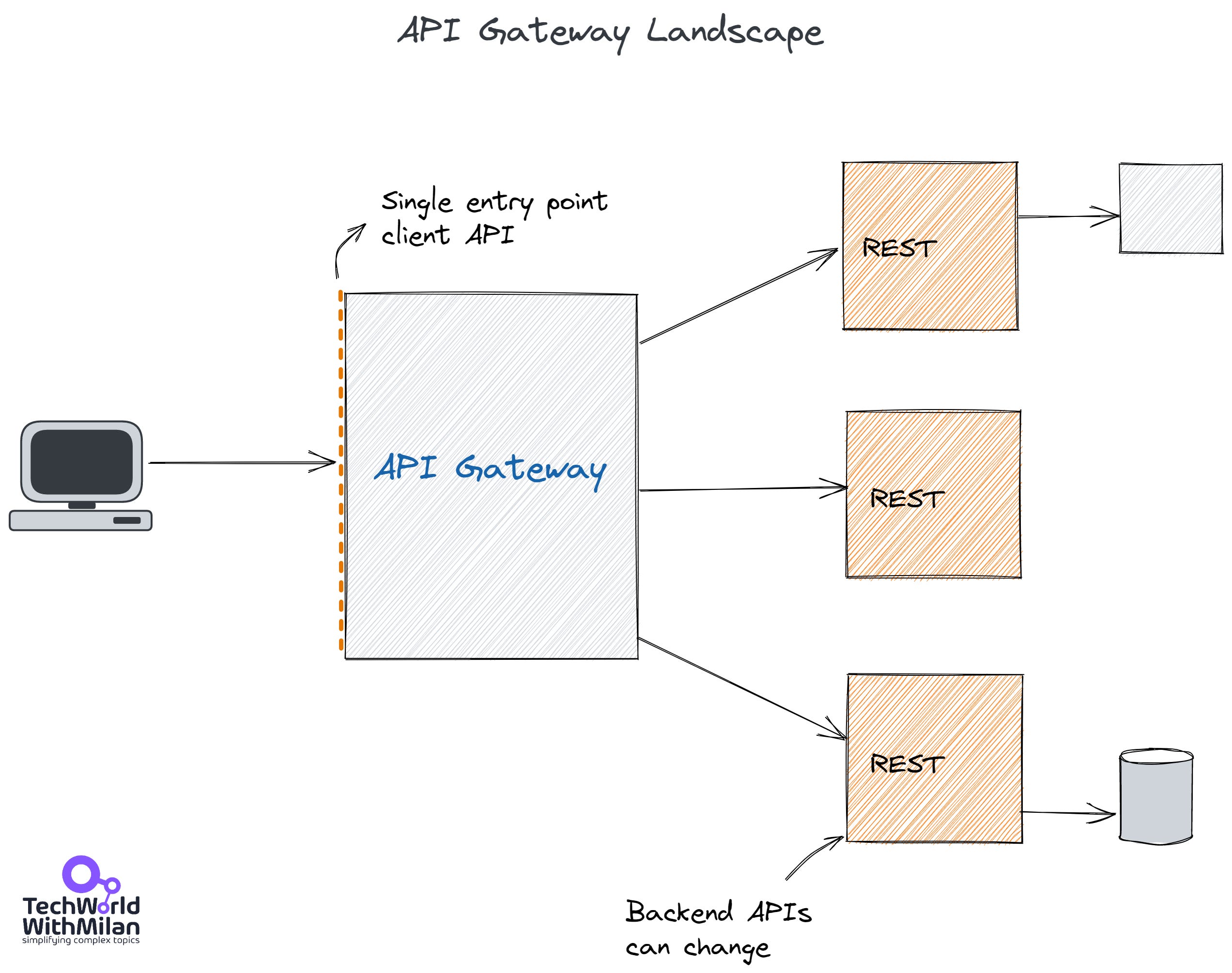
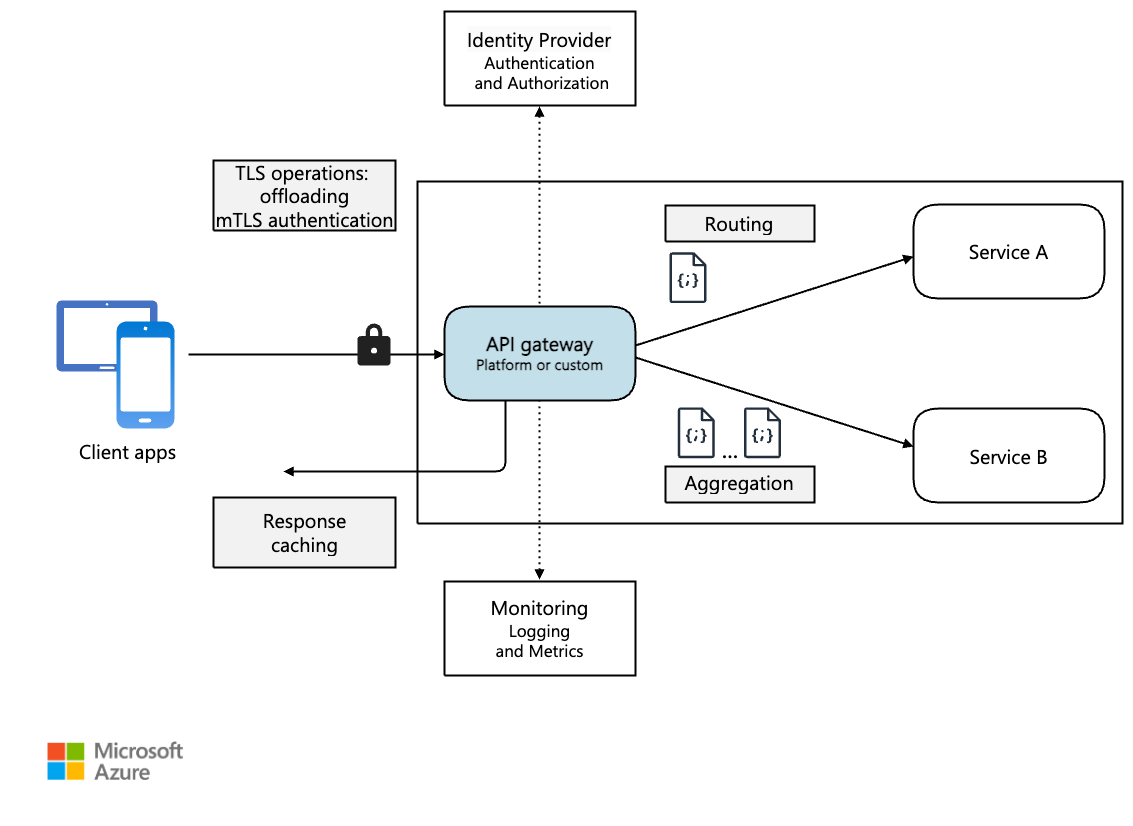
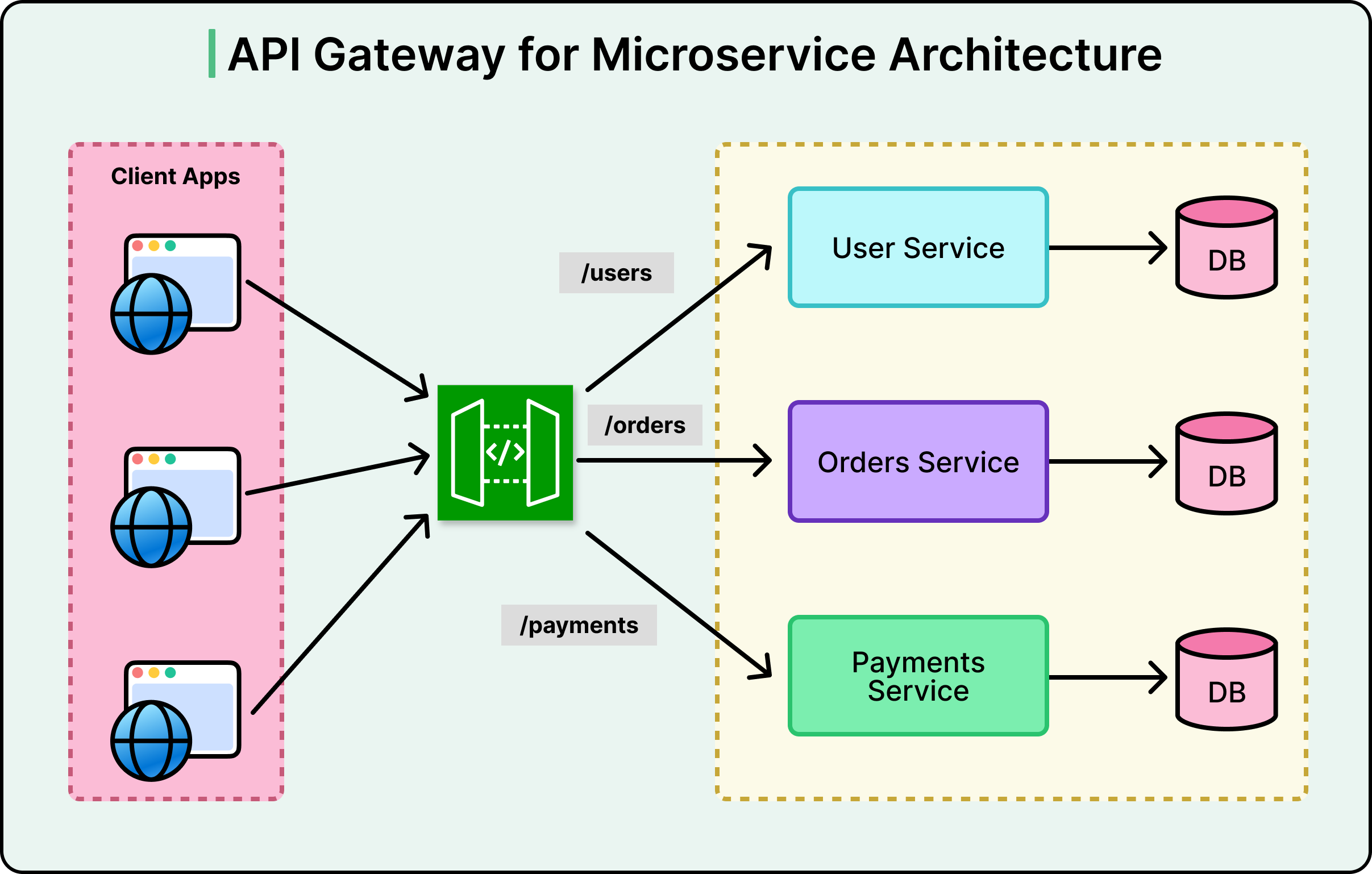
Without an API gateway, the client would need to know the location (IP address or URL) of every single microservice and make multiple requests. This creates significant overhead, security risks, and latency. The API gateway solves this by providing a unified interface. The client sends one request to the gateway, and the gateway handles the internal complexity of communicating with the necessary backend services.
Furthermore, the gateway provides a layer of abstraction. If a backend service is rewritten in a different language, moved to a different server, or split into two smaller services, the gateway can be reconfigured to reflect these changes without requiring any updates to the client-side code. This decoupling is essential for agile development cycles and continuous integration/continuous deployment (CI/CD) pipelines.
Core Functions of an API Gateway
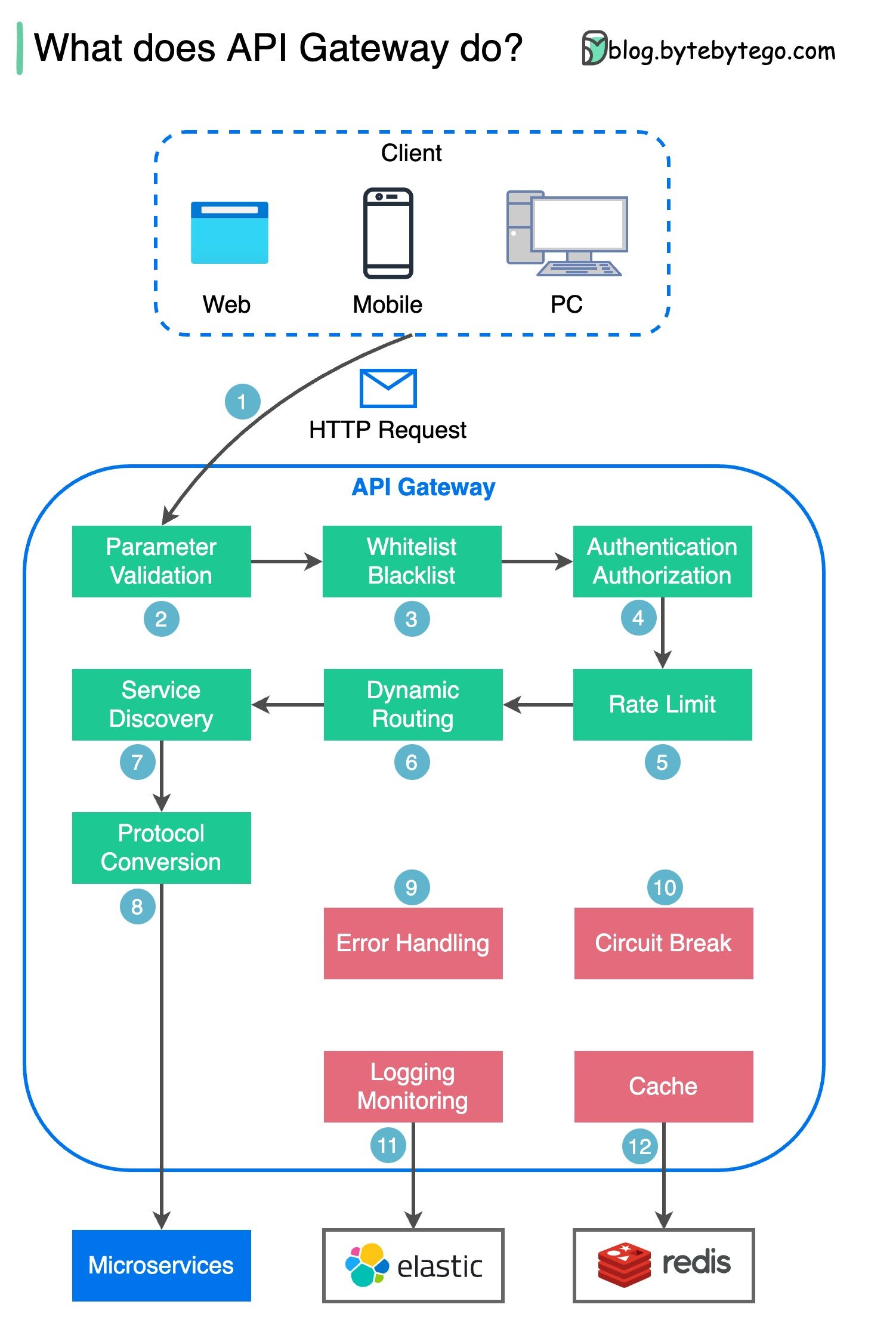
To understand why this component is indispensable in 2026, we must examine the specific technical tasks it performs. These functions are often referred to as "cross-cutting concerns" because they apply to all services within a system.
1. Request Routing and Orchestration
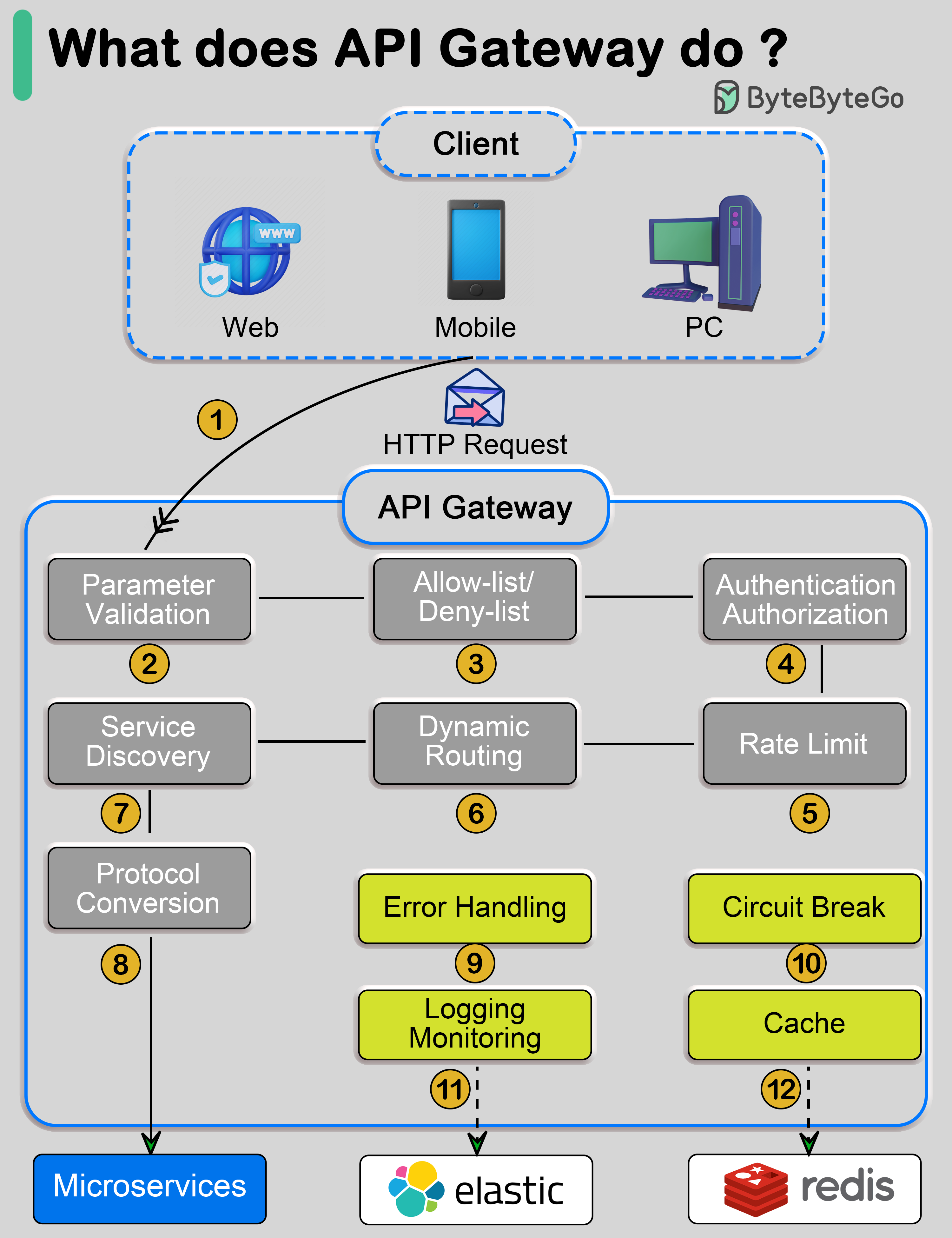
The primary job of the gateway is to direct incoming traffic. Based on the request's path (e.g., /v1/payments) or headers, the gateway determines which backend service should handle the call. Advanced gateways also support request aggregation, where the gateway calls multiple backend services simultaneously, combines their responses, and sends a single unified payload back to the client. This significantly reduces the "chattiness" of mobile applications over high-latency networks.
2. Security: Authentication and Authorization
Rather than implementing security logic in every individual microservice, the API gateway handles it at the perimeter. It validates JSON Web Tokens (JWTs), checks API keys, and integrates with identity providers like Okta, Auth0, or internal Active Directory systems. By the time a request reaches a backend service, the gateway has already verified that the user is who they say they are and that they have the permissions required to access the resource.
3. Rate Limiting and Quota Management
To protect backend services from being overwhelmed—whether by legitimate traffic spikes or malicious Distributed Denial of Service (DDoS) attacks—gateways enforce rate limits. These can be global (e.g., 10,000 requests per second across the entire API) or granular (e.g., 5 requests per second for a specific free-tier user). In 2026, many gateways utilize AI-driven traffic shaping to identify and throttle suspicious patterns in real-time before they impact system stability.
4. Protocol Translation and Transformation
Modern applications often use different communication protocols. A client might communicate with the gateway via REST (JSON/HTTP 1.1) or GraphQL, while the internal microservices communicate using high-performance gRPC or AMQP. The API gateway acts as a translator, converting the client's request into the internal format and then transforming the service's response back into a format the client can consume.
API Gateway vs. Load Balancer vs. Service Mesh
It is common to confuse the API gateway with other networking components. While there is functional overlap, their primary purposes differ significantly.
| Feature | API Gateway | Load Balancer | Service Mesh |
|---|---|---|---|
| Primary Scope | North-South Traffic (Client to Server) | North-South Traffic (Distribution) | East-West Traffic (Service to Service) |
| Operational Layer | Layer 7 (Application) | Layer 4 (Transport) or Layer 7 | Layer 7 (Internal Infrastructure) |
| Key Capability | Logic-based routing, Auth, Transformation | Traffic distribution, Health checks | Observability, mTLS, Circuit breaking |
| User-Facing? | Yes, handles public API surface | Yes, manages endpoint availability | No, entirely internal to the cluster |
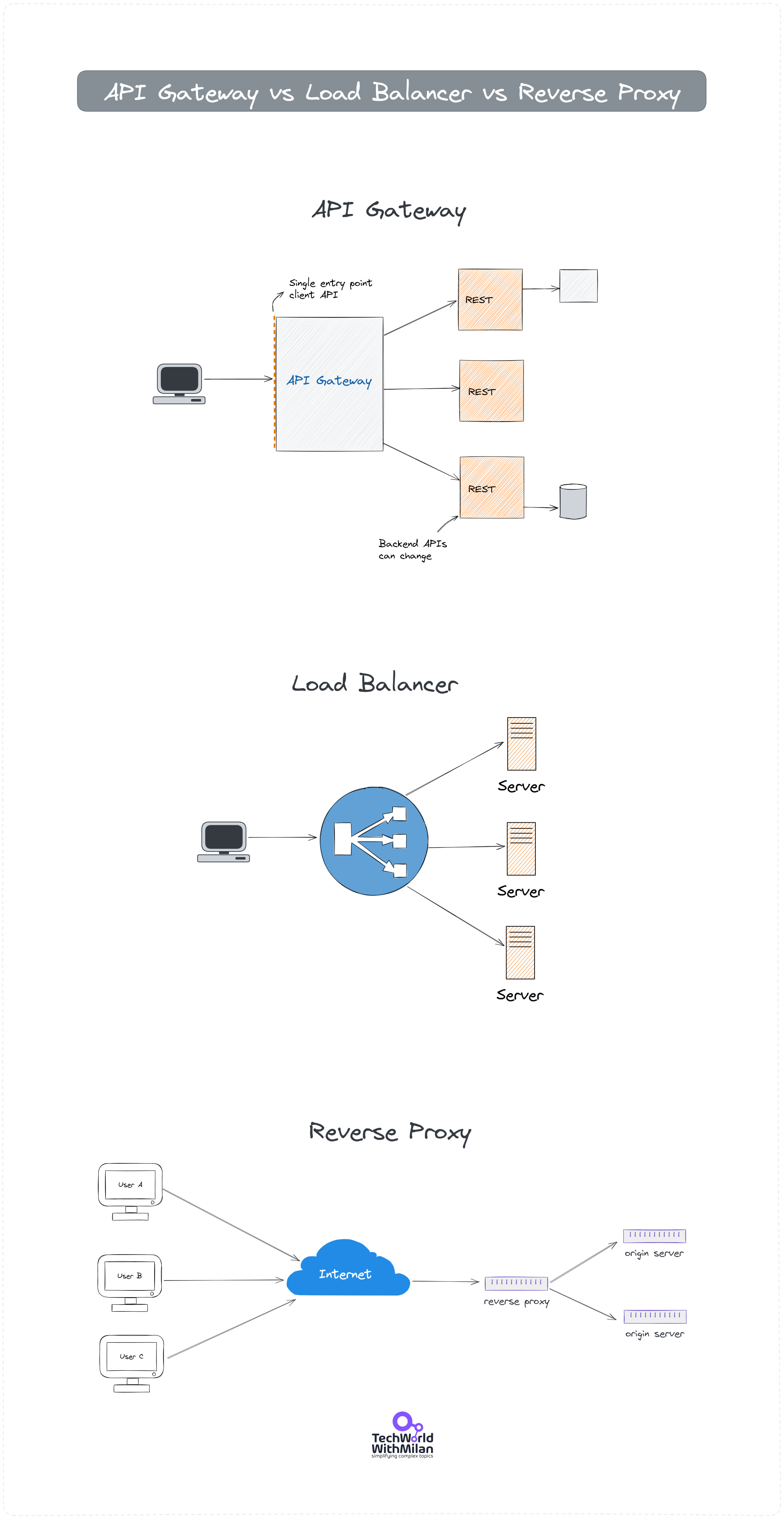
A Load Balancer is primarily concerned with availability; it ensures that if one server goes down, traffic is routed to another healthy instance. An API Gateway is concerned with the logic of the API, such as who is calling it and how the data is structured. A Service Mesh (like Istio or Linkerd) manages how microservices talk to each other inside the network, providing deep observability and mutual TLS security for internal communication.
Architecting for High Availability and Performance
Implementing an API gateway introduces a "single point of failure." If the gateway goes down, the entire application is inaccessible. Therefore, 2026 best practices dictate that the gateway itself must be deployed in a highly available, distributed manner.
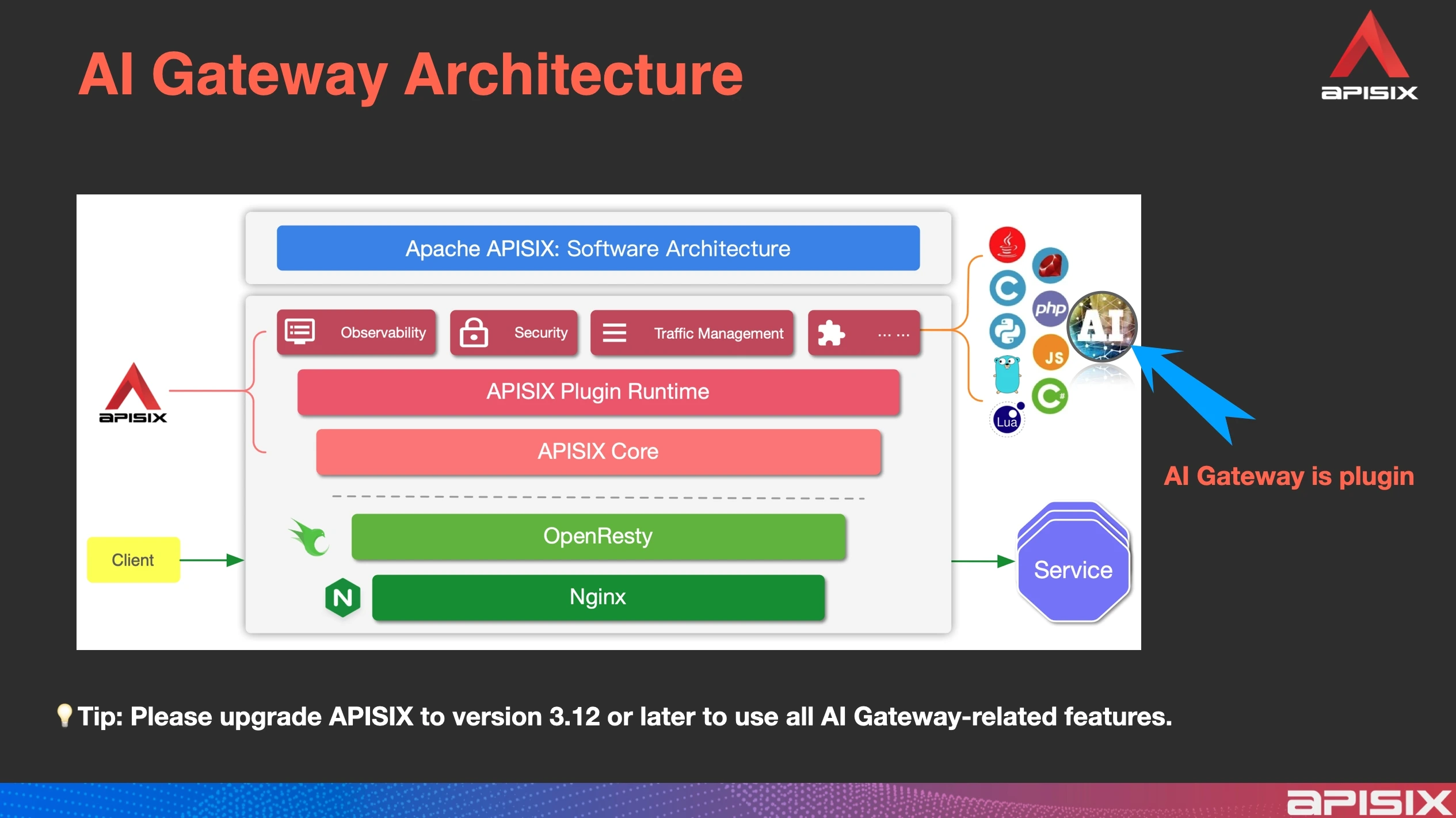
Most enterprise-grade gateways are deployed across multiple availability zones and utilize global load balancing. Furthermore, performance is a critical consideration. Because every request passes through the gateway, it adds a small amount of latency (the "gateway tax"). To minimize this, modern gateways are built on high-performance engines like NGINX, Envoy, or custom Rust-based proxies that can process thousands of requests per millisecond with minimal CPU overhead.
Caching is another vital performance strategy. The gateway can store responses for frequently requested, non-sensitive data (like a product list). When a subsequent request for the same data arrives, the gateway serves it directly from its cache without ever contacting the backend service, reducing both latency and backend load.
Choosing the Right Gateway: Managed vs. Self-Hosted
Organizations must decide between managed cloud services and self-hosted open-source solutions. This choice usually depends on the existing infrastructure and the required level of customization.
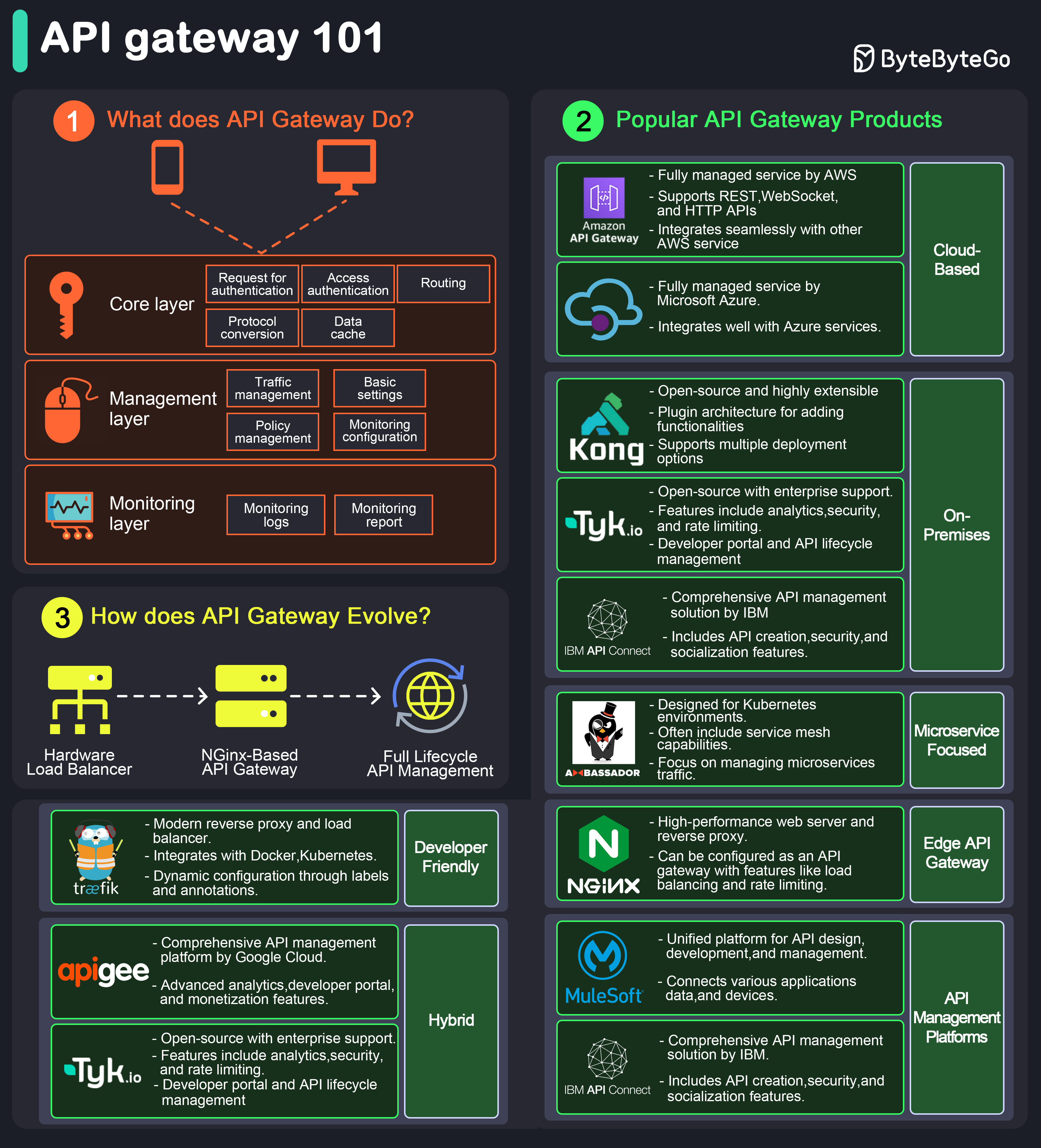
- Managed Services: Tools like AWS API Gateway, Google Cloud Apigee, and Azure API Management offer seamless integration with their respective cloud ecosystems. They are highly scalable and require minimal maintenance, but they can become expensive as traffic volumes grow and may offer less flexibility for niche protocol requirements.
- Self-Hosted/Open Source: Solutions like Kong, Tyk, and KrakenD provide maximum control. These are often preferred by organizations with strict regulatory requirements or those running multi-cloud/on-premises environments. They require more operational expertise to manage but generally offer lower long-term costs for high-traffic applications.
According to the Cloud Native Computing Foundation (CNCF), the trend in 2026 is toward "hybrid" deployments where the control plane is managed by a provider, but the data plane (the actual proxy) runs close to the microservices, whether in a private data center or a public cloud.
Potential Challenges and Trade-offs
While the benefits are substantial, an API gateway is not a "silver bullet." Developers must be aware of potential pitfalls:
- Complexity: Adding a gateway adds another layer to the infrastructure that must be configured, monitored, and secured.
- Latency: Even the fastest gateway adds a few milliseconds of overhead. For ultra-low-latency applications (like high-frequency trading), this may be unacceptable.
- Configuration Drift: If not managed via Infrastructure as Code (IaC), gateway configurations can become out of sync with the actual backend service capabilities.
- Security Risks: Because the gateway terminates SSL/TLS and inspects traffic, it is a high-value target for attackers. If the gateway is compromised, the attacker potentially gains access to the entire backend network.
Frequently Asked Questions
Does an API gateway replace a load balancer?
Not usually. In a standard enterprise architecture, a global load balancer sits in front of a cluster of API gateway instances. The load balancer ensures that the gateway itself is always available, while the gateway manages the API-specific logic for the traffic it receives.
Is an API gateway necessary for small applications?
If you are running a single monolithic application or a very small set of services (2-3), an API gateway might be overkill. However, as soon as you need to implement unified authentication or rate limiting across multiple endpoints, the gateway provides a cleaner architectural solution than hard-coding those features into the application.
Can an API gateway handle file uploads?
Yes, but with caution. While gateways can proxy file uploads, large binary data can consume significant memory and bandwidth on the gateway. Many architects prefer to use the gateway to provide a "signed URL" that allows the client to upload the file directly to a storage service like Amazon S3 or Google Cloud Storage.
How does an API gateway support GraphQL?
Modern gateways can act as a GraphQL federation layer. They can take a single GraphQL query from a client, split it into multiple REST or gRPC calls to various backend services, and then stitch the results back together into a single JSON response.
What is the difference between an API Gateway and an API Manager?
An API gateway is the runtime component that handles traffic. API Management refers to the broader set of tools used to govern the API, including developer portals for documentation, monetization features, and lifecycle management (versioning and retirement).
Practical Recommendation
If you are currently transitioning to a microservices architecture or managing more than five public-facing API endpoints, implementing an API gateway is a high-priority requirement.
Start by auditing your current "cross-cutting" requirements. If you find that different teams are independently writing code for authentication, logging, or rate limiting, you are a prime candidate for a gateway. For those heavily invested in a specific cloud provider, begin with their native solution (e.g., AWS API Gateway) to minimize operational overhead. For those requiring platform independence or extreme performance, explore Envoy-based solutions like Kong or Gloo Gateway. Regardless of the tool, ensure your gateway configuration is stored in version control to maintain consistency across your environments.
Image Gallery