The Evolving Landscape of Debt Reduction Services in 2026
The debt reduction service landscape has shifted from aggressive, negotiation-heavy tactics to a data-driven, holistic financial wellness model. Today, the industry prioritizes AI-enhanced predictive settlement modeling, stricter regul...
The debt reduction service landscape has shifted from aggressive, negotiation-heavy tactics to a data-driven, holistic financial wellness model. Today, the industry prioritizes AI-enhanced predictive settlement modeling, stricter regulatory transparency, and hybrid platforms that combine credit counseling with automated debt management, moving away from the high-fee, opaque structures of the past decade.
Contents
For decades, the debt relief industry was a binary choice between non-profit credit counseling and for-profit debt settlement. As we navigate 2026, those lines have blurred. Increased consumer debt levels, combined with volatile interest rates, have forced a technological and regulatory evolution. Consumers no longer seek just a lower payment; they demand integrated tools that address the root causes of insolvency while protecting their long-term credit health.
The Technological Pivot: AI and Predictive Analytics
The most significant shift in the debt reduction landscape is the integration of machine learning and predictive analytics. Historically, debt settlement was a manual process of "wait and see." Companies would wait for a consumer’s account to reach a state of delinquency before initiating manual negotiations with creditors.
In 2026, modern platforms utilize vast datasets to predict the exact "settlement window" for various creditors. These algorithms analyze historical recovery rates, current bank liquidity requirements, and individual consumer cash flow patterns. This shift allows services to:
- Optimize Settlement Timing: AI can identify when a specific creditor is most likely to accept a lower percentage, often within days of a specific internal policy change.
- Personalize Savings Targets: Rather than a flat "50% reduction" claim, services now provide dynamic estimates based on the specific mix of creditors (e.g., Tier 1 banks vs. fintech lenders).
- Automate Escrow Management: Smart contracts ensure that funds are released to creditors instantly once a digital agreement is reached, reducing the "broken settlement" rates that plagued the industry in the early 2020s.
This technological depth provides consumers with a higher degree of certainty and reduces the time spent in the "limbo" phase of debt relief, where credit scores are most vulnerable.
Regulatory Guardrails and the Transparency Mandate
The Consumer Financial Protection Bureau (CFPB) and the Federal Trade Commission (FTC) have significantly tightened the leash on debt reduction providers over the last several years. The "landscape shift" here is one of compliance and consumer protection.
In 2026, the industry operates under a "transparency first" mandate. Providers are now required to provide standardized "Truth in Debt Relief" disclosures, similar to the Schumer Box used for credit cards. These disclosures must clearly outline the total cost of the program, the anticipated impact on credit scores, and the statistical probability of being sued by a creditor during the process.
Furthermore, state-level adoptions of the Uniform Debt Management Services Act (UDMSA) have created a more uniform legal environment. This has effectively marginalized "fly-by-night" operators who previously exploited jurisdictional loopholes. For a service to be viable in 2026, it must maintain rigorous licensing in every state where it operates, a requirement that has consolidated the market into fewer, more reputable, and better-capitalized firms.
The Rise of Hybrid Debt Management Models
The traditional distinction between "Debt Management Plans" (DMPs) and "Debt Settlement" has evolved into a hybrid approach. DMPs, typically offered by non-profit credit counseling agencies, involve negotiating lower interest rates while paying back 100% of the principal. Debt settlement involves paying back a fraction of the principal but often carries higher risks.
Modern services in 2026 often offer a "Stepped Relief" model. This allows a consumer to start with a DMP for their lower-interest debts to preserve their credit score for those accounts, while concurrently settling high-interest, unmanageable accounts that have already entered default.
Comparative Landscape of Debt Reduction Strategies
| Feature | Modern Debt Settlement (2026) | AI-Enhanced DMP | Hybrid Restructuring |
|---|---|---|---|
| Primary Goal | Principal reduction (typically 40-60%) | Interest rate reduction & consolidated payment | Targeted principal reduction + rate caps |
| Typical Duration | 24–48 months | 36–60 months | 30–48 months |
| Credit Impact | Significant initial drop; recovery begins post-settlement | Moderate to neutral; improves as DTI lowers | Variable; balances protection with reduction |
| Fee Structure | Performance-based (only after settlement) | Monthly administrative fee (capped by state law) | Tiered: Flat fee + performance bonus |
| Creditor Participation | Negotiated individually | Pre-arranged through master agreements | Mixed: Pre-arranged and negotiated |
| Ideal Candidate | Consumers with $15k+ in defaulted or near-default debt | Consumers with steady income but high interest rates | Consumers with diverse debt portfolios (mixed lenders) |
Economic Drivers Influencing the 2026 Market
The shift in the landscape cannot be viewed in isolation from the broader economy. With the stabilization of interest rates in 2026 following the volatility of the mid-2020s, creditors have become more sophisticated in their recovery efforts.
Banks are now more willing to participate in "Hardship Programs" directly with consumers, which has forced third-party debt reduction services to add more value than just simple negotiation. The value proposition has shifted to "Financial Advocacy." This includes:
- Legal Protection Services: Many debt reduction plans now bundle "legal defense" components to protect consumers from the increased volume of creditor lawsuits.
- Credit Rehabilitation: Services no longer stop at the settlement. They now include "Path to Prime" features—automated tools that help consumers rebuild their credit scores immediately after the debt is resolved.
- Tax Impact Analysis: Because forgiven debt is often considered taxable income (1094-C), modern services provide integrated tax tools to help consumers prepare for potential IRS liabilities.
Choosing a Service: Requirements and Verification
As the landscape has become more complex, the prerequisites for entering a debt reduction program have become more stringent. Providers now use "Proof of Hardship" verification systems that sync directly with a consumer’s bank accounts via Open Banking APIs.
To qualify for a reputable service in 2026, consumers generally need to meet the following criteria:
- Unsecured Debt Minimums: Most reputable firms require at least $7,500 to $10,000 in qualifying unsecured debt (credit cards, medical bills, personal loans).
- Verified Hardship: A documented financial setback (job loss, medical emergency, or divorce) is usually required to justify the "settlement" approach to creditors.
- Disposable Income Analysis: Providers must perform a "Budgetary Feasibility Study" to ensure the consumer can actually afford the monthly escrow payments without defaulting on essential living expenses.
Verification is no longer a verbal conversation. It involves a "Digital Financial Health Audit" where the provider analyzes 12 months of spending patterns to ensure the program is the "Right-Fit Solution" as mandated by consumer protection laws.
Common Mistakes and Risk Mitigation
Despite the improved landscape, consumers still face risks. The most common mistake in 2026 is failing to account for the "Taxation of Forgiven Debt." When a creditor cancels a portion of a debt, that amount is generally reported to the IRS as income. If a consumer settles $20,000 of debt for $10,000, they may owe taxes on that "invisible" $10,000 gain.
Another frequent error is stopping payments on accounts prematurely without a professional strategy. While debt settlement requires accounts to be delinquent, doing so haphazardly can trigger immediate legal action from aggressive creditors.
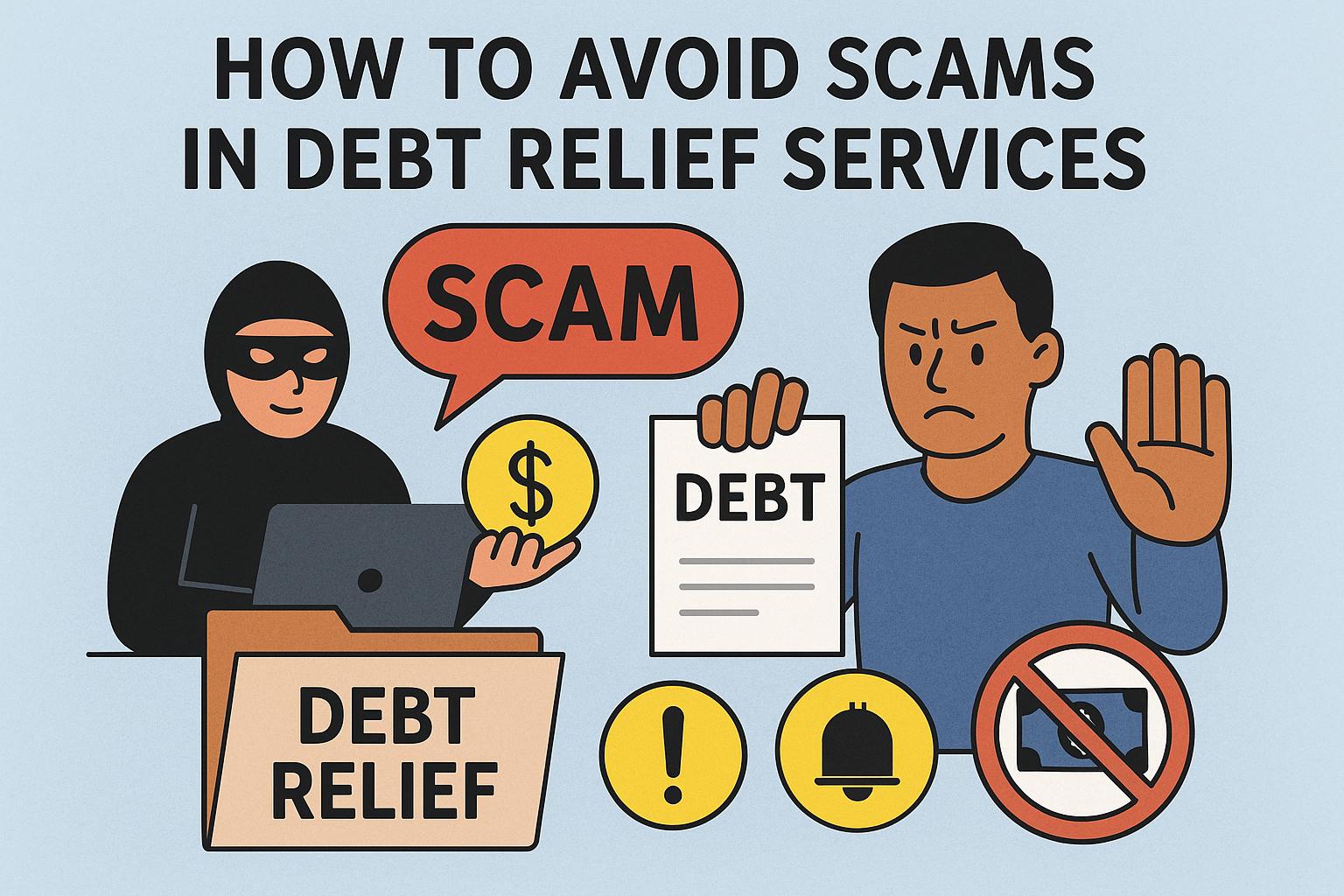
Red Flags to Watch For:
- Upfront Fees: It remains illegal under the FTC Telemarketing Sales Rule to charge upfront fees for debt settlement services.
- Guaranteed Credit Scores: No legitimate service can guarantee a specific credit score outcome.
- "Secret" Programs: Beware of any provider claiming to use a "new federal law" or "secret loophole" to erase debt.
Frequently Asked Questions
How does the current interest rate environment affect debt reduction in 2026?
In 2026, interest rates have stabilized, but at a higher baseline than the previous decade. This makes traditional "Debt Consolidation Loans" more expensive. Consequently, more consumers are moving toward Debt Management Plans (DMPs) and Settlement because these programs bypass the need for a new high-interest loan to pay off old debt.
Is my credit score permanently damaged by debt settlement?
No. While debt settlement causes a significant initial drop in your credit score (often 50–150 points), the damage is not permanent. Most consumers who successfully complete a program and engage in active credit rebuilding see their scores return to "Fair" or "Good" levels within 12 to 24 months after the final settlement is paid.
Can debt reduction services help with student loans or taxes?
Most debt reduction services focus exclusively on "unsecured consumer debt" like credit cards and personal loans. Federal student loans and IRS tax debt require specialized programs (such as Income-Driven Repayment or Offers in Compromise) that are governed by different sets of laws. Always verify if a firm has specific expertise in these niche areas.
What is the "Open Banking" integration I keep seeing in 2026 debt relief ads?
Open Banking allows you to securely share your real-time financial data with a debt relief provider. This enables the provider to automate your budget, verify your hardship instantly, and prove to creditors that you truly cannot afford the full balance, which often speeds up the negotiation process.
How do I verify if a debt reduction company is legitimate?
First, check for accreditation with the American Fair Credit Council (AFCC) or the Financial Counseling Association of America (FCAA). Second, verify their license with your State Attorney General’s office. Finally, ensure they do not charge any fees until a debt has been successfully negotiated and at least one payment has been made toward that settlement.
Next Steps for Consumers
If you find yourself struggling with unmanageable debt in this shifting landscape, your first action should be a "Financial Health Audit." Before contacting a service, gather your last three months of bank statements and a current list of all creditors, including their specific interest rates.
Seek out a provider that offers a "Multi-Option Analysis." A reputable firm in 2026 will not just push one product; they will compare the 48-month outcomes of a Debt Management Plan, Debt Settlement, and Bankruptcy. If a provider refuses to discuss bankruptcy as a potential (albeit last-resort) option, they are likely not acting in your best financial interest. Your goal is not just to reduce debt, but to achieve a sustainable "Debt-to-Income" ratio that allows for future wealth building.
Image Gallery