The Complete Funky Town Story: Origins, Impact, and Legacy in 2026
Note: This article explores the cultural, musical, and digital phenomenon known as "Funky Town," examining its 1970s disco origins and its enduring footprint in modern pop culture and digital media as of 2026. The cultural narrative su...
Note: This article explores the cultural, musical, and digital phenomenon known as "Funky Town," examining its 1970s disco origins and its enduring footprint in modern pop culture and digital media as of 2026.
Contents
The cultural narrative surrounding "Funky Town" bridges two entirely different eras of human history. On one hand, it represents the absolute peak of late-1970s disco and electronic-infused dance music, characterized by synthesized instrumentation and infectious grooves. On the other hand, the phrase has taken on various digital associations in contemporary internet folklore. Understanding the true Funky Town story requires looking past the surface-level nostalgia and examining both its musical genesis by Lipps Inc. and its unique preservation in the modern digital landscape.
As we navigate through 2026, media preservation, copyright evolutions, and internet subcultures continue to reshape how classic tracks and associated urban legends are consumed. This comprehensive breakdown analyzes the definitive history, technological milestones, cultural resonance, and digital legacy of Funky Town.
Musical Genesis: The Creation of a Disco Anthem
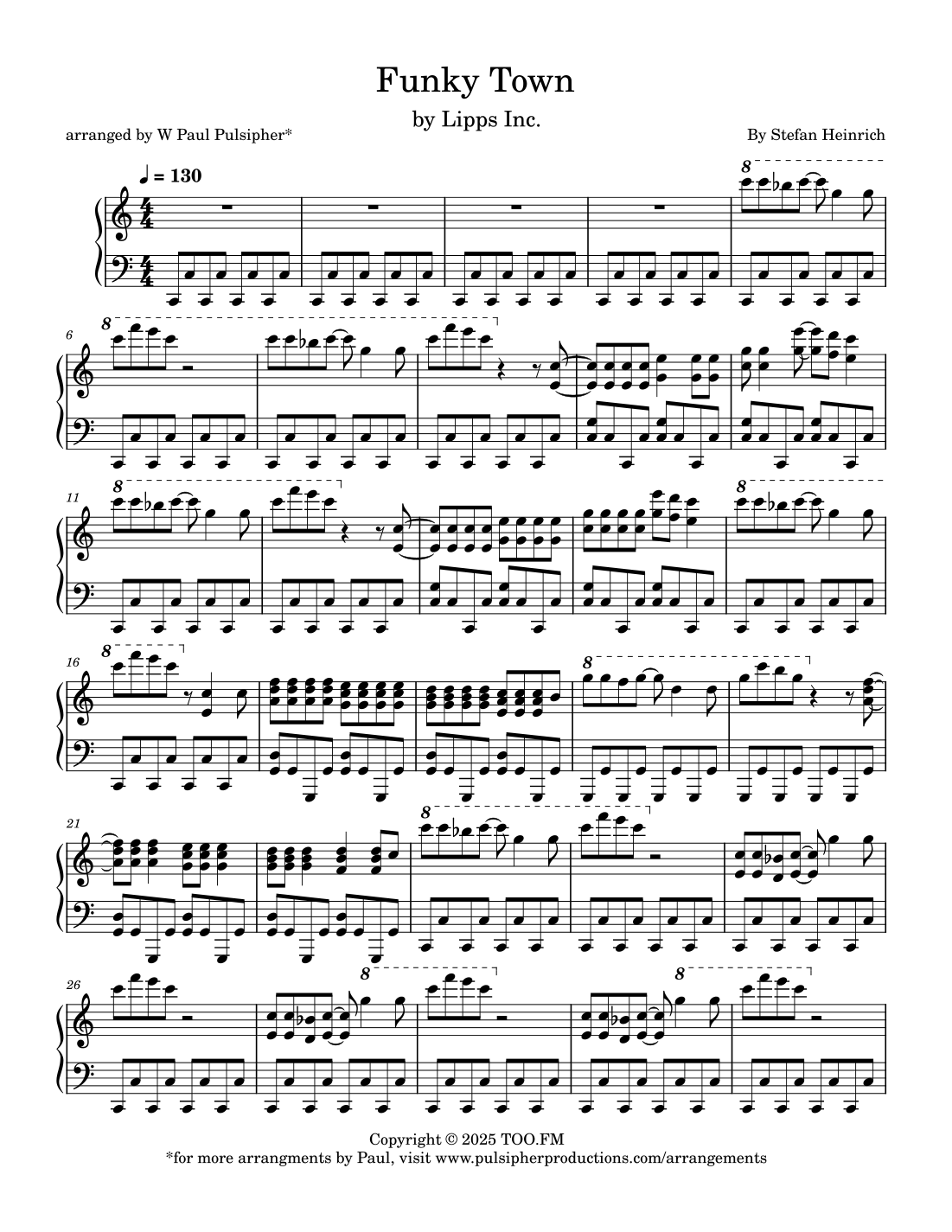
In 1979, the music industry was undergoing a rapid transformation. Synthesizers were shifting from experimental studio novelties to mainstream drivers of popular music. Enter Steven Greenberg, a Minneapolis-based musician and music store clerk who envisioned a song driven almost entirely by electronic keyboards, distinct handclaps, and a hypnotic beat.
Greenberg formed the studio project Lipps Inc. and enlisted vocalist Cynthia Johnson to deliver the iconic, soulful lead vocals. Recorded in Minneapolis, the track was built around a distinctive Oberheim OB-X synthesizer riff that immediately hooks the listener. Released in late 1979 by Casablanca Records, "Funky Town" quickly climbed charts globally, capturing the hedonistic energy of the late-seventy club scene just before the commercial backlash against disco took hold.
- Release Date: November 1979 (US)
- Primary Genre: Disco / Post-Disco / Synth-Pop
- Key Instruments: Oberheim OB-X Synthesizer, Clavinet, Drums
- Record Label: Casablanca Records
Chart Dominance and Global Reach
The commercial success of the track cannot be overstated. By the spring of 1980, "Funky Town" reached number one on the US Billboard Hot 100, remaining at the top spot for four consecutive weeks. It also dominated the dance charts and hit number one in over 28 countries worldwide.
The song's minimalist yet futuristic production style set a blueprint for the 1980s synth-pop explosion. Unlike many traditional disco tracks of the era that relied heavily on lush string arrangements and live orchestral sections, Funky Town leaned into a machine-driven rhythm that felt ahead of its time.
Production Insight: The distinctive robotic vocal effect on certain ad-libs was achieved using early analog vocoder processing, blending Cynthia Johnson's organic vocal timbre with synthesized carrier waves to create a futuristic texture that defined the track's spatial dynamic.
Comparative Evolution: 1980s Disco vs. Modern Digital Folklore
To fully understand how the concept of Funky Town has evolved, it helps to examine the divergence between its original artistic intent and its modern internet-era connotations. The table below outlines this cultural shift.
| Metric / Dimension | 1980s Musical Era (Lipps Inc.) | Modern Digital Era (2020–2026) |
|---|---|---|
| Primary Medium | Vinyl records, radio broadcast, cassette tapes | Streaming platforms, social media algorithms, forums |
| Cultural Intent | Dancefloor escapism, celebration, nightlife culture | Nostalgic revival, meme culture, digital folklore |
| Audience Reception | Universal radio hit, club staple | Polarized recognition (classic hit vs. dark internet lore) |
| Technological Driver | Analog synthesizers, multi-track tape machines | High-speed fiber internet, decentralized content sharing |
The Digital Age: From Retro Hit to Internet Phenomenon
As decades passed, "Funky Town" experienced multiple waves of rediscovery. Feature films, television commercials, and video game soundtracks continually introduced the 1979 track to younger demographics. Cover versions by artists like Pseudo Echo in 1986 kept the melody alive in the synth-rock genre, proving the composition's inherent adaptability.
However, entering the 2020s and moving toward 2026, the search term "funky town story" frequently intersects with internet history and urban legends. In digital spaces, the phrase has occasionally been co-opted into creepypasta narratives, viral video discussions, and deep-dives into early Web 2.0 gore lore. Navigating these conflicting digital narratives requires media literacy, distinguishing the celebrated Grammy-contending musical masterpiece from unrelated, sensationalized internet shock culture.
Best Practices for Researching Digital History
When exploring niche internet histories and retro media origins, users often encounter misinformation. Applying structured investigative frameworks prevents confusion:
- Verify Primary Sources: Always check official music databases, copyright registries, and verified artist biographies before attributing historical narratives to pop culture artifacts.
- Contextualize Search Intent: Recognize that search engine algorithms may conflate classic musical milestones with unrelated viral internet phenomena due to keyword overlap.
- Support Legal Streaming: Engage with licensed audio and video distributions to support original creators and maintain accurate streaming analytics.
Frequently Asked Questions
Who originally wrote and performed Funky Town?
"Funky Town" was written by Steven Greenberg and performed by the studio band Lipps Inc., featuring lead vocals by Cynthia Johnson in 1979. The track became a global number-one hit in 1980, defining the late-disco era.
What synthesizer was used to create the iconic riff?
The primary synthesizer responsible for the driving, hypnotic bassline and lead melody was the Oberheim OB-X, a polyphonic analog synthesizer that dominated late-70s and early-80s commercial production.
Why does the search query "funky town story" return conflicting results?
The query bridges a legendary 1979 disco-pop anthem with modern internet urban legends and viral digital folklore, creating a split search intent between music history and web culture.
Is Lipps Inc. still active today?
Lipps Inc. was primarily a studio project assembled by Steven Greenberg rather than a traditional touring band, though the song remains a permanent fixture of retro compilations and global licensing catalogs.
How has the song influenced modern electronic music?
Its minimalist, synth-heavy arrangement laid foundational groundwork for 1980s synth-pop, techno, and modern house music, demonstrating how electronic repetition can drive high-energy dance compositions.
Conclusion and Cultural Legacy
The story of Funky Town is ultimately a testament to the timeless power of great songwriting and innovative production. What began as a synthesizer experiment in Minneapolis transformed into an international anthem that continues to animate dance floors and inspire digital curiosity decades later. Whether studied through the lens of disco evolution or digital media history, the track remains a monumental achievement in pop music architecture.
Image Gallery