Live Action Stitch Original Design: Adaptation, Visual Development, and Character Translation
The live action Stitch original design centers on the creative, technical, and artistic journey of translating a beloved 2D animated extraterrestrial character from the 2002 Walt Disney Animation Studios film Lilo & Stitch into a three...
The live action Stitch original design centers on the creative, technical, and artistic journey of translating a beloved 2D animated extraterrestrial character from the 2002 Walt Disney Animation Studios film Lilo & Stitch into a three-dimensional, photorealistic creature for upcoming cinematic adaptations. This process requires balancing audience nostalgia with modern visual effects capabilities to ensure the character remains expressive, recognizable, and physically plausible in a live-action environment.
Contents
Introduction to Live-Action Character Adaptation
Adapting classic animated characters for live-action cinema represents one of the most demanding challenges in modern visual effects (VFX) and character design. When Walt Disney Pictures announced the development of a live-action adaptation of Lilo & Stitch, the central artistic hurdle immediately crystallized around the visual treatment of Experiment 626, universally known as Stitch. Unlike human characters or conventional animals, Stitch is an alien entity defined by exaggerated, cartoonish proportions: an oversized head, large black eyes, a wide mouth with sharp teeth, erratic blue fur, and extra appendages.
The live action Stitch original design requires a delicate equilibrium. If the design leans too far toward hyper-realism, the character risks losing the whimsical, expressive charm that made the original 2D animated version an enduring pop culture icon. Conversely, if the design remains overly stylized, it risks clashing jarringly with the live-action actors, practical Hawaiian locations, and realistic physical lighting of the film set. Industry-leading visual effects houses, including Industrial Light & Magic (ILM) and Moving Picture Company (MPC), frequently tackle these adaptations by establishing strict visual parameters that bridge the gap between stylized animation and believable creature physiology.
The Historical Evolution of Stitch from 2D to 3D
Understanding the live-action design requires examining how Experiment 626 evolved from Chris Sanders' original concept art in the late 1990s. Initially conceived for a pitch book titled Intergalactic Dog, Stitch underwent numerous iterations before settling into the iconic 2D aesthetic seen in the 2002 feature film.
In the traditional animation pipeline, artists utilized vector-based shapes and dynamic foreshortening to convey Stitch's chaotic energy. Animators could stretch his mouth infinitely, manipulate his eye size based on his emotional state, and defy anatomical consistency to maximize comedic and emotional impact. Transitioning this character into the third dimension for CGI-heavy films began years prior with direct-to-video sequels and television series, but these iterations retained a flat, cel-shaded or purely digital animation style without the physical constraints of interacting with live-action light, fur shaders, and tangible environments.
Key Design Pillars Handled in the Transition
- Silhouette Preservation: Retaining the unmistakable pear-shaped body, large ears, and stout limbs so the character is instantly identifiable from any angle.
- Surface Texturing: Moving from flat ink-and-paint colors to complex biological textures, including fine mammalian fur mixed with reptilian dermal plating.
- Color Grading: Calibrating the cobalt and cyan hues of Stitch’s fur so they read correctly under natural sunlight, harsh studio lighting, and night environments.
Technical Specifications and Visual Effects Pipeline
Bringing a CG character to life alongside human actors in real-world locations demands a rigorous technical pipeline. The live action Stitch original design is not merely a static digital asset; it is a complex rig of bones, muscles, skin physics, and fur simulations that must respond dynamically to every scene's physical requirements.
Fur and Grooming Simulations
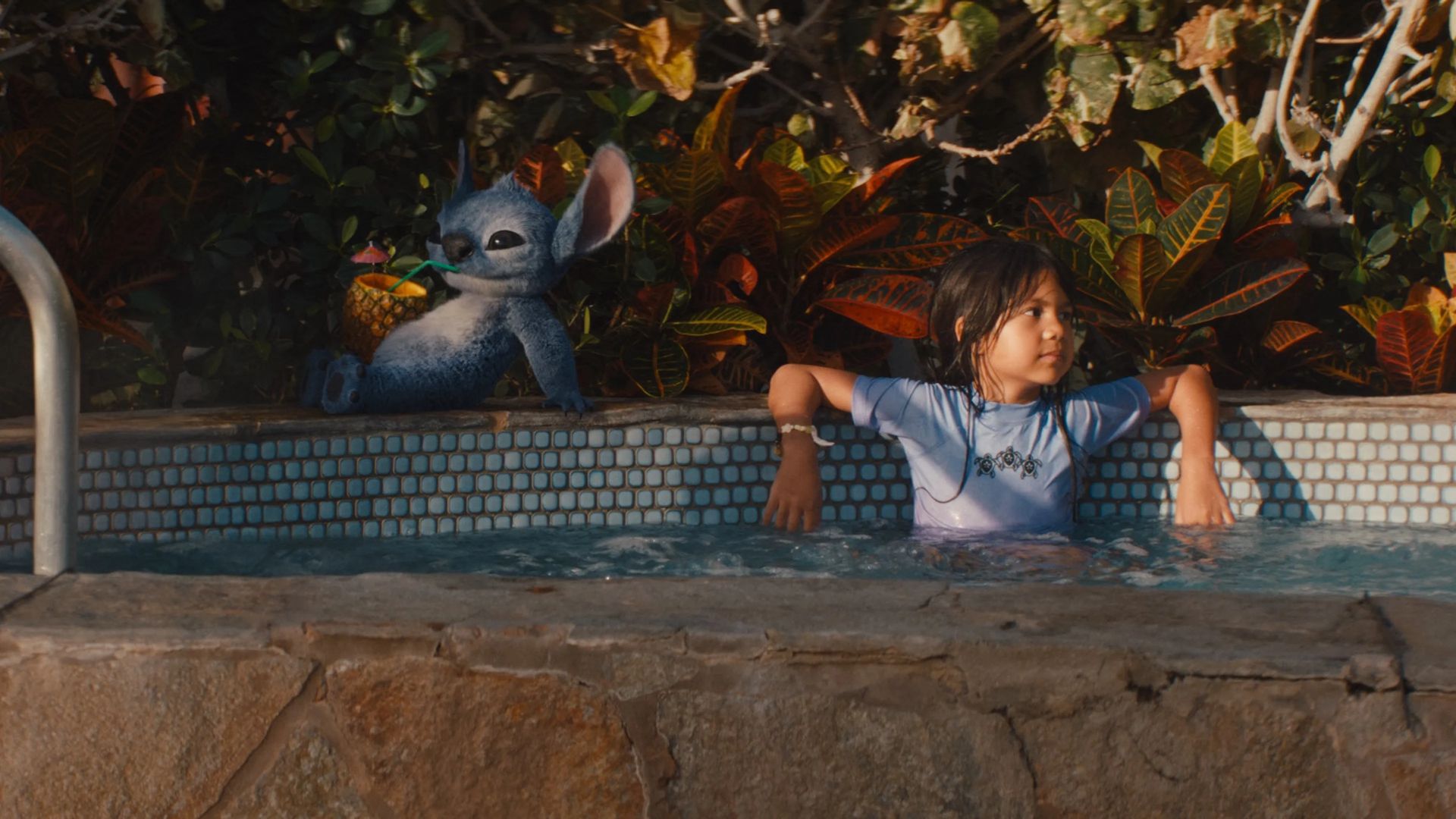
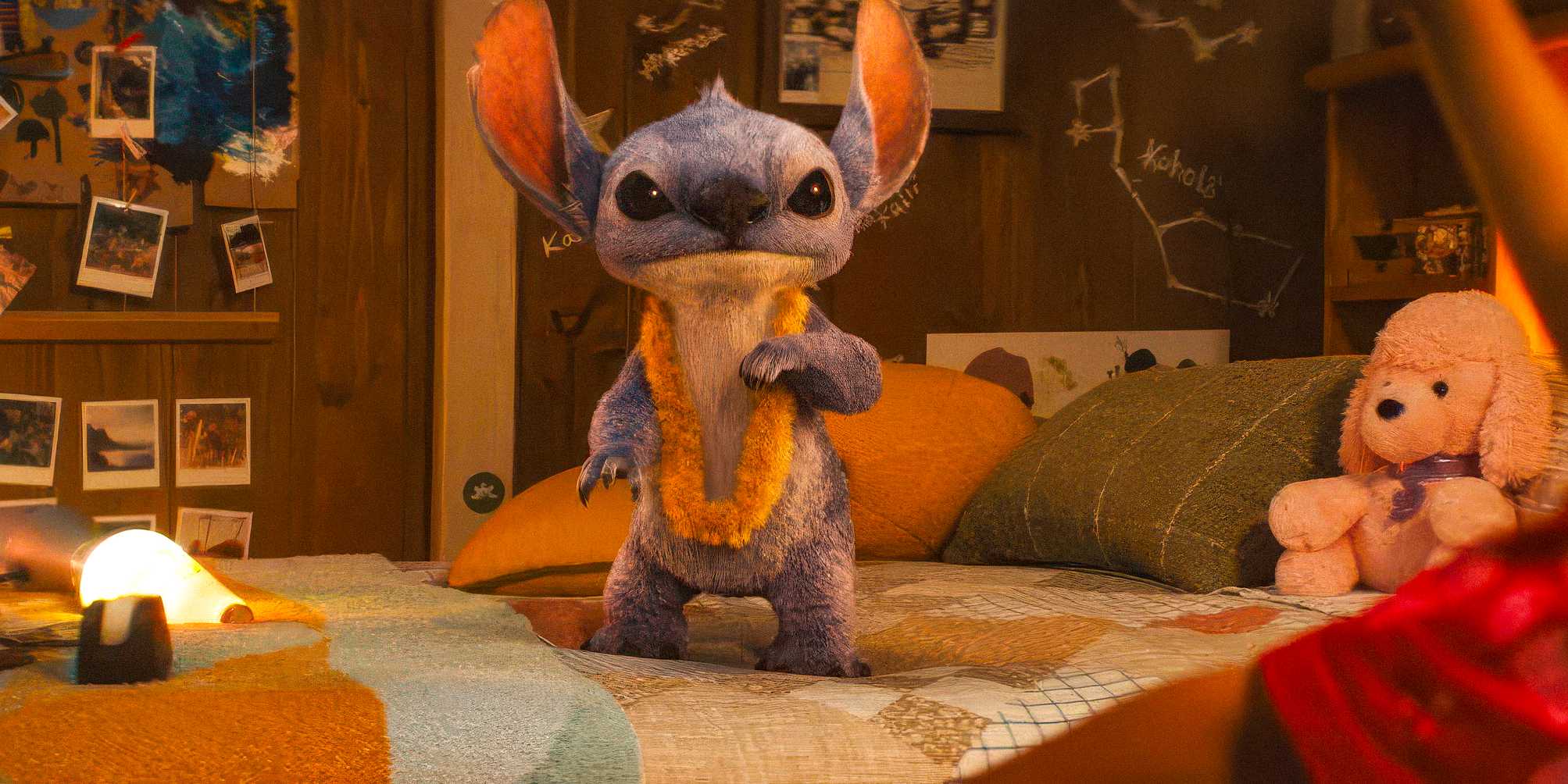
One of the most complex aspects of modern creature design is fur grooming. For Stitch, artists must simulate thousands of individual hairs that react to wind, water, and physical contact with actors. Unlike a standard furry animal like a bear or a dog, Stitch’s fur has a slightly bristly, alien texture. The rendering engine must calculate how light scatters through these fibers (subsurface scattering), ensuring the character looks like a tangible part of the scene rather than a pasted-on element.
Facial Rigging and Expression Mapping
Stitch’s expressiveness is his defining trait. To replicate the emotive range of a 2D drawing in a 3D photorealistic model, technical artists construct advanced facial rigs. These rigs control thousands of underlying micro-muscles that allow Stitch to flatten his ears in anger, flare his nostrils, widen his black eyes, and bare his teeth without looking uncanny or terrifying to younger audiences.
| Design Component | 2D Animated Standard (2002) | Live-Action Adaptation Standard |
|---|---|---|
| Primary Medium | Hand-drawn ink, paint, and digital coloring | Photorealistic 3D CGI model with fur and skin shaders |
| Anatomical Physics | Exaggerated squash-and-stretch; non-rigid structure | Plausible skeletal framework, mass, and weight distribution |
| Lighting Integration | Flat cel lighting mapped to background cells | Ray-traced global illumination, HDR environment mapping |
| Eye Rendering | Solid black vector shapes with white painted highlights | Multi-layered lenses, corneal reflections, and iridescence |
Balancing Nostalgia and Realism: Fan Expectations vs. Studio Execution
When major studios adapt beloved animated properties, fan reception often plays a critical role in shaping the final product. The internet's reaction to early promotional art, leaked set photos, or official trailers for live-action adaptations highlights the intense scrutiny placed on character design.
Fans generally demand fidelity to the original silhouette. Any drastic departure—such as altering the shape of the ears, changing the proportion of the head to the body, or giving the character an overly mammalian or reptilian appearance—frequently triggers widespread debate within online communities. Studio design teams must listen to these community benchmarks while solving the practical constraints of filmmaking. For instance, if Stitch’s ears were rendered at their absolute maximum cartoon scale in every single frame without adjustment, they might create rigging and collision issues whenever the character walks through a standard doorway or interacts closely with human actors like Maia Kealoha (who plays Lilo Pelekai in the live-action film).
Practical Considerations and On-Set Execution
Creating a live-action film featuring a CGI protagonist requires extensive on-set preparation. Actors cannot simply act opposite empty air; they need physical touchpoints, eye-line markers, and lighting references to deliver authentic performances.
- On-Set Stand-Ins: Production crews frequently utilize articulated puppets, high-detail reference maquettes, or actors in green-screen suits to establish accurate eye-lines and spatial awareness for the cast.
- Lighting Reference Balls: Cinematographers capture chrome and grey balls on set to record exact lighting data, ensuring that when the digital Stitch is rendered into the shot, shadows and highlights match the natural environment of Oahu.
- Interactive Lighting: Dynamic LED arrays or handheld lights are occasionally used to cast actual blue-toned light onto human actors when Stitch is meant to be in close proximity, selling the illusion of physical presence.
Common Misconceptions About Live-Action Creature Design
A frequent point of confusion among casual viewers is the belief that character designs in live-action films are created entirely through artificial intelligence or automated rendering tools. In reality, the live action stitch original design is the result of thousands of hours of painstaking manual labor by concept artists, sculptors, texture painters, riggers, and animators.
Another misconception is that "live-action" implies the complete absence of practical effects. While Stitch himself is rendered digitally, filmmakers frequently combine CGI characters with practical set builds, animatronic props for specific static shots, and physical interaction elements (such as disturbed sand, splashed water, or rumpled blankets) to ground the digital creation in a real physical space.
Frequently Asked Questions
What is the primary challenge of the live action stitch original design?
The primary challenge is translating Stitch's exaggerated, 2D cartoon proportions into a believable 3D physical form without losing the expressive charm, emotional readability, and iconic silhouette that fans expect.
Is Stitch in the live-action movie created with CGI or practical effects?
Stitch is primarily brought to life using advanced computer-generated imagery (CGI) and performance capture technology, integrated carefully into live-action plates alongside human actors and practical sets.
How do visual effects artists make Stitch look realistic next to human actors?
Artists utilize advanced fur grooming simulations, subsurface scattering for skin and tissue, and ray-traced global illumination to match the lighting, shadows, and atmospheric conditions of the physical set.
Will the live-action Stitch look different from the 2002 animated version?
While maintaining the core silhouette, color scheme, and facial features, the live-action design incorporates realistic textures such as fine fur, subtle skin imperfections, and biological depth to fit a live-action cinematic environment.
Conclusion and Next Actions
The live action stitch original design represents a masterclass in modern character adaptation, balancing the whimsical aesthetic of traditional 2D animation with the technical demands of photorealistic visual effects. For industry professionals, visual effects students, and dedicated fans tracking the film's development, analyzing these design choices provides valuable insight into how modern cinema revitalizes classic intellectual property. To explore further, examine official studio featurettes, behind-the-scenes visual effects breakdowns, and official art direction publications detailing the pipeline of creature creation.
Image Gallery