Helping Your Adult Cat Adjust to a New Kitten
If your adult cat is scared of a new kitten, the primary solution is to implement a slow, controlled, and scent-based reintroduction process. By using physical separation, site swapping, and gradual desensitization, you can reduce your...
If your adult cat is scared of a new kitten, the primary solution is to implement a slow, controlled, and scent-based reintroduction process. By using physical separation, site swapping, and gradual desensitization, you can reduce your resident cat’s territorial anxiety and build a foundation for long-term feline coexistence.
Contents
Understanding Feline Territorial Instincts
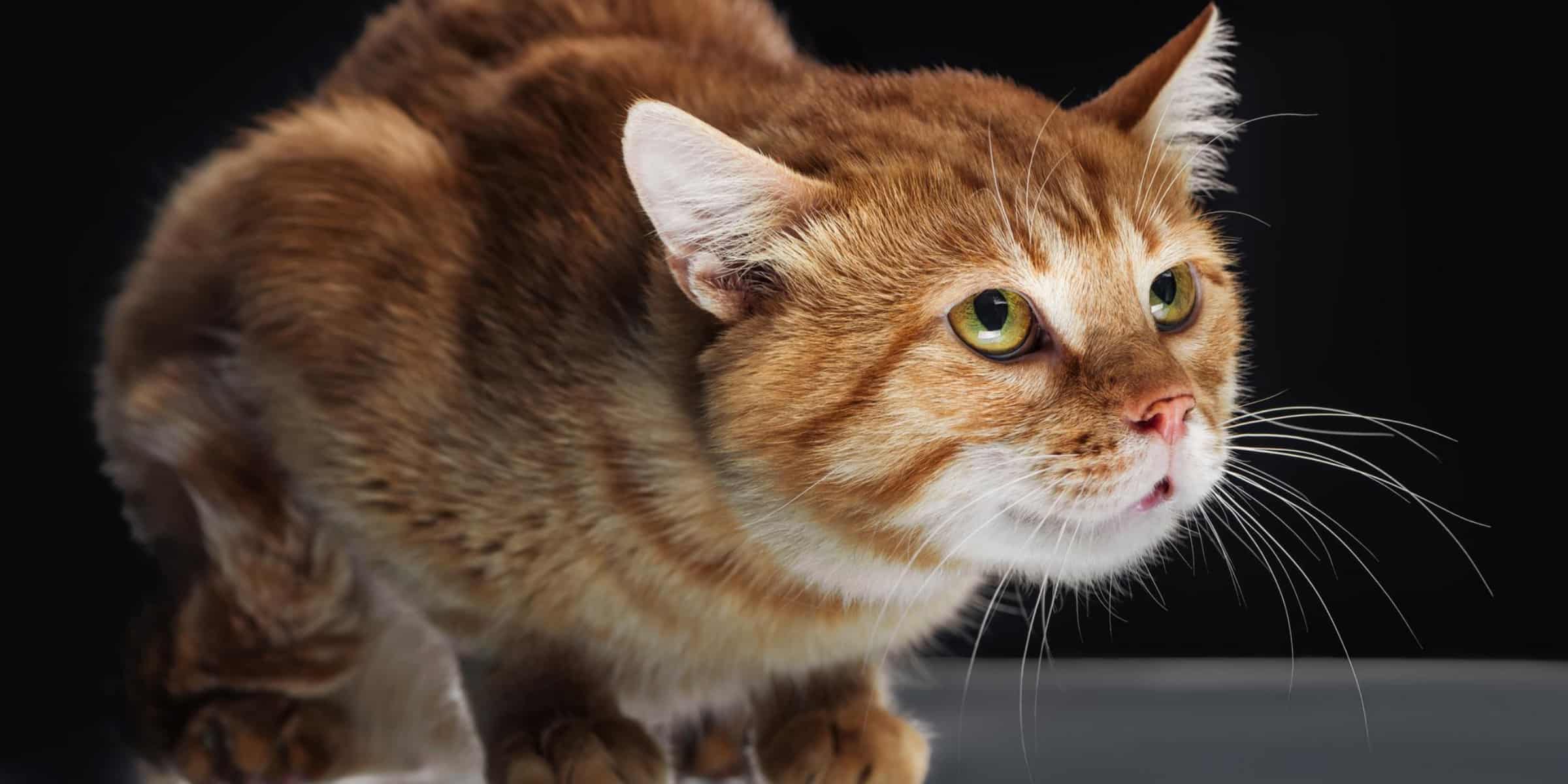
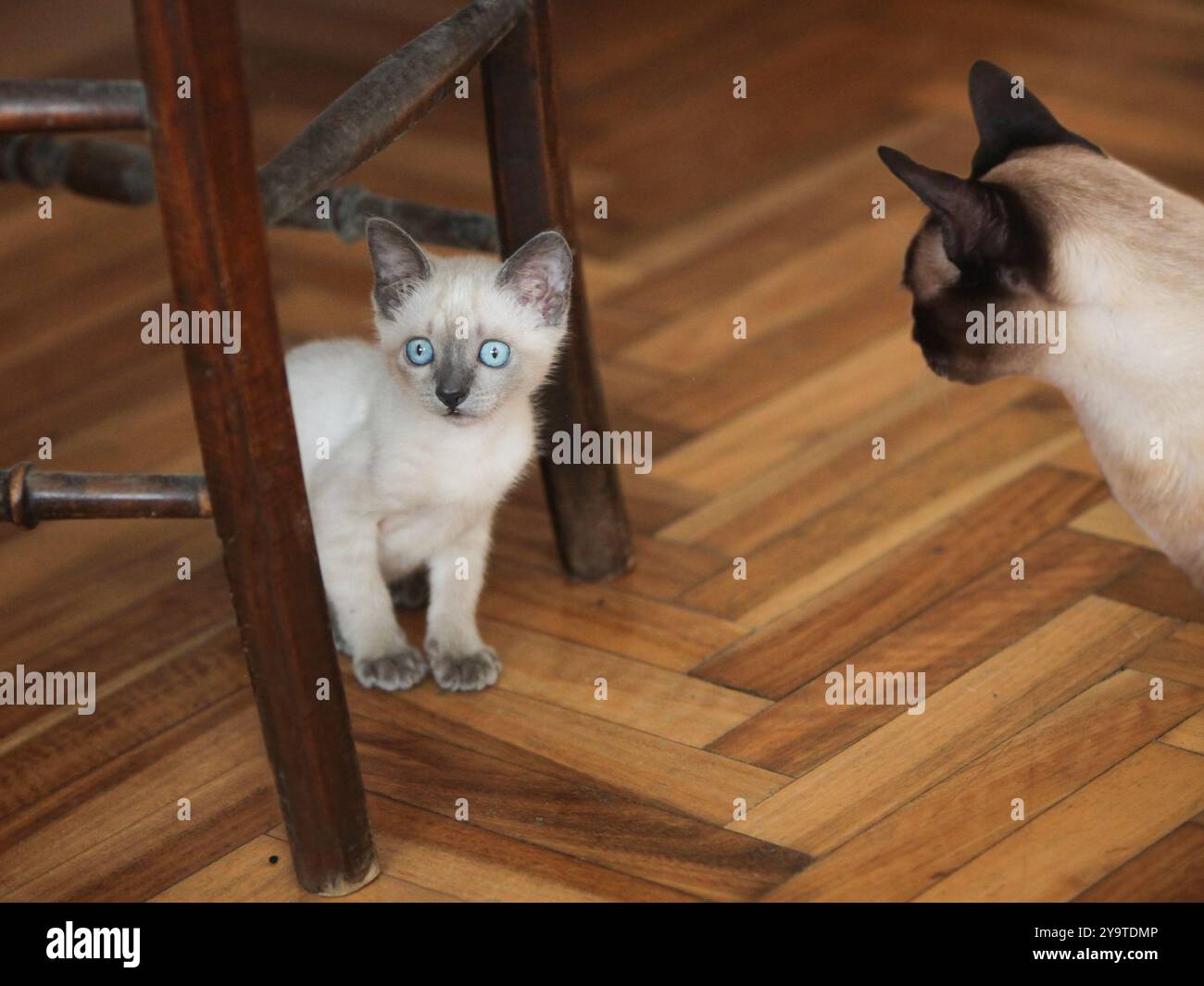
Cats are naturally territorial animals that view their environment as a primary resource for safety and survival. When a new kitten is introduced, the resident cat does not see a "friend" or a "playmate"; they often perceive an intruder competing for space, food, and human attention. This shift in domestic hierarchy triggers a stress response, which can manifest as hissing, growling, hiding, or redirected aggression.
The adult cat's fear is often a reaction to the kitten’s high-energy behavior. Kittens lack social cues and physical boundaries, often pouncing on or chasing the resident cat, which the adult interprets as a threat. Recognizing that your cat’s reaction is a normal biological response to a perceived environmental disruption is the first step toward managing the situation effectively.
The Foundation: Phase One Separation
The most common mistake owners make is allowing an immediate, unmonitored meeting. To prevent fear from escalating into aggression, you must establish a "safe zone" for the new kitten immediately upon arrival.
- Isolation: Place the kitten in a separate room equipped with their own litter box, water, food, and hiding spots.
- Scent Exchange: Cats rely heavily on pheromones. Swap their bedding daily so each cat becomes accustomed to the other’s scent without the physical presence of the "threat."
- Site Swapping: While the kitten is inside their base room, allow the resident cat to explore the room for short periods. This allows the adult to investigate the kitten’s scent in a secure, neutral way.
Sensory Desensitization and Positive Reinforcement
Once the cats seem calm near the barrier (the closed door), you can move toward visual and auditory desensitization. This involves teaching the resident cat that the presence of the kitten equals positive outcomes, such as treats, playtime, or high-value food.
- Feeding across the barrier: Move both cats' food bowls to either side of the closed door. They will learn to associate the smell and sound of the other cat with the positive experience of mealtime.
- Visual contact: Use a baby gate or a screen door to allow the cats to see one another without physical access. Keep these sessions brief. If the adult cat stares intently, growls, or hisses, shorten the duration and increase the distance from the barrier.
- Targeted play: Engage the resident cat in high-intensity play using a wand toy while the kitten is in the same room (behind a barrier). This boosts the adult’s confidence and helps them expend nervous energy.
Comparative Management Strategies
Different temperaments require different pacing. Use the following guide to gauge your progress and determine when to proceed to the next step.
| Indicator | Adult Cat Status | Action Required |
|---|---|---|
| Hissing/Growling | Highly Reactive | Keep separated; repeat scent exchange. |
| Curious/Quiet | Observing | Proceed to visual interaction through gate. |
| Ignoring/Grooming | Neutral/Relaxed | Supervised short meetings in neutral room. |
| Playful Interaction | Engaging | Monitor closely; keep sessions short. |
Supervised Face-to-Face Meetings
When you feel the cats are ready for direct contact, choose a time when the resident cat is already calm or tired. Keep the meeting short—no more than 5 to 10 minutes—and ensure there are multiple escape routes for the adult cat. If the kitten begins to chase or harass the adult, immediately interrupt the interaction by redirecting the kitten’s attention with a toy.
Never scold the adult cat for hissing or growling. These are communication tools, not "bad behavior." Punishing these signs will only increase the adult cat’s anxiety and fear of the situation. Instead, use a calm, firm voice to redirect or provide a positive distraction.
Troubleshooting Persistent Fear
If weeks have passed and the adult cat remains terrified, consider the following environmental factors:
- Vertical Space: Ensure your resident cat has access to high shelving or cat trees where they can observe the kitten from a safe distance. Vertical space is essential for a cat to feel in control of their territory.
- Resource Distribution: Increase the number of litter boxes and feeding stations. In 2026, behavioral experts recommend the "n+1" rule: have one more litter box than the number of cats in the household to prevent competition.
- Pheromone Therapy: Synthetic pheromone diffusers (such as Feliway) can help create a calming environment by mimicking the natural facial pheromones cats use to mark their territory as "safe."
Frequently Asked Questions
How long should I keep the cats separated? Separation should last until the adult cat is no longer showing signs of distress when hearing or smelling the kitten. This can range from a few days to several weeks. There is no arbitrary deadline; rushing this process often leads to long-term behavioral issues.
Is it normal for my cat to hide all day after meeting the kitten? It is common for an adult cat to hide when they feel their territory has been compromised. Ensure they have access to their favorite hiding spots and do not force them out. Continue the scent-swapping process and provide extra affection in their chosen sanctuary to reassure them.
Should I intervene if they are playing and the adult hisses? If the hiss is brief and the adult cat maintains a relaxed body posture, it is likely a boundary-setting behavior. However, if the adult cat is backed into a corner, has ears flattened, or the fur along their back is raised, you should intervene and separate them immediately.
What if the kitten keeps attacking the adult cat? Kittens require a massive amount of physical stimulation. If the kitten is constantly pouncing on the adult, the kitten is likely bored. Increase the amount of active, interactive play you provide to the kitten to burn off their excess energy, ensuring they are too tired to bother the adult.
When should I consult a professional? If you witness redirected aggression (where the adult cat attacks other pets or people), blood is drawn, or the adult cat stops eating or using the litter box due to stress, you should consult a certified feline behavior consultant or your veterinarian. Medical issues can sometimes exacerbate behavioral problems.
Next Steps for Success
Consistency is your most effective tool. Maintain a predictable routine for both cats, ensuring the resident cat receives individual attention and affection that is entirely independent of the kitten. By remaining patient and focusing on positive associations, you allow your adult cat to adapt at their own pace, eventually teaching them that the new kitten is a permanent, non-threatening addition to their home.
Image Gallery