Residential Foundation Repair Companies in Grapevine: Complete Homeowner Guide
Selecting qualified residential foundation repair companies in Grapevine, Texas requires understanding local soil behavior, structural repair methods, and contractor credentialing. Homeowners must navigate active clay soil shifts by se...
Selecting qualified residential foundation repair companies in Grapevine, Texas requires understanding local soil behavior, structural repair methods, and contractor credentialing. Homeowners must navigate active clay soil shifts by securing an independent structural engineering report, comparing pier installation techniques, verifying municipal permitting, and scrutinizing transferrable warranty terms before signing a repair contract.
Contents
Understanding Grapevine’s Expansive Clay Soil Challenge
The primary cause of foundation failure in Grapevine, Texas, stems directly from the region's geological composition. Grapevine sits on the North Texas Blackland Prairie and Eagle Ford Shale formations, which are characterized by highly expansive clay soils. These clays act like structural sponges, expanding significantly when saturated during seasonal rainstorms and contracting drastically during prolonged summer droughts.
This moisture-driven volume change creates constant soil movement beneath residential concrete slabs and pier-and-beam foundations. When soil swells, it applies upward hydrostatic pressure (upheaval) on specific portions of the slab. Conversely, as soil dries out, it loses load-bearing capacity, causing sections of the foundation to drop (settlement).
Because soil moisture changes rarely occur uniformly across an entire home footprint—often affected by tree root systems, sun exposure, and gutter downspout discharge—the uneven soil movement causes differential settlement. Differential settlement introduces bending moments into rigid concrete foundations, leading to structural stress, cosmetic cracking, and eventually severe failure.
Early Warning Signs of Foundation Distress in Grapevine Homes
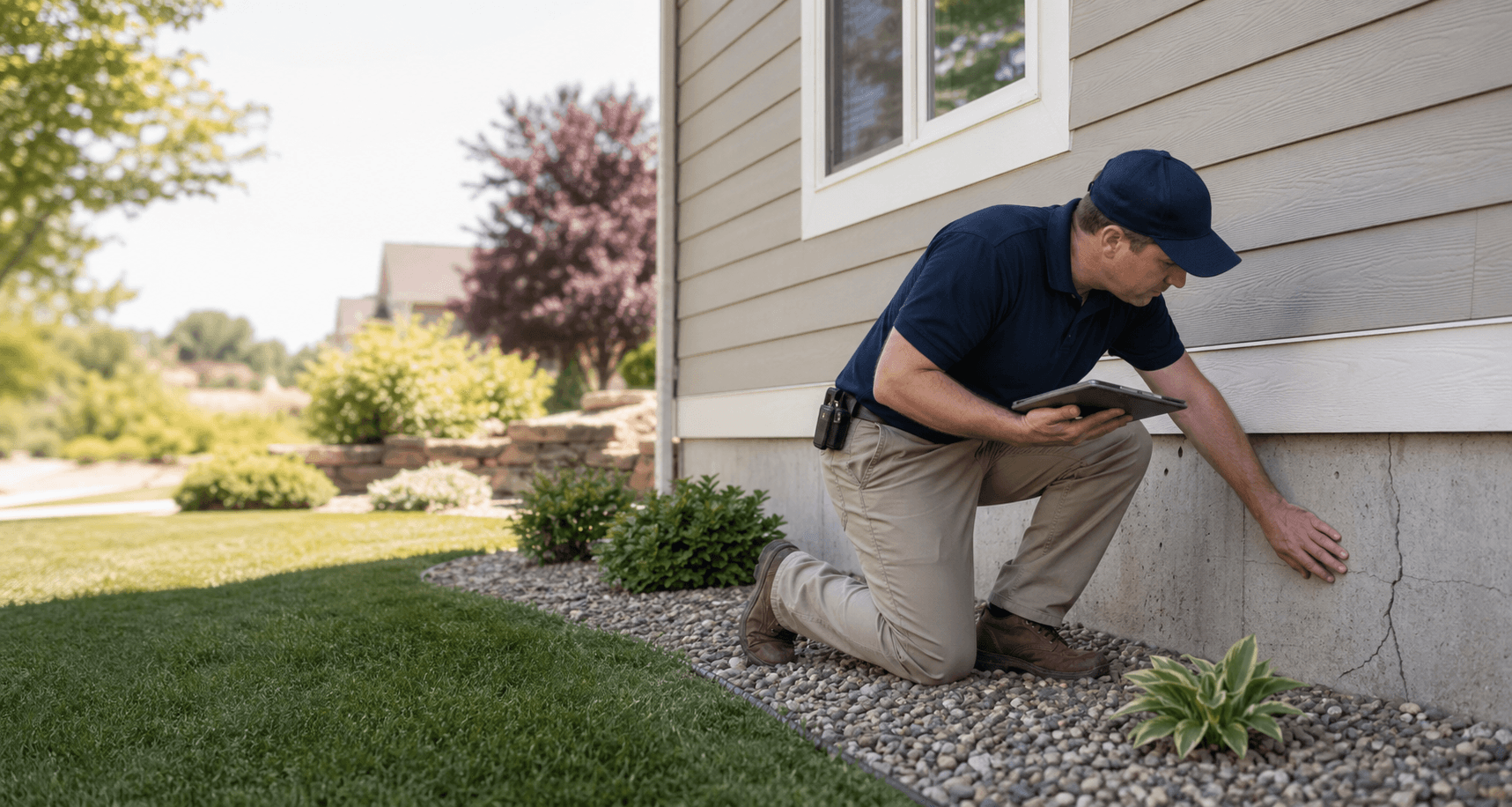
Identifying foundation distress early prevents minor settlement issues from escalating into major structural failures. Grapevine homeowners should routinely inspect both the interior and exterior of their property for specific indicators of foundation movement.
Interior Indicators
- Door and Window Binding: Doors that suddenly stick, fail to latch, or show uneven gaps above the frame indicate that the surrounding wall framing is no longer square.
- Sheetrock Cracks: Diagonal cracks extending from the corners of door and window frames through drywall are classic signs of structural shifting.
- Floor Sloping and Gaps: Unlevel floors, squeaking planks, or visible separation between baseboards and flooring materials point to localized foundation drops.
- Cabinet and Counter Disalignment: Kitchen or bathroom cabinets pulling away from interior walls reveal frame distortion caused by subfloor movement.
Exterior and Structural Indicators
- Exterior Masonry Cracks: Stair-step cracks along brick mortar lines or horizontal fractures in concrete siding are direct evidence of foundation differential settlement.
- Fascia and Soffit Separation: Gaps forming at the roofline where the exterior wall meets the fascia trim indicate differential vertical displacement.
- Chimney Tilting: Because brick chimneys rest on separate footings, structural shifting often causes them to pull away from the main roof structure.
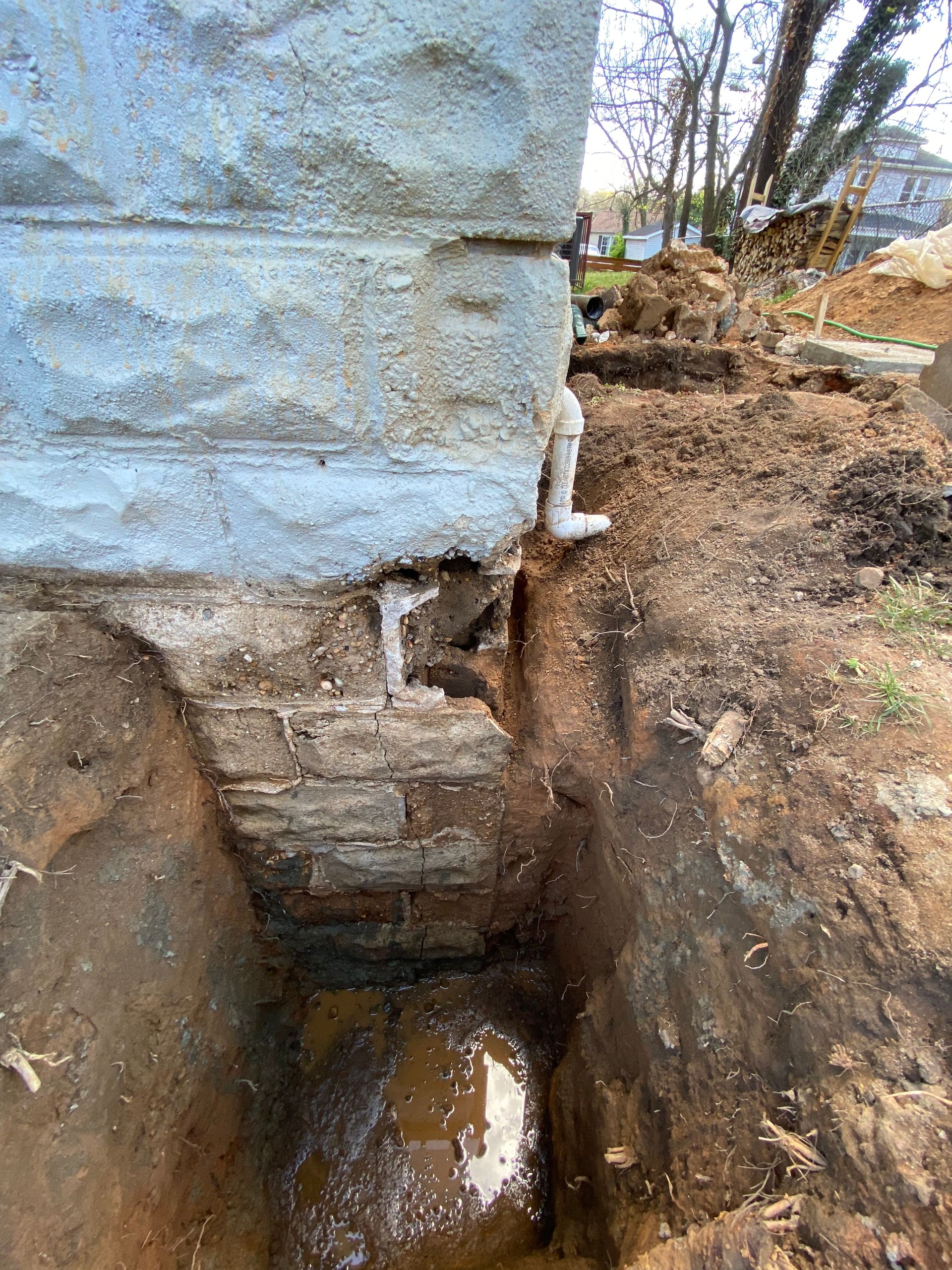
- Plumbing Line Fractures: Foundation movement can shear under-slab supply or sewer lines, creating subterranean leaks that accelerate localized soil erosion and structural failure.
Primary Repair Methods Used by Grapevine Contractors
Experienced foundation repair companies in Grapevine utilize several distinct structural repair methods depending on soil depth, home architecture, and load demands.
Pressed Concrete Pilings
Pressed concrete pilings are a widely used repair method across North Texas residential neighborhoods. Contractors drive precast concrete cylinders (typically 6 inches in diameter and 12 inches in length) vertically into the soil directly beneath the foundation beam using a hydraulic jack anchored against the home's structural weight.
- Mechanics: Cylinders are pressed sequentially until reaching hydraulic resistance (skin friction and end-bearing capacity). A concrete cap and steel shims are placed atop the piling column to elevate and secure the foundation.
- Best Suited For: Standard single-story and light two-story residential slab-on-grade homes in areas with moderately deep load-bearing soils.
Steel Push Piers
Steel push piers represent a heavy-duty, high-performance structural remediation technique. High-strength steel pipe sections are hydraulically driven deep into the ground until they penetrate through unstable active clay layers to reach solid bedrock or competent load-bearing strata.
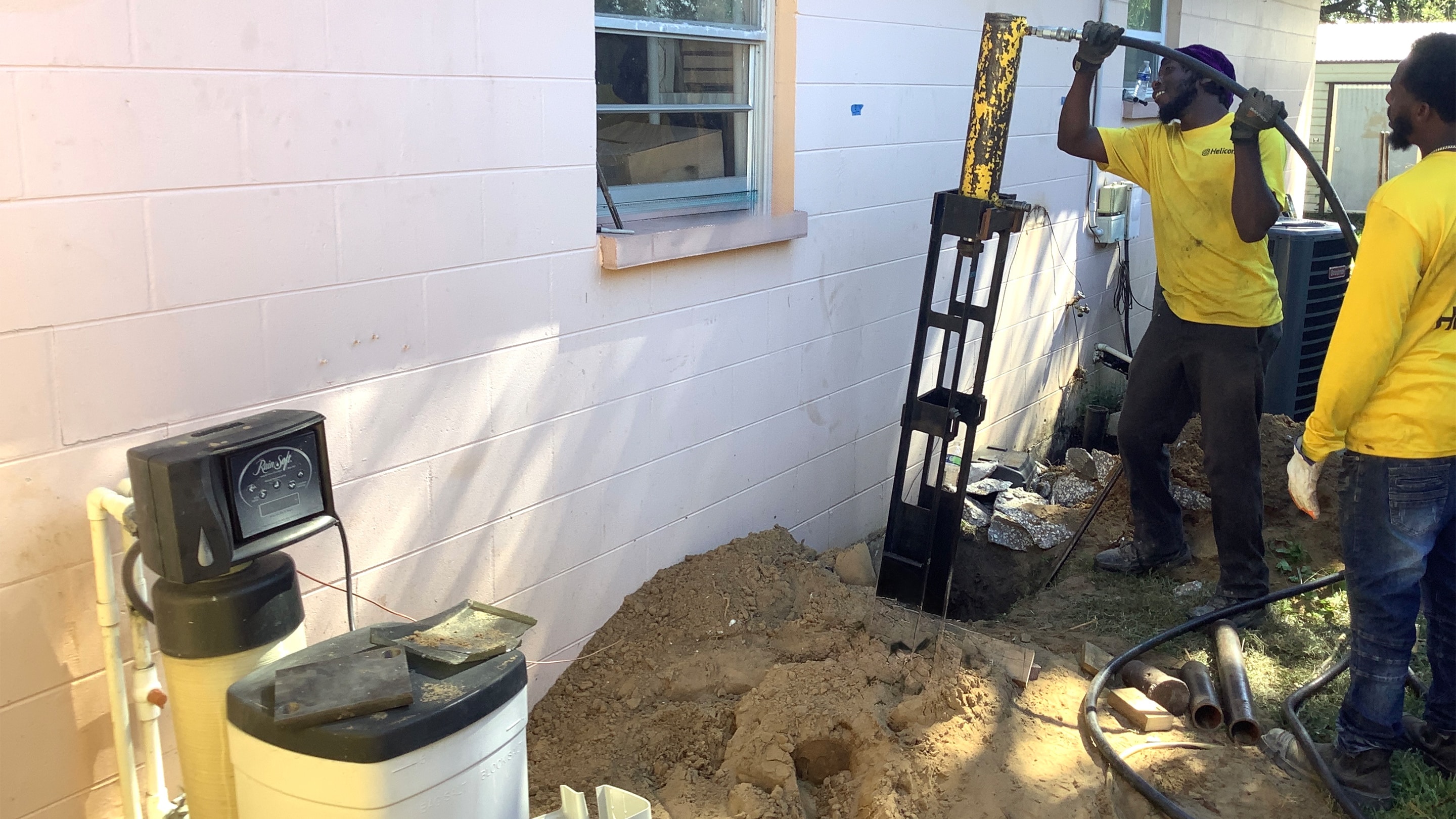
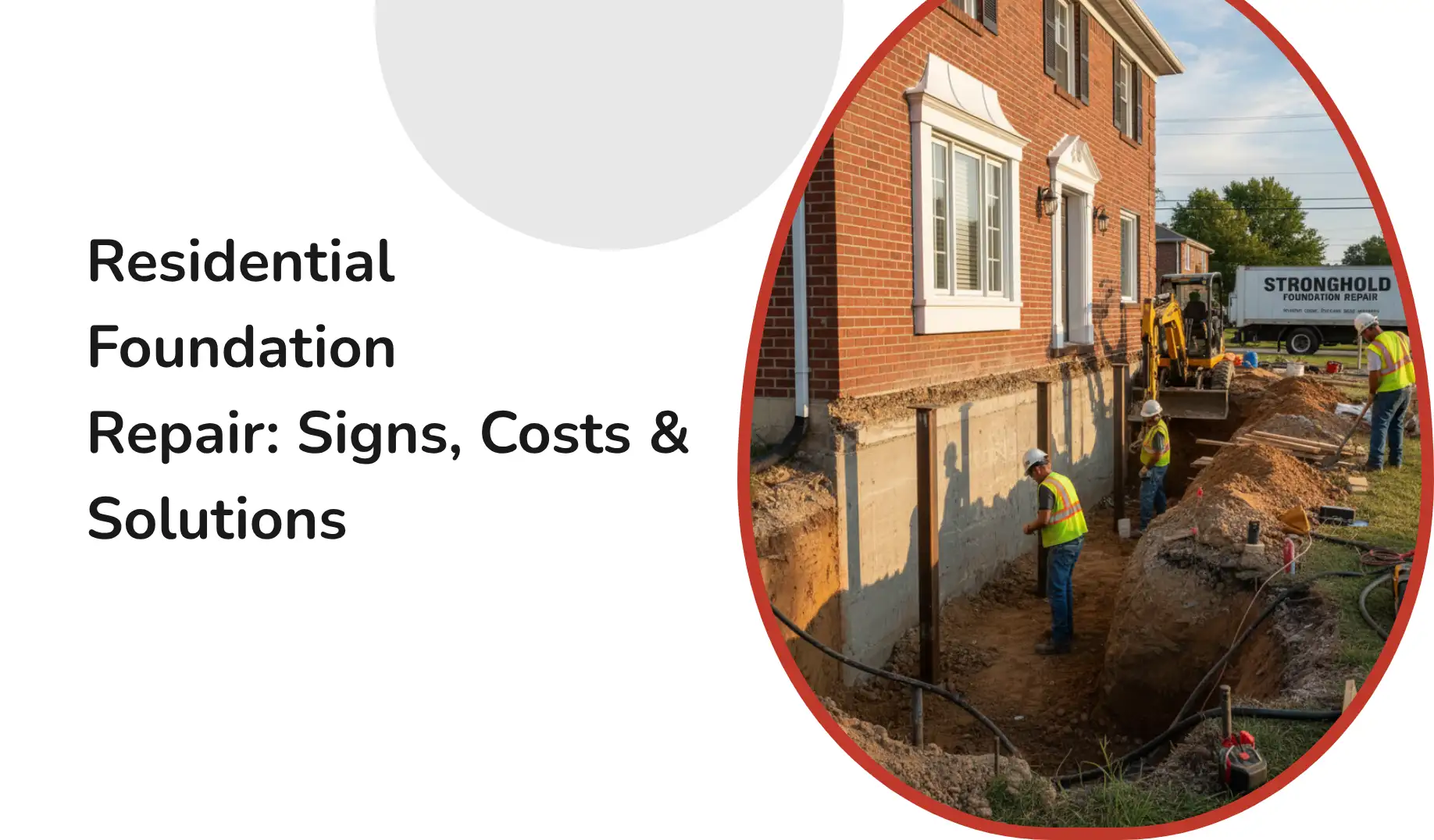
- Mechanics: Heavy steel brackets are attached to the foundation beam. Dual-hydraulic rams drive galvanized steel pier sections through the bracket down to stable strata, often reaching depths of 20 to 50 feet. The weight of the structure is then mechanically transferred onto the steel piers.
- Best Suited For: Heavy multi-story residences, homes built over deeply unstable fill soils, or properties where long-term structural stability takes priority over initial material cost.
Helical Piers
Helical piers feature steel shafts fitted with screw-like helical plates. Instead of relying solely on vertical hydraulic pressure, these piers are driven into the soil using hydraulic torque motors.
- Mechanics: As the helical plates turn into the earth, they advance to pre-determined torque ratings correlated with specific soil bearing capacities.
- Best Suited For: Pier-and-beam structures, light residential additions, decks, or sites where structural load is insufficient to resist the upward force required to drive pressed concrete pilings.
Polyurethane Foam Injection (Polyjacking)
Polyurethane injection is a non-destructive method designed to level sunken concrete slabs, patios, and interior foundation floors without heavy excavation.
- Mechanics: Technicians drill small holes (typically 5/8-inch) through the concrete slab and inject high-density expansion polymers. The liquid material expands into subterranean voids, compacts loose soil, and gently raises the slab.
- Best Suited For: Interior slab leveling, garage floors, walkways, and void filling following under-slab plumbing repairs.
Pier and Beam Stabilization (Crawlspace Repairs)
Grapevine homes with crawlspace foundations require specialized wood-framing adjustments alongside deep foundation stabilization.
- Mechanics: Work involves replacing rotted wood sills, joists, and subflooring, installing heavy-duty steel screw jacks, and rebuilding interior masonry support pads (shim blocks) beneath load-bearing interior walls.
Comparing Residential Foundation Repair Solutions
The following table summarizes key technical parameters, installation depths, and application criteria for common residential foundation repair techniques:
| Repair Method | Primary Material | Average Depth Reached | Relative Cost Per Pier | Ideal Application |
|---|---|---|---|---|
| Pressed Concrete Pilings | Precast Concrete Cylinders | 8–15 feet | Moderate | Standard residential slab-on-grade homes |
| Steel Push Piers | Galvanized Tubular Steel | 20–50+ feet (to bedrock) | High | Heavy structures, deep clay zones, long-term stability |
| Helical Piers | Steel Shaft with Screw Plates | 15–30 feet | High | Light structures, pier-and-beam, poor upper soil |
| Polyurethane Injection | High-Density Expanding Foam | Surface/Sub-slab Void | Moderate (per sq ft) | Interior slab leveling, void filling beneath floors |
| Crawlspace Jacking | Steel Screw Jacks & Concrete Pads | Surface to Shallow | Variable | Historic or custom pier-and-beam home frameworks |
How to Evaluate and Hire a Grapevine Foundation Repair Company
Selecting the right contractor requires methodical verification of professional credentials, municipal compliance, structural diagnostics, and warranty terms.
1. Require an Independent Engineering Inspection
Before requesting quotes from repair companies, hire an independent structural engineer licensed by the Texas Board of Professional Engineers and Land Surveyors. Independent engineers do not sell repair services; their sole function is to assess elevation readings, identify structural movement causes, and prepare an unbiased repair plan. A proper engineering report ensures contractors quote on identical scope and prevents unnecessary underpinning.
2. Verify Grapevine Permitting and Code Compliance
Structural foundation repairs within the city limits require building permits and strict compliance with local codes. Verify that your chosen contractor submits engineering plans and secures official permits through the City of Grapevine Building Services department before beginning excavation. Municipal permits trigger required building inspections, ensuring work meets municipal structural guidelines.
3. Analyze Warranty Coverage Details
Foundation repair companies frequently market "lifetime transferrable warranties," but homeowners must read the fine print:
- Warranty Scope: Does the warranty cover the entire foundation or only the specific piers installed?
- Adjustment Terms: What are the timeframes, conditions, and fees associated with future warranty pier adjustments?
- Transfer Requirements: What exact notification steps and fees are required to transfer the warranty to a new buyer upon selling the home?
4. Verify Insurance and Professional Credentials
Ensure contractors carry comprehensive General Liability coverage ($1 million minimum) and full Worker's Compensation insurance. Ask for certificates sent directly from the insurance carrier. Working with uninsured contractors exposes homeowners to severe financial liabilities if workers suffer injuries on the property.
Cost Factors in Residential Foundation Repair
The total investment required to repair a residential foundation in Grapevine varies widely based on structural parameters:
- Number of Piers Required: Foundation repair is typically priced on a per-pier basis. Minor stabilization may require 5 to 8 piers along an exterior beam, whereas comprehensive structural lifts can demand 20 to 40+ piers across exterior and interior locations.
- Pier Type: Concrete pilings feature lower material costs than high-grade galvanized steel push piers, though steel provides deeper penetration to stable bedrock.
- Under-Slab Plumbing Repairs: If foundation movement fractures sewer or water lines beneath the slab, plumbing isolation tests, hydro-jetting, and under-slab tunneling will add significant costs to the overall project.
- Drainage Remediation: Resolving the underlying cause of soil movement often requires installing French drains, surface swales, root barriers, or gutter extension systems alongside underpinning work.
Preventive Maintenance to Protect Your Foundation
Mitigating future soil movement is essential to preserving structural integrity after foundation repairs are complete.
- Implement a Foundation Watering Plan: Maintain consistent soil moisture levels around the entire foundation perimeter year-round. Install dedicated soaker hoses or underground drip irrigation lines positioned 12 to 18 inches away from the slab edges, operating them on a regular schedule during dry months.
- Optimize Surface Drainage: Ensure soil slopes away from the foundation at a minimum gradient of 6 inches for every 10 feet. Grade low spots near exterior walls to prevent rainwater from pooling against concrete beams.
- Manage Roof Runoff: Install seamless rain gutters with downspouts discharging water at least 5 feet away from the home’s foundation walls.
- Install Root Barriers: Large shade trees located within 15 to 20 feet of a home extract hundreds of gallons of moisture daily from the soil during summer, causing severe localized settlement. Installing deep vertical root barriers prevents roots from invading soil directly beneath the foundation beam.
Frequently Asked Questions
Do I need a permit for foundation repair in Grapevine, TX?
Yes. Structural foundation repairs, including pier installation and concrete slab lifting, require a building permit issued by the City of Grapevine. Reputable foundation repair contractors handle the permit application process and schedule required municipal inspections as part of their contract terms.
Should I hire an independent structural engineer before calling repair companies?
Yes. Hiring an independent Professional Engineer (PE) provides an unbiased structural assessment and floor elevation survey without sales incentives. The engineer creates a detailed repair plan specifying pier counts and placement, allowing you to obtain competitive, direct quotes from multiple contractors for identical work.
How long does typical foundation repair take on a home in Grapevine?
Most residential pier installation projects take between two and four business days to complete. Simple exterior slab underpinning typically takes two days, whereas complex projects requiring interior pier placement, extensive excavation, under-slab plumbing repairs, or concrete breakout may take four to five days.
Will homeowners insurance cover foundation repair in Texas?
Standard home insurance policies generally exclude coverage for foundation settling, soil expansion, or drop caused by environmental moisture shifts. However, if foundation damage directly results from a covered peril—such as an abrupt, accidental discharge from an interior plumbing system—partial coverage for access and repair may apply. Always consult your insurance adjuster to review policy specifics.
What is the structural difference between concrete piers and steel piers?
Pressed concrete piers consist of short concrete blocks pressed into upper soil layers, relying on soil friction and resistance to support structural loads. Steel push piers consist of heavy-duty galvanized steel pipe driven deep into the ground until reaching dense load-bearing strata or solid bedrock, providing superior depth and long-term stability in highly expansive clay soils.
Next Actions for Grapevine Homeowners
If you suspect foundation movement in your home, begin by taking clear photos of visible exterior brick fractures, door frame gaps, and interior drywall cracks. Next, schedule an evaluation with an independent, licensed Professional Engineer to obtain an objective assessment and tailored structural repair plan.
Once you receive the engineering report, contact reputable, licensed residential foundation repair companies servicing Grapevine. Request detailed written proposals that include itemized pier costs, municipal permitting details, proof of general liability insurance, and explicit transferrable warranty guidelines before finalizing your contract.
Image Gallery