Comprehensive Guide to Modular Conveyor Belts: Engineering, Selection, and Maintenance in 2026
Modular conveyor belts are advanced material handling systems constructed from interlocking plastic modules joined by transverse hinge pins. Unlike traditional flat belts that rely on friction, modular belts use a positive sprocket dri...
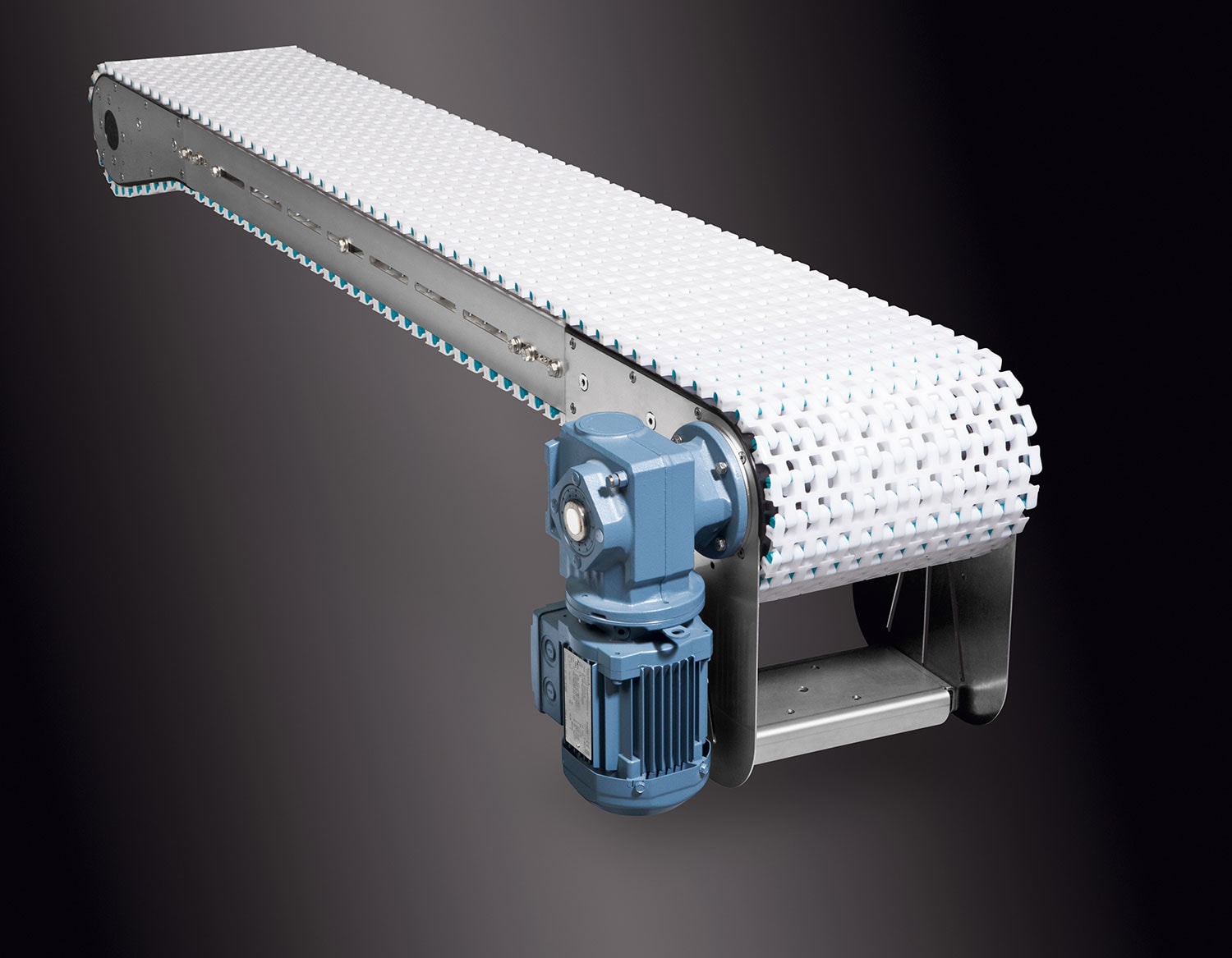
Modular conveyor belts are advanced material handling systems constructed from interlocking plastic modules joined by transverse hinge pins. Unlike traditional flat belts that rely on friction, modular belts use a positive sprocket drive system to eliminate slippage and tracking issues. This design allows for rapid repair by replacing individual damaged modules rather than the entire belt, making them essential for high-uptime environments in food processing, automotive assembly, and logistics.
Contents
The Engineering Evolution of Modular Conveyor Belts
By 2026, modular conveyor technology has matured into the primary choice for complex industrial automation. The fundamental shift from continuous fabric or rubber belts to modular plastic links addressed three historical pain points: tensioning requirements, sanitation difficulties, and catastrophic downtime.
In a modular system, the belt is composed of injection-molded plastic components. These modules are arranged in a brick-lay pattern, which provides inherent lateral strength and stability. The drive mechanism utilizes sprockets that engage directly with the underside of the modules. This positive drive principle ensures that the belt cannot slip on the rollers, even when under heavy load or in wet and oily conditions.
Furthermore, because these belts do not require high tension to maintain drive friction, they exert significantly less stress on the conveyor frame and bearings. This leads to a longer lifespan for the mechanical components of the conveyor system and allows for lighter-weight frame designs.
Material Science: Choosing the Right Polymer
The performance of a modular conveyor belt is dictated largely by the material of the modules and the pins. In 2026, manufacturers utilize specialized polymers tailored to specific environmental stressors such as temperature extremes, chemical exposure, and abrasive impact.
Polypropylene (PP)
Polypropylene remains the standard for many general-purpose applications. It offers excellent chemical resistance to many acids, bases, and salts. Its primary advantage is its high-temperature threshold compared to other common plastics, often operating effectively up to 104°C (220°F). However, PP becomes brittle at very low temperatures, making it unsuitable for freezing applications.
Polyethylene (PE)
Polyethylene is the go-to material for cold environments. It maintains flexibility and impact resistance at temperatures as low as -73°C (-100°F). While it has lower mechanical strength than PP or Acetal, its "non-stick" properties make it ideal for handling frozen foods or sticky products.
Acetal (POM)
Acetal is a high-performance thermoplastic characterized by high tensile strength and a low coefficient of friction. In 2026, Acetal is frequently used in long-distance conveyors and heavy-duty bottling lines because it can withstand higher pulling forces without stretching. Its low friction makes it perfect for accumulation applications where products must slide across the belt surface.
Specialty Materials
- Flame Retardant: Used in electronics manufacturing and logistics hubs to meet stringent fire safety codes.
- Anti-Static (ESD): Essential for preventing static discharge when conveying sensitive electronic components.
- Metal Detectable: Plastics infused with metal particles so that any fragment from a damaged belt can be caught by downstream inspection systems in food production.
Design Configurations and Surface Types
The versatility of modular belts is found in the variety of "top styles" available. The choice of surface directly impacts product stability, drainage, and cooling.
- Flat Top: A solid, smooth surface that provides maximum support for products. It is the easiest to clean and prevents small parts from getting caught in the belt.
- Flush Grid: Features an open area (typically 20% to 50%) that allows for airflow and fluid drainage. This is critical for cooling baked goods or draining water after a produce wash.
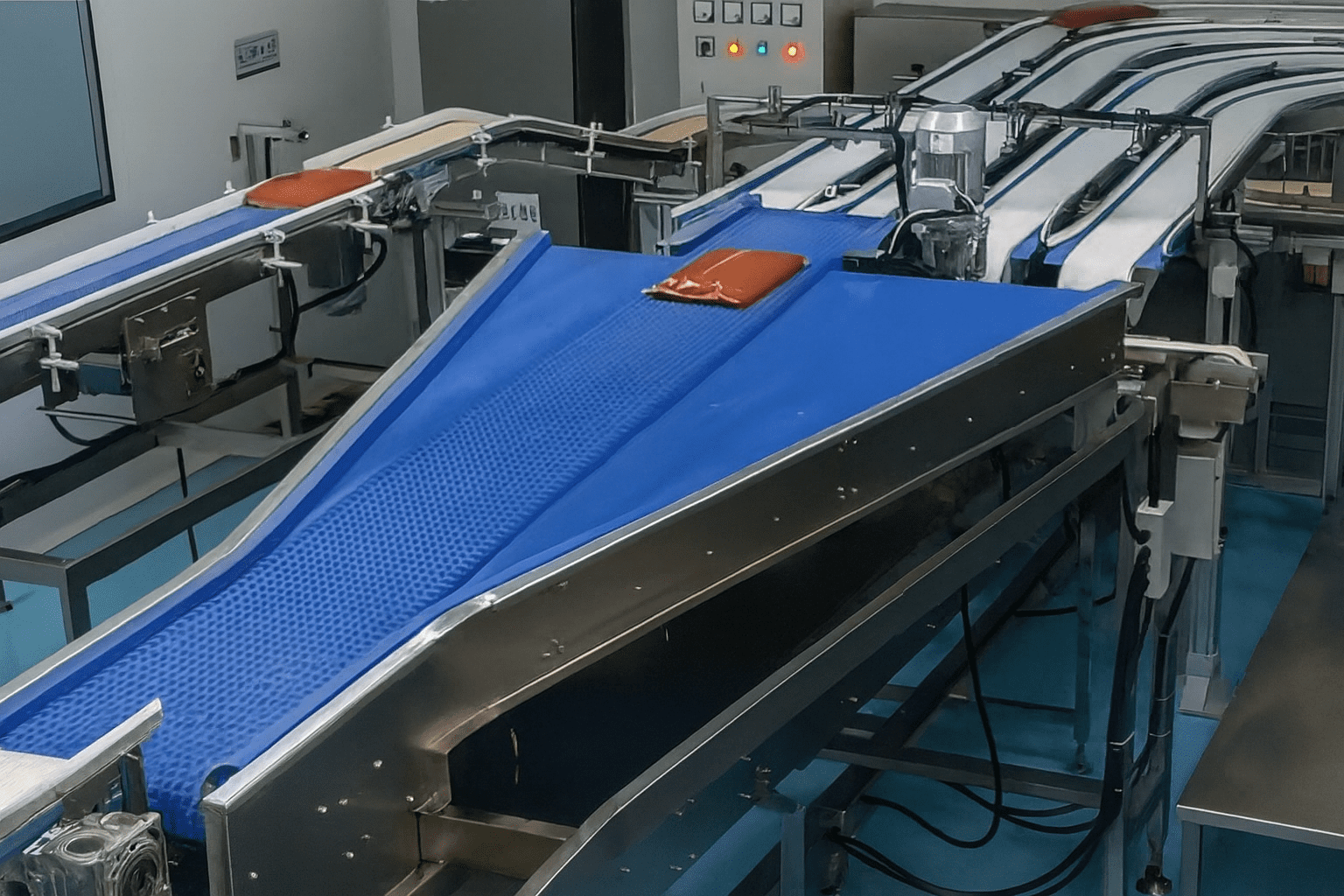
- Grip Top: Includes rubberized inserts or "friction modules" to prevent products from sliding on inclines or declines.
- Raised Rib: Often used in the beverage industry, these belts have longitudinal ribs that allow finger-plates to bridge the gap between the belt and the dead-plate, ensuring smooth transfers of unstable containers like thin-walled bottles.
Comparison of Belt Technologies
To understand why modular belts are preferred in modern facilities, it is helpful to compare them directly with traditional flat belt systems.
| Feature | Modular Plastic Belts | Traditional Flat Belts (PVC/Rubber) |
|---|---|---|
| Drive Method | Positive (Sprockets) | Friction (Rollers) |
| Tracking | Self-tracking via sprockets | Requires constant adjustment |
| Repair | Individual modules replaced in minutes | Entire belt must be spliced or replaced |
| Drainage | Excellent (Open mesh options) | Limited or none |
| Sanitation | High (Non-porous, easy to wash) | Moderate (Porous edges can harbor bacteria) |
| Initial Cost | Higher | Lower |
| Maintenance Cost | Low (Minimal downtime) | High (Tensioning and tracking labor) |
Maintenance and Operational Life in 2026
Effective maintenance of modular conveyor belts focuses on two primary areas: sprocket alignment and pin wear. Because the system is "low tension," the most common error is over-tensioning the belt, which leads to premature wear on the sprocket teeth and the module hinges.
Catenary Sag Management
Unlike traditional belts, modular belts require a specific amount of "catenary sag" on the return side. This sag provides the necessary slack for the belt to engage the sprockets correctly and allows for thermal expansion. In 2026, most advanced systems use sensors to monitor this sag, alerting maintenance teams if the belt has stretched beyond its design limits.
Cleaning and Hygiene
In food-grade applications, modular belts are often cleaned using Clean-In-Place (CIP) systems. Modern modules are designed with "active-hinge" technology, where the rotation of the belt around the sprocket opens up the hinge area, allowing high-pressure sprays to reach internal surfaces. According to the European Hygienic Engineering & Design Group (EHEDG), the ability to access these "hidden" areas is paramount in preventing biofilm buildup.
Troubleshooting Common Issues
- Pin Migration: If the pins that hold the modules together begin to slide out, it usually indicates a damaged retaining clip or an improperly installed pin.
- Sprocket Jumping: This "cogging" effect occurs when the belt is too loose or the sprockets are worn. It can also happen if the belt has undergone significant thermal expansion without sufficient catenary sag.
- Unusual Noise: Often caused by "stick-slip" friction on the wearstrips. Replacing standard wearstrips with lubricated UHMW (Ultra-High Molecular Weight) polyethylene usually resolves this.
Strategic Selection Criteria
When specifying a modular conveyor belt in 2026, engineers must look beyond the belt itself and consider the entire conveyor construction.
- Load Calculation: Determine the "belt pull" based on the weight of the product, the coefficient of friction of the wearstrips, and the incline angle. Acetal is preferred for high-load, long-distance runs.
- Environmental Compatibility: Ensure the material matches the cleaning chemicals used. For instance, strong oxidizing agents can degrade certain types of Acetal over time.
- Transfer Requirements: If the product is very small (e.g., individual pills or small electronic components), a "nose-bar" transfer is required. This involves the belt traveling over a very small radius at the end of the conveyor, which requires specific "small-pitch" modules (usually 0.5 inches or less).
The International Organization for Standardization (ISO) provides several standards related to conveyor safety and belt strength (such as ISO 21183), which are vital for verifying the load-bearing claims of manufacturers.
Frequently Asked Questions
How long does a modular conveyor belt last?
In a typical 2026 industrial environment, a well-maintained modular belt can last between 5 and 10 years. Longevity depends heavily on the abrasiveness of the product and the frequency of cleaning. Belts in high-speed bottling lines may require pin replacements every 2-3 years to maintain pitch integrity, even if the modules themselves are still in good condition.
Can modular belts handle high-speed applications?
Yes, but speed is limited by the "chordal action" of the sprockets. As a belt module engages a sprocket, it moves in a slight up-and-down motion. To minimize vibration at high speeds, engineers use sprockets with a higher number of teeth, which smooths the transition. Systems in 2026 routinely operate at speeds up to 100 meters per minute (approx. 330 feet per minute).
Are modular belts more expensive than traditional belts?
The initial purchase price of a modular belt and its required sprockets is typically 20% to 40% higher than a standard PVC friction belt. However, the Total Cost of Ownership (TCO) is usually lower. This is due to the drastic reduction in downtime; a broken modular belt can be repaired in 10 minutes by a single technician with a spare module and a screwdriver, whereas a flat belt might require hours of vulcanizing or mechanical fastening.
How do you calculate the number of modules needed for a curve?
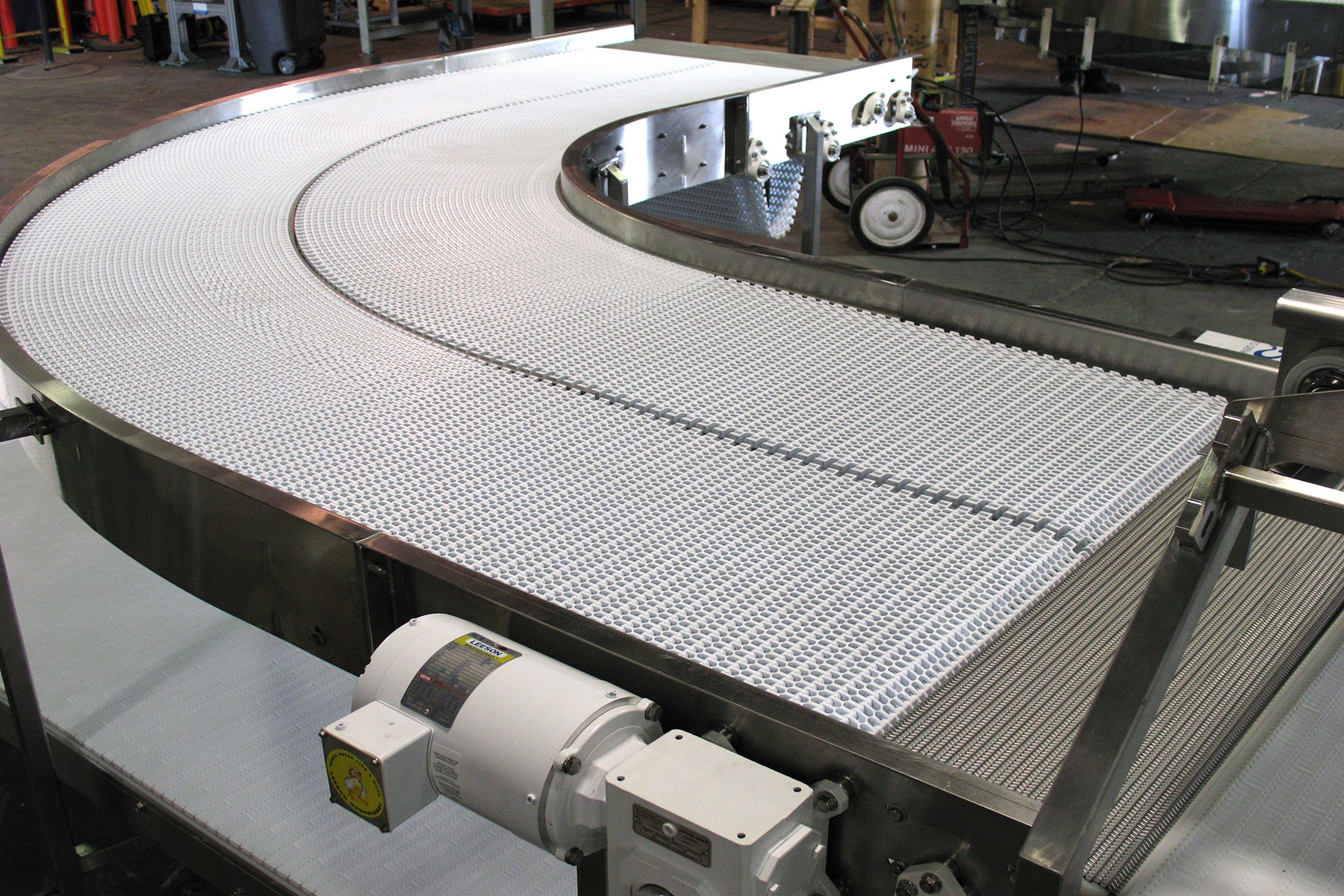
For radius (turning) belts, the calculation is based on the "collapse factor" of the specific belt design. Each manufacturer provides a minimum turn radius (usually 1.5 to 2.5 times the belt width). You must ensure the inner edge of the belt can compress sufficiently to navigate the curve without the modules binding or the outer edge over-stressing.
Are there sustainable options for modular belts in 2026?
Yes, the 2026 market has seen a surge in bio-based polymers and recycled content modules. Many manufacturers now offer "closed-loop" programs where old, worn modules are collected, reground, and injection-molded into new non-food-grade industrial belts or wearstrips.
Final Recommendation
When transitioning to or upgrading a modular conveyor system, prioritize material compatibility and ease of access. For food and pharmaceutical industries, ensure the belt design is certified by the U.S. Food and Drug Administration (FDA) or local equivalents. For heavy industrial use, focus on the tensile strength of the modules and the robustness of the sprocket drive. Investing in a modular system is a strategic decision to trade a higher upfront cost for significantly improved operational reliability and lower long-term maintenance labor.
Image Gallery