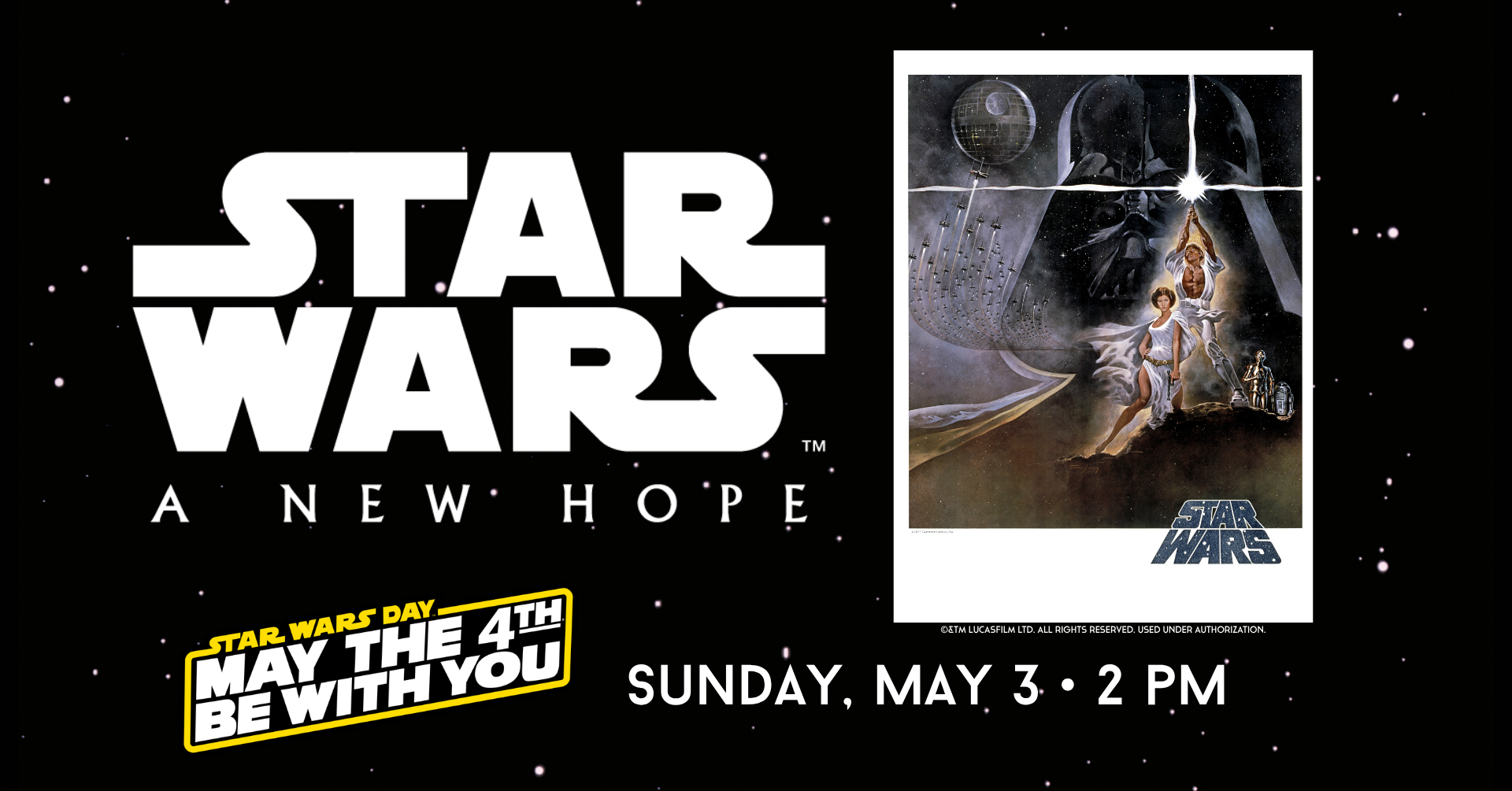
The Iconic Filming Locations of Star Wars: A New Hope
The primary filming locations for Star Wars: Episode IV - A New Hope included the deserts of Tunisia, which served as the planet Tatooine, and the rainforests of Tikal, Guatemala, for the Rebel base on Yavin 4. Interior scenes were cap...
The primary filming locations for Star Wars: Episode IV - A New Hope included the deserts of Tunisia, which served as the planet Tatooine, and the rainforests of Tikal, Guatemala, for the Rebel base on Yavin 4. Interior scenes were captured at Elstree and Shepperton Studios in England, while pickup shots were filmed in California’s Death Valley National Park.
Contents
When George Lucas began production on the original Star Wars in 1976, he sought to create a "used future" aesthetic—a galaxy that felt lived-in, weathered, and grounded in reality. To achieve this, the production bypassed traditional Hollywood backlots in favor of remote, visually striking international locations. As of 2026, many of these sites have become legendary pilgrimage destinations for cinema historians and fans alike. The contrast between the subterranean homes of North Africa and the ancient Mayan ruins of Central America provided the foundational visual language for the entire Star Wars franchise.
Tunisia: The Desert Sands of Tatooine
Tunisia served as the most vital location for the film's first act. The country provided the arid, desolate landscape required for the desert planet of Tatooine—a name actually derived from the Tunisian town of Tataouine. Filming in Tunisia began in March 1976, facing extreme weather conditions that included a rare desert rainstorm that delayed production.
Matmata and the Lars Homestead
One of the most recognizable locations is the Hotel Sidi Driss in Matmata. This is a traditional Berber "troglodyte" dwelling, where rooms are carved into the ground around a central courtyard to provide natural insulation against the desert heat. In A New Hope, this served as the interior of the Lars Homestead, where Luke Skywalker lived with his Uncle Owen and Aunt Beru. Visitors today can still see the original architectural features and some reconstructed set decorations that remain from the filming of both the original film and the later prequels.
Nefta and the Chott el Djerid
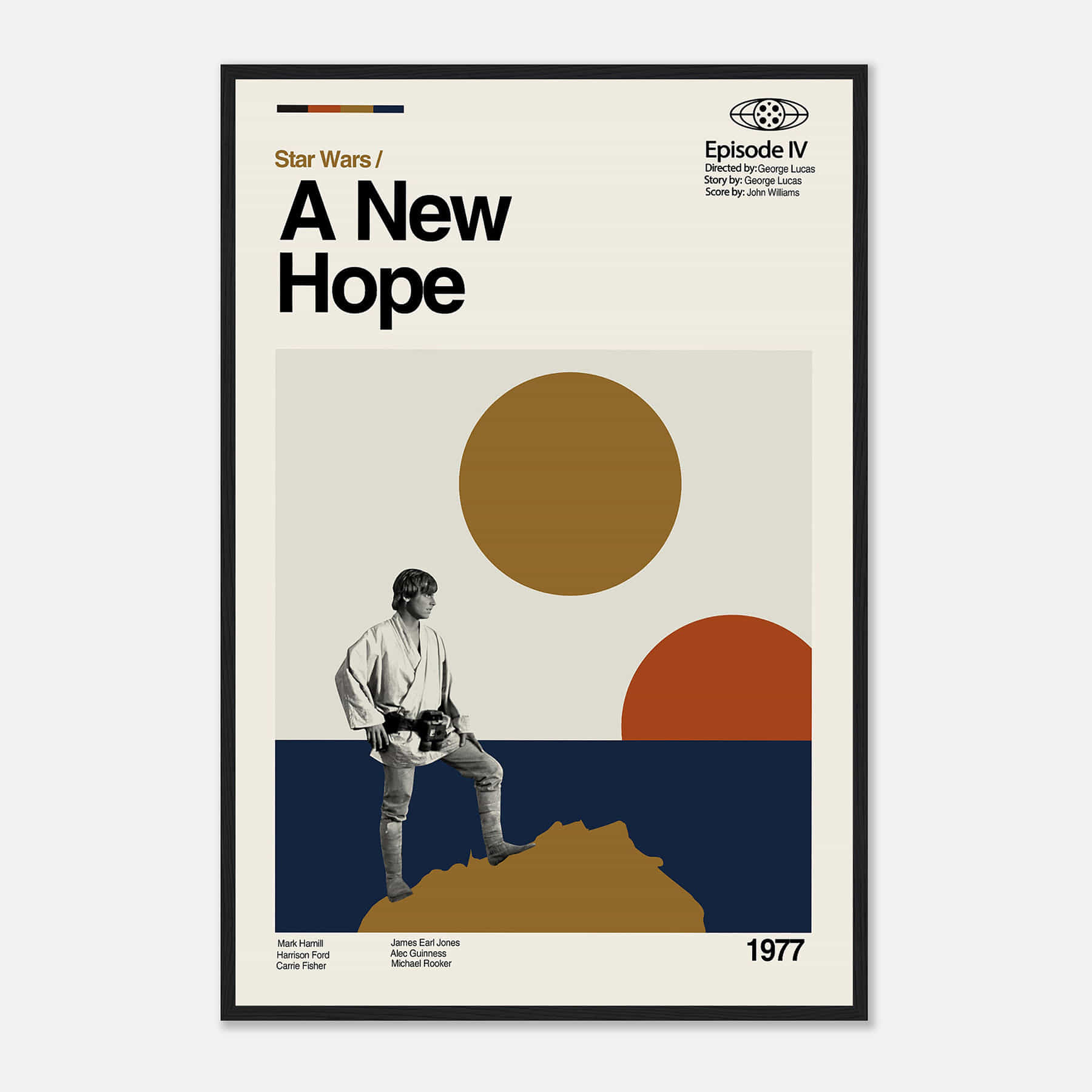
The exterior of the Lars Homestead, famous for the iconic "binary sunset" scene, was filmed on the Chott el Djerid, a massive salt flat near the town of Nefta. The iconic white dome (the igloo) was a freestanding set piece built on the flat, desolate expanse. Because the salt flat is perfectly level and stretches to the horizon, it provided the illusion of an endless desert planet.
Djerba and the Port of Mos Eisley
The island of Djerba provided the backdrop for several key scenes in the outskirts of Mos Eisley.
- Ajim: A former bakery in this town was used as the exterior of the Mos Eisley Cantina. While the interior was filmed on a soundstage in England, the exterior shots established the gritty, dangerous atmosphere of the spaceport.
- Sidi Jemour: This location served as the setting for the Toshi Station scenes (mostly deleted from the final theatrical cut but famous in lore) and parts of the Mos Eisley approach.
Sidi Bouhlel: "Star Wars Canyon"
Located near Tozeur, the Sidi Bouhlel canyon is often referred to by fans simply as "Star Wars Canyon." This narrow, rocky gorge was the site of several pivotal moments, including the Jawa ambush of R2-D2 and the first appearance of the Tusken Raiders. The canyon's unique geological formations offered a sense of scale and danger that would have been impossible to replicate on a 1970s soundstage.
The United Kingdom: The Core of Production
While the location shoots provided the film’s "soul," the technical heart of A New Hope was located in the United Kingdom. During the 1970s, the UK offered world-class crews and significant tax incentives, making it the primary hub for big-budget sci-fi production.
Elstree Studios (Borehamwood)
Elstree Studios served as the main production base. The sheer volume of interior sets required for the Death Star, the Millennium Falcon, and the Rebel base at Yavin 4 necessitated the use of nine different soundstages. The famous "Stage 6," which was later named the George Lucas Stage, was constructed specifically to house the massive sets required for the sequels, but the foundation of the Star Wars aesthetic was built in the cramped, busy stages of Elstree in 1976.
The production at Elstree was notoriously difficult. The British crew, many of whom had worked on prestige dramas, were initially skeptical of the "B-movie" script. However, the technical innovations developed here—ranging from the motion-control camera work of Industrial Light & Magic (ILM) to the intricate set designs of John Barry—defined the visual standards for modern blockbuster filmmaking.
Shepperton Studios
When Elstree reached maximum capacity, the production expanded to Shepperton Studios. Specifically, the massive "H Stage" was used to film the final award ceremony scene in the Great Hall of the Rebel base. This scene required a vast number of extras and a scale that could only be accommodated by one of the largest soundstages in Europe at the time.
Guatemala: The Rebel Base on Yavin 4
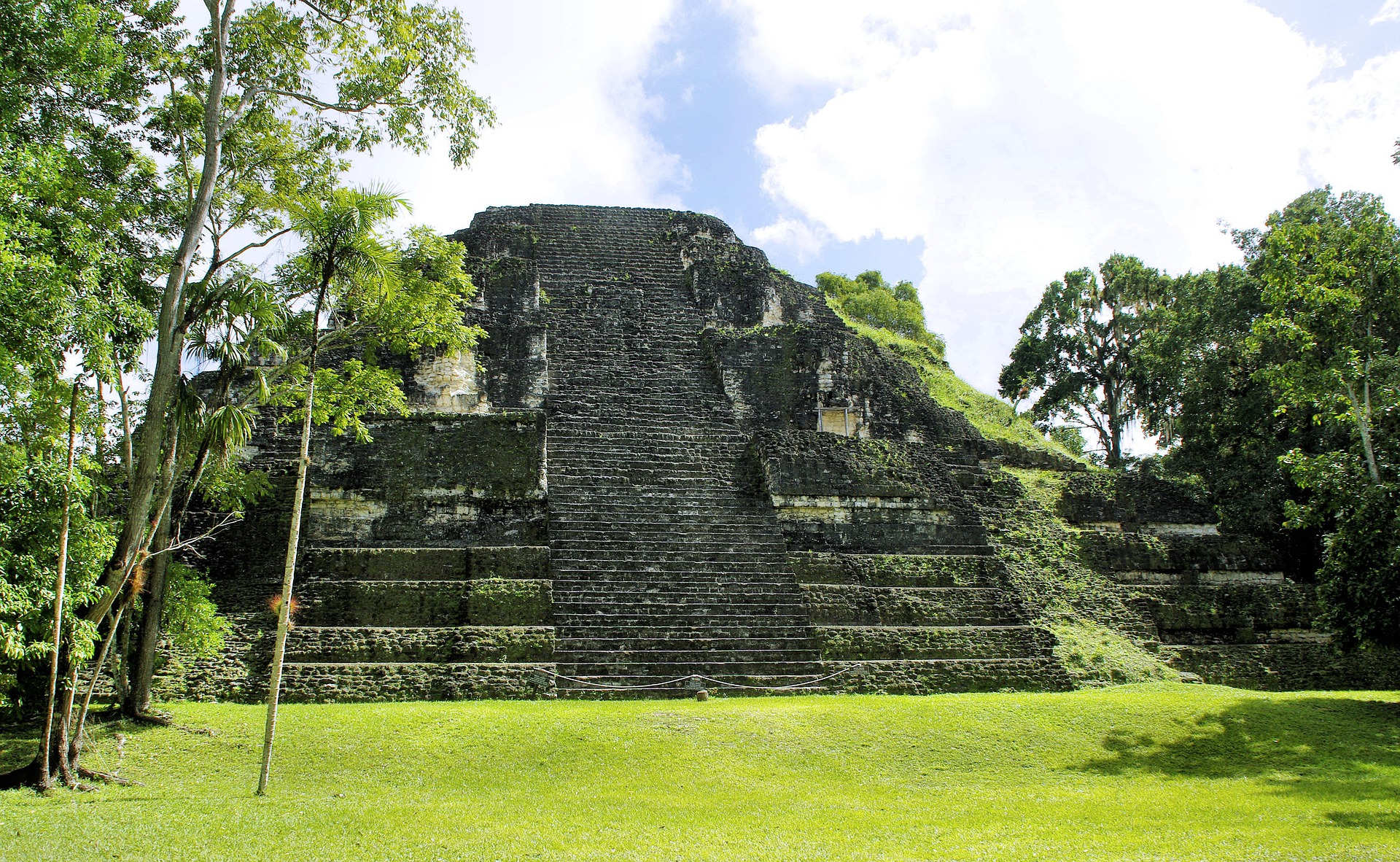
For the climax of the film, George Lucas needed a location that felt ancient, lush, and hidden. He found this in Tikal National Park in Guatemala. Tikal is home to the ruins of an ancient Mayan city, featuring towering limestone temples that rise above the rainforest canopy.
The shot of a Rebel sentry watching the Millennium Falcon land on Yavin 4 was filmed from the top of Temple IV, looking out over the tops of Temples I, II, and III. This location choice was masterful because it utilized real historical ruins to give the Rebel Alliance a sense of history and permanence. The contrast between the technological prowess of the Death Star and the organic, ancient ruins of the Rebel base reinforced the film’s themes of nature versus the machine.
Death Valley, USA: Pickup Shots and Details
After the primary photography in Tunisia and England was completed, Lucas realized he needed additional footage to flesh out the Tatooine sequences. In early 1977, a small crew headed to Death Valley National Park in California to film "pickups."
| Location in Death Valley | Scene in A New Hope | Significance |
|---|---|---|
| Mesquite Flat Sand Dunes | R2-D2 and C-3PO parting ways | The vast dunes provided a sense of scale for the droids' isolation. |
| Dante's View | Wide shot of Mos Eisley | Overlooking the Badwater Basin, this vista was used for the panoramic view of the spaceport. |
| Desolation Canyon | Tusken Raider mount point | Used for the scene where the Tusken Raiders watch Luke’s landspeeder. |
| Twenty Mule Team Canyon | R2-D2’s trek through the canyon | Provided the jagged, rocky terrain for the droid’s capture by Jawas. |
Filming in Death Valley was a logistical choice. It allowed the production to capture "desert" footage that matched Tunisia without the expense of flying the entire crew back to North Africa. The harsh light and geological textures of the Mojave Desert integrated seamlessly with the Tunisian footage.
Production Logistics and Cultural Impact
The choice of these locations was dictated as much by budget as by creative vision. A New Hope had a relatively modest budget of approximately $11 million. This forced the production to be resourceful. The use of real-world locations grounded the fantasy elements of the film.
The "Used Future" Aesthetic
By filming in Matmata’s underground homes and Tikal’s ruins, the production avoided the clean, plastic look of earlier science fiction films like Logan's Run or 2001: A Space Odyssey. These locations carried the weight of real history, which translated to the screen as a galaxy with a past. This was a revolutionary concept in 1977 and remains the gold standard for the franchise in 2026.
Preservation and Tourism
Today, the Tunisian government and various fan organizations work to preserve these sites. The "Save Lars" project, a fan-led initiative, successfully restored the Lars Homestead exterior in the Tunisian desert in 2012, ensuring it survived the harsh desert environment. In Guatemala, Tikal remains a protected UNESCO World Heritage site, though its association with Star Wars remains a significant draw for international tourists.
Frequently Asked Questions
Can you stay at the Lars Homestead today?
Yes, the Hotel Sidi Driss in Matmata, Tunisia, functions as a working hotel. As of 2026, fans can stay in the same troglodyte rooms used in the film. While the accommodations are basic and reflect the traditional Berber style, the central courtyard remains decorated with the prop murals and architectural details seen in the movie.
Why wasn't the entire movie filmed in California?
While California has deserts, George Lucas wanted a specific aesthetic that looked completely "alien" to American audiences. The unique architecture of the Tunisian Berbers and the specific geological white-out of the salt flats provided a visual palette that could not be easily replicated in the Mojave. Additionally, the production was based in the UK, making North Africa a more accessible "exotic" location for the European crew.
Are the Mayan temples in Guatemala still open to the public?
Yes, Tikal National Park is open to visitors. You can climb Temple IV to see the exact view shown in the film. However, due to conservation efforts in 2026, certain areas may have restricted access to prevent the erosion of the ancient limestone structures.
Was any of the film shot in a studio in the United States?
Surprisingly, very little of A New Hope was filmed in U.S. studios. While Industrial Light & Magic (ILM) was based in Van Nuys, California, their work primarily involved miniature photography, optical compositing, and special effects. The live-action dialogue and set pieces were almost exclusively captured in the UK.
How did they film the desert scenes without damaging the cameras?
The production in Tunisia was plagued by technical failures. The fine desert sand and extreme heat caused cameras to jam and film stock to degrade. The crew had to use pressurized air to constantly clean the equipment. The harsh environment was one of the reasons the production eventually moved to Death Valley for pickup shots, as the logistics were significantly easier to manage closer to the editing facilities in California.
Practical Recommendation for Travelers
For those planning to visit these locations in 2026, the most rewarding experience is often found in Tunisia, specifically the Tozeur region. It contains the highest density of accessible filming sites, including the Lars Homestead, the Star Wars Canyon, and the Mos Eisley outskirts. It is highly recommended to hire a local guide who specializes in film history, as many of the locations are deep in the desert and require 4x4 vehicles to access safely. Always check current travel advisories and ensure you have sufficient water and sun protection, as the Tunisian desert remains as formidable today as it was during the 1976 production.
Image Gallery