Inside the Role of a Claims Examiner at Chubb Auto Insurance
A claims examiner at Chubb Auto Insurance evaluates, investigates, and settles complex auto insurance claims, determining liability, assessing vehicle damage or injury severity, and managing payouts according to policy limits. This spe...
A claims examiner at Chubb Auto Insurance evaluates, investigates, and settles complex auto insurance claims, determining liability, assessing vehicle damage or injury severity, and managing payouts according to policy limits. This specialized professional balances rigorous fraud detection with efficient customer service, ensuring that policyholders receive accurate indemnification under Chubb's high-net-worth and standard insurance guidelines.
Contents
Understanding the Role of a Claims Examiner
The position of a claims examiner sits at the intersection of risk management, legal interpretation, and customer advocacy. While claims adjusters often handle initial damage reports, field inspections, and minor repair settlements, a claims examiner typically steps in when situations become intricate, high-value, or legally contested. At a premier property and casualty insurer like Chubb, the role carries distinct expectations due to the profile of its customer base, which frequently includes high-value luxury and exotic vehicles, complex liability exposures, and high-net-worth personal asset protection portfolios.
An examiner does not merely process paperwork. They analyze police reports, consult with medical professionals or forensic automotive engineers, interpret complex insurance policy language, and negotiate settlements with defense attorneys or claimants. The overarching goal is to protect the financial interests of the insurance carrier while upholding the contractual obligations promised to the policyholder. This requires a balanced temperament, sharp analytical reasoning, and comprehensive knowledge of state-specific insurance regulations.
Core Responsibilities and Daily Operations
Daily responsibilities for this position require a blend of desk-bound investigative work and high-stakes decision-making. Examiners manage an active inventory of claims files, moving each case systematically from initial notice of loss to final resolution.
Investigation and Liability Determination
When an auto accident involves disputed liability, multi-vehicle pileups, or catastrophic injuries, the examiner leads the investigative charge. This involves reviewing photographic evidence, interviewing witnesses, subpoenaing traffic camera footage, and collaborating with accident reconstruction experts. Determining who is legally at fault dictates how much the company will pay out and whether subrogation against an at-fault third party is viable.
Policy Interpretation and Coverage Verification
Every auto policy is a legal contract with specific declarations, endorsements, exclusions, and limits. A claims examiner must verify whether the policy was active at the time of the loss, whether the driver was an insured permissive user, and whether specific coverage tiers apply—such as comprehensive, collision, uninsured/underinsured motorist, or rental car reimbursement. For Chubb auto policies, which often feature specialized endorsements for agreed-value coverage on classic or exotic cars, precise policy interpretation is paramount.
Settlement Negotiation and Litigation Management
Once liability and damages are quantified, the examiner negotiates settlements with claimants, opposing insurance carriers, or legal representation. If a claimant files a lawsuit against a Chubb policyholder, the examiner works directly with appointed defense counsel. They authorize litigation budgets, evaluate settlement conference strategies, and determine when a case should settle out of court versus proceeding to trial.
Qualifications, Skills, and Prerequisites
Securing a position as an insurance claims examiner requires a distinct mix of formal education, professional licensing, and hands-on industry experience. Because Chubb operates in the high-value and specialty insurance sectors, its hiring standards reflect a demand for elevated competence and discretion.
Educational Background and Certifications
Most employers prefer candidates with a bachelor’s degree in finance, business administration, criminal justice, pre-law, or a related field. While a specific degree is valuable, professional designations carry significant weight in the claims handling industry. Certifications such as the Chartered Property Casualty Underwriter (CPCU), Senior Claims Law Associate (SCLA), or Associate in Claims (AIC) demonstrate advanced technical proficiency.
Licensing Requirements
Insurance examiners must hold state-specific adjuster licenses depending on where they evaluate claims. Many states require resident or non-resident adjuster licenses, which involve passing a rigorous state examination covering insurance law, ethics, and adjusting practices. Examiners handling multi-state portfolios often maintain reciprocal licenses across numerous jurisdictions.
Essential Soft Skills and Technical Competencies
Beyond credentials, successful examiners possess sharp critical thinking and communication skills. They must interpret dense legal and medical documents, negotiate firmly without alienating policyholders, and manage high-stress situations with composure. Technical proficiency is equally vital; examiners utilize sophisticated claims management software, estimating tools like Mitchell or CCC Intelligent Solutions, and enterprise database systems to track financial reserves and document investigation logs.
| Skill / Qualification | Category | Importance to a Chubb Examiner |
|---|---|---|
| State Adjuster License | Regulatory | Mandatory requirement for evaluating and settling losses legally. |
| Legal & Policy Analysis | Technical | Essential for interpreting complex liability statutes and policy wordings. |
| Negotiation & Mediation | Interpersonal | Crucial for resolving high-dollar disputes without prolonged litigation. |
| Financial Acumen | Analytical | Necessary for managing reserve allocations, payouts, and subrogation recoveries. |
The Claims Lifecycle at Chubb Auto Insurance
Navigating a claim at a specialized carrier like Chubb involves a structured, multi-step lifecycle designed to ensure accuracy, compliance, and client satisfaction.
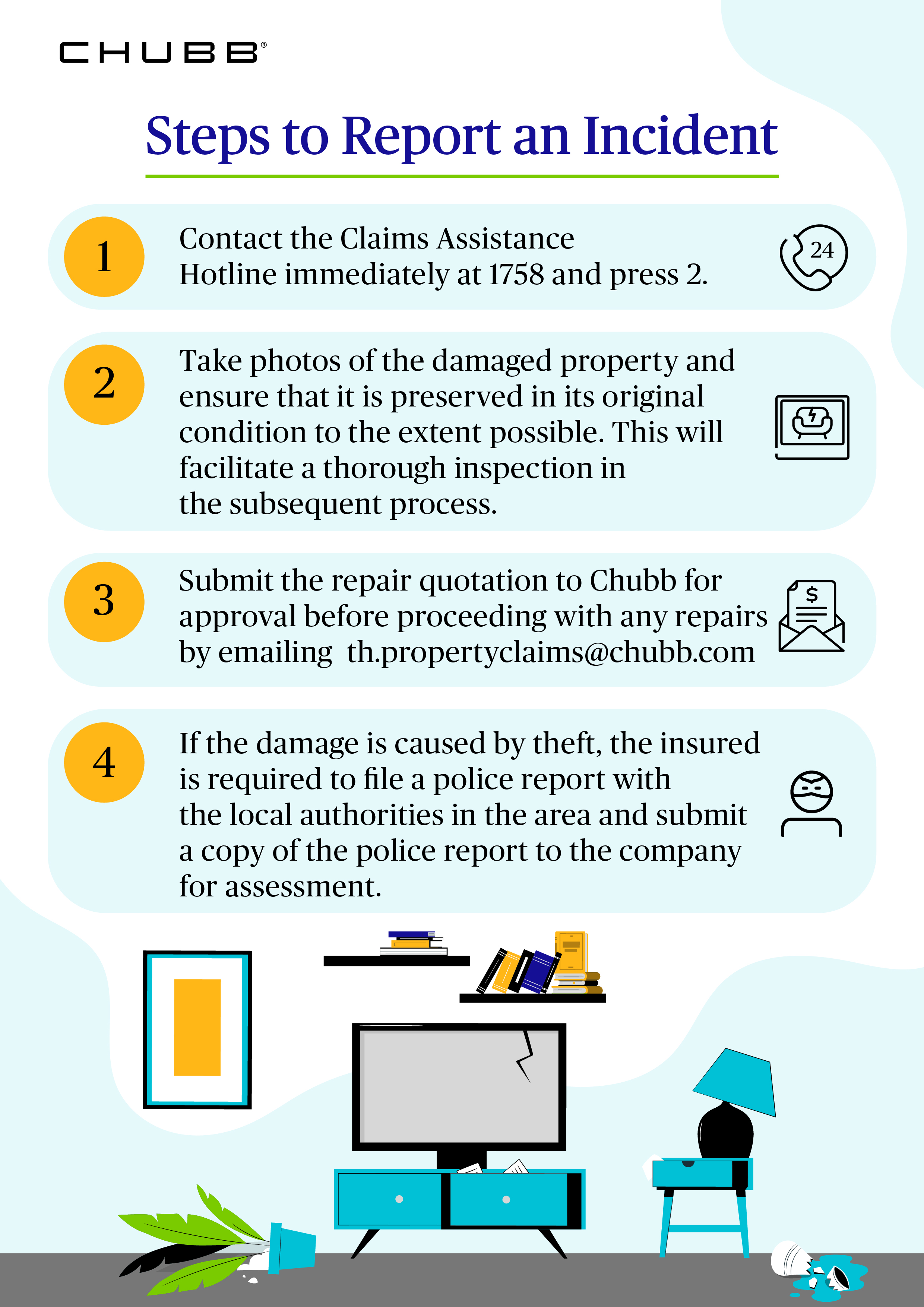
- First Notice of Loss (FNOL): The policyholder or a third party reports an accident through digital channels, phone lines, or broker networks. Initial data is logged into the claims management system.
- Triage and Assignment: The claim is evaluated for complexity and severity. Straightforward minor property damage is routed to adjusters or automated streams, while complex liability or high-value damage is assigned to a claims examiner.
- Investigation & Fact-Finding: The examiner gathers police reports, speaks with involved parties, inspects vehicle damage estimates, and reviews medical records if bodily injury is claimed.
- Reserving and Financial Allocation: The examiner sets an initial financial reserve—an estimated amount set aside to cover the anticipated total cost of the claim, including legal fees and payouts.
- Evaluation and Negotiation: Damages are quantified, liability is established, and settlement negotiations commence with claimants or legal counsel.
- Resolution and Closure: Upon agreement, releases are signed, payments are disbursed, subrogation recovery efforts are initiated if applicable, and the file is officially closed.
Challenges and Special Considerations in High-Net-Worth Auto Claims
Handling claims for a carrier that caters to affluent clientele introduces unique operational challenges. Unlike standard mass-market auto insurance, Chubb policies frequently insure high-end exotic vehicles, vintage collections, and customized luxury cars.
Valuing Specialized and Exotic Vehicles
Standard repair parts databases often fail when dealing with limited-production supercars, hand-built European luxury sedans, or vintage classic cars. An examiner at this level must know how to source original equipment manufacturer (OEM) parts globally, coordinate specialized transport to certified repair facilities, and collaborate with marque-certified master technicians. Furthermore, many Chubb auto policies utilize "agreed value" clauses rather than actual cash value, requiring precise valuation expertise to prevent disputes over total-loss payouts.
Managing Privacy and White-Glove Expectations
High-net-worth clients and their family offices expect a discreet, white-glove claims experience. Examiners must balance thorough fraud investigation protocols with tactful, high-touch customer service. Maintaining confidentiality regarding client identities, asset locations, and sensitive loss details is an ethical and operational imperative.
Frequently Asked Questions
What is the difference between a claims adjuster and a claims examiner at Chubb?
An adjuster typically handles the ground-level investigation, inspecting vehicle damage, taking initial statements, and processing routine claims. A claims examiner manages more complex, high-value, or disputed claims, overseeing legal strategy, setting financial reserves, and interpreting intricate policy exclusions.
Do I need legal experience to become an auto insurance claims examiner?
While a law degree is not required, a strong working knowledge of tort law, comparative negligence statutes, and insurance contract law is essential. Many examiners possess backgrounds in legal studies, paralegal work, or extensive general adjusting experience.
How does Chubb auto insurance differ from standard auto insurance carriers?
Chubb specializes in high-net-worth personal lines, offering tailored coverages such as agreed-value protection for collector cars, OEM parts guarantees, worldwide rental car coverage, and elevated liability limits designed to protect significant personal assets.
What career advancement opportunities exist for claims examiners?
Experienced examiners can advance into senior examiner roles, technical specialist positions handling catastrophic injury or litigation, claims management, or executive leadership roles within enterprise risk and insurance operations.
Conclusion and Next Actions
A career as a claims examiner at Chubb Auto Insurance offers a challenging, intellectually demanding path for professionals skilled in investigation, negotiation, and risk analysis. For those seeking to enter this field, strengthening credentials through adjuster licensing, pursuing industry-recognized designations like the CPCU, and gaining practical experience in liability or property and casualty claims management provide a solid foundation for success. Candidates should monitor corporate career portals directly for open technical examiner positions and ensure their resumes highlight complex file management and analytical capabilities.
Image Gallery