What the Banksy Street Art NYC Residency Means for Property Owners
For a property owner, discovering a Banksy work on a building exterior translates to an immediate and permanent shift in the asset’s legal, financial, and operational status. While it offers a potential multi-million dollar valuation i...
For a property owner, discovering a Banksy work on a building exterior translates to an immediate and permanent shift in the asset’s legal, financial, and operational status. While it offers a potential multi-million dollar valuation increase, it also introduces complex liabilities involving the Visual Artists Rights Act (VARA), high preservation costs, and significant logistical hurdles regarding authentication and potential relocation.
Contents
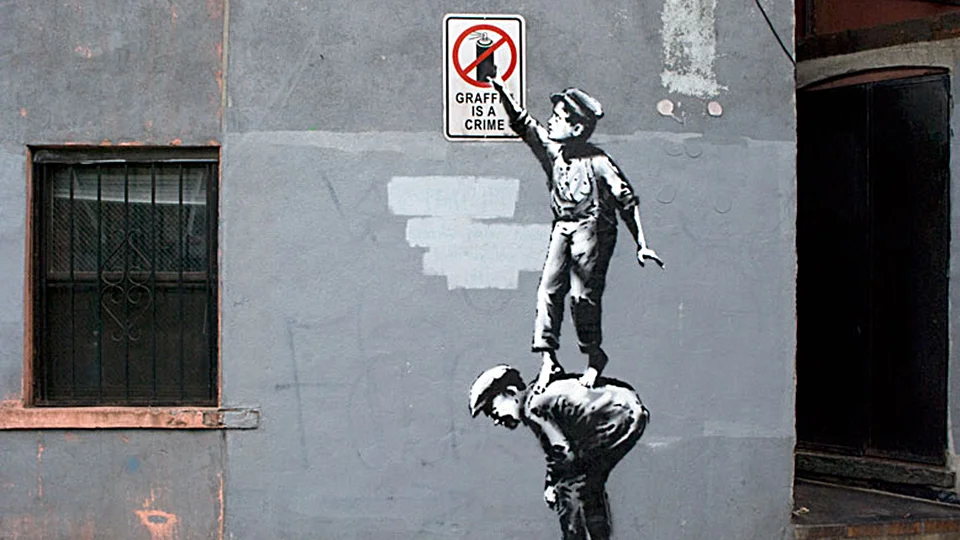
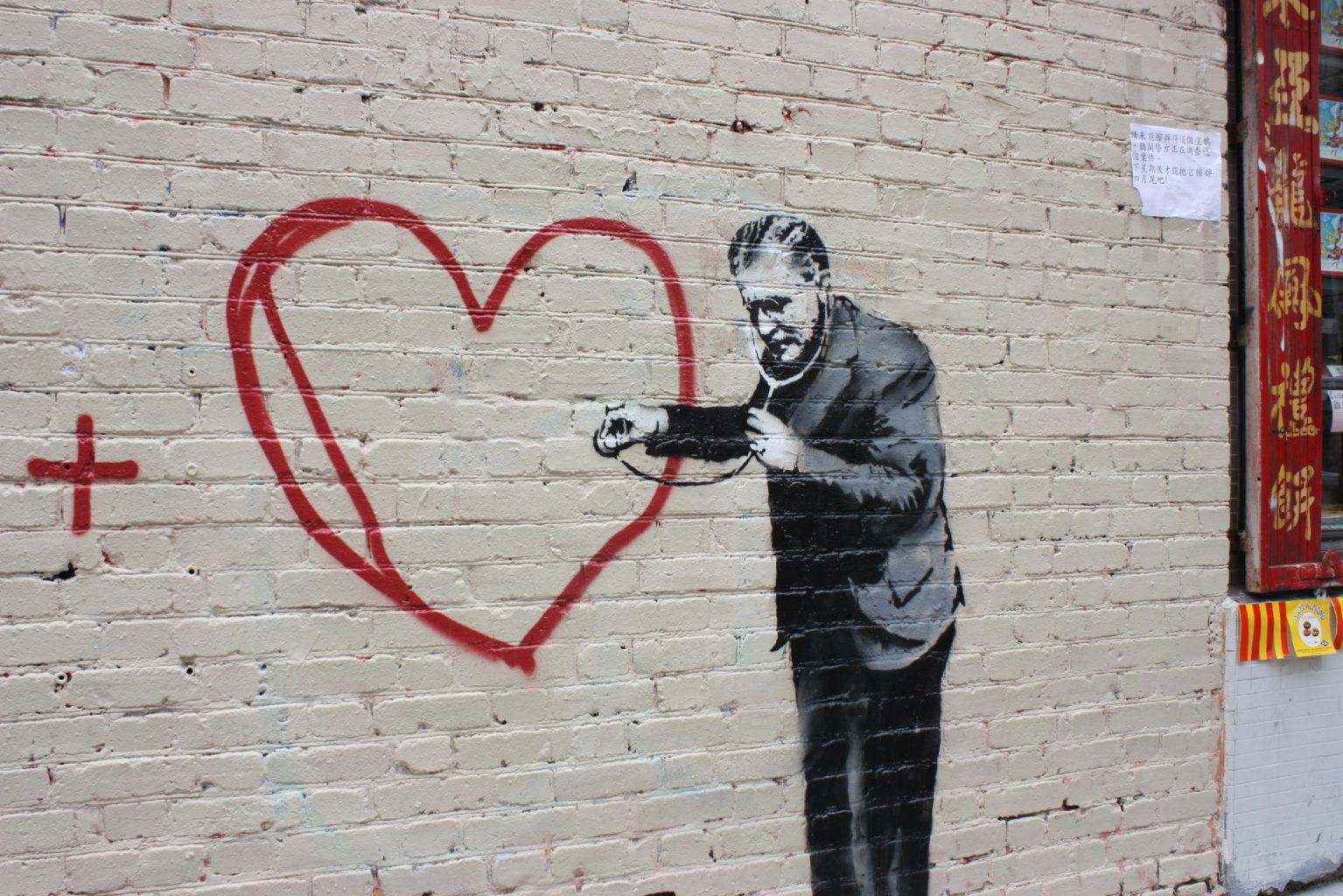
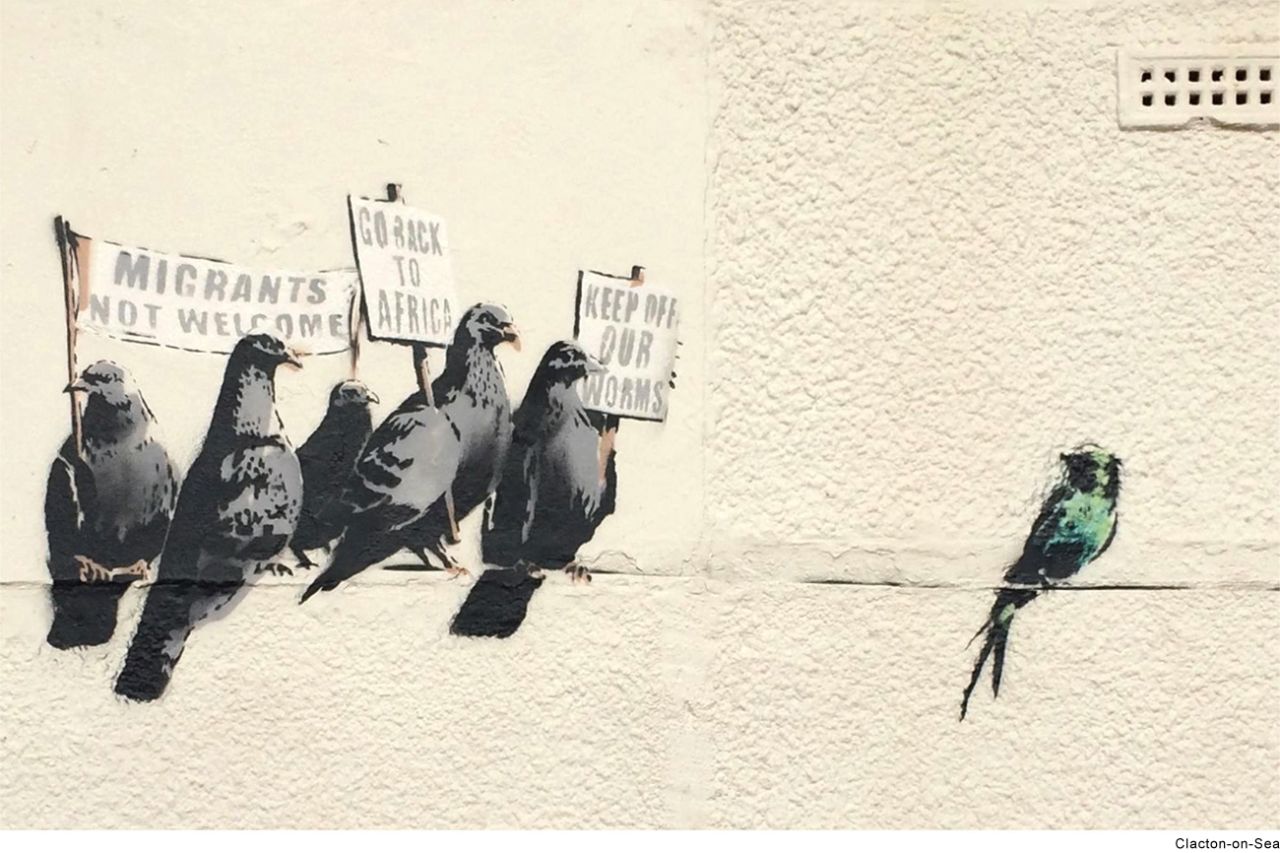
In October 2013, the elusive street artist Banksy embarked on a month-long residency in New York City titled "Better Out Than In." Every day for 31 days, a new piece of art appeared across the five boroughs, ranging from elaborate stencils to intricate installations. By 2026, the legacy of this residency remains a primary case study for real estate professionals and legal experts. When a building becomes a canvas for high-value street art, the owner ceases to be a simple landlord and becomes the de facto custodian of a global cultural monument.
The Immediate Financial Impact: Asset Appreciation vs. Appraisal Difficulty
The arrival of a Banksy piece creates an immediate, albeit volatile, surge in a property's perceived value. However, translating "art world hype" into a real estate appraisal is notoriously difficult. Traditional real estate valuation relies on comparable sales (comps) within a specific geographic radius. A Banksy mural does not fit into standard square-footage calculations.
For owners, the financial impact is felt in two distinct ways:
- Market Prestige: For commercial properties, particularly in neighborhoods like Chelsea, the Lower East Side, or Bushwick, a Banksy work serves as a permanent marketing beacon. It can increase foot traffic for ground-floor retail tenants and allow for premium branding of the building.
- Collateral Valuation: Some owners have attempted to use the appraised value of the artwork to refinance mortgages. However, most institutional lenders in 2026 remain hesitant to count street art as a fixed asset because of its vulnerability to theft, vandalism, or "cancellation" by the artist’s authentication body, Pest Control.
The "Banksy Effect" can also lead to increased property taxes. If the city’s Department of Finance determines that the artwork has significantly increased the market value of the building, the owner may face higher annual levies without having the liquid cash flow to cover them, unless the property is sold or the art is extracted.
Legal Framework: Ownership Rights and VARA Protections
The most significant hurdle for any owner is the Visual Artists Rights Act of 1990 (VARA). Under federal law, certain artists are granted "moral rights" to their work, even if they do not own the physical surface upon which the work sits.
Physical Ownership vs. Intellectual Property
While the property owner legally owns the bricks, mortar, and paint, they do not own the copyright to the image. This means the owner cannot legally produce t-shirts or postcards featuring the mural without infringing on the artist's rights. Furthermore, VARA protects "works of visual art of recognized stature" from intentional distortion, mutilation, or modification.
The 90-Day Rule
If an owner wishes to renovate or demolish a building containing a Banksy, they must navigate specific legal requirements. Generally, if the art can be removed without being destroyed, the owner must make a "good faith" attempt to notify the artist and allow them 90 days to remove the work or pay for its preservation. In the case of Banksy, who maintains anonymity, this process usually involves contacting Pest Control Office Limited.
Liability for Negligence
Failure to protect a work of "recognized stature" can lead to massive legal settlements. This was demonstrated in the landmark Castillo v. G&M Realty L.P. case (regarding the 5Pointz murals), where a developer was ordered to pay $6.75 million for whitewashing street art without following proper legal channels. Owners of 2013 residency sites must treat the art as a protected legal entity to avoid similar litigation.
Maintenance and Preservation Responsibilities
Owning a Banksy is an expensive endeavor. Unlike a standard mural, a Banksy attracts both admirers and "haters" who may attempt to deface the work to gain their own notoriety.
Security and Vandalism Prevention
Most owners of the 2013 NYC pieces quickly learned that "unprotected" street art lasts only hours. The standard response is the installation of high-grade, UV-resistant plexiglass shields. These shields require professional installation to ensure they do not trap moisture against the brick, which can lead to mold or the degradation of the original paint.
Environmental Degradation
NYC’s climate is harsh on street art. Fluctuating temperatures, salt air, and pollution cause paint to flake and fade. Owners who wish to maintain the value of the art must hire specialized conservators who understand the specific chemistry of aerosol paints and stencils. Using standard building cleaning products can accidentally dissolve the artwork, leading to a total loss of value and potential legal repercussions under VARA.
The Dilemma of Extraction and Sale
Many owners eventually face the question of whether to "extract" the art—physically removing the section of the wall to sell it at auction. By 2026, the technology for masonry extraction has improved, but the ethical and financial risks remain high.
The Authentication Gatekeeper: Pest Control
A Banksy work is worth millions only if it is authenticated by Pest Control. Historically, Pest Control has been reluctant to issue certificates of authenticity for works that were removed from their original urban context for the purpose of sale. Without this "COA" (Certificate of Authenticity), major auction houses like Sotheby’s or Christie’s will generally refuse to list the piece. Owners who cut out a wall without prior approval may find themselves owning a very heavy, very expensive, and ultimately unsellable piece of rubble.
Community Backlash
Street art is often viewed as a gift to the public. When a property owner removes a piece to monetize it, they often face intense local opposition. This can lead to "PR nightmares" that affect the building’s other tenants or the owner’s broader reputation in the real estate community.
Comparison of Strategic Options for Owners
| Feature | Preservation In-Situ | Physical Extraction | Whitewashing/Removal |
|---|---|---|---|
| Real Estate Value | High (Long-term prestige) | Neutral (Loss of landmark status) | Negative (Loss of potential asset) |
| Legal Risk | Low (Complies with VARA) | High (Potential VARA violations) | Very High (Direct VARA violation) |
| Upfront Cost | Moderate (Security/Plexiglass) | Extremely High (Structural engineering) | Low (Paint/Labor) |
| Authentication | Likely (If remains in context) | Difficult (Often denied by artist) | N/A |
| Maintenance | Ongoing (Cleaning/Security) | None (Post-sale) | None |
Insurance and Liability Considerations
Standard property insurance policies do not cover "street art" under their basic terms. A Banksy is typically classified as "Fine Art," requiring a separate inland marine policy or a specialized fine arts rider.
Attractive Nuisance
From a liability perspective, a Banksy can be considered an "attractive nuisance." It draws crowds, sometimes in narrow alleyways or onto private property not designed for high foot traffic. Owners must ensure their general liability coverage accounts for the increased risk of "slip and fall" accidents or crowd-related property damage.
Appraisal for Insurance
Insurance companies require periodic appraisals to set premiums. Given the volatility of the art market in 2026, an owner might find their premiums skyrocketing following a high-profile auction of a similar piece. Conversely, if the artist disavows the work or if a new piece appears nearby that "devalues" the original, the insurance coverage must be adjusted to avoid overpaying for a devalued asset.
FAQs
Can an owner legally paint over a Banksy on their building?
While an owner physically owns the wall, painting over a Banksy can trigger a lawsuit under the Visual Artists Rights Act (VARA). If the work is considered of "recognized stature," the artist (or their representatives) can sue for damages. Owners are generally advised to provide 90 days' notice before any action that would destroy the work.
Does a Banksy mural increase property taxes in NYC?
Yes, potentially. If the artwork is deemed a permanent fixture that increases the overall market value or "desirability" of the property, the NYC Department of Finance may increase the assessed value. However, owners can often challenge these assessments by arguing that the art is a liability or a temporary installation.
How do I get a Banksy authenticated for sale?
Authentication is handled exclusively through Pest Control. They are the only body that can confirm a work is an original Banksy. Owners must submit high-resolution photos and provenance details. Note that Pest Control often refuses to authenticate works that have been removed from their original street location for profit.
What happens if the mural is vandalized?
If a Banksy is vandalized, the owner should not attempt to "fix" it themselves. Professional art restorers must be consulted to determine if the damage can be reversed without compromising the original work. In some cases, Banksy considers vandalism or "tagging" over his work to be part of the piece’s lifecycle, but for an owner, it usually represents a loss in asset value.
Can I charge people to view the Banksy on my wall?
While you can control access to your private property, charging admission to view a mural on an exterior wall is a complex legal area. It may violate local zoning laws or trigger pushback from the artist's team, who generally intend for street art to be free and accessible to the public.
Recommended Next Actions
For property owners currently managing a site from the 2013 residency or any subsequent Banksy appearance, the following steps are essential:
- Legal Audit: Consult with an attorney specializing in art law to review the specific VARA implications for your property, especially before planned renovations.
- Specialized Insurance: Contact a fine arts insurance broker to move the artwork off your standard property policy and into a specialized rider that covers vandalism and professional restoration.
- Conservation Assessment: Hire a professional conservator to inspect the current state of the mural and the integrity of any protective shielding.
- Pest Control Liaison: Maintain an open (though usually one-way) line of communication with Pest Control to stay updated on their current stance regarding your specific piece's authentication status.
Image Gallery