Emergency Food Stamps: How to Access SNAP Benefits and Expedited Assistance
When facing an urgent crisis, the Supplemental Nutrition Assistance Program (SNAP)—commonly referred to as food stamps—offers an expedited service known as Expedited SNAP. This process is designed to provide benefits to households in i...
When facing an urgent crisis, the Supplemental Nutrition Assistance Program (SNAP)—commonly referred to as food stamps—offers an expedited service known as Expedited SNAP. This process is designed to provide benefits to households in immediate financial distress, usually within seven calendar days. To initiate a request, you must apply through your state’s local SNAP office or their official online portal; there is no single national "emergency" phone number, as administration is handled at the state and county levels.
Contents
Understanding Expedited SNAP Benefits
It is a common misconception that there is a single, national hotline for emergency food stamps. SNAP is a federal program overseen by the United States Department of Agriculture (USDA) Food and Nutrition Service, but it is administered by individual states. Because each state manages its own application process, there is no universal "emergency number" that functions across the entire country.
Expedited service is not a separate program from SNAP; rather, it is a streamlined processing timeline for the standard application. If you meet specific criteria, the state agency is legally required to process your application and issue benefits within seven days rather than the standard thirty-day window. This is intended to serve households that have little to no income and minimal liquid assets.
Eligibility Criteria for Expedited Processing
Not every applicant qualifies for expedited service. To be eligible for this faster timeline in 2026, your household must meet one of the following financial thresholds defined by federal guidelines:
- Extremely Low Income: Your household’s monthly gross income is less than $150, and your liquid resources (such as cash on hand, checking, or savings accounts) do not exceed $100.
- Destitution: Your household’s combined monthly gross income and liquid resources are less than your monthly rent or mortgage and utility costs.
- Migrant/Seasonal Farmworker Households: You are a migrant or seasonal farmworker whose liquid resources do not exceed $100, and your source of income has been terminated.
When you apply, the caseworker will review your documentation to determine if you meet these specific financial constraints. Even if you do not qualify for expedited processing, you may still be eligible for regular SNAP benefits if you meet standard income and asset requirements.
How to Apply for SNAP Benefits
Because SNAP is decentralized, the point of contact depends entirely on your current state of residence. Follow these steps to begin the process:
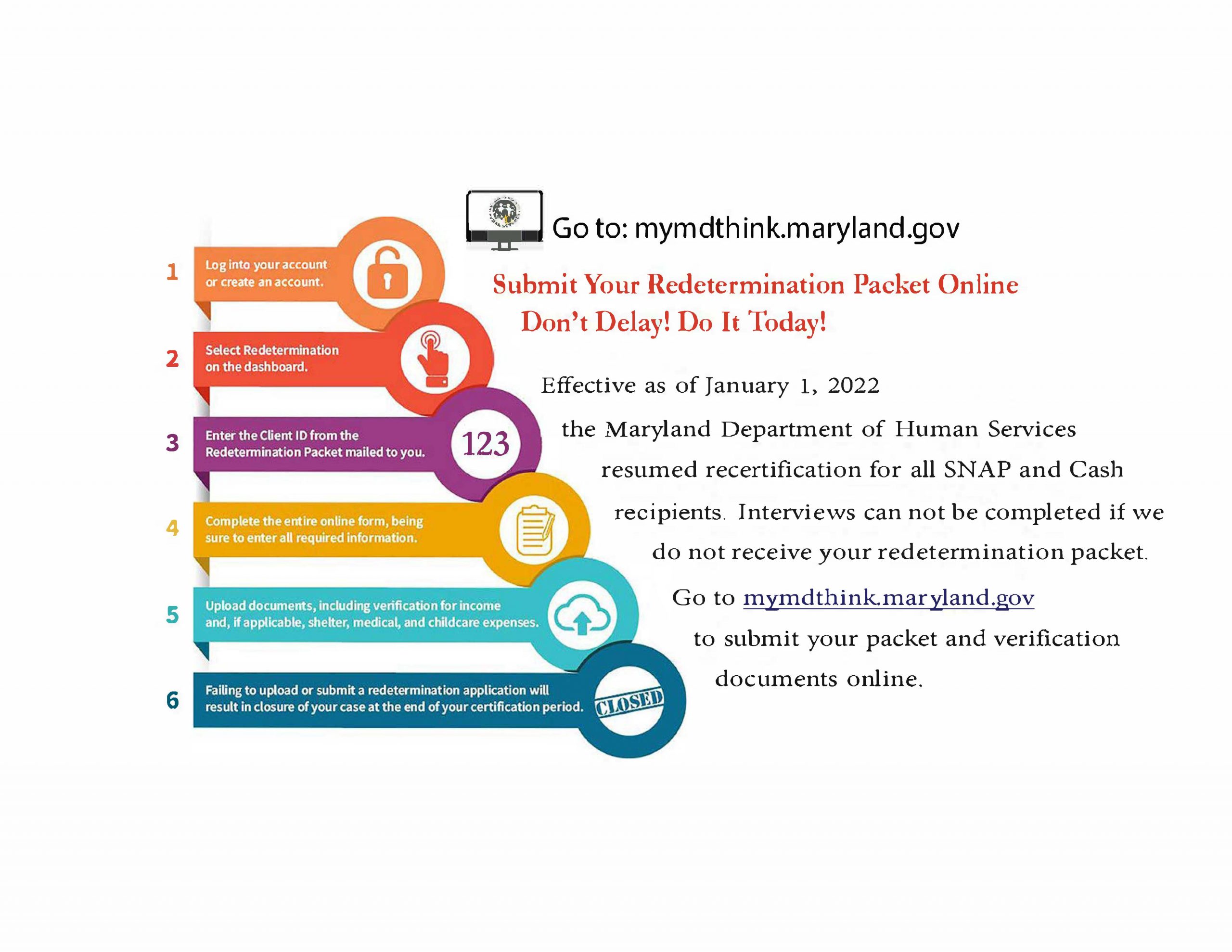
- Locate Your State Agency: Visit the USDA Food and Nutrition Service website to find the official SNAP office directory. This provides links to state-specific websites where you can apply online.
- Submit an Application: Most states offer an online portal, which is typically the fastest method. You can also submit a paper application via mail, fax, or in-person delivery at a local Department of Social Services office.
- Complete the Interview: After submitting your application, you must complete an interview with a caseworker. This can often be conducted over the phone. During this interview, specifically mention that you are in a crisis and believe you qualify for "expedited processing."
- Provide Necessary Verification: To move quickly, have your identity documents, proof of residency, and current income/resource statements ready. While states can waive some documentation for expedited cases, your identity must be verified before benefits are issued.
Comparing Methods of Application
| Application Method | Speed of Receipt | Primary Benefit |
|---|---|---|
| Online Portal | Fastest | Immediate timestamp and electronic tracking. |
| In-Person Visit | Moderate | Direct interaction and immediate document review. |
| Mail-in Paper Form | Slowest | Recommended only if digital options are unavailable. |
Essential Documents for Verification
While the expedited process aims to reduce the burden of proof, you must still be able to prove who you are. The law requires the agency to verify your identity before they can issue your Electronic Benefit Transfer (EBT) card.
- Proof of Identity: A driver’s license, state ID, passport, or a work/school ID.
- Proof of Residence: A utility bill, lease agreement, or a letter from a landlord or shelter.
- Income Documentation: Recent pay stubs or a letter from your employer.
- Resource Statement: Bank statements that confirm your current liquid assets.
If you are unable to provide all of these documents immediately, do not delay the application. Contact the caseworker to ask which items are strictly required for the initial 7-day expedited decision versus what can be provided later during the standard eligibility review.
What to Do If You Are Denied Expedited Service
If you apply for expedited service and are denied, the agency must send you a written notice explaining why. You still have rights in this scenario:
- Request a Fair Hearing: If you believe the agency made a mistake in calculating your income or assets, you have the right to request a fair hearing to appeal the decision.
- Standard Processing: Even if denied expedited status, your application will continue to be processed under the standard timeline. Ensure you provide any missing information requested by the caseworker to avoid further delays in your standard eligibility determination.
- Contact Legal Aid: If your case involves complex circumstances or you believe you were treated unfairly, local legal aid organizations often provide assistance with public benefits appeals.
Frequently Asked Questions
1. Is there an emergency food stamps phone number I can call nationwide? No. There is no national phone number for emergency food stamps. You must contact your state’s local SNAP agency or use their official website to apply.
2. How long does it take to get my EBT card? Once you are approved for expedited benefits, your state agency generally has seven days to make the benefits available to you. You will receive an EBT card, which functions like a debit card, to access these funds at authorized retailers.
3. Do I need to be unemployed to get emergency food stamps? No. You do not need to be unemployed to receive SNAP or expedited processing. Eligibility is determined by your current household income, liquid assets, and household size, regardless of your employment status.
4. What if I am homeless? Homeless individuals are eligible for SNAP if they meet the income and resource requirements. You do not need a fixed address to apply. State agencies have specific procedures to ensure that homeless applicants can receive their benefits and EBT cards.
5. Can I receive SNAP benefits if I am receiving other government assistance? Yes. Receiving other forms of public assistance, such as Temporary Assistance for Needy Families (TANF) or unemployment benefits, does not disqualify you from applying for SNAP. However, the income from those programs will be counted when determining your benefit amount.
Next Steps and Recommendations
If you are in immediate need of food, do not rely solely on the SNAP application process. While SNAP is a vital safety net, it is a government program that requires administrative processing time. Seek immediate assistance by contacting 211 in the United States and Canada. This service connects individuals with local community resources, including food pantries, soup kitchens, and emergency food programs that can provide relief while your SNAP application is being processed.
Once you have secured immediate food assistance, prioritize completing your state's online SNAP application. Keep a record of your application submission date and the contact information of the caseworker assigned to your file to monitor the status of your expedited request.
Image Gallery