Advanced Liquid Level Measuring Systems and Instrumentation Standards for 2026
Modern industrial process control relies heavily on the precision of liquid level measuring technologies. As we move through 2026, the convergence of Industry 5.0, edge computing, and high-fidelity sensor arrays has transformed how we...
Modern industrial process control relies heavily on the precision of liquid level measuring technologies. As we move through 2026, the convergence of Industry 5.0, edge computing, and high-fidelity sensor arrays has transformed how we manage inventory, storage safety, and fluid dynamics in complex pipelines. This guide focuses on the technical selection, deployment, and calibration of liquid level measurement instrumentation across petrochemical, water treatment, and food processing sectors.
Contents
Core Technologies in 2026 Fluid Level Sensing
The choice of sensing technology is dictated by the chemical properties of the medium, the pressure profile of the vessel, and the required precision level. In 2026, the market has shifted away from purely mechanical floats toward non-contact, high-frequency signal processing to minimize maintenance and mechanical failure risks.
- Radar (Guided Wave and Free Space): Utilizing FMCW (Frequency Modulated Continuous Wave) technology, radar remains the industry standard for accuracy. In 2026, 80GHz radar sensors have become the default for high-precision applications due to their small beam angles, allowing them to ignore internal obstructions like ladders or agitators.
- Ultrasonic Level Measurement: Primarily deployed in non-pressurized tanks, these sensors have been optimized for extreme temperature variances common in seasonal outdoor storage.
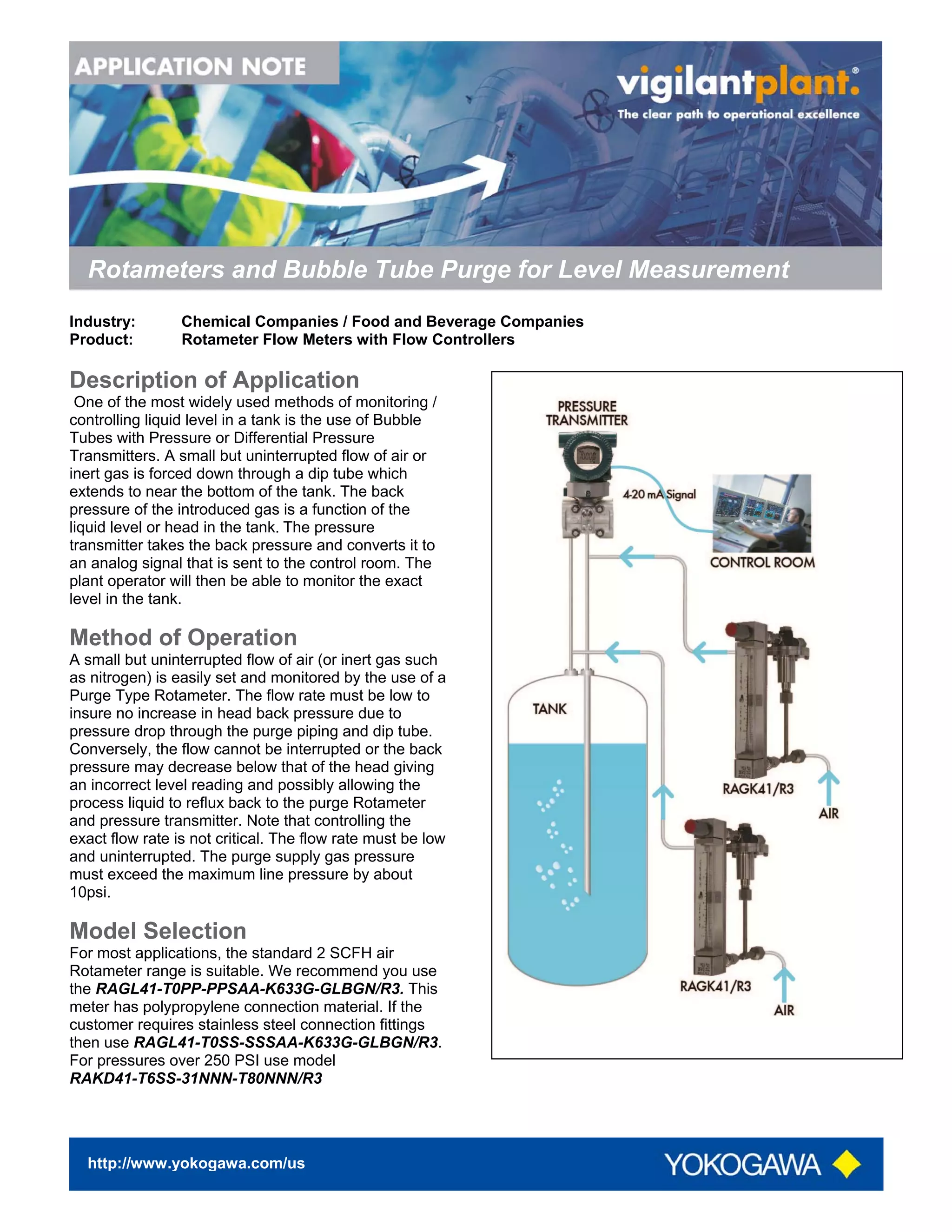
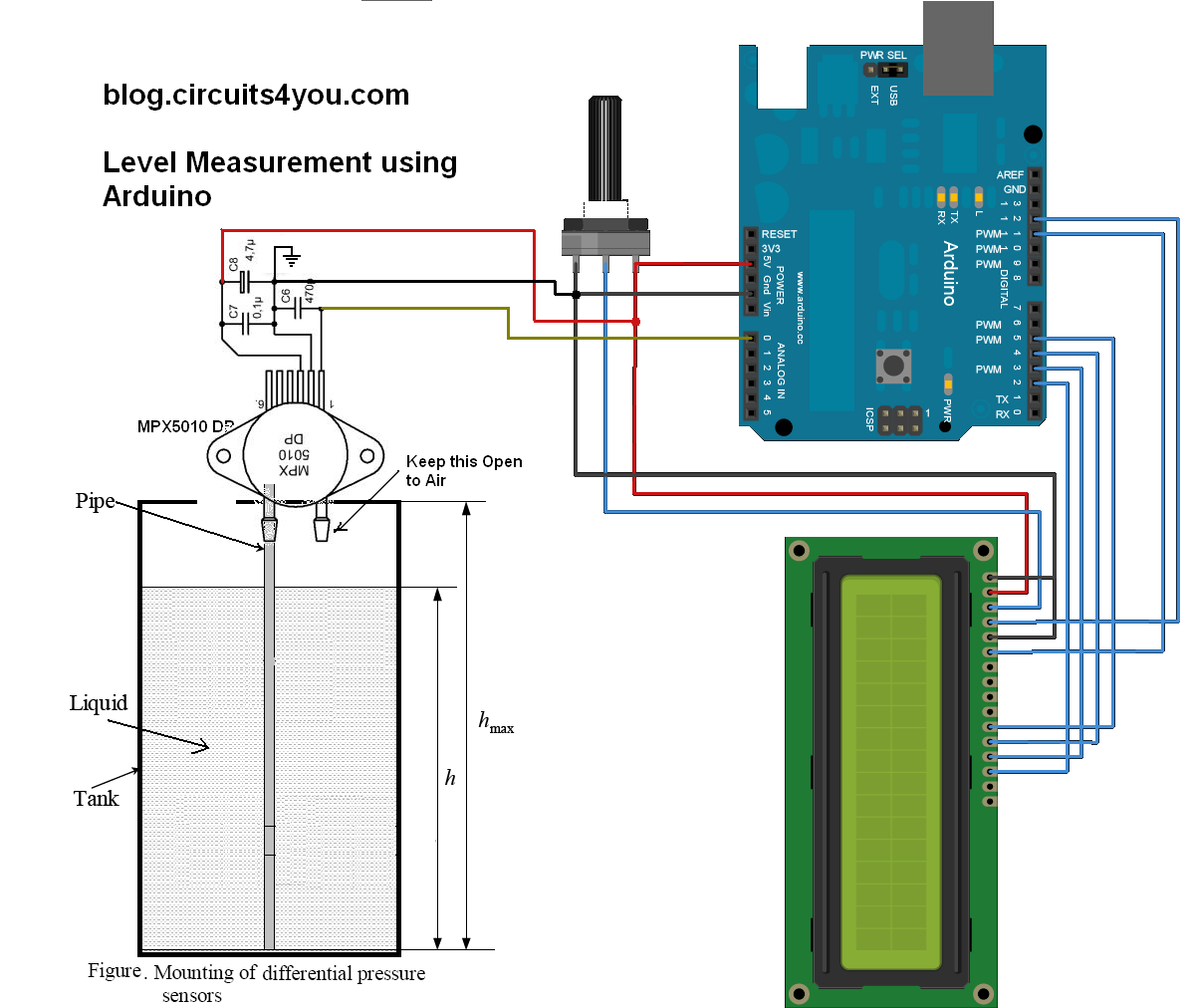
- Hydrostatic Pressure Sensors: These remain the most reliable method for deep, high-pressure submersed applications. Modern ceramic diaphragms in 2026 models offer superior corrosion resistance compared to historical stainless-steel models.
- Capacitance Probes: Specialized for non-conductive, low-dielectric fluids like hydrocarbons, these instruments have integrated self-diagnostic software to detect coating buildup on the probe surface.
Technical Comparison of Modern Level Sensing Modalities
Selecting the correct sensor requires balancing environmental constraints with signal reliability. The following table provides a breakdown of current performance benchmarks for primary technologies as of 2026.
| Technology | Ideal Application | Media Compatibility | Accuracy (Typical) | Maintenance Level |
|---|---|---|---|---|
| 80GHz Radar | Precision Tank Inventory | Liquids, Slurries | +/- 1mm | Very Low |
| Guided Wave Radar | High Turbulence/Foam | Corrosive Liquids | +/- 2mm | Low |
| Hydrostatic | Deep Wells/Storage | Non-Corrosive/Stable | +/- 0.1% of Span | Moderate |
| Ultrasonic | Wastewater/Sumps | Water-based liquids | +/- 5mm | Low |
| Vibrating Fork | High/Low Point Alarms | Low Viscosity Liquids | N/A (Switch) | Extremely Low |
Operational Guidelines for 2026 Installation and Calibration
Achieving optimal performance in 2026 requires strict adherence to installation protocols to mitigate signal attenuation and sensor drift. Instrumentation engineers must prioritize site-specific environmental conditions.
Site Preparation Requirements
Engineers must ensure that mounting nozzles are free of weld protrusions that could cause false echoes in radar applications. In 2026, digital twin modeling of the storage vessel is recommended prior to physical sensor installation to identify potential signal interference zones. Calibration must be verified using secondary verification methods, such as manual ullage tapes, to ensure the instrumentation logic aligns with actual volume calculations under thermal expansion conditions.
Mitigating Signal Interference
Common issues in 2026 installations often relate to electronic noise interference from Variable Frequency Drives (VFDs). Shielding protocols now mandate the use of double-shielded twisted pair cables for all analog 4-20mA HART signals. Furthermore, grounding practices have become more stringent; equipment chassis must be bonded to the central grounding grid to prevent ground loops that compromise the integrity of the measurement data.
Advanced Data Integration and IoT Connectivity
The most significant change in liquid level measurement in 2026 is the integration of LoRaWAN and 5G cellular gateways directly into the transmitter housing. This allows for real-time monitoring of geographically dispersed assets without the need for complex wired infrastructure.
- Edge Intelligence: Modern transmitters now perform "edge" processing, filtering out turbulence spikes and foam noise before the data packet is transmitted to the central control room (DCS or SCADA).
- Predictive Maintenance Alerts: Instead of simple level reporting, 2026 sensors provide "Health Indices." These indices monitor the dielectric constant of the liquid to detect contamination or unintended fluid stratification.
- API Interoperability: Modern sensors use standardized FieldComm Group protocols, ensuring seamless integration with existing asset management platforms and cloud-based inventory analytics.
Troubleshooting Common Measurement Drift
When instrumentation fails to report accurate data, the source is frequently environmental rather than electronic. The following troubleshooting hierarchy should be applied before hardware replacement:
- Validate the Dielectric Constant: If the process fluid has changed due to a new batch or chemical additive, the dielectric constant may have shifted, throwing off radar calculations.
- Inspect for Coating and Build-up: Even non-contact sensors can be affected by vapors or condensation that create a film on the sensor face, causing signal attenuation.
- Verify Power Loop Integrity: Use a digital multimeter to ensure the loop voltage is within the 12-36V DC range. Voltage drops under load are a frequent cause of intermittent reporting in long-distance cabling.
- Check for Mounting Shift: Large tanks can shift or settle over time. Verify that the mounting flange remains perfectly level, as even a 2-degree tilt can introduce significant measurement bias in radar systems.
Frequently Asked Questions (FAQ)
What is the most accurate liquid level measurement technology in 2026?
80GHz Radar is currently considered the most accurate and versatile technology, capable of achieving millimeter-level precision regardless of internal vessel turbulence or vapors. Its narrow beam angle allows it to function effectively in crowded tanks where other technologies might fail.
How often should liquid level sensors be calibrated?
While modern sensors feature robust auto-calibration, a physical site verification or "proof test" is recommended every 12 to 18 months, or immediately following any significant maintenance work on the vessel. Facilities operating under ISO 9001:2026 quality standards may require more frequent validation depending on the criticality of the measurement.
Can ultrasonic sensors be used for chemical storage tanks?
Generally, ultrasonic sensors are not recommended for aggressive chemical storage because the vapor space can be highly corrosive or saturated with gases that change the speed of sound, leading to major errors. For these applications, 80GHz radar or guided-wave radar is the preferred alternative.
How do I address signal interference in industrial environments?
Eliminating signal interference involves verifying proper shielding of communication lines and ensuring that the sensor housing is properly grounded. In 2026, the use of ferrite beads on signal cabling is increasingly common to suppress high-frequency noise from external electronic interference.
Does my system need a Primary Element (PCP) for regulatory compliance?
While "PCP" usually refers to medical providers, in process engineering, "primary element" refers to the sensor itself. Compliance in 2026 requires that your primary element is NIST-traceable and certified for the specific hazardous area classification (e.g., ATEX or IECEx) of your site.
Strategic Implementation for 2026 Operational Excellence
The transition to high-fidelity, intelligent liquid level measurement is no longer an optional upgrade; it is a fundamental requirement for operational safety and supply chain efficiency. By utilizing the diagnostic capabilities of modern 2026-era instrumentation, facility managers can reduce inventory shrinkage, eliminate manual dipping hazards, and ensure seamless data integration across their digital ecosystems. Prioritize technologies that offer integrated self-diagnostics and field-hardened housings to ensure longevity in the most demanding process environments.
Image Gallery