How Public Storage and U-Haul Compare for Moving and Storage in 2026
Choosing between Public Storage and U-Haul involves weighing specialized storage expertise against all-in-one moving convenience. Public Storage excels in providing a vast network of dedicated, high-tech facilities with robust climate-...
Choosing between Public Storage and U-Haul involves weighing specialized storage expertise against all-in-one moving convenience. Public Storage excels in providing a vast network of dedicated, high-tech facilities with robust climate-control options. Conversely, U-Haul offers a seamless logistics ecosystem, integrating truck rentals and portable U-Box containers with traditional self-storage to simplify the entire relocation process.
Contents
Understanding the Core Business Models: Real Estate vs. Logistics
To accurately compare these two giants, one must first understand their fundamental business philosophies as of 2026. Public Storage operates primarily as a Real Estate Investment Trust (REIT). Their focus is on the acquisition, development, and management of physical storage space. This specialization allows them to dominate the market in terms of facility density, particularly in high-traffic urban areas where multi-story, purpose-built storage buildings are necessary.
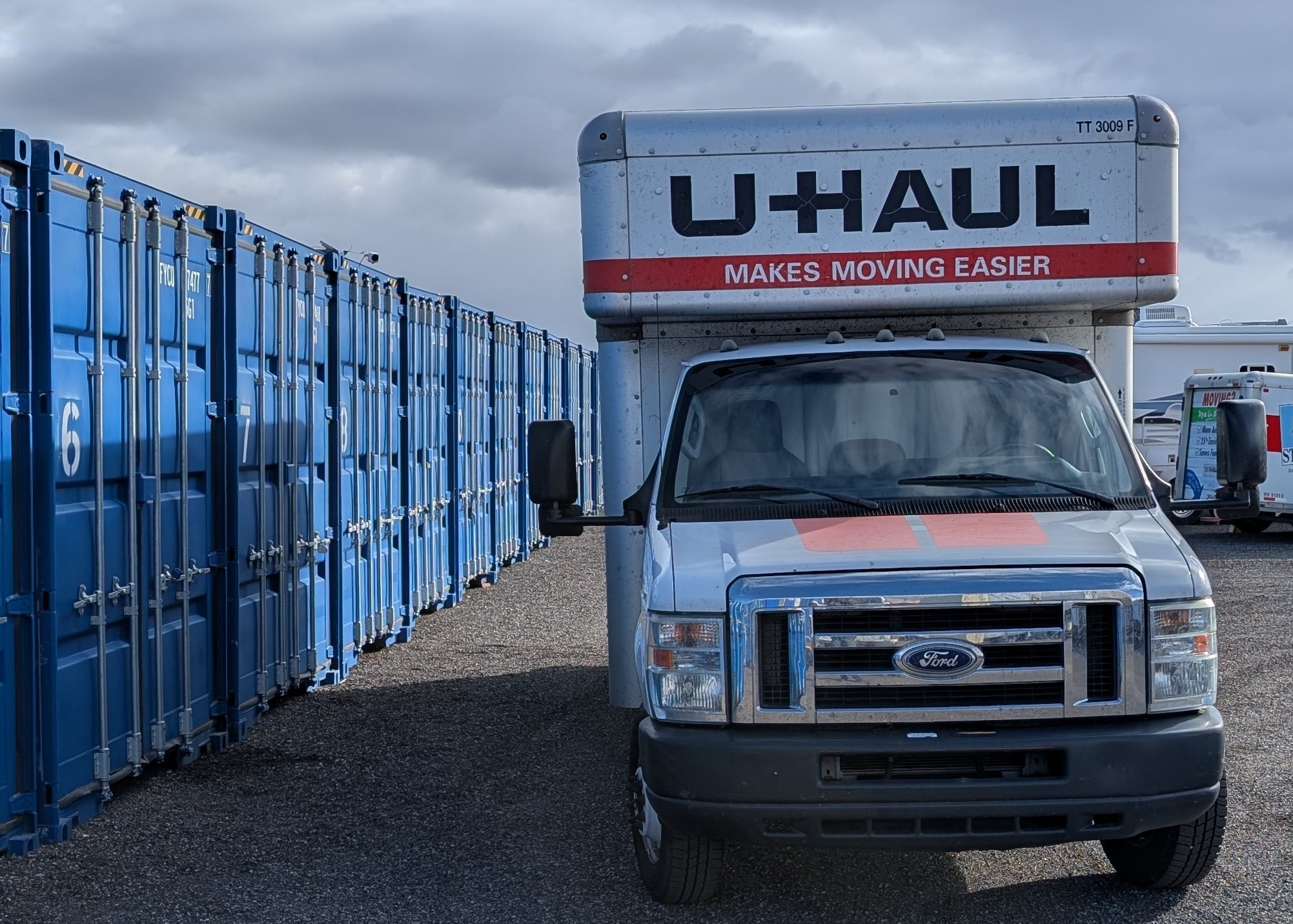
U-Haul, on the other hand, is a logistics and moving services company that happens to be one of the largest storage providers in North America. Their model is built around the "DIY mover." While they own and operate thousands of storage facilities, their value proposition is centered on the integration of services. For a customer, the ability to pick up a truck, purchase boxes, and move into a storage unit at a single location remains a powerful incentive that Public Storage—which generally does not own a truck fleet—cannot match directly.
Storage Unit Features and Specialized Options
When evaluating the physical units, the differences often lie in the age and "tier" of the facilities. Public Storage has spent the early 2020s aggressively modernizing its portfolio. In 2026, most Public Storage locations offer advanced features like LED motion-sensor lighting, contactless e-rental systems, and sophisticated climate control that manages both temperature and humidity. Their units range from small 5'x5' lockers to massive 10'x30' spaces suitable for a five-bedroom house.
U-Haul facilities are more diverse. Because U-Haul often repurposes existing buildings (such as former "big box" retail stores), their layouts can be unique. U-Haul is particularly competitive in offering 24-hour access at many locations, a feature that Public Storage often restricts to standard gate hours (typically 6:00 AM to 9:00 PM). Additionally, U-Haul provides specialized storage for unique items, such as propane tank exchanges and dedicated hitch installations, which are entirely absent from the Public Storage catalog.
Climate Control Nuances
It is a common mistake to assume all "climate-controlled" units are equal. Public Storage typically utilizes centralized HVAC systems designed to keep items within a specific temperature range (usually 55°F to 80°F). U-Haul's climate-controlled units serve a similar purpose but are often marketed alongside their "heated" units in northern climates, which only prevent freezing rather than maintaining a cool environment in the summer. For customers storing sensitive electronics, wooden musical instruments, or fine art, Public Storage's standardized climate specifications often provide more peace of mind.
Pricing Structures and the Introductory Rate Strategy
Pricing is the most volatile aspect of the storage industry. Public Storage is famous—and sometimes criticized—for its aggressive introductory pricing. The "First Month for $1" or "30% off for the first six months" promotions are standard staples of their marketing. While these offers provide an incredibly low barrier to entry, customers should be aware that Public Storage utilizes dynamic pricing algorithms. In 2026, it is standard practice for rates to increase after the initial promotional period ends, sometimes significantly, as market demand shifts.
U-Haul tends to offer more price stability, though their base rates may appear higher than Public Storage's promotional headlines. U-Haul often links storage discounts to their moving services. For instance, customers who rent a one-way truck or trailer frequently receive one month of free self-storage at their destination. This "bundle" approach can lead to higher total savings for those who are actively moving, whereas Public Storage is often more cost-effective for long-term "static" storage if the user is willing to navigate periodic rate adjustments.
Accessibility and Technological Integration in 2026
The "user experience" has shifted heavily toward mobile platforms. Public Storage has invested heavily in its proprietary app, which allows users to open gates and doors via Bluetooth, manage payments, and even navigate through large facilities using digital maps. This "contactless" approach is designed for speed and independence, appealing to tech-savvy users who prefer not to interact with facility managers.
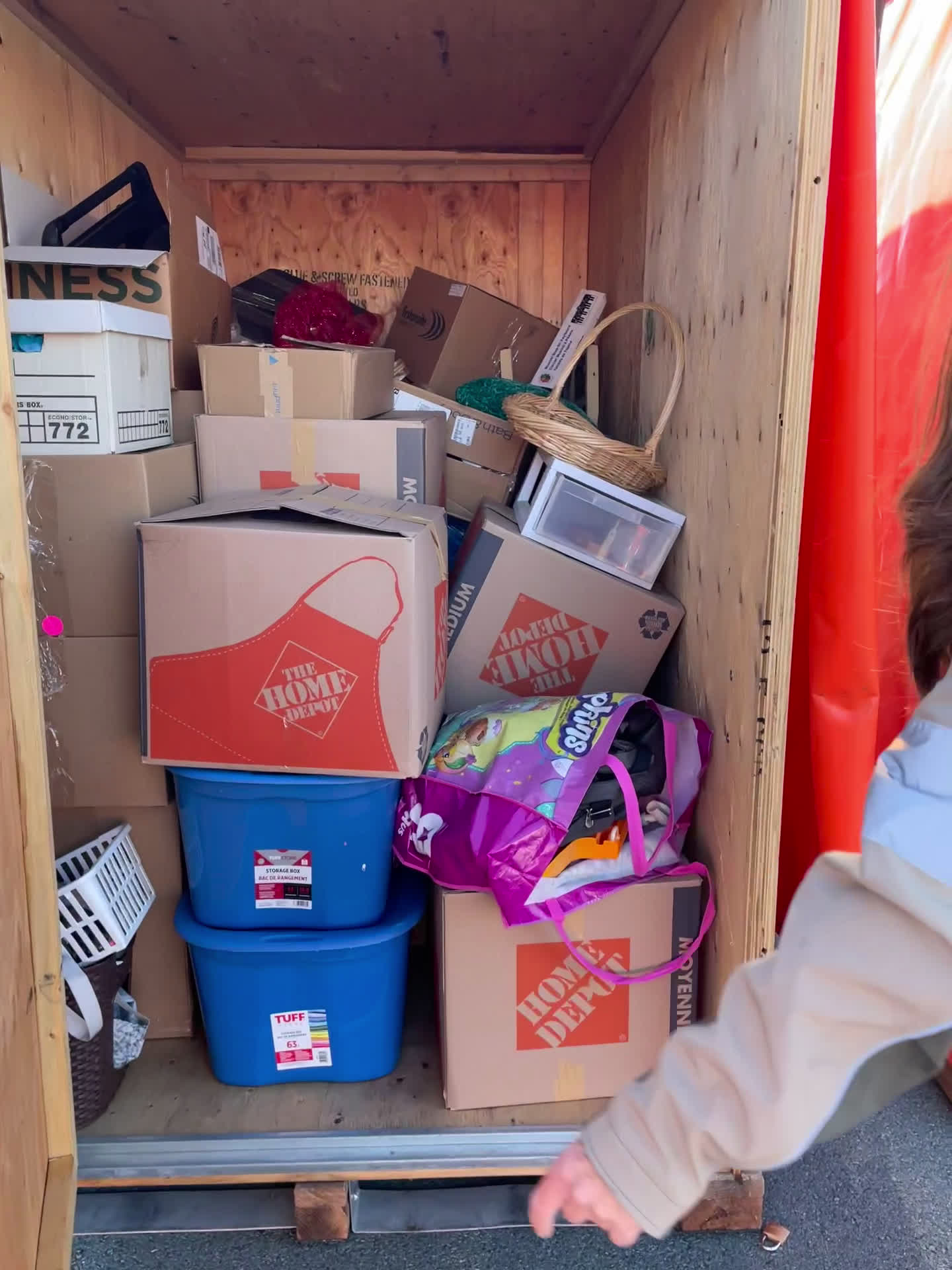
U-Haul’s digital presence is equally robust but more focused on the entire moving lifecycle. The U-Haul app manages truck check-ins, trailer returns, and storage access. A key differentiator for U-Haul is their U-Box portable storage containers. These can be delivered to a home, packed at the customer’s leisure, and then shipped across the country or stored at a U-Haul facility. Public Storage does not offer a comparable portable container product, making U-Haul the clear winner for "hybrid" moving scenarios where the customer needs storage that travels.
The Moving Factor: Trucks, Trailers, and Supplies
If your primary need is "moving and storage" combined, U-Haul has a structural advantage. Most U-Haul storage locations are also truck rental hubs. This means you have immediate access to:
- Pickup trucks and cargo vans for small moves.
- 10' to 26' box trucks with low-deck designs for easier loading.
- Specialized trailers for towing vehicles or extra gear.
Public Storage occasionally partners with local truck rental companies or offers a "free move-in truck" at select locations, but these are often third-party arrangements with more restrictions. Furthermore, U-Haul's retail section for moving supplies is generally more comprehensive, offering specialized kits for flat-screen TVs, dishware, and even "Buy Back" programs for unused boxes.
Security Protocols and Protection Plans
Both companies prioritize security, but their methods differ slightly. Public Storage typically employs a "perimeter-first" strategy, with high-fenced enclosures, electronic gate access required for both entry and exit, and extensive CCTV coverage. Many of their newer premium facilities also include individual unit alarms.
U-Haul facilities utilize similar measures but also offer the Safestor protection program. While most storage facilities require some form of insurance, U-Haul’s Safestor is integrated directly into the rental agreement, covering fire, flood, and theft. Public Storage offers the Orange Door Storage Insurance program. In 2026, both programs are competitively priced (usually $15–$30 per month depending on coverage limits), but users should check their homeowners' or renters' insurance policies first, as these often provide "off-premises" coverage that may satisfy the storage company's requirements.
Comparison Summary Table
| Feature | Public Storage | U-Haul Moving & Storage |
|---|---|---|
| Primary Strength | Specialized, high-density storage | Integrated moving/truck rental |
| Facility Network | Largest specialized footprint in US | Extensive moving hubs + storage |
| Introductory Offers | Aggressive (e.g., $1 first month) | One month free with truck rental |
| Technology | Bluetooth gate/door access via app | Integrated moving/storage app |
| Portable Storage | Not available | U-Box Containers (delivery/shipping) |
| Truck Rental | Rare (third-party only) | Comprehensive fleet on-site |
| Access Hours | Usually 6 AM - 9 PM | Often 24-hour access available |
| Unit Varieties | High focus on climate control | Mix of traditional and repurposed |
Frequently Asked Questions
Which is cheaper for long-term storage?
Public Storage often has lower entry costs due to promotional "teaser" rates, but U-Haul typically offers better long-term price stability. If you plan to store items for more than a year, U-Haul may be more predictable, whereas Public Storage is excellent for short-term needs where you can take advantage of $1 move-in specials.
Do I need to bring my own lock?
Both companies require high-quality locks. Public Storage strongly encourages (and sometimes requires) the use of cylinder locks, which are more resistant to bolt cutters than traditional padlocks. U-Haul sells a variety of disc locks and padlocks on-site if you do not bring your own.
Can I store a car at these facilities?
Yes, both offer vehicle storage, but Public Storage generally has more dedicated "drive-up" units specifically designed for automobiles. U-Haul often provides outdoor paved parking for RVs and boats, which is less common at Public Storage's urban multi-story locations.
Is climate control really necessary?
In 2026, climate control is recommended for any items stored for more than three months, especially in humid or extreme-temperature regions. It prevents mold, mildew, and the warping of wood or plastic. Public Storage is generally considered the leader in standardized, facility-wide climate control systems.
Does U-Haul or Public Storage provide movers?
Neither company provides labor directly. However, U-Haul hosts a "Moving Help" marketplace where you can hire local independent contractors to help load your truck or unit. Public Storage does not have a formal labor marketplace but often has local moving company brochures available in the office.
Recommendation for 2026
The decision ultimately rests on the complexity of your move. If you are performing a local, multi-stage move where you need a truck, boxes, and a place to drop items off in one afternoon, U-Haul is the most efficient choice. The integration of their truck fleet with their storage units removes the logistical headache of coordinating two different companies.
However, if you are looking for high-end, long-term preservation of your belongings—particularly in a city center—Public Storage is the superior option. Their facilities are built with a "storage-first" mentality, offering cleaner, more technologically advanced environments that prioritize the security and condition of the items themselves over the convenience of the move-in day.
For the best results, visit the specific local facilities you are considering. In 2026, the quality of a storage site is often determined by its local management and the age of the building rather than the corporate logo on the sign.
Image Gallery