Understanding the AMD Ryzen Processor Naming Convention and Performance Tiers
The "R" in an AMD processor refers to Ryzen, the brand name for AMD’s primary lineup of high-performance central processing units (CPUs). When users ask what the "AMD R" processor means, they are typically referring to the performance...
The "R" in an AMD processor refers to Ryzen, the brand name for AMD’s primary lineup of high-performance central processing units (CPUs). When users ask what the "AMD R" processor means, they are typically referring to the performance tiers—Ryzen 3, Ryzen 5, Ryzen 7, and Ryzen 9—which categorize the chips by core count, speed, and intended use, ranging from entry-level computing to enthusiast-grade workstations.
Contents
The Origins and Significance of the Ryzen Brand
Since its debut in 2017, the Ryzen brand has been the cornerstone of AMD’s resurgence in the semiconductor industry. Before Ryzen, AMD struggled to compete with Intel’s dominant Core i-series. The introduction of the Zen architecture changed the landscape of computing by offering high core counts and competitive multi-threaded performance at aggressive price points.
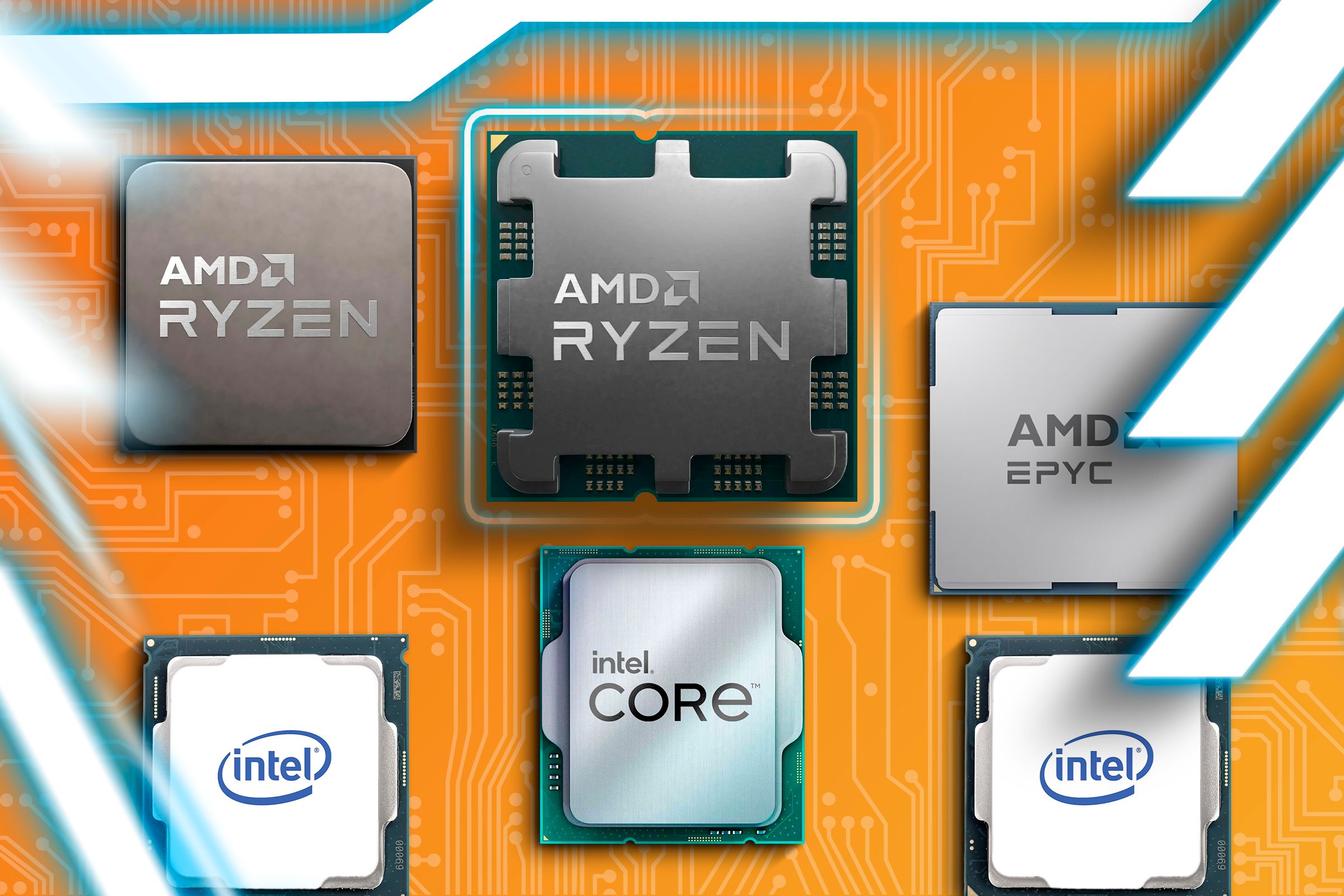
In 2026, the Ryzen brand represents a mature ecosystem spanning multiple generations of improvements. The "R" branding is a shorthand often used by retailers and consumers to identify the "Ryzen" family, distinct from AMD’s other product lines like EPYC (for servers), Threadripper (for high-end desktops), and Athlon (for ultra-budget machines). Understanding what these processors mean requires looking past the single letter and into the specific numbering system that defines their power and efficiency.
Decoding the Performance Tiers: Ryzen 3, 5, 7, and 9
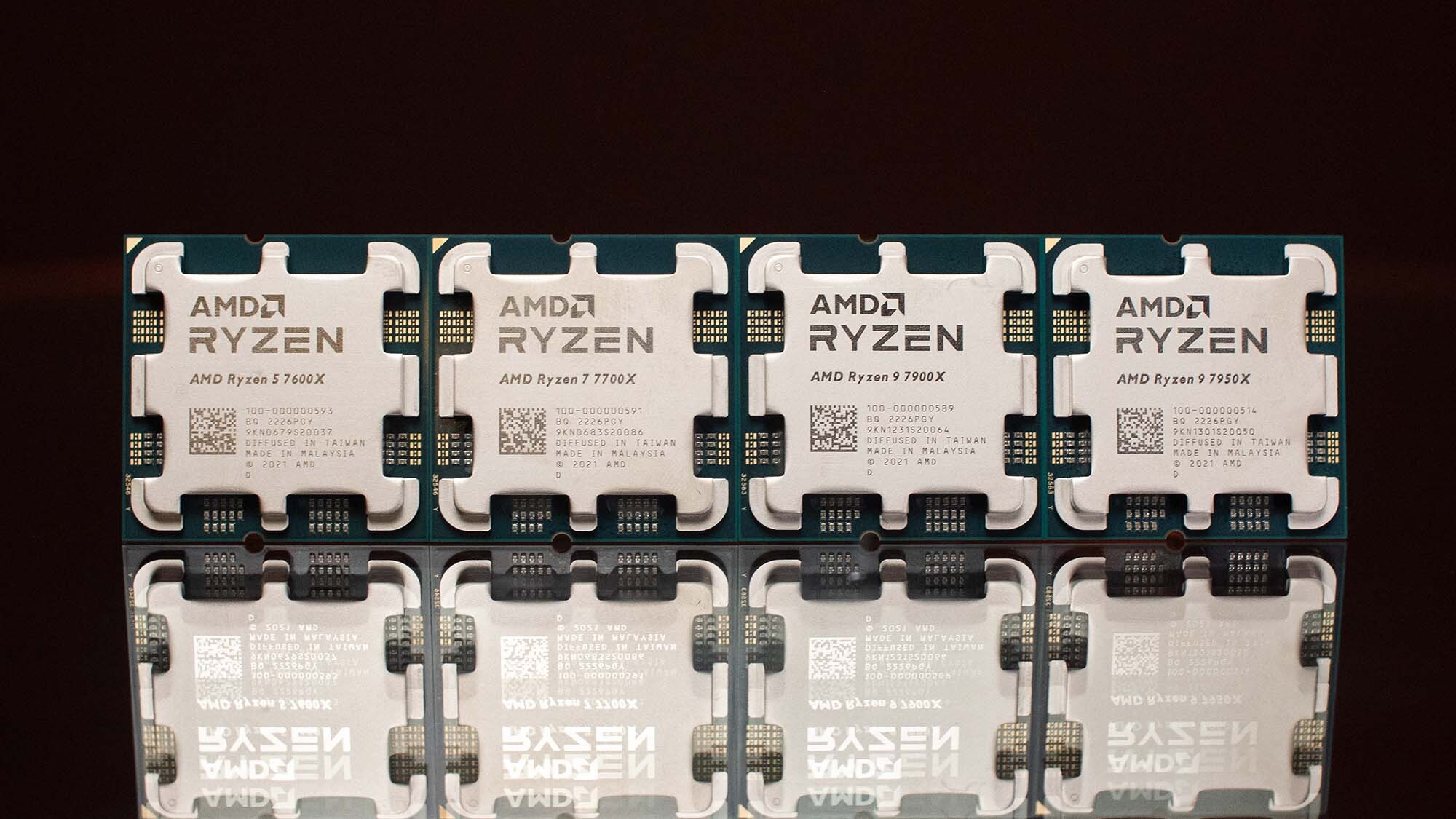
The most common way people encounter the "R" branding is through the four main performance tiers. Much like the automotive industry uses series numbers to denote luxury and engine power, AMD uses these numbers to signal the processor’s "muscle."
Ryzen 3: The Entry-Level Standard
Ryzen 3 processors are designed for everyday productivity. These chips typically feature 4 cores and are ideal for office work, web browsing, and light students' tasks. In the 2026 market, Ryzen 3 chips remain popular for budget-friendly laptops and "home theater" PCs. They provide sufficient power for multitasking between browser tabs and document editors without the high cost of enthusiast hardware.
Ryzen 5: The Mainstream Sweet Spot
The Ryzen 5 tier is arguably the most popular segment of the market. Historically offering 6 cores and 12 threads, these processors represent the "price-to-performance" king. For the average gamer or home office professional, a Ryzen 5 provides enough headroom to run modern video games and background applications like Discord or streaming software simultaneously. It is the baseline recommendation for anyone building a balanced PC.
Ryzen 7: High-Performance and Content Creation
Moving into the Ryzen 7 category, we see an increase to 8 cores and 16 threads. These processors are tailored for power users. This includes gamers who want the highest frame rates, as well as digital creators working with video editing, 3D modeling, and software development. The extra cores allow the system to handle demanding background tasks without stuttering.
Ryzen 9: The Enthusiast and Workstation Tier
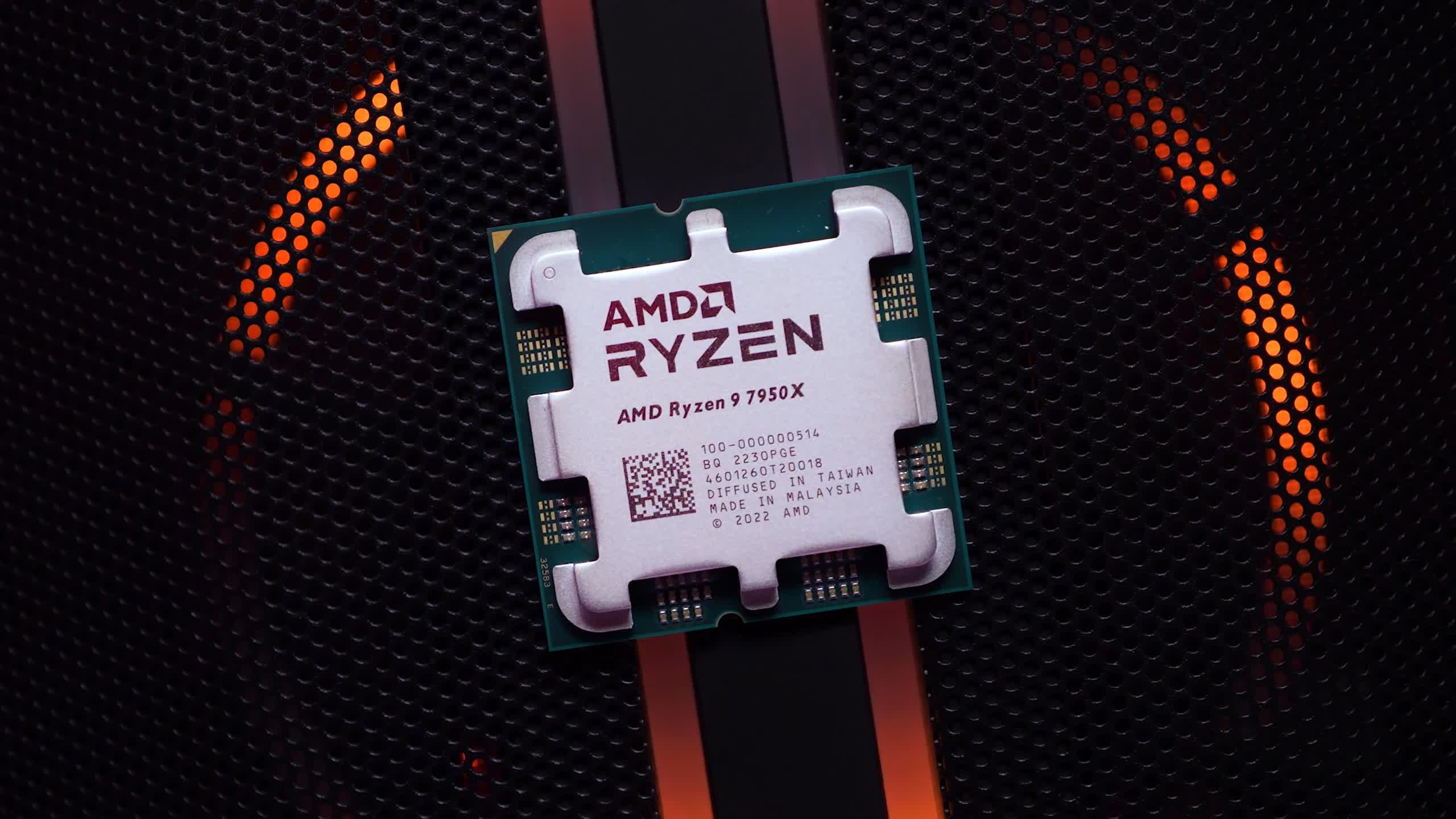
Ryzen 9 represents the pinnacle of the consumer "R" series. Utilizing 12 to 16 cores, these processors are designed for professional workloads that benefit from massive parallel processing. If you are rendering 8K video, running complex simulations, or managing multiple virtual machines, the Ryzen 9 is the intended solution. It bridges the gap between standard desktop computing and the professional-grade Threadripper series.
Understanding the Numbering System (The 4-Digit Code)
While the Ryzen tier (3, 5, 7, or 9) gives you a general idea of power, the four-digit number following it provides the critical details about the generation and architecture. As of 2026, AMD has refined this naming convention to be more transparent, though it remains complex for mobile processors.
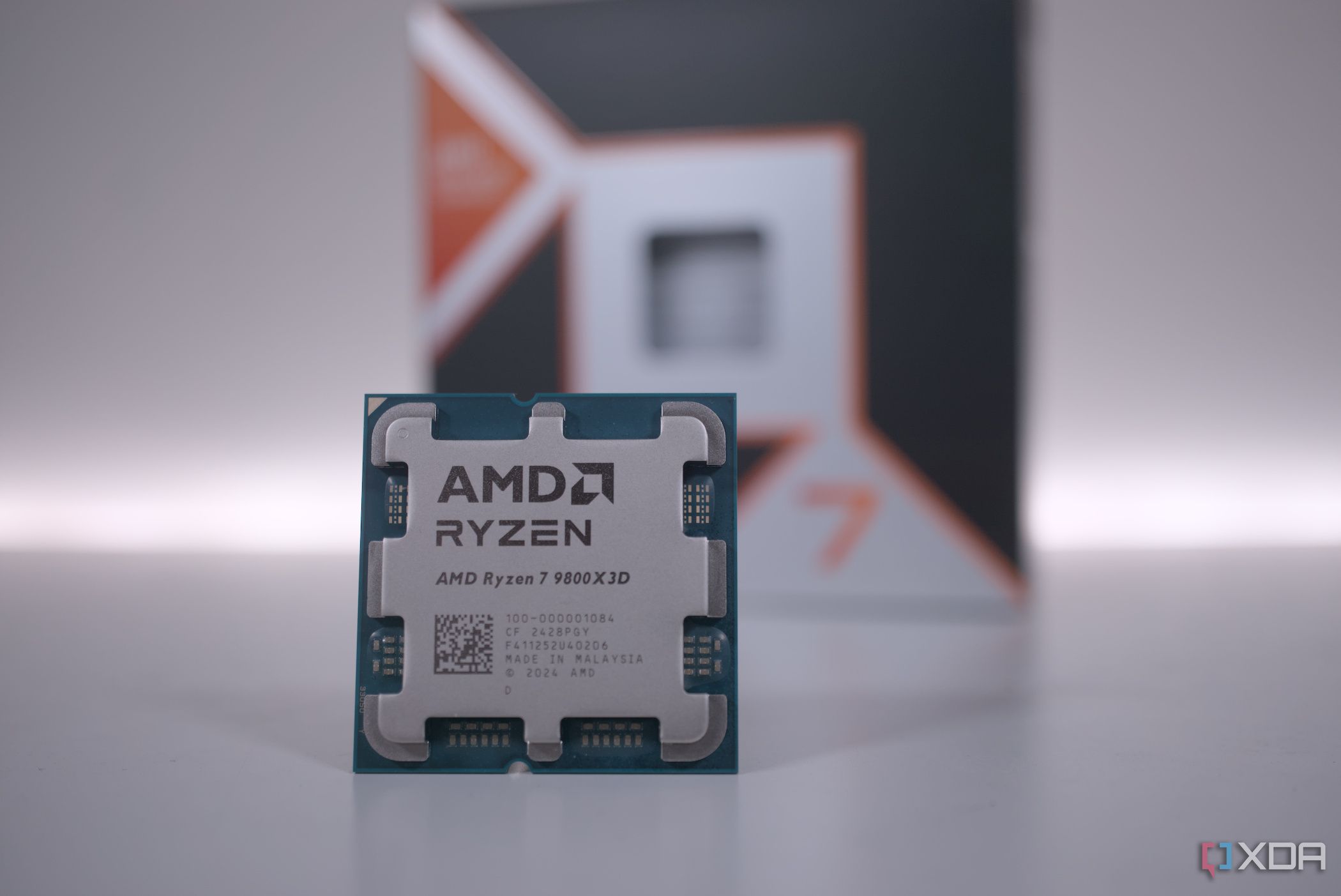
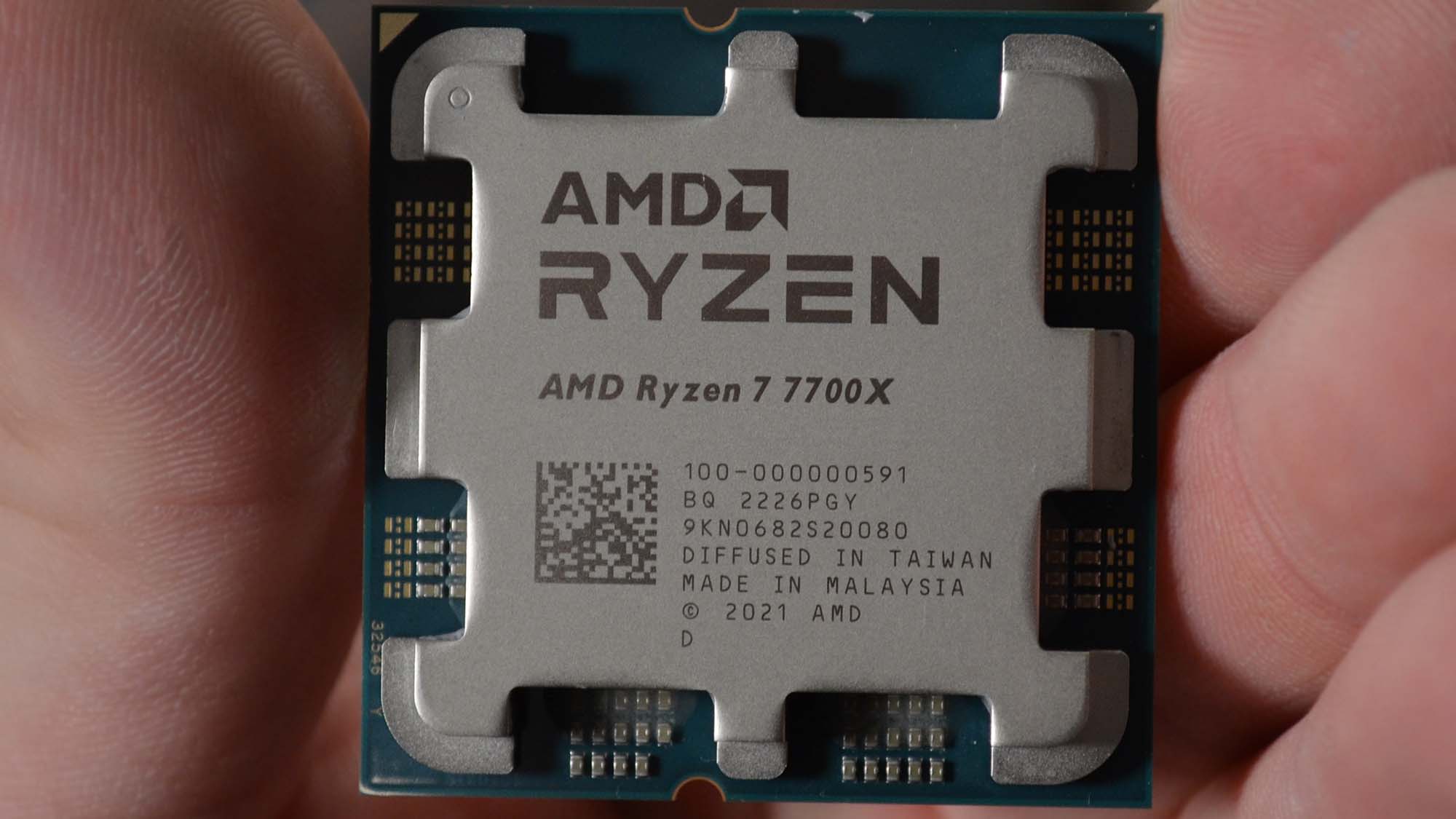
- First Digit (Generation): This usually indicates the marketing series (e.g., Ryzen 7 9800X3D belongs to the 9000 series).
- Second Digit (Performance Level): Within a tier, a higher second digit indicates a faster clock speed or more cache. A Ryzen 7 9800 is superior to a Ryzen 7 9700.
- Third and Fourth Digits: These often denote minor revisions or specific architecture versions, particularly in mobile chips where AMD now uses the third digit to indicate the "Zen" architecture version (e.g., a "5" would mean Zen 5).
The Importance of Suffixes: X, X3D, G, and More
To fully understand what an AMD processor means, you must look at the letter at the end of the model number. These suffixes define the chip’s specific capabilities and power limits.
- X: Indicates high performance with higher clock speeds and power draw (TDP) than non-X variants.
- X3D: This is AMD’s specialized gaming suffix. These chips feature "3D V-Cache," a vertical stacking of memory that significantly boosts gaming performance. By 2026, the X3D series has become the industry standard for high-end gaming builds.
- G: Signifies a processor with "Integrated Graphics." While all modern Ryzen 7000 and 9000 series chips have basic display capabilities, the "G" series features powerful Radeon graphics capable of playing many games without a dedicated graphics card.
- GE: A low-power version of the "G" series, typically found in small-form-factor office PCs.
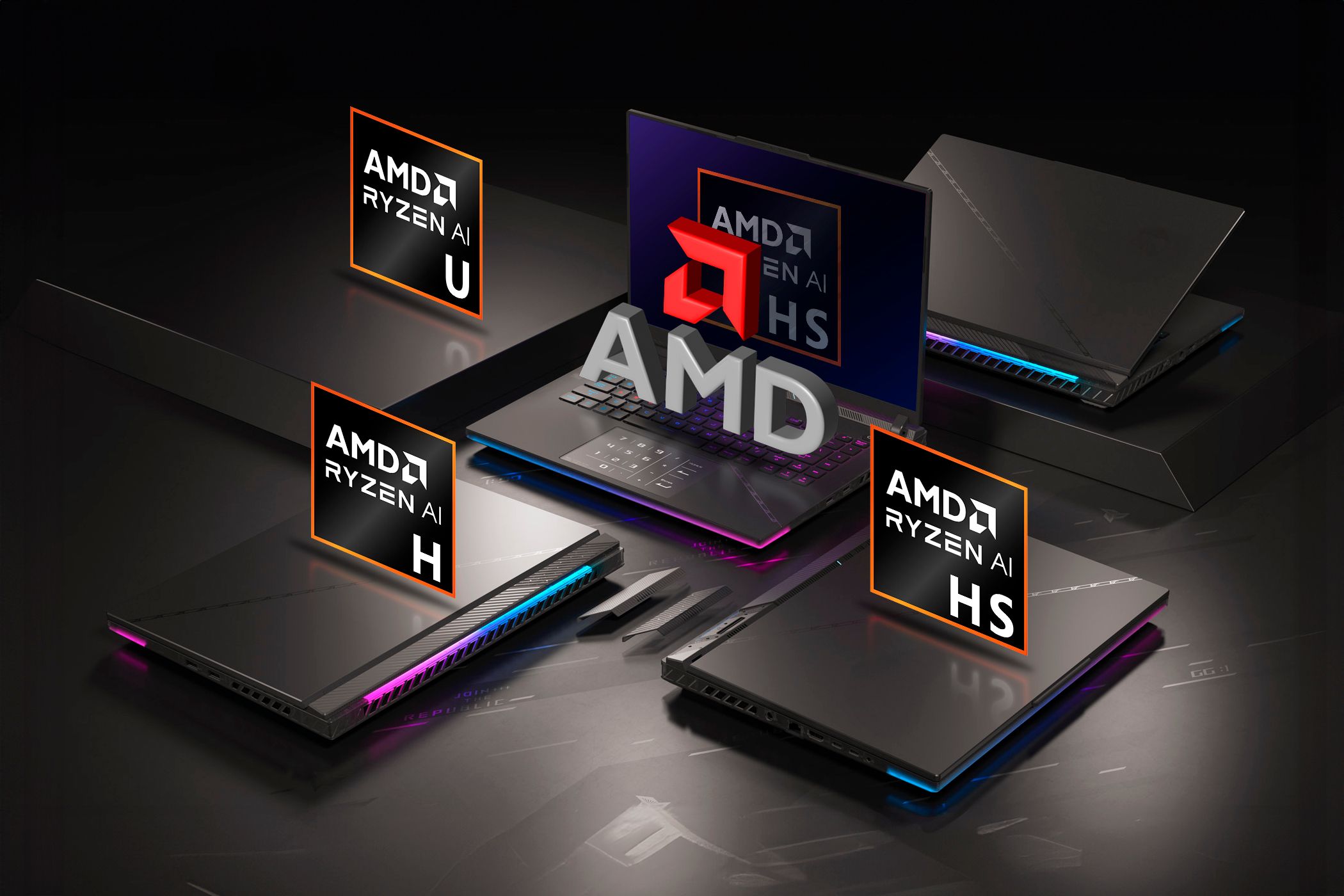
- HS / HX (Laptops): These are mobile-specific. HS chips are optimized for thin-and-light gaming laptops (high efficiency), while HX chips are "desktop replacement" processors with the highest possible power limits for mobile workstations.
Comparison of AMD Ryzen Desktop Processor Tiers (2026 Context)
| Tier | Core/Thread Count (Typical) | Target Audience | Primary Use Case |
|---|---|---|---|
| Ryzen 3 | 4 Cores / 8 Threads | Budget Buyers | Office, Web Browsing, Education |
| Ryzen 5 | 6 Cores / 12 Threads | Mainstream Users | Gaming, Home Office, General Multitasking |
| Ryzen 7 | 8 Cores / 16 Threads | Power Users | Competitive Gaming, 4K Video Editing |
| Ryzen 9 | 12-16 Cores / 24-32 Threads | Enthusiasts/Pros | 3D Rendering, Heavy Compilation, Streaming |
Architecture and Sockets: AM4 vs. AM5
A significant part of what an AMD processor "means" is the motherboard it plugs into. AMD is well-known for its "socket longevity."
- AM4 Socket: This was the foundation for Ryzen from 2017 through the 5000 series. Even in 2026, many budget users still utilize AM4 systems because of their incredible value and the availability of the Ryzen 7 5800X3D, which remains a viable gaming chip.
- AM5 Socket: Introduced with the Ryzen 7000 series, AM5 is the current standard in 2026. It supports DDR5 memory and PCIe 5.0, providing much faster data transfer speeds. AMD’s commitment to supporting AM5 through 2027 and beyond means that buying a Ryzen 7000, 8000, or 9000 series chip today allows for easy CPU upgrades in the future without replacing the entire motherboard.
Why the "R" Processor Matters for the Future
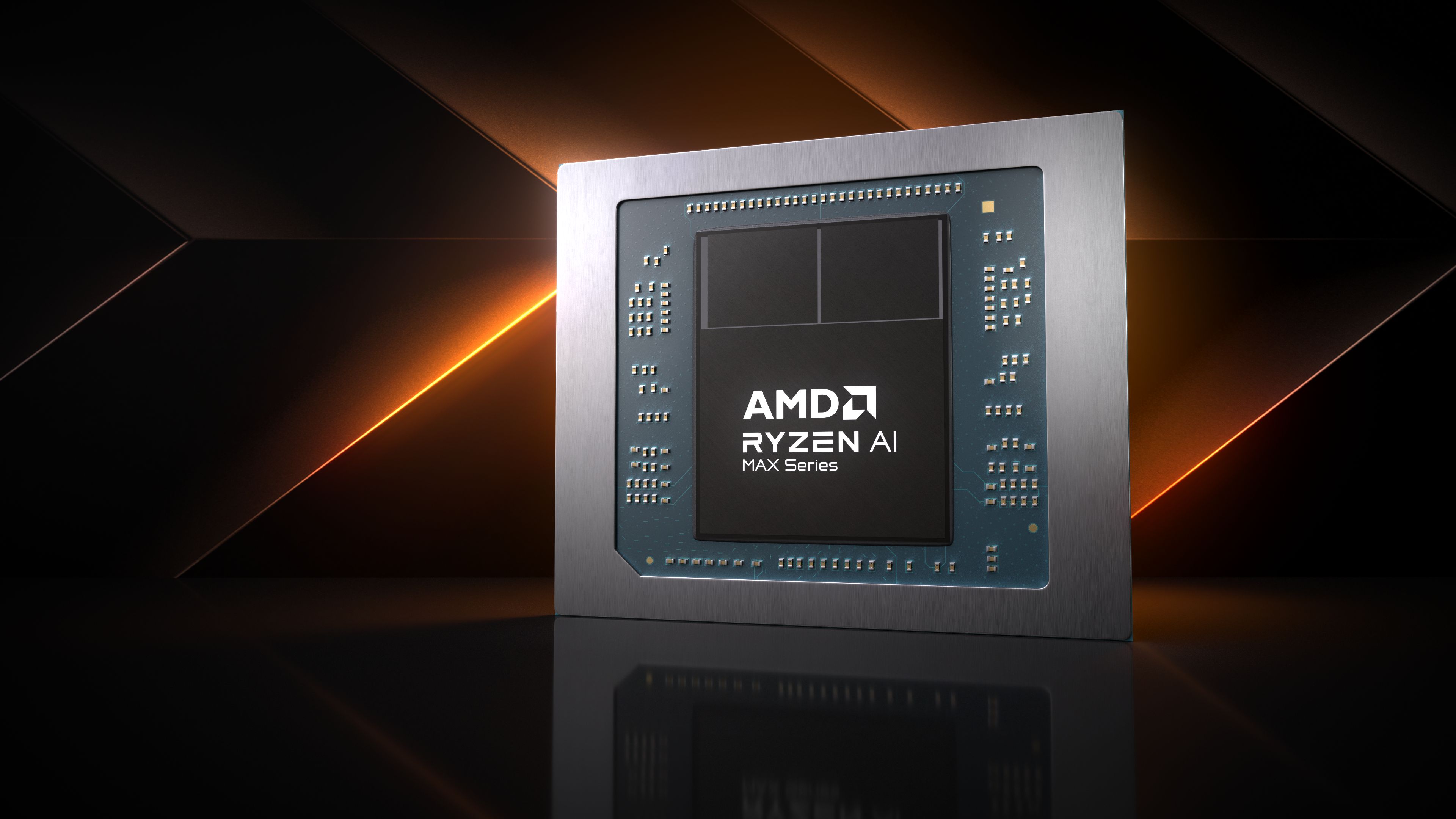
In 2026, AMD’s focus has shifted toward AI integration. Many newer Ryzen processors now include an NPU (Neural Processing Unit), often branded under "Ryzen AI." When you see a Ryzen 7 or 9 processor today, it doesn't just mean "more cores"; it often means specialized hardware designed to accelerate AI tasks like local LLM (Large Language Model) execution, noise cancellation, and video background blurring.
This evolution means that the "R" series is no longer just a calculation engine for spreadsheets and games; it is an integrated platform for artificial intelligence. For consumers, choosing a higher tier now provides a "future-proofing" benefit for software that will increasingly rely on on-chip AI acceleration.
Common Questions About AMD Ryzen Processors
Is Ryzen 7 better than Ryzen 5?
Yes, in terms of raw multi-threaded performance. A Ryzen 7 has more cores (8 vs. 6) and can handle more tasks simultaneously. However, for a simple office machine or a mid-range gaming rig, a Ryzen 5 is often the better value because many applications do not yet utilize more than 6 cores effectively.
Does AMD Ryzen work with NVIDIA graphics cards?
Absolutely. There is a common misconception that you must pair AMD CPUs with AMD GPUs. You can use an AMD Ryzen processor with any modern NVIDIA or Intel graphics card without any compatibility issues. In fact, many of the world's fastest gaming PCs use a Ryzen 7 X3D processor paired with an NVIDIA RTX series GPU.
What does the "X3D" mean in gaming?
The "X3D" suffix indicates that the processor uses AMD 3D V-Cache technology. This technology stacks additional L3 cache vertically on top of the processor. Because games are highly sensitive to memory latency and cache size, X3D processors often outperform much more expensive chips in gaming scenarios, even if those more expensive chips have higher clock speeds.
How do I know if a Ryzen processor fits my laptop?
Unlike desktop processors, laptop processors (mobile) are soldered to the motherboard and cannot be upgraded. When shopping for a laptop, look for the suffix: U for thin and light (battery life focused), HS for balanced gaming, and HX for maximum power. You cannot change the "R" processor in a laptop after purchase, so selecting the right tier at the start is crucial.
Practical Recommendation for 2026
When choosing an AMD Ryzen processor, start by identifying your primary bottleneck. If you are building a dedicated gaming machine, the Ryzen 7 9800X3D (or its equivalent in the current generation) is widely considered the gold standard due to its efficiency and massive cache.
For those on a strict budget, the Ryzen 5 remains the most logical choice, offering a perfect balance for 1440p gaming and standard professional work. Avoid the Ryzen 3 unless your needs are strictly limited to basic web browsing or digital signage. Conversely, only invest in a Ryzen 9 if your professional income depends on rendering times or heavy data processing, as the extra cost rarely translates to higher frame rates in games.
Image Gallery