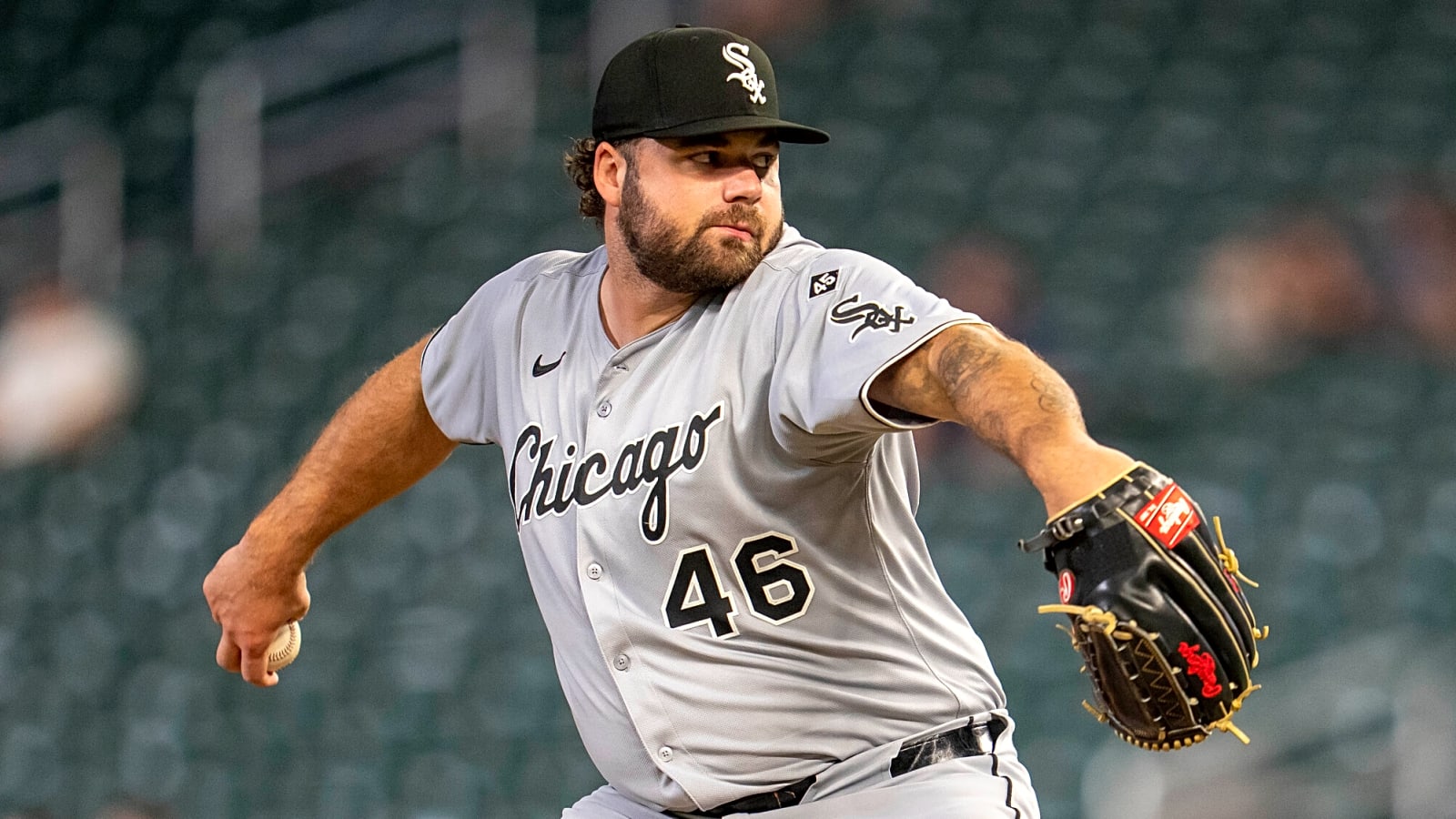
White Sox Sign Bryse Wilson to One-Year Deal: Pitching Depth and Roster Impact Analysis
The Chicago White Sox have signed right-handed pitcher Bryse Wilson to a one-year contract, adding a versatile multi-inning arm to their pitching staff. Wilson brings significant Major League Baseball (MLB) experience as both a starter...
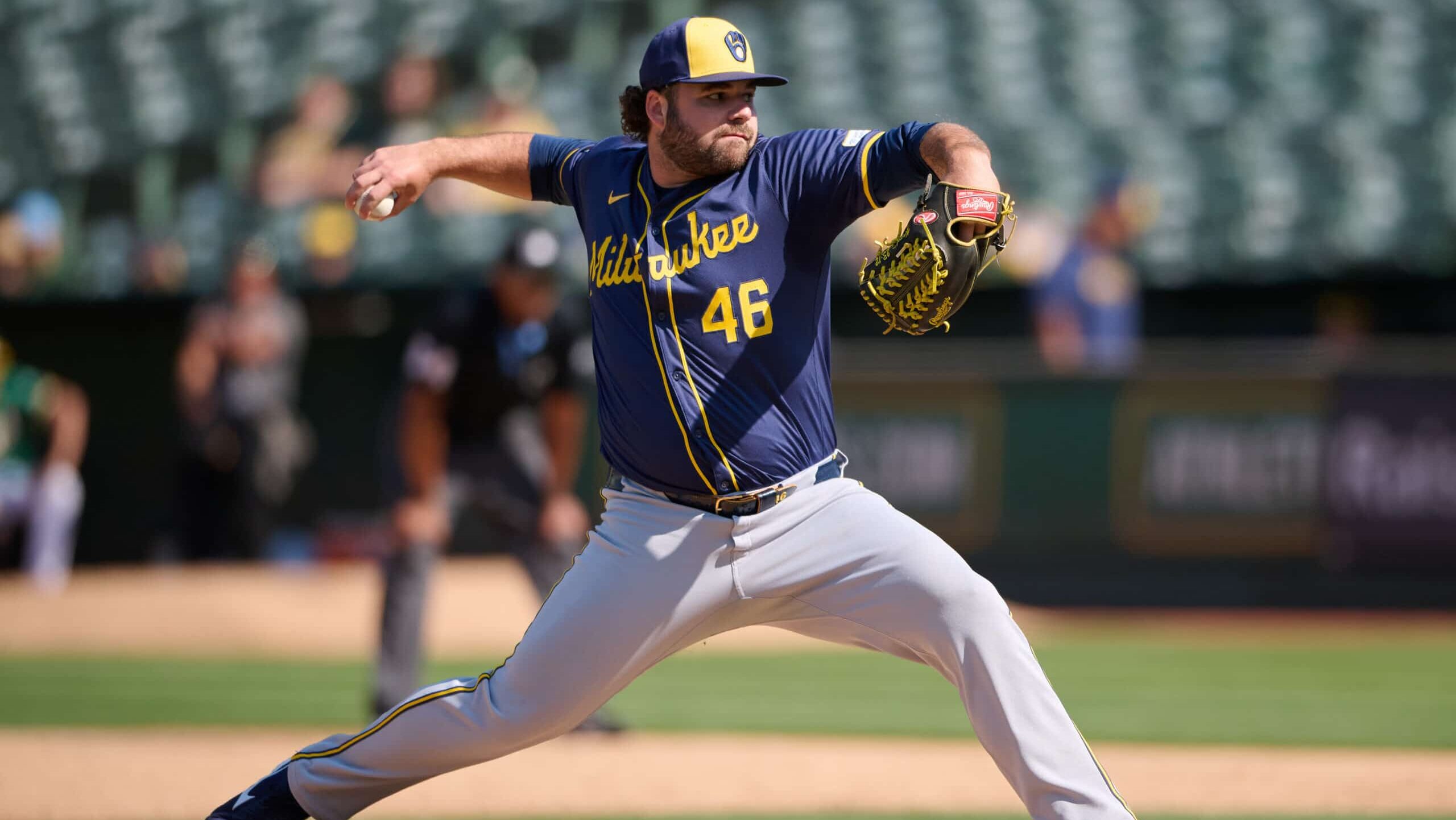
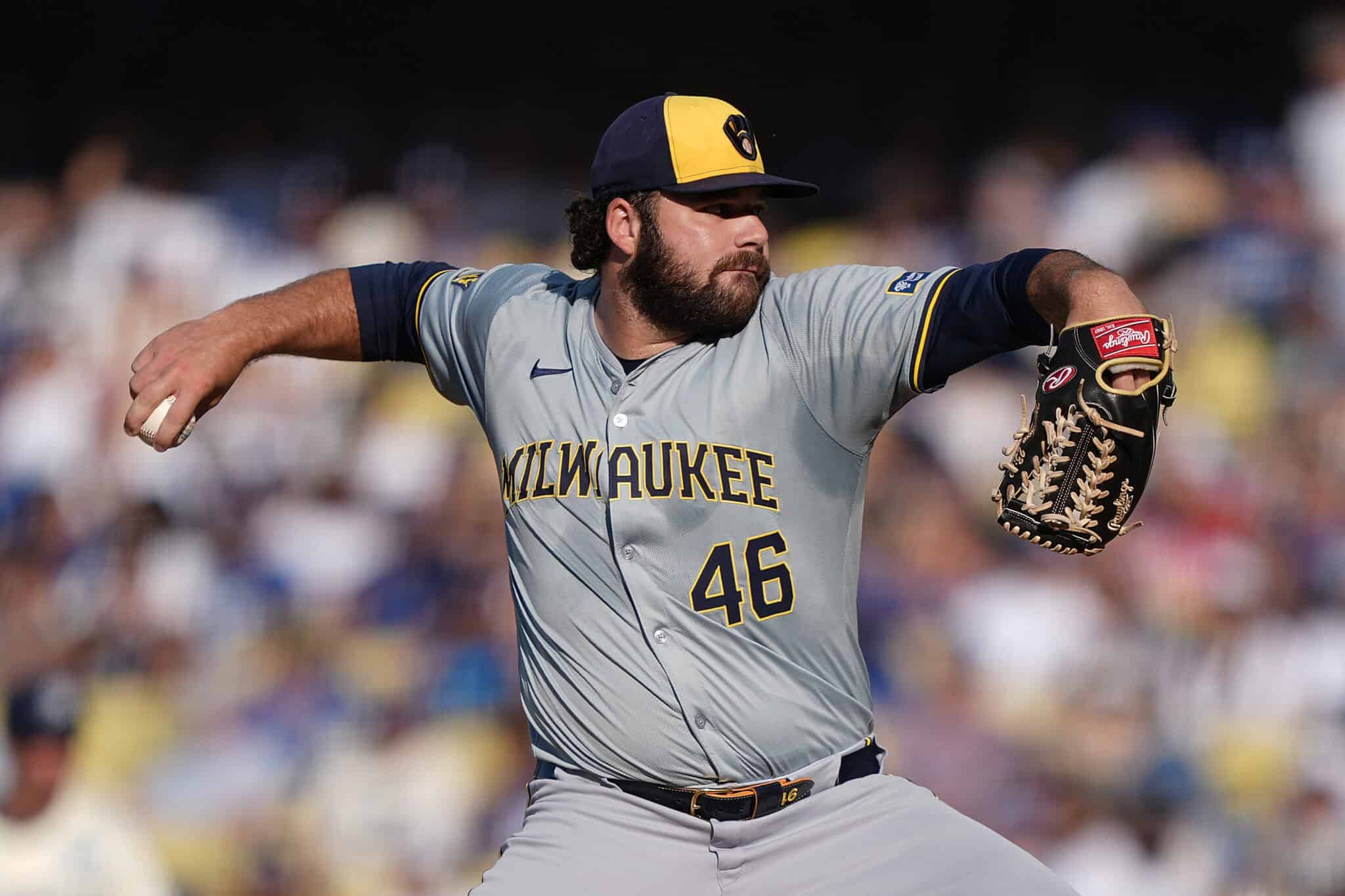
The Chicago White Sox have signed right-handed pitcher Bryse Wilson to a one-year contract, adding a versatile multi-inning arm to their pitching staff. Wilson brings significant Major League Baseball (MLB) experience as both a starter and long reliever, providing vital innings-eating capability, competitive depth, and roster flexibility for the club's pitching rotation and bullpen.
Contents
Contract Breakdown and Free Agency Context
The decision by the Chicago White Sox to sign Bryse Wilson to a one-year deal represents a targeted effort to fortify pitching durability without locking the franchise into long-term financial commitments. After being non-tendered by the Milwaukee Brewers following the 2024 season, Wilson entered free agency as an attractive target for teams seeking durable, multi-role pitching depth.
For the White Sox, managing pitch counts and protecting young rotation talent remains a central operational focus. Signing a proven major-league arm like Wilson addresses immediate workload requirements. Major League contracts of this nature typically carry low base financial guarantees while providing performance incentives tied to innings pitched and appearances.
Transaction Summary: • Player: Bryse Wilson (RHP) • Contract Duration: 1 Year • Primary Role: Swingman / Long Reliever / Spot Starter • Previous Club: Milwaukee Brewers
By bringing Wilson into the fold, General Manager Chris Getz and the front office secured an arm capable of bridging the gap between developmental prospects in the upper minor leagues and the major-league roster. Rather than rushing top pitching prospects into high-stress major-league workloads before they are fully conditioned, Chicago can leverage Wilson's durability across multiple roles.
Player Profile: Bryse Wilson's Career Evolution
Bryse Wilson’s major-league trajectory highlights a transition from an elite high school prospect to a resilient, adaptable pitch-to-contact contributor. Drafted by the Atlanta Braves in the fourth round of the 2016 MLB Draft out of Orange High School in North Carolina, Wilson advanced rapidly through Atlanta's farm system, making his major-league debut in 2018 at just 20 years old.
From Top Prospect to Versatile Swingman
During his early career with Atlanta, Wilson was primarily evaluated as a traditional starting pitcher. His highlight moment with the Braves came during Game 4 of the 2020 National League Championship Series (NLCS), where he pitched six dominant innings against the Los Angeles Dodgers, allowing only one run and earning the win.
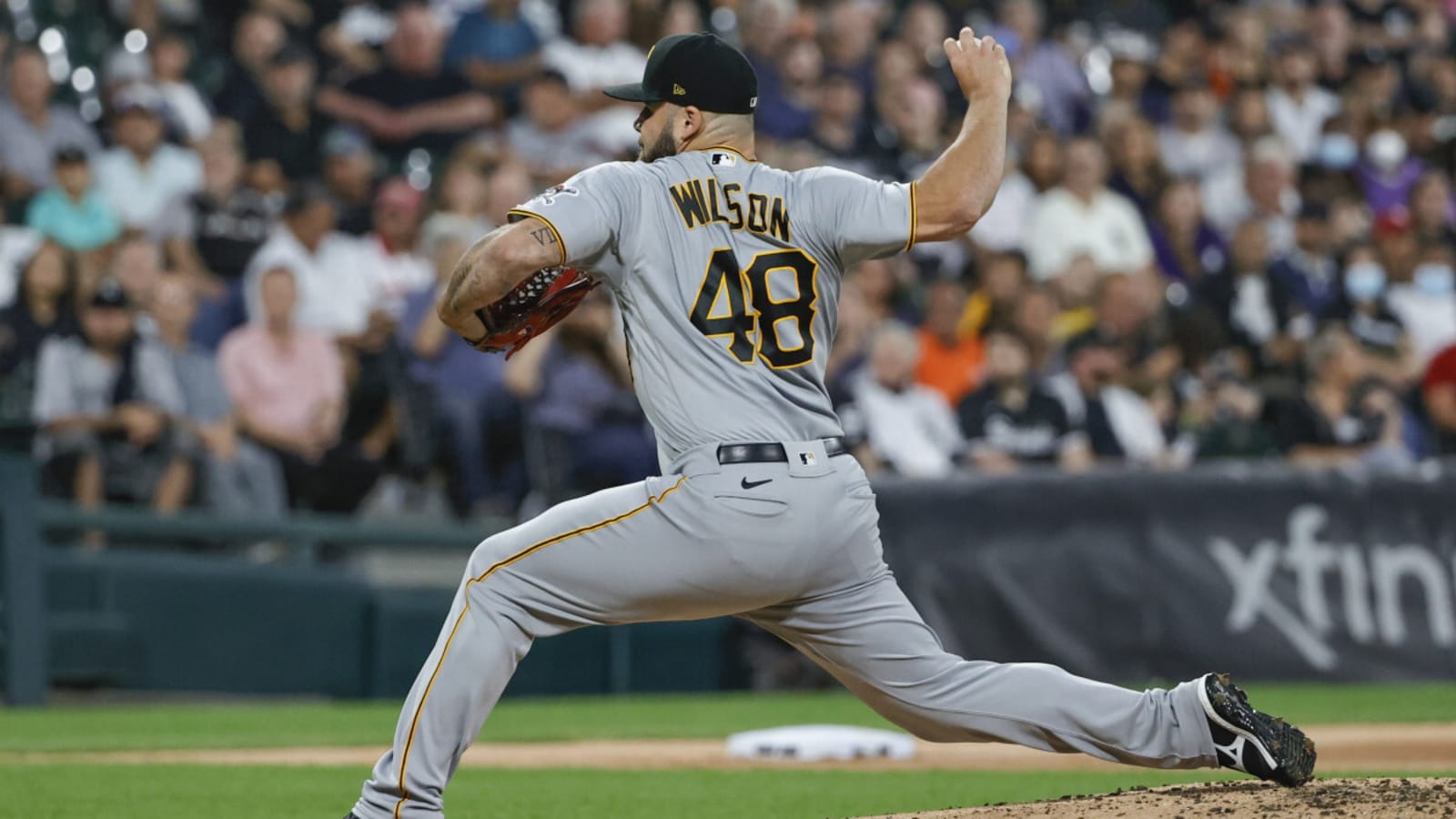
However, inconsistent command and high hits-per-nine-innings rates led to a change of scenery. In 2021, Atlanta traded Wilson to the Pittsburgh Pirates. In Pittsburgh, Wilson received extended opportunities in the starting rotation, though his overall statistics reflected the challenges of pitching behind a developing defense while refining his secondary pitch offerings.
| Career Phase | Primary Team | Primary Role | Major Key Transition |
|---|---|---|---|
| 2018–2021 | Atlanta Braves | Prospect / Spot Starter | Rapid minor-league ascension; 2020 NLCS standout performance |
| 2021–2022 | Pittsburgh Pirates | Traditional Starter | High inning absorption; adaptation of pitch selection |
| 2023–2024 | Milwaukee Brewers | Swingman / Multi-Inning Reliever | Transition to cutter/sinker usage; improved strike-throwing efficiency |
| 2025–Present | Chicago White Sox | Versatile Reliever / Fifth Starter | Innings stabilization and bullpen workload protection |
Wilson's career reached a pivotal turning point when he joined the Milwaukee Brewers prior to the 2023 season. Milwaukee’s pitching development staff repurposed Wilson into a flexible swingman role—pitching out of the bullpen in multi-inning relief, working as an opener, and filling in as a spot starter. Over two seasons in Milwaukee, Wilson logged over 180 total innings with an ERA near 3.80, proving that his pitch profile performs efficiently when leveraged in tailored, shorter stints or controlled rotations.
Pitch Repertoire and Advanced Metrics Breakdown
To understand how Wilson fits into the White Sox pitching strategy, it is essential to examine his pitch arsenal and underlying metrics recorded on platforms like Baseball Savant. Wilson has steadily transformed from a four-seam fastball reliant pitcher into a ground-ball and contact-suppression specialist.
Primary Pitch Selection and Mechanics
- Sinker / Two-Seamer: Wilson’s primary fastball is a sinker sitting between 92 and 94 mph. The pitch generates moderate arm-side run, designed to induce early-count ground balls and weak contact.
- Cutter: Introduced heavily during his tenure in Milwaukee, the cutter (sitting 87–89 mph) serves as his primary weapon against left-handed hitters and an effective put-away pitch to break away from right-handed batters.
- Four-Seam Fastball: Used selectively up in the strike zone to elevate off his lower-zone sinker and cutter combination.
- Changeup: Pitching primarily to left-handed batters, Wilson uses a changeup (84–86 mph) featuring late vertical drop to disrupt timing.
- Curveball / Sweeper: Used sporadically to present a different velocity band and horizontal movement profile against high-leverage hitters.
Wilson Pitch Mix Distribution (Approximate Breakdown):
- Sinker: 35%
- Heavy ground-ball focus
- Cutter: 30%
- Primary movement/neutralizer
- Changeup: 15%
- Off-speed vs. Lefties
- Four-Seam: 12%
- High zone elevation
- Slider/Curve: 8%
- Timing disruption
Key Performance Indicators
While Wilson does not generate elite strikeout rates (hovering around 18% to 20% K-rate), his value lies in elite walk suppression and contact management. His walk rate (BB%) consistently ranks in the upper quartiles of major-league pitchers, rarely granting free passes to opposing lineups.
- Walk Rate (BB%): Under 7.0%, significantly better than league average.
- Ground-Ball Rate: ~43% to 46%, utilizing sinker movement in targeted stadium environments.
- Innings per Appearance: Averaging 2.0 to 3.0 innings per relief outing, reducing stress on single-inning relievers.
Roster Fit and Tactical Role for the White Sox
The White Sox enter the current major-league campaign balancing roster rebuilding with tactical competitiveness. A major difficulty for rebuilding teams is bullpen burnout—where starter short-outs force high-leverage relievers into back-to-back work, leading to fatigue and injuries.
Protecting the Bullpen and Rotation
Wilson’s primary structural duty for Chicago is serving as a multi-inning buffer. If a young starting pitcher is removed after four innings due to pitch count restrictions, Wilson can handle innings five through seven, preserving high-leverage late-inning arms.
Furthermore, Wilson offers an immediate backup option when rotation injuries occur. Rather than altering minor-league developmental tracks or rushing prospects, the White Sox coaching staff can slide Wilson directly into the rotation for three to four starts without disrupting team operations.
White Sox Pitching Architecture with Bryse Wilson:
- STARTING ROTATION
- (Young Arms / Veteran Starters - Target: 5 to 6 Innings)
- MULTI-INNING / SWINGMAN ROLE
- BRYSE WILSON * (Innings 5 to 8 / Emergency Rotation)
- LATE-INNING / CLOSER BULLPEN
- (High-Leverage Setup & Closers - Target: 8th & 9th Innings)
Pitching Infrastructure Integration
Chicago’s pitching development team focuses heavily on optimizing pitch utilization and movement profiles via tracking technology like TrackMan and Rapsodo. Working with Chicago's pitching coaches, Wilson can continue refining his cutter movement and location patterns to maximize swing-and-miss efficiency against American League Central opponents.
Performance Metrics Comparison
The following table compares Bryse Wilson’s operational statistics across recent MLB campaigns, illustrating his transition into a stable swingman and high-volume reliever.
| Season Metric | 2022 (PIT) | 2023 (MIL) | 2024 (MIL) | Career Profile Baseline |
|---|---|---|---|---|
| Games / Starts | 25 / 20 | 53 / 0 | 34 / 9 | Flexible Swingman / Starter |
| Innings Pitched (IP) | 115.2 | 76.2 | 104.2 | 90–115 IP capacity |
| ERA (Earned Run Avg) | 5.52 | 3.41 | 4.04 | ~4.15 Expected Average |
| FIP (Fielding Independent) | 5.08 | 4.40 | 4.45 | Contact-dependent defense |
| WHIP | 1.42 | 1.07 | 1.27 | Controlled walk suppression |
| Strikeout Rate (K%) | 15.5% | 19.8% | 18.2% | Low-K, contact management |
| Walk Rate (BB%) | 6.4% | 6.9% | 7.8% | Strong command focus |
Data compiled from historical season logs available via official MLB transaction listings and Baseball-Reference.
Evaluating Strategic Trade and Deadline Value
Signing players to flexible one-year contracts offers secondary organizational benefits beyond immediate on-field results. For a team navigating a roster rebuild, low-risk, one-year deals establish valuable trade assets leading into the MLB Trade Deadline.
Contending teams consistently seek versatile relief arms who can pitch multiple innings in playoff races or step into rotations during August and September stretches. If Wilson performs effectively through the first half of the season, maintaining an ERA around 3.80 to 4.10 while pitching 50+ innings, he becomes an attractive acquisition target for postseason contenders.
Conversely, if Chicago makes competitive strides earlier than anticipated, retaining Wilson provides guaranteed pitching stability throughout the marathon 162-game season.
Frequently Asked Questions
What role will Bryse Wilson play for the Chicago White Sox?
Wilson is projected to serve primarily as a multi-inning swingman and long reliever, while remaining available as an emergency starter when injuries or rotation scheduling demand extra starts.
Why did the Milwaukee Brewers let Bryse Wilson go before he signed with Chicago?
Wilson was non-tendered by Milwaukee prior to arbitration deadlines due to roster space management and projected arbitration costs, allowing him to enter free agency and select a destination offering consistent major-league innings.
Does Bryse Wilson have minor league options remaining?
No. Wilson has surpassed his minor-league option limits. This means the White Sox cannot send him down to Triple-A without passing him through major-league waivers, making him a fixed member of the 26-man active roster.
How does Bryse Wilson's pitch repertoire fit Guaranty Rate Field?
Guaranteed Rate Field in Chicago is historically a hitter-friendly ballpark, particularly for pull-side power. Wilson’s heavy rely on sinkers and cutters induces ground balls and short pop-ups, helping suppress home runs when executing pitch locations low in the strike zone.
Can Bryse Wilson be traded at the MLB Trade Deadline?
Yes. Because Wilson is signed to a one-year contract, he represents a classic rental candidate for contending clubs seeking pitching depth, provided the White Sox elect to move veteran assets at the deadline.
Final Summary and Practical Takeaway
The Chicago White Sox signing Bryse Wilson to a one-year deal is an effective operational move designed to build pitching depth and protect team development. By adding an experienced arm with flexible capabilities, the White Sox solidify their pitching staff without long-term financial commitment.
For fans, fantasy managers, and baseball analysts tracking the White Sox roster construction, expect Wilson to log substantial innings out of the bullpen early in the season, operating as a primary stabilizer during middle-inning transitions and spot-start situations.
Image Gallery