Comprehensive Guide to the Roth IRA at Navy Federal Credit Union in 2026
A Roth IRA at Navy Federal Credit Union (NFCU) is a tax-advantaged retirement savings account that allows eligible members to contribute after-tax dollars, benefit from tax-free growth, and make tax-free withdrawals in retirement. NFCU...
A Roth IRA at Navy Federal Credit Union (NFCU) is a tax-advantaged retirement savings account that allows eligible members to contribute after-tax dollars, benefit from tax-free growth, and make tax-free withdrawals in retirement. NFCU offers several Roth IRA structures, including liquid savings accounts, fixed-rate certificates, and diversified investment portfolios through its brokerage arm.
Contents
Understanding the Roth IRA Structure at Navy Federal
For many members of the military community, the Navy Federal Credit Union Roth IRA serves as a foundational tool for long-term wealth building. Unlike a Traditional IRA, where contributions may be tax-deductible, a Roth IRA is funded with "post-tax" money. This means you do not get a tax break today, but you gain a significant advantage later: every dollar of growth and every withdrawal you make after age 59½ (provided the account has been open for five years) is entirely tax-free.
In 2026, Navy Federal continues to categorize its Roth IRA offerings into two primary paths: Credit Union Savings Products and Investment Services. The savings products, such as IRA certificates and savings accounts, are insured by the National Credit Union Administration (NCUA) up to $250,000. These are ideal for conservative savers who prioritize capital preservation. Conversely, the investment path, managed through Navy Federal Investment Services (NFIS), allows for exposure to the stock and bond markets, offering higher potential returns alongside higher risk.
Eligibility and Membership Requirements
To open a Roth IRA at Navy Federal, you must first meet the credit union's membership requirements. NFCU is exclusively for active-duty military, veterans, Department of Defense (DoD) civilians, and their immediate family members. If you are not already a member, you must establish a Share Savings Account with a minimum deposit of $5.
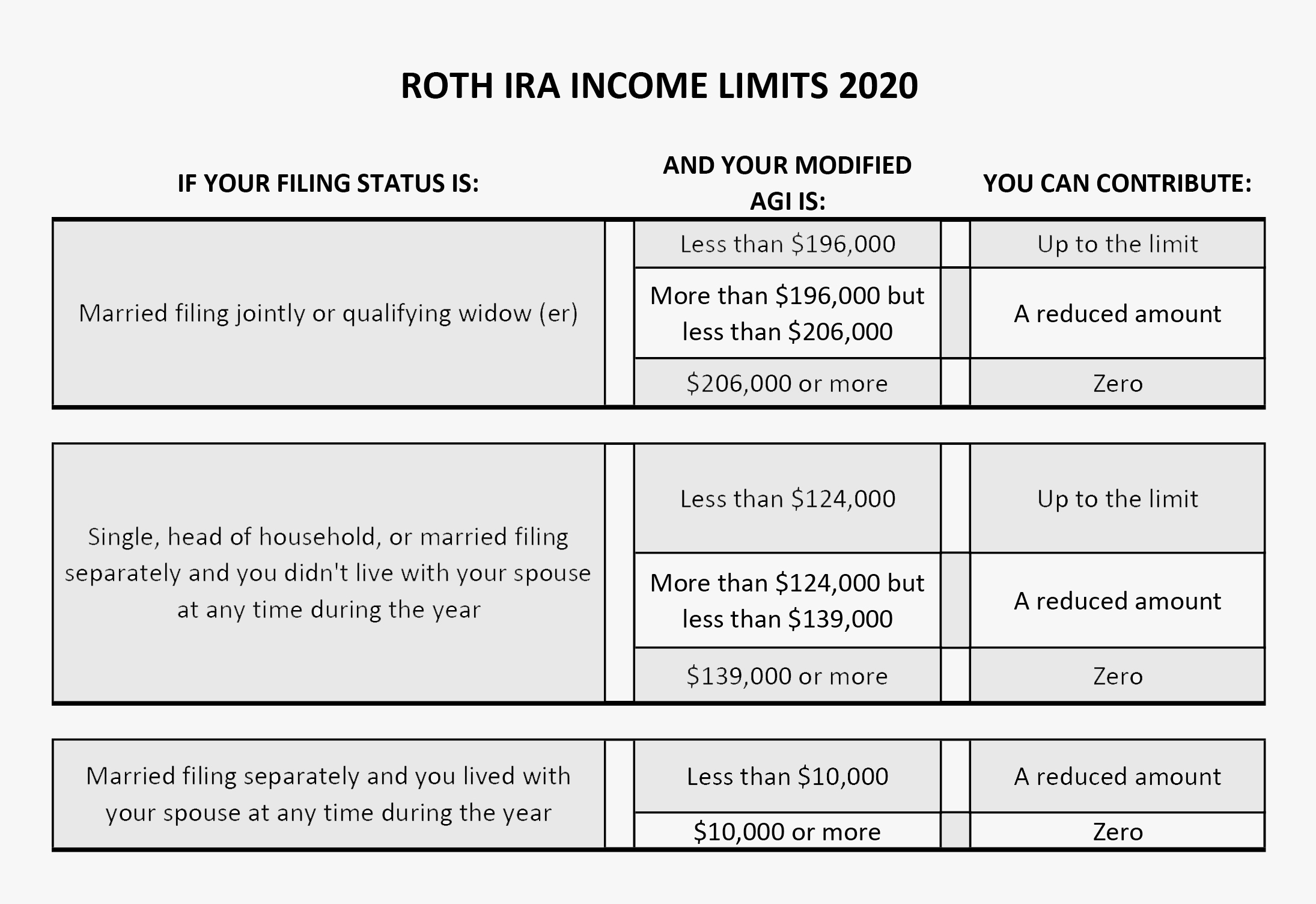
Beyond credit union membership, you must also satisfy Internal Revenue Service (IRS) eligibility for a Roth IRA. These requirements revolve around two factors: Earned Income and Modified Adjusted Gross Income (MAGI).
- Earned Income: You must have taxable compensation, such as wages, salaries, or self-employment income. Passive income from interest, dividends, or rental property does not count toward your ability to contribute.
- Income Limits: For the 2026 tax year, the IRS sets phase-out ranges for Roth IRA contributions. If your MAGI exceeds certain thresholds (which are adjusted annually for inflation), your ability to contribute may be reduced or eliminated entirely. It is essential to verify the specific 2026 thresholds based on your filing status (Single, Married Filing Jointly, etc.) before making a full contribution.
Types of Roth IRA Products at Navy Federal
Navy Federal distinguishes itself by offering a variety of vehicles within the Roth IRA umbrella. This allows members to customize their risk tolerance and liquidity needs.
IRA Savings Accounts
This is the most liquid option. It works similarly to a standard savings account but is designated for retirement. It usually offers a lower interest rate than certificates but allows you to deposit funds incrementally throughout the year without committing to a fixed term. This is often the "entry point" for many members who then move funds into certificates once they reach certain balance milestones.
IRA Certificates
IRA Certificates are Navy Federal’s version of a Certificate of Deposit (CD) for retirement accounts. They typically offer higher yields than the IRA Savings Account in exchange for leaving your money untouched for a set period, ranging from 12 months to 7 years.
- Standard IRA Certificates: Require a $1,000 minimum deposit.
- Choice IRA Certificates: Allow for a lower entry point (often $25) but may require a recurring direct deposit or have specific term limits.
- Special Terms: Occasionally, NFCU offers "Easy Start" or promotional high-yield certificates that are designed for members just beginning their retirement journey.
Navy Federal Investment Services (NFIS)
For members seeking growth that outpaces inflation, NFIS provides access to a broader range of assets. Through an NFIS Roth IRA, you can invest in:
- Mutual Funds and ETFs: Diversified baskets of stocks or bonds.
- Individual Stocks: Direct ownership in specific companies.
- Digital Investor: A robo-advisory service that automatically manages your portfolio based on your risk tolerance and goals. This is a popular choice for those who prefer a "hands-off" approach to the 2026 market.
Comparison of NFCU Roth IRA Vehicles
The following table compares the primary ways to hold a Roth IRA at Navy Federal Credit Union based on current 2026 service structures.
| Feature | IRA Savings Account | IRA Certificate | Digital Investor (NFIS) | Brokerage Account (NFIS) |
|---|---|---|---|---|
| Risk Level | Very Low | Very Low | Moderate to High | High |
| Minimum Opening | $5 - $10 | $25 - $1,000 | Usually $0 - $100 | Varies by Asset |
| Returns | Low (Fixed) | Moderate (Fixed) | Market-Based | Market-Based |
| Liquidity | High | Low (Early withdrawal penalty) | Moderate (T+2 Settlement) | Moderate (T+2 Settlement) |
| Insurance | NCUA Insured | NCUA Insured | Not NCUA Insured | Not NCUA Insured |
| Best For | Emergency Cash/Beginners | Guaranteed Growth | Automated Investing | Active Traders |
Contribution Limits and Deadlines for 2026
For the 2026 tax year, the total amount you can contribute to all your IRAs (Traditional and Roth) is limited by the IRS. As of 2026, the standard contribution limit is $7,000 for individuals under age 50. Those aged 50 or older are eligible for a "catch-up" contribution of an additional $1,000, bringing their total limit to $8,000.
It is important to remember that the deadline for making a 2026 Roth IRA contribution is the tax filing deadline in April 2027. However, contributing early in the year—referred to as "front-loading"—allows your money more time to benefit from compound growth. Navy Federal allows for one-time contributions or automated, recurring transfers from your checking or savings account, which is a highly recommended strategy for hitting the annual limit without straining your monthly budget.
Step-by-Step Guide to Opening a Roth IRA at Navy Federal
Opening a Roth IRA at NFCU is a streamlined process that can be completed through three primary channels: online, the mobile app, or at a physical branch.
- Log In to Online Banking: Navigate to the "Products and Rates" section and select "Retirement & IRAs."
- Select Your Vehicle: Choose between the Savings/Certificate route (Credit Union products) or the Investment route (NFIS). Note that NFIS accounts may require a separate application and login credentials.
- Complete the IRA Plan Agreement: You will need to fill out the Roth IRA Adoption Agreement. This document designates the account as a Roth IRA and requires you to name beneficiaries.
- Fund the Account: You can transfer funds from your Navy Federal checking or savings account. If you are rolling over a 401(k) or transferring an IRA from another institution, you will need to provide the account details and potentially sign a transfer request form.
- Set Up Contributions: Determine if you will make a lump-sum deposit or set up an "Automatic Savings Plan" to reach your 2026 goals.
Common Mistakes and Troubleshooting
While the Roth IRA is a powerful tool, certain pitfalls can lead to taxes or penalties.
- Excess Contributions: If you contribute more than the IRS limit or earn too much to qualify for a Roth IRA, you must remove the excess funds and their earnings before the tax deadline to avoid a 6% excise tax.
- Early Withdrawals: While you can always withdraw your contributions tax- and penalty-free, withdrawing earnings before age 59½ generally triggers a 10% penalty and income taxes, unless an exception applies (e.g., first-time home purchase, qualified education expenses).
- Ignoring the Five-Year Rule: To qualify for tax-free withdrawals of earnings, the Roth IRA must have been open for at least five tax years, regardless of your age.
- Certificate Early Withdrawal Penalties: If you put your Roth IRA funds into a certificate and need the money before the term ends, Navy Federal will charge a dividend penalty, which can eat into your principal if the account is very new.
FAQs About Navy Federal Roth IRAs
Can I have a Roth IRA at Navy Federal if I already have a TSP?
Yes. You can contribute to both the Thrift Savings Plan (TSP) and a Roth IRA. These accounts have separate contribution limits. Many members use the Roth IRA to supplement their TSP, as the IRA offers more investment flexibility and the ability to withdraw contributions (not earnings) at any time without penalty.
Does Navy Federal charge fees for Roth IRAs?
For the basic IRA Savings and IRA Certificates, there are typically no monthly maintenance fees. However, if you use Navy Federal Investment Services (NFIS) or the Digital Investor platform, you may encounter advisory fees, trade commissions, or expense ratios associated with specific mutual funds or ETFs.
How do I transfer an existing Roth IRA to Navy Federal?
You can initiate a "Trustee-to-Trustee" transfer. You will need to provide Navy Federal with a recent statement from your current provider. Navy Federal handles much of the paperwork to ensure the funds move directly between institutions, which prevents the IRS from viewing the transfer as a taxable distribution.
What is the minimum amount to start a Roth IRA at NFCU?
You can start a Roth IRA Savings account with as little as $5. However, to access the better rates found in certificates, you generally need at least $1,000, unless you are using an "Easy Start" certificate which often has a $50 minimum.
Can I use my Roth IRA as an emergency fund?
Technically, yes, because you can withdraw your original contributions at any time without tax or penalty. However, financial advisors generally discourage this, as it removes money from a tax-advantaged environment that cannot be "replaced" once the annual contribution deadline has passed.
Practical Recommendations
For most members in 2026, the best way to utilize a Navy Federal Roth IRA is a "hybrid" approach. If you are risk-averse or need a place for your "Tier 2" emergency fund, the IRA Certificates offer guaranteed, competitive returns. However, for true retirement growth, consider the Digital Investor or NFIS Brokerage options. The long-term power of the Roth IRA is best captured by investing in equities, where the tax-free nature of the growth provides the highest mathematical advantage over several decades.
Before making a final decision, review your 2026 MAGI to ensure you fall within the contribution limits and consider consulting with a tax professional if you have a complex financial situation involving military pay, combat zone exclusions, or multiple retirement accounts.
Image Gallery