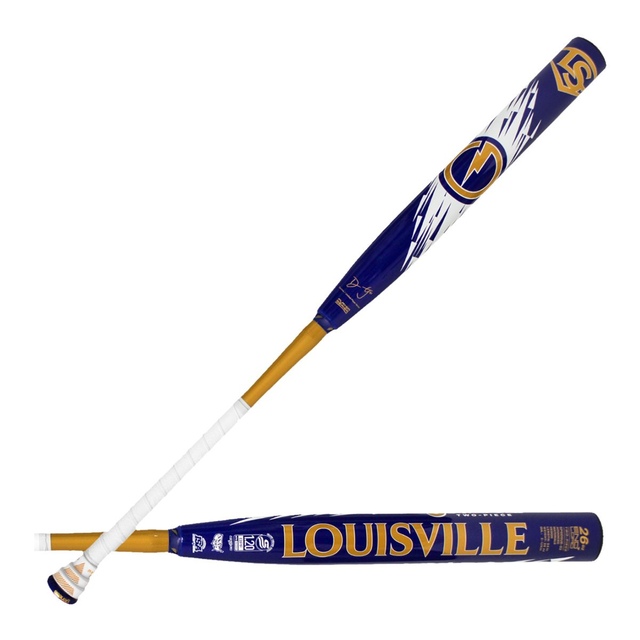
The Historical Origins and Legacy of the Louisville Slugger Brand
While many associates the name Louisville Slugger with the long-standing baseball tradition dating back to 1884, the entity is often confused with later corporate restructuring or specific manufacturing milestones. The brand itself ori...
While many associates the name Louisville Slugger with the long-standing baseball tradition dating back to 1884, the entity is often confused with later corporate restructuring or specific manufacturing milestones. The brand itself originated in 1884 in Louisville, Kentucky, when John A. Hillerich crafted the first professional bat for Pete Browning. The 1974 date often associated with the brand refers to the period during which the Hillerich & Bradsby Co. moved its operations to a new, modern facility on W. Hill Street in Louisville, marking a significant transition in its production history.
Contents
Establishing the Historical Timeline of Hillerich & Bradsby
To understand the significance of specific dates in the company's timeline, it is necessary to separate the creation of the product from the evolution of the organization. The Hillerich & Bradsby Co. (H&B), the parent company of the Louisville Slugger, trace their roots to J.F. Hillerich’s woodworking shop, which opened in 1855. The leap into baseball equipment occurred nearly three decades later.
The year 1974 stands out in the company archives not as a founding date, but as a period of modernization. By the mid-1970s, the company was dealing with the increasing demand for both professional and retail baseball equipment. Moving production facilities was a strategic necessity to maintain their dominance in the market. This era reflects the company's commitment to industrial growth, moving from their original downtown factory locations to a more expansive, purpose-built manufacturing plant that allowed for the integration of newer wood-turning technologies and logistics management.
The Evolution of the Louisville Slugger Bat
The "Slugger" brand became synonymous with baseball excellence through a blend of traditional craftsmanship and, eventually, modern technical innovation. In the early years, the bats were hand-turned on lathes. As the sport grew, the company established the "Powerized" process, which involved heat-treating the wood to improve durability and surface hardness.
Transitioning Through the Decades
- The 1880s: Development of the first professional-grade bats made from white ash timber.
- The 1910s–1930s: Implementation of the iconic branded signature system, where player autographs were laser-burned or pressed onto the barrels of the bats.
- The 1970s: Focus on facility expansion and the optimization of mass production to meet the demands of an increasingly global baseball audience.
- The 1990s and Beyond: The introduction of composite materials and high-performance alloys, representing a departure from the traditional solid-wood construction that defined the first century of the company.
Clarifying Common Misconceptions Regarding Origins
In the landscape of historical sports branding, conflating dates is common. When researchers encounter "1974" in relation to Louisville Slugger, it often leads to a misunderstanding that the company was a modern startup. In reality, 1974 is merely a waypoint in a 140-year journey.
The confusion often arises from corporate filing records or property acquisitions that were logged during that decade. For consumers and historians alike, it is vital to recognize that the company has operated under the Hillerich & Bradsby name for the vast majority of its existence. The brand has remained family-owned for several generations, ensuring that the history of the brand remains tied to the Hillerich family legacy in Louisville, Kentucky.
Comparing Historical Production vs. Modern Standards
The shift from manual woodturning in the 19th century to the sophisticated manufacturing processes observed in 2026 highlights the company's adaptability. The following table provides a comparison of how the brand has maintained its identity while updating its technical specifications over time.
| Feature | Historical Production (Pre-1974) | Modern Standards (2026) |
|---|---|---|
| Primary Material | Hand-selected Northern White Ash | Composite, Alloy, and Premium Ash/Maple |
| Manufacturing | Manual Lathe Turning | CNC Precision Machining |
| Signature Method | Impression Stamping | Laser Engraving |
| Distribution | Regional/Domestic Supply | Global Retail and E-commerce |
| Quality Control | Visual Inspection | Digital Density/Weight Analysis |
Operational Impact and Technical Depth
The move to the Hill Street facility in the 1970s allowed the company to refine its quality control measures. In the modern manufacturing environment of 2026, the technical depth of the Louisville Slugger brand involves rigorous testing of wood grain orientation, moisture content, and "pop" (the coefficient of restitution).
Modern production requires that every piece of timber be subjected to digital imaging to ensure that the grain structure is straight and free of defects. This was a technological leap from the 1974 era, where quality control was largely reliant on the sensory experience of the master wood-turner. Today, the balance between historical reputation and modern engineering is what keeps the Louisville Slugger relevant in both collegiate and professional markets.
Navigating the Legacy: FAQs
Is Louisville Slugger a company founded in 1974? No. Louisville Slugger is a brand produced by the Hillerich & Bradsby Co., which has existed in various forms since 1855, with the first baseball bat produced in 1884. The year 1974 is a historical reference point regarding facility expansion and operational updates.
Why does the date 1974 appear in search results? The date 1974 frequently appears in public records regarding the Hillerich & Bradsby Co. due to corporate restructuring, facility relocations, or specific regulatory filings made during that year. It does not signify the founding of the entity.
What is the current status of the brand in 2026? As of 2026, the Louisville Slugger brand is part of the Wilson Sporting Goods portfolio, having been acquired by the parent company Amer Sports in 2015. It continues to be one of the most recognized names in baseball equipment globally.
How do I verify the age of a vintage Louisville Slugger bat? To verify the age of an authentic bat, look for the center brand stamp. The placement and style of the stamp, along with the "Powerized" logo or specific player signature variations, allow experts to cross-reference production eras against historical archives provided by the Louisville Slugger Museum & Factory.
Practical Next Steps for Enthusiasts
If you are interested in the history of the company or seeking to verify the authenticity of a collectible item, the most effective step is to engage with the official records of the Louisville Slugger Museum & Factory. They maintain a repository of documentation regarding the evolution of the brand. For those acquiring modern equipment, always verify the product series and certification stamps (such as USABat or BBCOR) to ensure the item meets the standards for your specific league or division of play in 2026. Understanding that the brand's identity is rooted in the 19th century rather than the 1970s provides the necessary context for appreciating the longevity of this American institution.
Image Gallery