Understanding the Format: Echo Valley is a Movie Not a Series
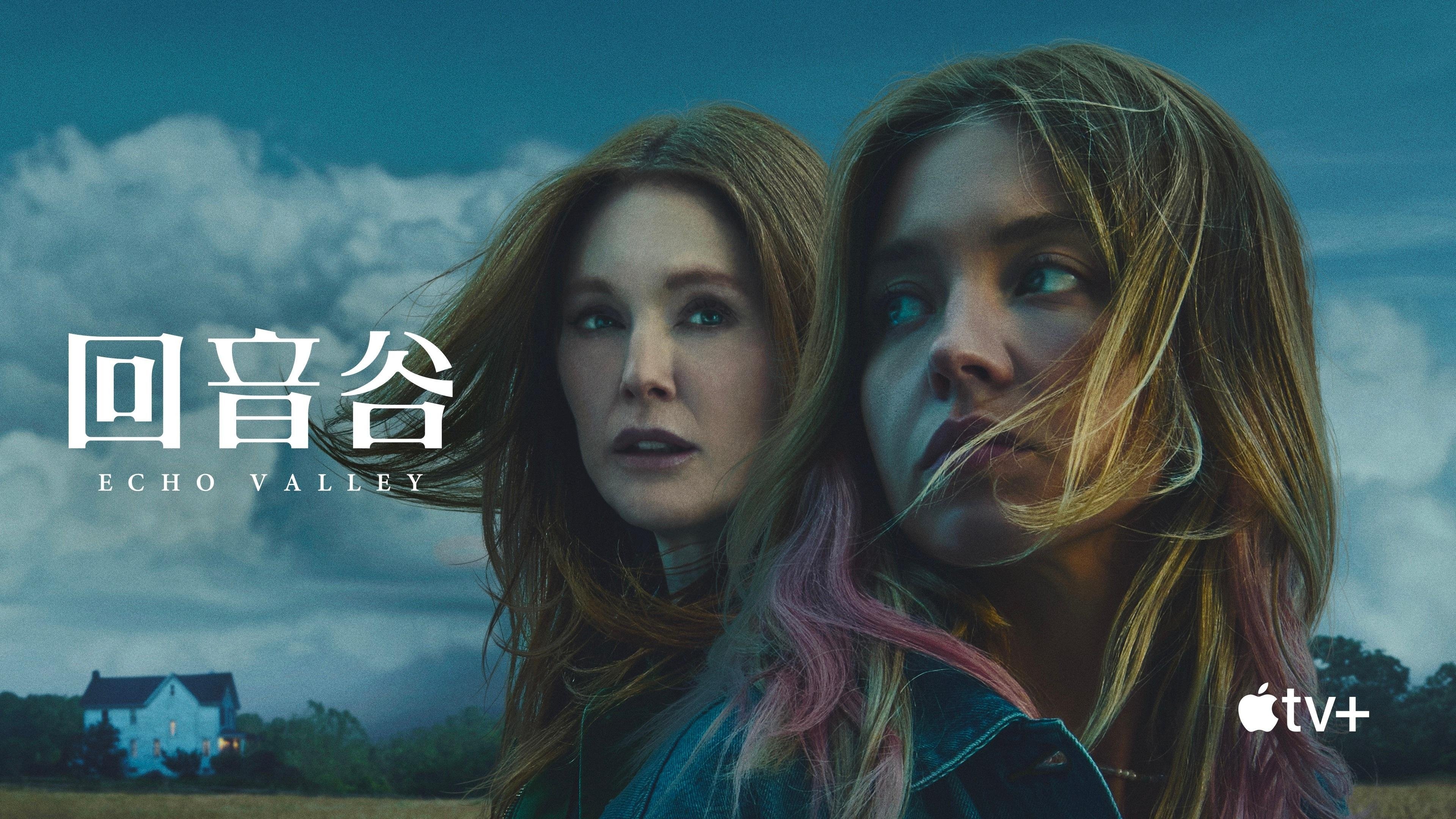
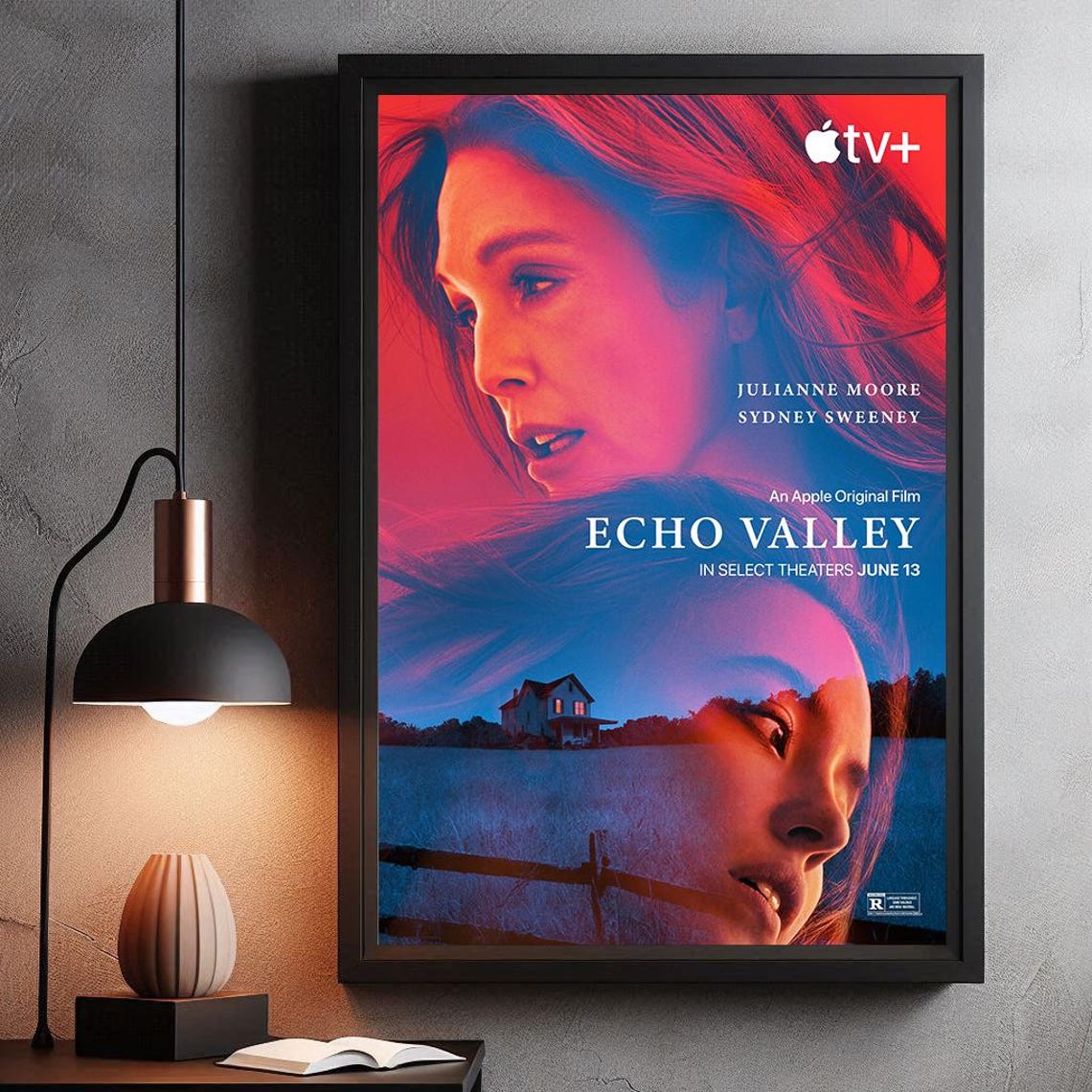
Echo Valley is a feature-length motion picture, not a television series or a limited serial drama. Despite the episodic nature of many modern streaming releases and the tendency for high-profile productions to be adapted into multi-par...
Echo Valley is a feature-length motion picture, not a television series or a limited serial drama. Despite the episodic nature of many modern streaming releases and the tendency for high-profile productions to be adapted into multi-part sagas, this specific project maintains a singular narrative structure designed for cinematic viewing. It functions as a complete, standalone story from inception to conclusion within a traditional film runtime.
Contents
Clarifying the Format of Echo Valley
In the current media landscape, audiences often encounter "limited series" or "event series" that mirror the production values of major motion pictures. This has led to frequent confusion regarding titles like Echo Valley, particularly when casting announcements or behind-the-scenes production updates hit social media. However, verify the format through industry-standard classifications: Echo Valley is produced and distributed as a feature film.
The distinction between a movie and a series is critical for viewers, critics, and industry professionals. A series relies on an episodic hook, character arcs spanning several hours of runtime, and a narrative structure that allows for pauses between episodes. A movie, conversely, is crafted for a singular, cohesive experience. The creative team behind Echo Valley structured the screenplay, pacing, and visual language to suit a standard film duration, ensuring that the thematic resolution occurs within the context of a single watch.
Distinguishing Feature Films from Episodic Content
To understand why the "movie vs. series" debate persists, one must look at how modern production studios (such as Apple Studios, which is involved in this project) handle high-budget dramas. Many streaming platforms utilize a "prestige" strategy where they blur the lines between theatrical films and serialized television.
When a title like Echo Valley is discussed, the ambiguity often stems from its high-budget, high-concept nature. Such projects often involve star-studded casts and intricate plots that would, in a different era, have been reserved for expansive miniseries. However, the designation remains clear in its development documents: it is a feature film designed for a focused theatrical or platform-based cinematic release.
Core Attributes of the Echo Valley Production
Echo Valley is characterized by its specific genre conventions and its commitment to a contained, intense narrative. Unlike a series, which must balance episodic "cliffhangers" to maintain audience retention across multiple weeks, Echo Valley employs the traditional three-act structure of cinema. This allows for a more tightly wound, urgent storytelling style that prioritizes immediate character stakes over the prolonged world-building found in serialized television.
| Attribute | Echo Valley (Film) | Typical Series |
|---|---|---|
| Narrative Scope | Contained/Standalone | Episodic/Expanded |
| Runtime | ~1.5 to 2.5 hours | Multi-hour/Multi-week |
| Structure | Three-act arc | Multi-arc/Season-based |
| Release Strategy | Single-batch viewing | Periodic/Weekly drops |
Why Misconceptions About Format Occur
Several factors contribute to why audiences might mistakenly categorize Echo Valley as a series:
- Streaming Platform Aggregation: Platforms often host both series and movies in the same library interface. When a film receives significant marketing spend, it appears with the same visual prominence as a new season of a flagship show.
- Casting Patterns: Many actors who traditionally worked exclusively in film now pivot between movies and high-end limited series. Audiences often associate these performers with "binge-worthy" content regardless of the actual format.
- Production Delays and Speculation: When a production period spans a long time, fans often speculate that the project has been "expanded" to a series to account for the depth of the story. In the case of Echo Valley, these rumors are strictly speculative and unsupported by official production data.
Production Constraints and Creative Intent
The decision to produce Echo Valley as a movie rather than a series is a strategic creative choice. Films allow for a level of visual density and stylistic consistency that is notoriously difficult to maintain over the long run of a TV series. By committing to a single film, the production team can focus on technical precision in cinematography and editing, ensuring every frame contributes to the specific emotional trajectory of the story without the filler often required to pad a series to a required episode count.
Furthermore, the budgetary allocation for a project of this scale often makes the movie format more financially sustainable. A series requires ongoing overhead for multiple scripts, long-term talent contracts, and recurring production setups. By condensing the narrative into a movie, the studio can focus resources on delivering high-impact production design and performances that are distinctively feature-length.
Frequently Asked Questions
Is there any chance Echo Valley will be expanded into a series? No current information suggests that the production has been transitioned into a series. The narrative is written and produced as a self-contained feature film. Any speculation regarding sequels or spin-offs remains unsubstantiated.
Does Echo Valley follow a multi-part storyline? Echo Valley is a standalone narrative. While it contains layers and character depth, it does not function as a multi-part saga that requires watching different segments to understand the fundamental plot of the main story.
Why do some databases list Echo Valley under "Coming Soon" alongside series? Streaming services and databases often aggregate "New Releases" based on release date rather than format. Seeing Echo Valley listed near television series is a function of release scheduling, not an indication that it shares the episodic format of those shows.
Where can I verify the status of Echo Valley? The most reliable way to verify the format is to check the official production notes or the press site of the production company or primary distributor, such as Apple Studios. These documents explicitly categorize the project as a "feature film."
Are there different versions of the film available? There is no evidence of a "series cut" or extended episodic version. The project is intended to be distributed and viewed in its singular, feature-length form.
Next Steps for Audiences
If you are planning to watch Echo Valley, approach it with the expectation of a feature film experience. Prepare for a cohesive, narrative-heavy event that reaches a logical and singular conclusion within the standard runtime of a movie. For those interested in the technical aspects of the film, keep an eye on official studio press releases for behind-the-scenes interviews with the director and cast, which provide deep dives into how they crafted such a concentrated story within the constraints of a single feature. Relying on official studio communications rather than community forums will ensure you receive the most accurate information regarding the release and nature of this project.
Image Gallery