The Comprehensive Injury Impact on the Philadelphia Eagles: 2026 Season Analysis
Injuries fundamentally reshape the Philadelphia Eagles' competitive ceiling, forcing significant tactical shifts in offensive schemes and defensive rotations. Beyond the immediate loss of individual talent, health setbacks trigger a ri...
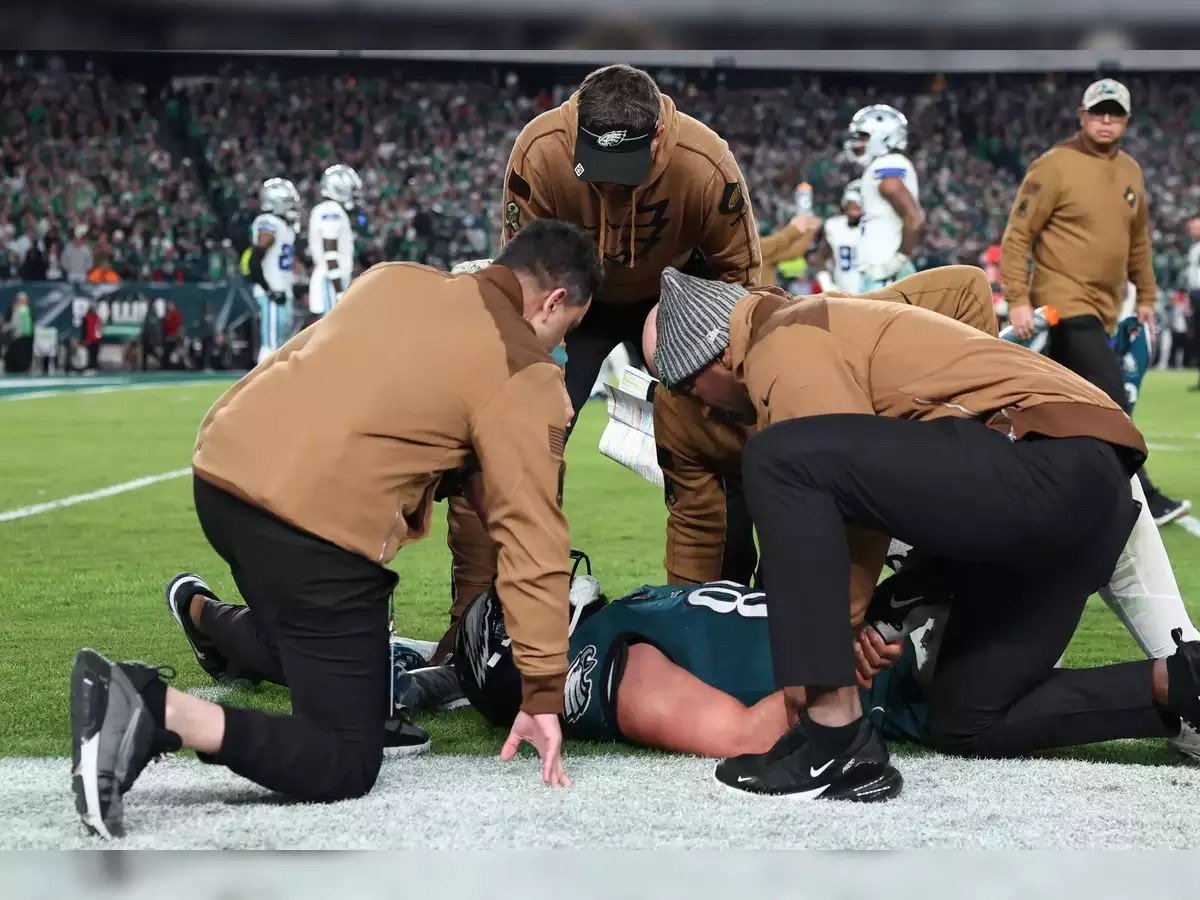
Injuries fundamentally reshape the Philadelphia Eagles' competitive ceiling, forcing significant tactical shifts in offensive schemes and defensive rotations. Beyond the immediate loss of individual talent, health setbacks trigger a ripple effect across the depth chart, impacting salary cap flexibility, practice squad elevations, and the team’s overall efficiency in high-stakes divisional matchups.
Contents
The Tactical Shift: How Injuries Alter the Eagles' Game Plan
In the high-velocity environment of the NFL in 2026, the Philadelphia Eagles' identity remains rooted in a dominant offensive line and a dual-threat passing attack. When a primary starter is sidelined, the impact is rarely a 1-to-1 replacement; rather, it is a structural transformation. For instance, an injury to a mobile quarterback like Jalen Hurts doesn't just change the passer; it effectively deletes the RPO (Run-Pass Option) and "Tush Push" elements from the playbook, which have been staples of the Philadelphia offense for years.
When the Eagles lose a key wide receiver, such as A.J. Brown or DeVonta Smith, the tactical pivot often involves moving from 11-personnel (one running back, one tight end, three receivers) to 12-personnel (two tight ends). This change aims to compensate for the loss of vertical threat by increasing pass protection and focusing on intermediate routes. However, this shift often allows opposing defensive coordinators to "stack the box," limiting the effectiveness of the run game. The "injury impact" is therefore a chain reaction: a loss at receiver leads to a more predictable run game, which in turn places more pressure on the remaining offensive line to hold blocks for longer durations.
The "Stoutland University" Factor: Offensive Line Continuity
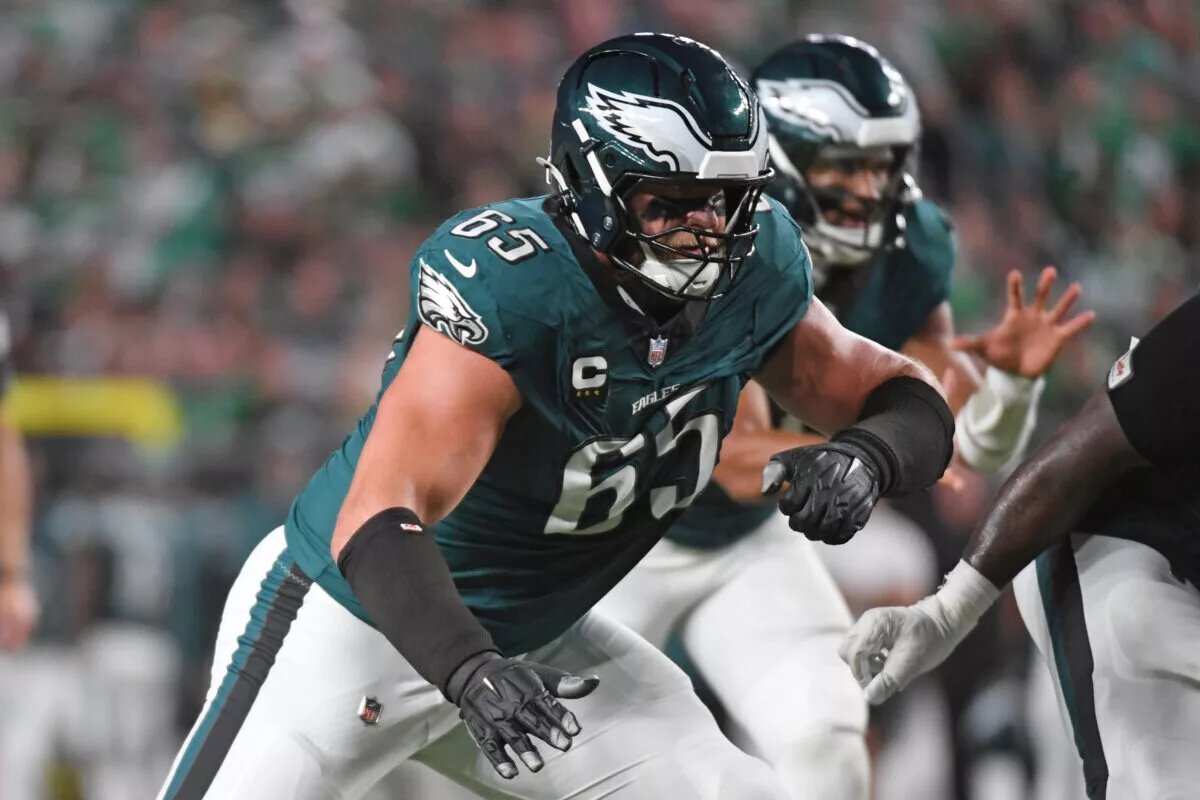
The Philadelphia Eagles have long been defined by their offensive line, coached by the legendary Jeff Stoutland. In 2026, the continuity of this unit remains the most critical variable in the team’s success. An injury to a blindside protector like Jordan Mailata or a veteran anchor like Lane Johnson creates a vacuum that even elite coaching struggles to fill.
The impact of an offensive line injury is measured in Pressure Rate and Time to Throw. When a backup tackle is forced into service, the Eagles often must keep a tight end or running back in to chip-block, effectively removing a potential receiver from the route progression. This reduces the quarterback's options and allows the defense to commit more players to coverage. Historically, the Eagles' win-loss record has correlated more closely with offensive line health than with almost any other position group, emphasizing that "depth" on the line is a necessity, not a luxury.
Defensive Rotations and the "Next Man Up" Philosophy
On the defensive side of the ball, the injury impact on the Eagles is often felt most acutely in the pass rush. The Eagles' defensive philosophy relies on a heavy rotation of edge rushers and defensive tackles to keep players fresh for the fourth quarter. When a key rotational piece or a star like Jalen Carter is sidelined, the remaining players are forced to take on a higher Snap Count Percentage.
This increased workload leads to late-game fatigue, which is often when games are won or lost in the NFC East. Furthermore, injuries in the secondary—specifically at the cornerback position—force the Eagles into "soft" zone coverages to protect less experienced depth players. This tactical retreat often results in a "bend-but-don't-break" defense that gives up high completion percentages, putting further strain on the Eagles' offense to outscore opponents in high-scoring shootouts.
Positional Impact Severity Matrix
The following table outlines how injuries at specific positions typically impact the Eagles' overall performance metrics based on historical and current 2026 data.
| Position Group | Immediate Tactical Change | Metric Most Affected | Depth Recovery Potential |
|---|---|---|---|
| Quarterback | Removal of RPO/Designed Runs | EPA per Play (Expected Points Added) | Low - High Volatility |
| Offensive Tackle | Increased "Chip" Blocking | Sack Rate / Pressure Percentage | Moderate - System Dependent |
| Wide Receiver | Shift to 12-Personnel / Tight End focus | Air Yards per Attempt | High - Scheme Flexibility |
| Defensive Line | Reduced Rotational Frequency | 4th Quarter Pressure Rate | Moderate - High |
| Secondary | Increased Zone/Prevent Coverages | Opponent Completion % | Low - High Risk |
Financial and Salary Cap Consequences of IR Stints
The "injury impact" is not confined to the grass of Lincoln Financial Field; it extends into the front office and the salary cap. When a player is placed on Injured Reserve (IR), their salary still counts against the cap, but the Eagles must often sign a replacement player to the active roster. This creates a "dead money" effect where the team is paying multiple players to occupy a single functional role.
In 2026, with the NFL salary cap continuing its upward trajectory, the management of these costs is vital. If a high-earning player suffers a season-ending injury early in the year, the Eagles may lose the "per-game roster bonuses" that are often built into modern contracts, but they may also face "Likely To Be Earned" (LTBE) incentive complications. Furthermore, if the team needs to trade for a replacement player at the deadline, they often have to sacrifice future draft capital, meaning an injury in 2026 can negatively impact the roster's talent level in 2027 and 2028.
The Role of Sports Science at the NovaCare Complex
To mitigate the injury impact, the Eagles have invested heavily in one of the league's most advanced sports science departments. Located at the NovaCare Complex, this department utilizes GPS tracking, biometric monitoring, and individualized recovery protocols.
- Load Management: During the 17-game (or potential 18-game) season, the Eagles monitor "player load" to identify athletes at high risk for soft-tissue injuries (hamstring, groin, calf).
- Preventative Rehabilitation: Players with a history of specific injuries undergo "pre-hab" routines designed to strengthen secondary muscle groups.
- Post-Game Recovery: Cryotherapy, hyperbaric oxygen therapy, and advanced hydrotherapy are standard requirements for the 2026 roster to ensure peak performance for short-week games (Thursday Night Football).
Despite these advancements, "contact injuries"—such as ACL tears or fractures—remain unavoidable. The goal of the sports science staff is to eliminate the "preventable" injuries, ensuring that when the Eagles are shorthanded, it is due to the inherent violence of the sport rather than poor preparation.
Historical Context: Learning from Past Volatility
The Eagles' history provides a roadmap for how injuries dictate a season's narrative. The 2017 season remains the gold standard, where the team lost their starting QB (Carson Wentz), Hall of Fame left tackle (Jason Peters), and primary linebacker (Jordan Hicks), yet still won Super Bowl LII. This was a testament to elite depth and coaching.
Conversely, the 2020 and 2023 seasons showed the dark side of the injury impact. In those years, a "cluster" of injuries—multiple starters in the same position group going down simultaneously—led to a collapse of the team's structural integrity. When the Eagles lose three starters in the secondary, for example, the defensive scheme becomes untenable regardless of how well the defensive line performs. The 2026 season strategy focuses heavily on avoiding these "positional clusters" by drafting versatile players who can play multiple roles (e.g., a tackle who can slide to guard, or a safety who can play nickel corner).
Advanced Metrics: Quantifying the Loss
In modern football analysis, the impact of an injury is quantified through WAR (Wins Above Replacement) and EPA (Expected Points Added). When a star like Saquon Barkley (if still active) or a successor lead back is injured, the Eagles' "Success Rate" on first down typically drops significantly.
Data from the first half of the 2020s suggests that an injury to an All-Pro caliber Eagle tackle results in an average loss of 0.15 EPA per dropback. While that number sounds small, over the course of a 60-play game, it represents a swing of nearly 10 points—often the difference between a comfortable win and a frustrating loss.
Frequently Asked Questions
How does the NFL's Injured Reserve (IR) rule work in 2026? As of 2026, teams can designate a specific number of players to return from IR after a minimum of four games. This allows the Eagles to be more strategic with "short-term" injuries (like high ankle sprains) versus season-ending surgeries. Players who return must be practicing for a designated window before being activated to the 53-man roster.
Does a "Questionable" tag on Friday usually mean the player will play? In the current NFL reporting climate, a "Questionable" tag typically indicates a 50/50 chance. However, for the Eagles, many veterans who miss Wednesday and Thursday practices for "Rest" are still listed on the report. The most telling indicator is often the Saturday walkthrough participation.
Which position group is the most "injury-sensitive" for the Eagles? The Offensive Line remains the most sensitive. Because the Eagles' offense relies on specific timing and "pulling" blocks from guards and centers, a single substitution can disrupt the rhythm of the entire unit. Unlike wide receivers, where a backup can still run a "clear-out" route, a backup offensive lineman must be perfectly synchronized with his teammates.
How do injuries affect the Eagles' betting odds and Vegas projections? Las Vegas oddsmakers typically shift the point spread by 1.5 to 4 points for a starting quarterback injury. For non-QB positions, the shift is usually smaller (0.5 to 1 point), unless it involves multiple starters in the same unit, which can trigger a "volatile" rating, often moving the total (over/under) rather than just the spread.
What is the "PUP" list, and how is it different from IR? The Physically Unable to Perform (PUP) list is for players who sustained football-related injuries before the start of training camp. If a player starts the regular season on the Active/PUP list, they must miss a mandatory number of games (usually four to six) before they can return to practice. Unlike IR, PUP is generally reserved for players recovering from long-term surgeries performed in the previous season.
Practical Recommendation for Fans and Analysts
When evaluating the injury impact on the Eagles, do not look at the names in isolation. Instead, analyze the "Positional Cluster." One injured starter at cornerback is manageable; two injured starters at cornerback combined with a lingering hamstring issue for the starting free safety is a recipe for a defensive collapse. Always check the "Practice Participation" reports on Thursdays, as that is the most statistically significant day for predicting Sunday availability.
Image Gallery