Choosing the Right Roofers in Marco Island, Florida: A Comprehensive Guide
Selecting the right roofer in Marco Island, Florida, requires verifying an active Florida Certified Roofing Contractor (CCC) license, confirming local Collier County permitting compliance, and checking for comprehensive general liabili...
Selecting the right roofer in Marco Island, Florida, requires verifying an active Florida Certified Roofing Contractor (CCC) license, confirming local Collier County permitting compliance, and checking for comprehensive general liability and workers' compensation coverage. Prioritize contractors experienced with High Wind-Borne Debris Region standards, coastal salt-corrosion protection, and Florida Building Code secondary water barrier mandates.
Contents
Understanding Marco Island's Coastal Roofing Requirements
Roofing on Marco Island presents environmental and regulatory challenges distinct from inland locations. Situated along the Gulf of Mexico in Southwest Florida, homes on Marco Island face intense solar radiation, high humidity, persistent salt mist, and severe wind events driven by tropical systems and hurricanes. As a result, choosing a roofing contractor is not merely a cosmetic or routine maintenance decision; it is a critical step in preserving your home's structural integrity and property value.
| Marco Island Roofing Environment |
|---|
| High Wind Speeds (160–170 mph design wind speeds) |
| Salt-Air Corrosion (Demands 316 stainless steel or coated fasteners) |
| Strict Permitting (City of Marco Island Building Services) |
| Secondary Water Barriers (Mandatory self-adhered underlayment) |
Wind Resistance and Building Code Standards
Under the current Florida Building Code, Marco Island falls within a High Wind-Borne Debris Region. Residential structures must be designed to withstand Ultimate Design Wind Speeds ($V_{ult}$) typically ranging between 160 mph and 170 mph, depending on the precise exposure category and building height.
Roofing systems installed here must possess valid Florida Product Approvals or Miami-Dade Notice of Acceptances (NOAs) that explicitly certify their wind-uplift resistance. A qualified local roofer must understand how to calculate these uplift pressures and select underlayment, adhesive, and attachment patterns that comply with these rigorous mechanical requirements.
Salt Spray and Thermal Stress Factors
The coastal environment creates constant exposure to airborne salt particles, which rapidly oxidize standard galvanized steel fasteners, valley metals, and flashings. Contractors operating on Marco Island must utilize salt-corrosion-resistant materials, such as 316-grade stainless steel fasteners, heavy-gauge aluminum, or copper flashings. Furthermore, intense year-round ultraviolet (UV) radiation accelerates the thermal degradation of roofing materials. Proper attic ventilation design and thermal expansion allowances are essential to prevent premature failure of tile, metal, or shingle assemblies.
Verifying Essential Contractor Credentials
Before soliciting quotes or signing contracts, homeowners must verify that prospective roofing companies meet all state and local regulatory standards. Operating as an unlicensed contractor in Florida during a declared state of emergency is a felony, making credential verification vital.
- State Licensing Checklist
- Certified Roofing Contractor (CCC)
- Statewide authorization
- Highest state testing standards
- Registered Roofing Contractor (RC)
- Limited to local jurisdiction
- Must meet local competency board
- Certified Roofing Contractor (CCC)
Florida State Licensing (CCC vs. RC)
In Florida, roofing contractors are licensed through the Florida Department of Business and Professional Regulation (DBPR). There are two primary license designations:
- Certified Roofing Contractor (CCC): This license allows the contractor to work anywhere within the state of Florida. It requires passing a rigorous statewide technical examination, proving financial stability, and demonstrating mandatory field experience.
- Registered Roofing Contractor (RC): This license limits the contractor’s operations to specific local jurisdictions where they have satisfied local competency requirements.
Always verify the status of a license directly on the DBPR public portal. Look for an "Active" status with no unresolved administrative complaints or disciplinary actions.
Insurance Minimums and Liability Protection
Roofing carries inherent risks. A reputable Marco Island contractor must maintain two distinct types of insurance:
- General Liability Insurance: Protects your property if the roofer causes accidental damage (e.g., a sudden storm inundating an exposed roof deck during construction). Homeowners should request a certificate of insurance listing them as an additional certificate holder, with coverage typically recommended at $1,000,000 or higher.
- Workers' Compensation Insurance: Under Florida Statute Chapter 440, construction businesses with one or more employees must carry workers' compensation insurance. Be cautious of contractors who claim their workers are "exempt." Sole proprietors or corporate officers may hold exemptions, but field crews physically working on your roof must be covered. If an uninsured worker falls on your property, liability could fall on your homeowner insurance policy.
Navigating Permitting and Local Governance
Roof replacement on Marco Island requires strict adherence to local administrative processes. Failing to pull proper permits can result in stop-work orders, steep fines, and uninsurable structures.
- Permit Application (City of Marco Island)
- Notice of Commencement (Collier County Clerk)
- In-Progress Inspection (Underlayment & Fasteners)
- Final Roofing Inspection & Certificate of Completion
City of Marco Island Building Services
The City of Marco Island operates its own Building Services Department, enforcing local amendments alongside the Florida Building Code. The contractor must submit a complete permit package before initiating work. This package includes:
- Detailed scope of work and roof plan dimensions.
- Manufacturer Product Approval numbers (FL#) for the underlayment, tiles, shingles, or metal panels.
- Architectural details for eaves, valleys, sidewall flashings, and ridge vents.
- Wind load engineering calculations where applicable.
Notice of Commencement (NOC) Requirements
Under Florida law, for any direct contract value exceeding $2,500, a Notice of Commencement (NOC) must be recorded with the Collier County Clerk of Circuit Court before work begins. The NOC protects property owners by establishing the legal timeframe for mechanics' liens and ensuring sub-contractors and material suppliers are tracked. The permit holder must post a certified copy of the NOC at the job site before the first city inspection.
Homeowners Association (HOA) and Architectural Review
Many residential developments on Marco Island—such as Hideaway Beach, Marco Beach Ocean Resort areas, and inland gated communities—are governed by strict Homeowners Associations (HOAs) or Condominium Associations. These organizations frequently restrict roof material types, profile shapes, and approved color palettes. The roofer must work with you to submit product samples and specification sheets to your local Architectural Review Committee (ARC) prior to permit approval.
Selecting Materials for Marco Island Roofs
Selecting the correct roofing material involves balancing aesthetic preferences, structural weight capacities, budget considerations, and wind resistance capabilities.
- Roofing Material Matrix
- Tile Roofing
- Concrete / Clay
- 30-50 Year Lifespan
- Heavy structural load
- Metal Systems
- Standing Seam Aluminum
- Superior Corrosion Resistance
- 160+ mph rated
- High-Wind Shingles
- Architectural / Impact
- Cost Effective
- 15-20 Year Lifespan
- Tile Roofing
Concrete and Clay Tile
Concrete and clay tiles are popular across Marco Island due to their Mediterranean aesthetic and thermal performance. Concrete tiles provide structural mass that resists extreme thermal transfers, keeping homes cooler during summer months.
However, tiles are heavy (weighing 900 to 1,200 pounds per square). When replacing a lighter roof with heavy tile, structural engineering verification is required. Furthermore, individual tile attachment methods must utilize approved mechanical fasteners or continuous two-component polyolefin adhesive foam systems designed to meet local wind uplift criteria.
Metal Roofing Systems
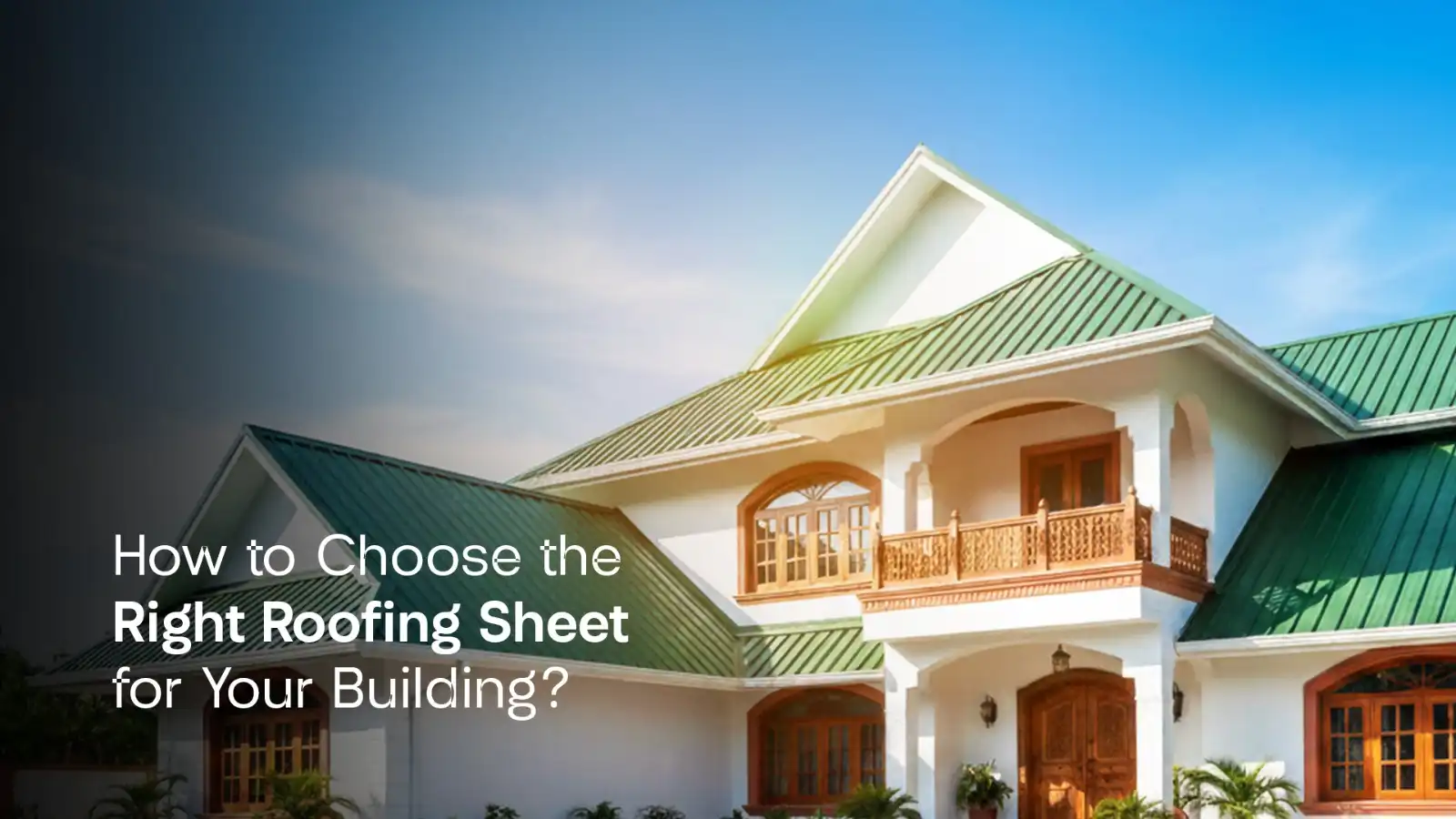
Metal roofing—specifically Standing Seam Aluminum—is considered an ideal choice for coastal Marco Island properties. Aluminum naturally resists rust when exposed to salt spray, making it superior to standard Galvalume steel near salt water. Standing seam systems conceal mechanical fasteners inside the interlocking ribs, eliminating exposed screw holes that could leak or corrode over time. While the upfront investment is higher, metal roofs feature exceptional wind resistance ratings (often exceeding 170 mph) and a operational lifespan of 40 to 50 years.
Architectural and Impact-Resistant Asphalt Shingles
For homeowners looking for a cost-effective solution, modern architectural asphalt shingles offer solid protection when properly specified. Select Class H wind-rated shingles (certified up to 110-130 mph) combined with enhanced perimeter mechanical fastening practices. In hurricane zones, shingles must feature high-wind starter strips, polymer-modified asphalt formulations, and high-performance synthetic underlayments. However, shingle roofs generally have a shorter operational lifespan (15 to 20 years) in Marco Island's intense heat compared to tile or metal.
Material Comparison for Coastal Collier County
The following table summarizes key performance characteristics of common roofing systems installed on Marco Island homes:
| Roofing Material | Typical Wind Resistance Rating | Salt-Air Corrosion Resistance | Expected Lifespan | Weight Load | Relative Initial Cost |
|---|---|---|---|---|---|
| Concrete Tile | 150 – 175 mph | Excellent | 30 – 50 Years | Heavy ($900–1200\text{ lbs/sq}$) | High |
| Clay Tile | 150 – 175 mph | Superior | 40 – 60+ Years | Heavy ($800–1000\text{ lbs/sq}$) | Very High |
| Standing Seam Aluminum | 160 – 180+ mph | Superior | 40 – 50 Years | Light ($100–150\text{ lbs/sq}$) | High |
| Galvalume Steel Metal | 150 – 170 mph | Moderate (Requires edge coating) | 25 – 35 Years | Light ($100–150\text{ lbs/sq}$) | Moderate to High |
| Impact Shingles (Class H) | 110 – 130 mph | Good (Glass fiber base) | 15 – 20 Years | Light ($200–300\text{ lbs/sq}$) | Moderate |
Step-by-Step Guide to Hiring a Marco Island Roofer
To protect your financial investment and ensure high-quality installation, follow this structured hiring framework.
- Step 1: On-Site Inspection & Structural Deck Assessment
- Step 2: Detailed Itemized Proposal Review
- Step 3: Verification of Credentials & Insurance Certificates
- Step 4: Permit Application & NOC Filing
- Step 5: Inspection Milestones & Lien Release Management
1. Request an On-Site Inspection and Written Assessment
A reliable contractor will not provide an estimate over the phone or rely solely on satellite imagery. They must physically inspect your roof deck, fascia, soffits, flashing points, and attic space. Ensure the roofer evaluates existing deck plywood thickness and structural attachment schedules, as Florida Building Code requires re-nailing roof sheathing to meet current ring-shank nail patterns during a re-roofing project.
2. Evaluate Itemized Written Estimates
Review the detailed line items in each bid. A comprehensive bid should explicitly list:
- Tear-off procedures and disposal fee inclusions.
- Roof deck repair/replacement unit pricing (e.g., cost per sheet of replacement CDX plywood).
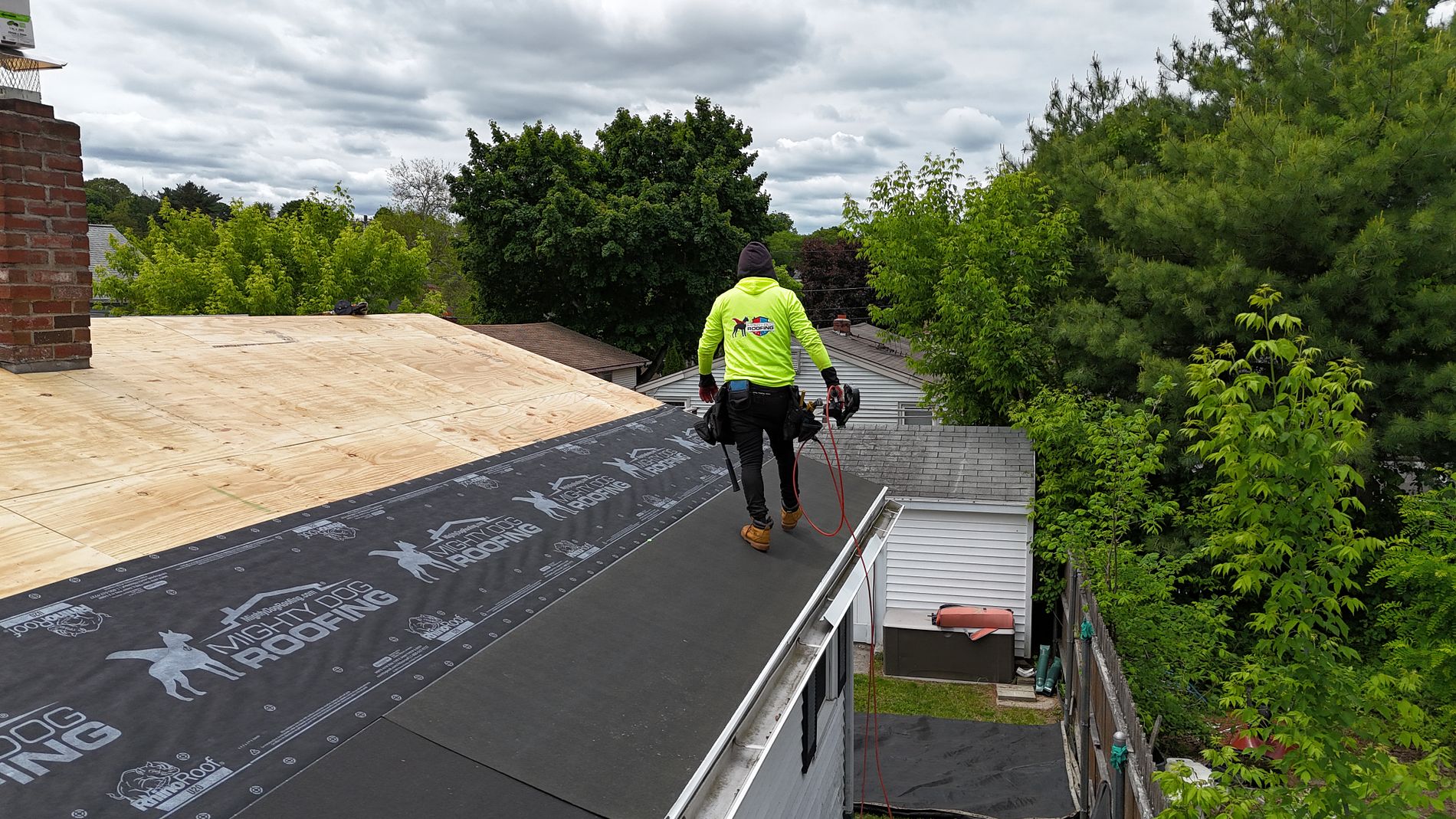
- Underlayment brand and type (e.g., self-adhering modified bitumen "peel-and-stick" secondary water barrier).
- Drip edge size, metal gauge, and material composition.
- Flashing configurations for chimneys, skylights, and plumbing vents.
- Manufacturer warranty coverage and contractor installation workmanship warranty details.
- Provision of a completed Uniform Mitigation Verification Inspection Form (OIR-B1-1802) upon completion for homeowners insurance discounts.
3. Verify Payment Terms and Lien Law Protections
Avoid contractors who demand large upfront cash deposits before materials arrive. In Florida, standard deposit arrangements typically range from 10% to 30% upon signing, with subsequent progress payments tied to verifiable milestones (e.g., material delivery, dried-in status inspection, and final city sign-off).
Under Florida Statute Chapter 713, property owners can be held liable for unpaid subcontractor or material supplier bills even if they have paid the prime contractor in full. To mitigate this risk:
- Require a Partial Release of Lien from the contractor and major suppliers with each progress payment.
- Obtain a signed Final Release of Lien from all involved parties prior to issuing final payment.
Critical Red Flags to Avoid
Protect your home by recognizing common industry red flags during your contractor search:
- Door-to-Door Storm Chasers: Out-of-state or out-of-area operators who canvas neighborhoods immediately following a storm, urging homeowners to execute broad insurance claims.
- Unwillingness to File Permits: Contractors who suggest performing work without pulling a permit from the City of Marco Island are operating illegally and compromising your home's insurability.
- Vague Material Specifications: Proposals that list generic terms such as "30-year tile" or "metal roof" without providing specific manufacturer names, series details, and Florida Product Approval (FL#) numbers.
- Requests for Direct Payment in Cash: Reputable contractors maintain business accounts, commercial banking relationships, and formal accounting processes.
Frequently Asked Questions
What specific license must a roofing contractor hold in Marco Island, Florida?
A roofer in Marco Island must hold either a state-issued Certified Roofing Contractor license (CCC) or a Registered Roofing Contractor license (RC) registered with Collier County and the City of Marco Island. You can verify licenses online through the Florida DBPR database. Always confirm that the license is active, free of unresolved complaints, and registered under the business name operating on your property.
Why is a secondary water barrier required for roof replacement in Southwest Florida?
The Florida Building Code mandates a secondary water barrier (SWB) for residential re-roofs. This typically involves applying a self-adhered polymer-modified bitumen sheet ("peel-and-stick") directly to the clean wooden roof deck or sealing all sheathing joints with approved tape before installing underlayment. The SWB ensures that if high hurricane winds detach the outer tile, shingle, or metal layer, water cannot penetrate the roof sheathing into your living space.
How long does a standard roof replacement take on Marco Island?
For an average single-family home on Marco Island, an asphalt shingle roof replacement takes 2 to 4 days, while a tile or standing seam metal replacement takes 1 to 3 weeks. Actual timelines depend on weather conditions, structural deck repairs, city inspection availability, and material lead times.
Will a new roof lower my Marco Island homeowners insurance rates?
Yes. Installing a new roof that complies with current Florida Building Code standards usually qualifies you for windstorm mitigation discounts on your homeowners insurance policy. Upon project completion, your contractor or a licensed inspector should provide a certified Wind Mitigation Inspection Report (Form OIR-B1-1802) showing updated roof deck attachment, secondary water barrier installation, and high-wind cover ratings.
How do I check if a contractor has active Workers' Compensation insurance?
You can verify a contractor's Workers' Compensation coverage using the Florida Department of Financial Services Division of Workers' Compensation online database (Proof of Coverage database). Request a certificate of insurance issued directly by the contractor's insurance broker, naming you as the certificate holder, to confirm coverage remains active throughout your project window.
Final Recommendation: Next Actions for Homeowners
To ensure a successful roofing project on Marco Island:
- Verify Licensing: Visit the Florida DBPR portal to confirm that your prospective contractor holds an active CCC or RC license.
- Request Insurance Certificates: Require proof of general liability ($1M+ minimum) and active workers' compensation insurance directly from the agent of record.
- Obtain Multiple Written Bids: Collect detailed, itemized bids from at least three established local roofing companies featuring physical office addresses in Collier County.
- Confirm Permitting: Ensure the contractor assumes explicit responsibility for securing permits through the City of Marco Island Building Services Department and filing the Notice of Commencement with Collier County.
- Secure Lien Waivers: Include partial and final lien release clauses in your contract to shield your property from supplier and subcontractor claims.
Image Gallery