Indiana Time Change Map: A Comprehensive Guide to Counties and Time Zones
Indiana operates on two different time zones, creating a unique geographic and logistical landscape for residents and travelers. While the majority of the state observes Eastern Time, 12 counties located in the northwest and southwest...
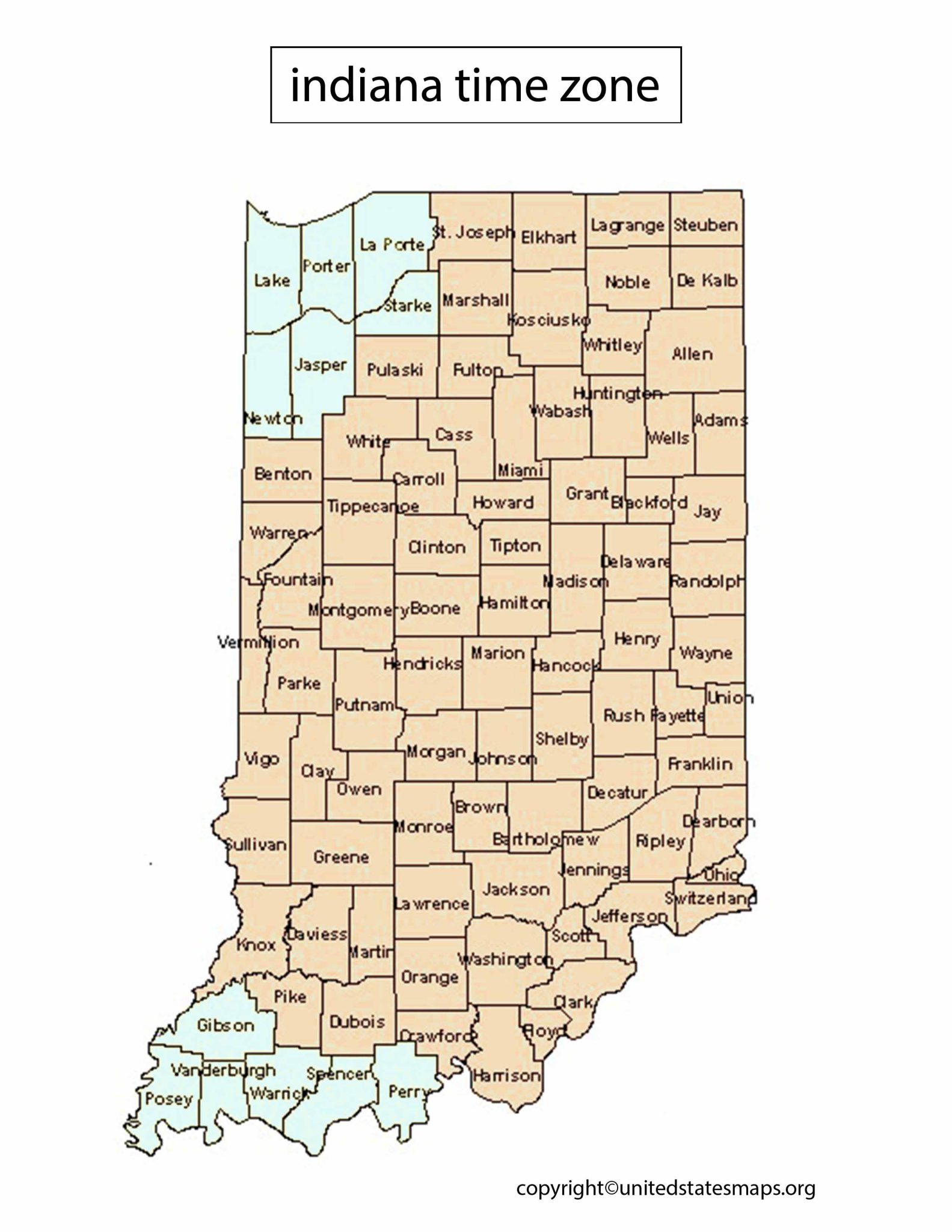
Indiana operates on two different time zones, creating a unique geographic and logistical landscape for residents and travelers. While the majority of the state observes Eastern Time, 12 counties located in the northwest and southwest corners follow Central Time. Since 2006, the entire state has observed Daylight Saving Time, meaning all Indiana clocks change simultaneously twice a year, despite being set to different hours.
Contents
Understanding the Indiana Time Zone Split
The Indiana time change map is defined by a division that places 80 counties in the Eastern Time Zone and 12 counties in the Central Time Zone. This division is not arbitrary; it is governed by the U.S. Department of Transportation (DOT), which holds federal authority over time zone boundaries under the Uniform Time Act of 1966. The primary factor in determining these boundaries is the "convenience of commerce," essentially looking at where residents shop, work, and consume media.
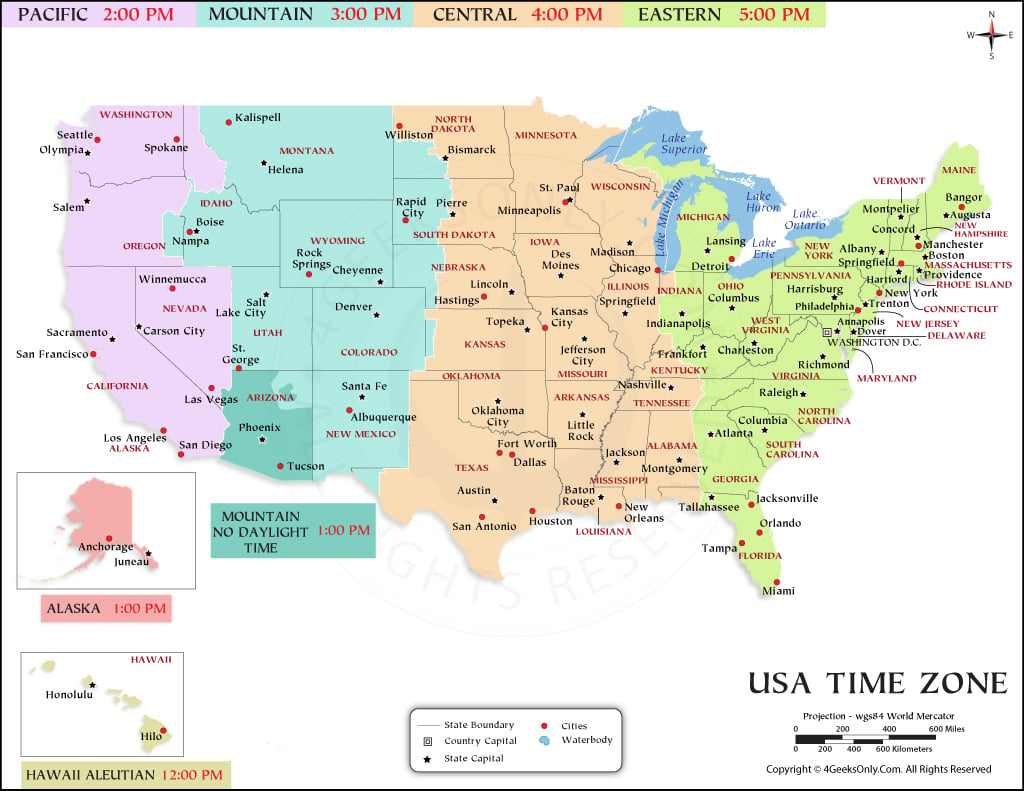
For decades, Indiana’s time situation was among the most complex in the United States. Before 2006, most of the state remained on Eastern Standard Time year-round, refusing to "spring forward" or "fall back." This meant that for half the year, Indianapolis was on the same time as New York City, and for the other half, it matched Chicago. This created significant confusion for interstate commerce, television broadcasting, and travel. Today, while the split remains, the state-wide observance of Daylight Saving Time (DST) has standardized the rhythm of the clock changes, even if the "noon" hour occurs at different times across the state line.
The 12 Counties on Central Time
The counties that observe Central Time are clustered in two distinct regions: the Northwest (near Chicago) and the Southwest (near Evansville). These areas are economically and socially integrated with neighboring states that utilize Central Time.
The Northwest Cluster (Gary/Chicago Metropolitan Area)
The following six counties in Northwest Indiana operate on Central Time due to their proximity to Chicago:
- Lake County: Home to Gary and Hammond, this is the most populous county in the cluster.
- Porter County: Includes Valparaiso and Indiana Dunes.
- LaPorte County: Home to Michigan City.
- Newton County: A largely rural county bordering Illinois.
- Jasper County: Located south of Lake and Porter.
- Starke County: The easternmost county in the northwest Central cluster.
These counties are heavily influenced by the Chicago labor market. Thousands of residents commute daily into Illinois, and the regional economy is inextricably linked to the Chicago metropolitan area's schedules.
The Southwest Cluster (Evansville Metropolitan Area)
The following six counties in Southwest Indiana operate on Central Time, influenced by their ties to Western Kentucky and Southern Illinois:
- Vanderburgh County: The hub of the region, containing Evansville.
- Warrick County: Part of the Evansville metro area.
- Posey County: The southernmost tip of Indiana.
- Gibson County: Home to significant manufacturing, including Toyota.
- Spencer County: Home to Santa Claus, Indiana.
- Perry County: Bordering the Ohio River and Kentucky.
Indiana Time Zone Map Data by County
The following table outlines the time zone designations for key counties across Indiana to help clarify the geographic distribution.
| County | Major City | Time Zone | Observes DST? |
|---|---|---|---|
| Marion | Indianapolis | Eastern | Yes |
| Allen | Fort Wayne | Eastern | Yes |
| Lake | Gary / Hammond | Central | Yes |
| St. Joseph | South Bend | Eastern | Yes |
| Vanderburgh | Evansville | Central | Yes |
| Hamilton | Carmel / Noblesville | Eastern | Yes |
| Porter | Valparaiso | Central | Yes |
| Tippecanoe | Lafayette | Eastern | Yes |
| Vigo | Terre Haute | Eastern | Yes |
| LaPorte | Michigan City | Central | Yes |
| Elkhart | Elkhart | Eastern | Yes |
| Monroe | Bloomington | Eastern | Yes |
| Clark | Jeffersonville | Eastern | Yes |
| Warrick | Boonville | Central | Yes |
A Chronological History of Indiana’s Time Controversy
To understand the current Indiana time change map, one must look at the legislative battles that spanned nearly a century. The conflict between "farm time" and "city time" defined Indiana politics for generations.
The Early 20th Century and the 1966 Uniform Time Act
In 1918, the United States first adopted Daylight Saving Time to conserve fuel during World War I. Following the war, the practice became a local option, leading to a patchwork of time zones. In 1966, the federal government passed the Uniform Time Act to standardize the dates of time changes. Indiana, however, remained a holdout.
For much of the late 20th century, Indiana was divided into three distinct zones:
- Northwest and Southwest corners on Central Time (observing DST).
- Southeast counties near Cincinnati and Louisville on Eastern Time (observing DST).
- The "Mainland" (central and northern Indiana) on Eastern Standard Time year-round (no DST).
The 2005 Legislative Shift
The confusion reached a breaking point in the early 2000s. Businesses complained about the difficulty of scheduling meetings with out-of-state partners, and parents expressed frustration over changing television schedules. In 2005, then-Governor Mitch Daniels pushed for a unified time system as part of an economic development initiative.
The Indiana General Assembly narrowly passed Senate Bill 127, which mandated that the entire state observe Daylight Saving Time starting in April 2006. The law did not determine which time zone the state would be in; rather, it left the final boundary decisions to the U.S. Department of Transportation.
The DOT Petitions of 2006-2007
Following the state law, several counties petitioned the DOT to move from Eastern to Central Time. Initially, eight counties (Starke, Pulaski, Martin, Daviess, Dubois, Knox, Pike, and Perry) were moved to Central Time in 2006. However, after realizing the logistical difficulties of being separated from the Indianapolis-based state government and commerce, most of these counties (except Starke and Perry) eventually petitioned to move back to Eastern Time by 2007.
Navigating the Time Change: Practical Tips for Travelers
For those traveling across Indiana, the time change is more than just a curiosity; it requires careful planning to avoid missing appointments or transportation connections.
- Watch the "Time Zone Wall": When traveling on I-65 South from Indianapolis to Gary, you will cross from Eastern to Central Time near the Jasper/White county line. Your smartphone will typically update automatically, but manual watches will need a one-hour adjustment backward.
- State Government Operations: All state government offices, including the Indiana Statehouse and major agencies in Indianapolis, operate on Eastern Time. If you live in Evansville (Central Time) and have a 10:00 AM meeting in Indianapolis, you must leave early enough to account for the one-hour "loss" when heading east.
- Cross-Border Commuting: If you work in a different zone than you live—a common occurrence for residents of LaPorte or Jasper counties—it is highly recommended to keep your digital calendars set to the "Work Zone" to prevent scheduling errors.
- The "South Bend Exception": While South Bend (St. Joseph County) is very close to the Michigan border and the Central Time boundary, it remains firmly on Eastern Time. Travelers coming from Chicago to a Notre Dame football game must remember they will "lose" an hour during the drive.
Economic and Social Impacts of the Split
The split in the Indiana time change map has profound implications for various sectors of the state's economy.
Logistics and Transportation
Indiana is known as the "Crossroads of America." With major freight corridors like I-70, I-65, and I-80/94 passing through, the time split affects trucking logs and delivery windows. Fleet managers must account for the one-hour difference when calculating driver "Hours of Service" (HOS) to ensure federal compliance.
Media and Broadcasting
The split affects when "Prime Time" television begins. In Indianapolis (Eastern), Prime Time starts at 8:00 PM. In Gary or Evansville (Central), it starts at 7:00 PM. This affects local news broadcasts and advertising rates, as viewing habits differ based on the hour.
Agriculture
Farmers were historically the strongest opponents of Daylight Saving Time. The shift means that in the summer, the sun does not set in some Eastern Time counties until nearly 10:00 PM. While this provides more evening light for field work, it can complicate the morning routines of livestock farmers who must coordinate with processors and shippers who may be on different schedules.
The Role of the U.S. Department of Transportation (DOT)
It is a common misconception that the Indiana Governor or the State Legislature can unilaterally move a county from one time zone to another. Under the Uniform Time Act, only the Secretary of Transportation can move a boundary.
The process involves:
- A Formal Petition: The County Commissioners must vote to request a change.
- Evidence of Commerce: The county must prove that its "convenience of commerce" is better served by the move. This includes data on commuting patterns, hospital usage, and retail trade.
- Public Hearings: The DOT often holds local hearings to gather testimony from residents.
- Federal Rulemaking: If the DOT agrees, they issue a formal rule in the Federal Register.
Frequently Asked Questions
Which Indiana counties are in the Central Time Zone?
There are 12 counties on Central Time. In the northwest: Lake, Porter, LaPorte, Newton, Jasper, and Starke. In the southwest: Vanderburgh, Warrick, Posey, Gibson, Spencer, and Perry. All other 80 Indiana counties use Eastern Time.
Does all of Indiana change clocks for Daylight Saving Time?
Yes. Since 2006, the entire state of Indiana observes Daylight Saving Time. On the second Sunday in March, everyone moves their clocks forward one hour. On the first Sunday in November, everyone moves their clocks back one hour.
Why is Indianapolis on Eastern Time instead of Central?
Indianapolis is located in the center of the state and has strong economic ties to the East Coast and major regional hubs like Columbus, Ohio, and Louisville, Kentucky. Staying on Eastern Time aligns the state capital with the majority of the U.S. population and financial markets.
What happens if I live on the border of a time zone in Indiana?
Living on the border often requires "double-checking" every appointment. Most residents in these areas keep their home clocks on the local zone but are acutely aware of the "other" time. Digital devices with GPS generally handle the switch automatically, but proximity to cell towers in a different zone can sometimes cause a phone to display the wrong time.
Has there been any recent movement to put all of Indiana on one time zone?
While there are occasional grassroots efforts and legislative bills introduced to move the entire state to Central Time or to abolish DST, none have gained significant traction since the 2006 change. The current split, while sometimes inconvenient, reflects the diverse economic pull of Chicago in the north and the Ohio River valley in the south.
Practical Recommendation
When traveling or doing business across Indiana in 2026, the most reliable way to stay on schedule is to use the "World Clock" feature on your mobile device. Add both Indianapolis (Eastern) and Evansville or Chicago (Central) to your list of monitored cities. If you are planning a trip through the "Time Zone Wall" (the boundary lines in the NW or SW), always confirm the time zone of your destination when booking reservations or scheduling deliveries. For the most current official boundaries, refer to the U.S. Department of Transportation's time zone maps.
Image Gallery