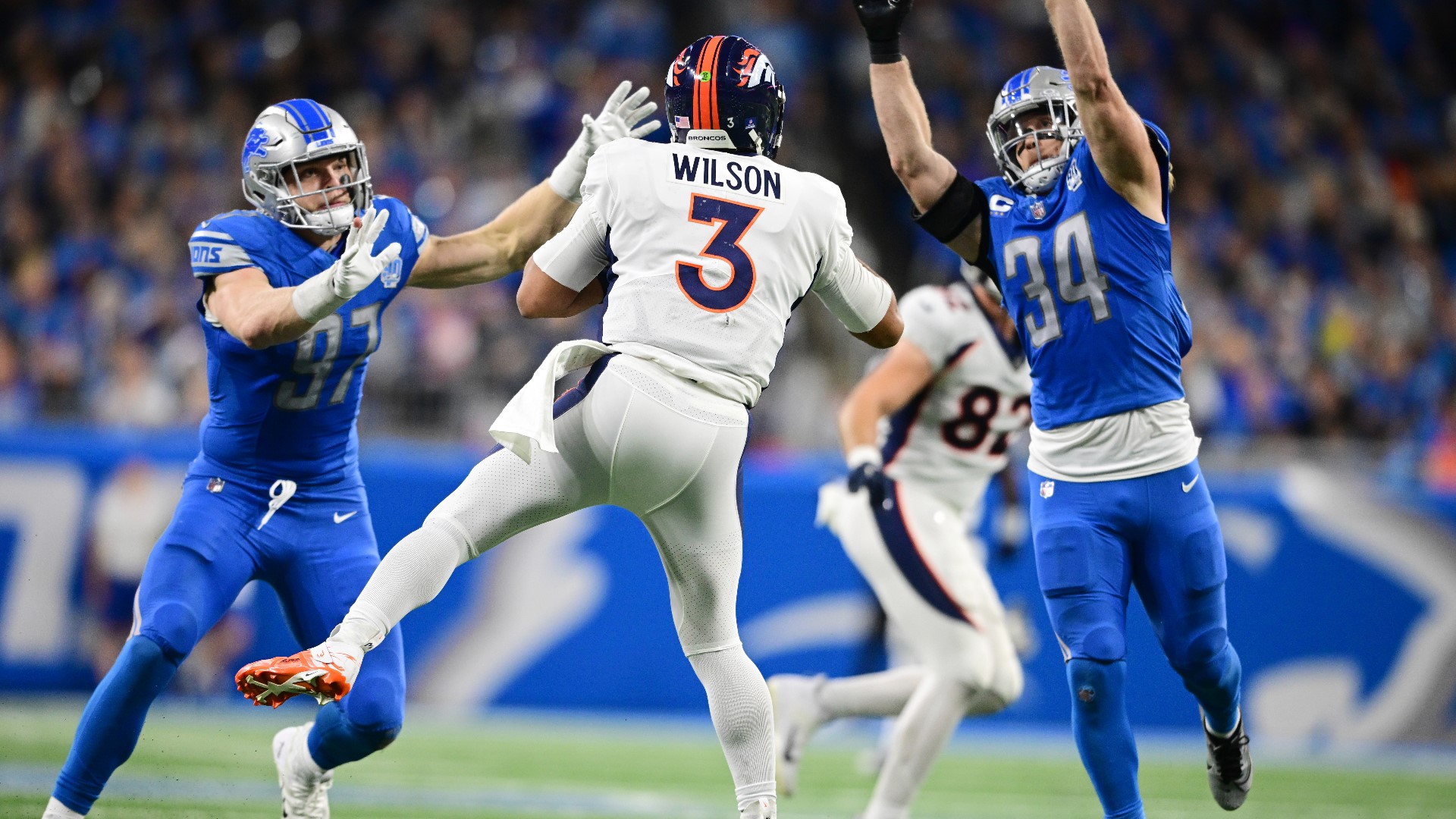
Understanding the Russell Wilson Tenure with the Denver Broncos: A Strategic Analysis
Russell Wilson’s three-season tenure with the Denver Broncos stands as a defining chapter in the franchise’s post-Super Bowl 50 history. Arriving in 2022 via a high-profile trade from the Seattle Seahawks, Wilson signed a significant f...
Russell Wilson’s three-season tenure with the Denver Broncos stands as a defining chapter in the franchise’s post-Super Bowl 50 history. Arriving in 2022 via a high-profile trade from the Seattle Seahawks, Wilson signed a significant five-year contract extension, intending to stabilize the quarterback position. His time in Denver was marked by substantial financial investment, coaching transitions, and ultimately, a premature conclusion to the partnership in early 2024, leaving a lasting impact on the organization’s salary cap structure and roster strategy through the 2026 season.
Contents
The Context of the 2022 Acquisition
In March 2022, the Denver Broncos executed a landmark trade to acquire Russell Wilson, seeking to end a revolving door of quarterbacks that had plagued the team since Peyton Manning’s retirement. The trade sent two first-round picks, two second-round picks, a fifth-round pick, quarterback Drew Lock, defensive lineman Shelby Harris, and tight end Noah Fant to the Seattle Seahawks.
Expectations for the immediate impact were immense. Following the trade, the organization signed Wilson to a five-year, $242.6 million contract extension. This deal included $161 million in guaranteed money, establishing Wilson as one of the highest-paid players in the National Football League at the time. The objective was clear: secure a veteran leader to command an offense capable of competing in the difficult AFC West.
Performance and Coaching Transitions
Wilson’s first season in 2022 coincided with the tenure of first-year head coach Nathaniel Hackett. The offense struggled significantly, failing to consistently reach the end zone and ranking among the lowest-scoring units in the league. Wilson recorded 16 passing touchdowns and 11 interceptions, as the team finished with a 5-12 record.
The 2023 season brought a fundamental shift in leadership with the hiring of head coach Sean Payton. Under Payton’s system, there was an initial emphasis on efficiency and reducing turnovers. While Wilson’s statistical output improved—resulting in 26 passing touchdowns against 8 interceptions—the team’s offensive rhythm remained a point of internal and external scrutiny. The Broncos finished the 2023 season with an 8-9 record, failing to qualify for the postseason. Following a Week 17 benching, the organization formally announced in early 2024 that it would release Wilson, signaling a complete change in direction for the franchise.
Financial Implications and Salary Cap Impact
The end of the relationship between Russell Wilson and the Denver Broncos triggered one of the largest "dead money" charges in NFL history. Because of the structure of the extension signed in 2022, the Broncos were forced to account for the remaining unamortized signing bonus and guaranteed salary after his departure.
This financial reality shaped the Broncos' strategy through the 2024, 2025, and 2026 seasons. By absorbing a significant portion of the dead cap hit, the team prioritized long-term salary cap flexibility over short-term roster spending. This necessitated a period of austerity, focusing on younger, cost-controlled talent through the draft rather than pursuing high-priced free agents. For the 2026 season, the organization has largely cleared the books of these specific obligations, allowing for a return to a more traditional approach to team-building and contract negotiations.
Comparative Overview: The Broncos Quarterback Trajectory
| Phase | Strategic Focus | Primary Objective | Organizational Outcome |
|---|---|---|---|
| 2022 Season | Veteran Integration | Immediate contention | Offensive stagnation; 5-12 record |
| 2023 Season | Coaching Alignment | System implementation | Improved efficiency; 8-9 record |
| 2024-2025 | Cap Reconciliation | Debt clearance | Roster transition; financial reset |
| 2026 Season | Long-term Stability | Sustainable growth | Cap flexibility; youth development |
Strategic Lessons for Franchise Management
The tenure of Russell Wilson serves as a modern case study in the risks of aggressive roster construction. The primary takeaway for the Broncos organization has been the importance of structural alignment between the coaching staff and the starting quarterback. When the scheme does not match the player’s strengths—or when contract guarantees prevent the ability to pivot—the resulting dead cap space can hinder a team’s competitiveness for multiple seasons.
Moving into 2026, the Denver Broncos have shifted their internal philosophy. The focus has moved away from high-stakes trades for veteran signal-callers toward cultivating an identity based on depth, defensive consistency, and the development of homegrown talent. This pivot acknowledges the reality that while elite quarterback play is necessary for deep playoff runs, the cost of acquiring and maintaining such players requires a balanced approach to the overall salary cap.
Frequently Asked Questions
Did Russell Wilson play for the Broncos in 2026?
No. Russell Wilson was released by the Denver Broncos prior to the start of the 2024 season. He signed with the Pittsburgh Steelers thereafter, and he is not part of the Denver Broncos roster for the 2026 season.
How much dead money did the Broncos incur?
The Broncos incurred significant dead money charges across the 2024 and 2025 league years as a direct result of releasing Wilson. By the 2026 season, the financial impact of that contract has been largely reconciled, allowing the team to operate with standard salary cap flexibility.
Why was Wilson released after only two seasons?
The decision was driven by a combination of the team’s failure to achieve on-field success and the impending guarantee dates on Wilson’s contract. By releasing him, the organization avoided further financial commitments, allowing them to initiate a total rebuild of the offense under their current coaching staff.
What are the main benefits of the 2026 cap status?
By 2026, the team has transitioned away from the massive dead cap hits incurred in the previous two years. This shift allows the front office to be active in free agency, retain core veteran players, and manage roster depth more effectively than during the transition period of 2024-2025.
Next Steps for Broncos Supporters
For followers of the franchise, the 2026 season represents a period of stability following a turbulent half-decade. With the financial complications of the 2022 trade resolved, the team’s performance now rests on the success of its current coaching staff and player development programs. Monitoring the team’s draft performance and free agency signings in the coming months will provide the clearest indicator of how the organization is choosing to utilize its newfound financial freedom.
Image Gallery