Best High Yield ETFs for Savvy Investors in 2026
High-yield ETFs for savvy investors prioritize sustainable distributions and total return over temporary payout spikes. In 2026, the most effective strategies involve a combination of dividend growth funds like SCHD, derivative-income...
High-yield ETFs for savvy investors prioritize sustainable distributions and total return over temporary payout spikes. In 2026, the most effective strategies involve a combination of dividend growth funds like SCHD, derivative-income vehicles such as JEPI, and specialized credit-based ETFs. These tools allow investors to generate consistent cash flow while mitigating the capital erosion risks common in high-payout structures.
Contents
The Evolution of High-Yield Investing in 2026
The investment landscape of 2026 has moved far beyond the traditional "60/40" portfolio. For the savvy investor, high yield no longer refers simply to long-term government bonds or high-dividend utilities. Instead, it encompasses a sophisticated array of instruments designed to extract income from equity volatility, corporate credit spreads, and dividend compounding.
The primary challenge for income-seekers today is the "yield trap"—a scenario where an extremely high distribution rate masks a declining net asset value (NAV). Savvy investors distinguish themselves by focusing on total return, which combines price appreciation with yield. By analyzing the underlying methodology of an ETF—whether it uses a strict rules-based dividend screen or an active derivative overlay—investors can build a resilient portfolio that provides "pension-like" income without sacrificing long-term wealth.
Core Dividend Growth: The Foundation of Income
For many experienced investors, the "gold standard" of high-yield investing remains the dividend growth category. These funds do not necessarily target the highest absolute yield today; instead, they target companies with the financial health to increase payouts over time.
Schwab US Dividend Equity ETF (SCHD)
SCHD remains a cornerstone for savvy portfolios due to its rigorous screening process. It tracks the Dow Jones U.S. Dividend 100™ Index, focusing on the fundamental strength of the balance sheet rather than just the dividend check.
- Methodology: The fund filters for cash flow-to-total debt, return on equity (ROE), and dividend yield, followed by a five-year dividend growth rate requirement.
- Why it’s "Savvy": In 2026, the fund's emphasis on quality ensures that even during periods of market volatility, the underlying holdings possess the liquidity to maintain operations and distributions.
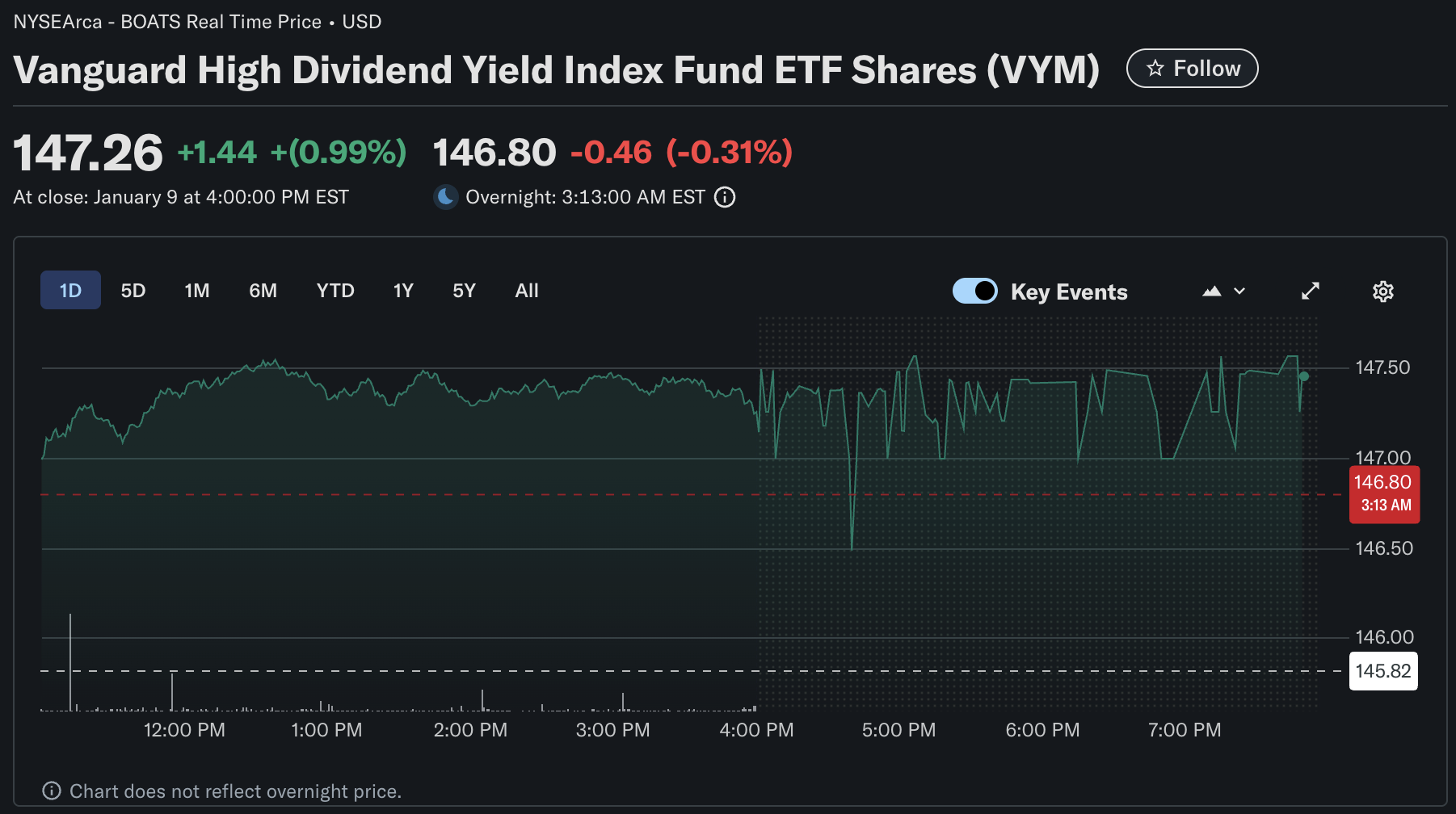
Vanguard High Dividend Yield ETF (VYM)
VYM provides a broader exposure to the high-yield space by tracking the FTSE® High Dividend Yield Index. It excludes Real Estate Investment Trusts (REITs), which can simplify tax reporting for investors holding the fund in taxable accounts.
- Role in a Portfolio: VYM serves as a low-cost "beta" play for high-yield equities. With an expense ratio that remains among the lowest in the industry, it is a highly efficient way to capture the performance of large-cap value stocks.
Derivative-Income ETFs: Generating Yield from Volatility
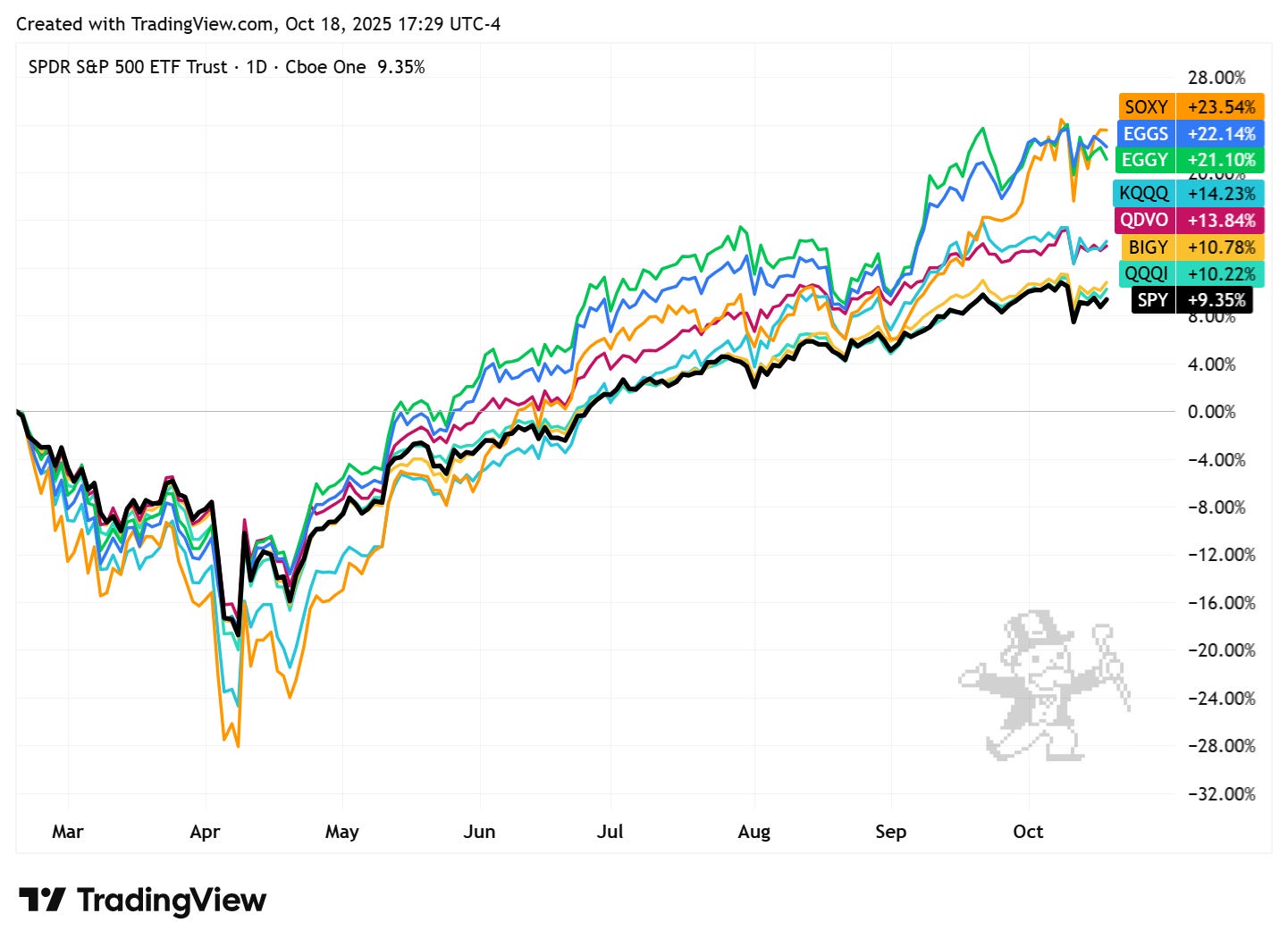
A significant development in the mid-2020s has been the maturation of the "yield enhancement" or "covered call" ETF. These funds use derivative strategies to generate income that would be impossible to achieve through dividends alone.
JPMorgan Equity Premium Income ETF (JEPI)
As one of the largest active ETFs in existence by 2026, JEPI has proven its utility through various market cycles. It seeks to provide a significant portion of the S&P 500's returns with lower volatility.
- How it Works: The fund invests in a defensive equity portfolio and sells out-of-the-money S&P 500 Index call options through Equity Linked Notes (ELNs).
- Savvy Application: JEPI is best used as a "volatility dampener." It converts market turbulence into monthly cash flow, making it ideal for investors who are in or near the distribution phase of their financial lifecycle.
Amplify CWP Strategic Focus Equity ETF (DIVO)
Unlike "mechanical" covered call funds that sell options on the entire index, DIVO uses an active management approach. The managers selectively write covered calls on individual blue-chip stocks when they believe the option premiums are attractive.
- Benefit: This tactical approach allows for more participation in the upside of the underlying stocks compared to funds like JEPI or QYLD, which can sometimes "cap" growth during bull markets.
Specialized Credit and Alternative Yield
To achieve yields in the 7% to 10% range in 2026, savvy investors often look toward the credit markets or specialized corporate structures like Business Development Companies (BDCs).
VanEck BDC Income ETF (BIZD)
This ETF tracks an index of BDCs, which are essentially private equity firms for the retail investor. BDCs provide debt and equity financing to small and mid-sized businesses.
- Income Profile: Because BDCs are required to distribute at least 90% of their taxable income to shareholders, the yields are exceptionally high.
- Risk Mitigation: The "savvy" move here is diversification. By holding BIZD rather than individual BDCs, investors protect themselves against the default of a single underlying company or a management failure at a specific BDC.
SPDR Bloomberg High Yield Bond ETF (JNK)
While equity-based yield is popular, corporate credit remains a vital component of an income strategy. JNK provides exposure to "junk" bonds, which offer higher interest rates to compensate for higher default risk.
- Current Context: In 2026, with corporate credit spreads remaining a key indicator of economic health, savvy investors use JNK to play the middle of the credit cycle, often rotating out of it when recessionary signals peak.
Comparison of Top High-Yield ETFs (2026 Data)
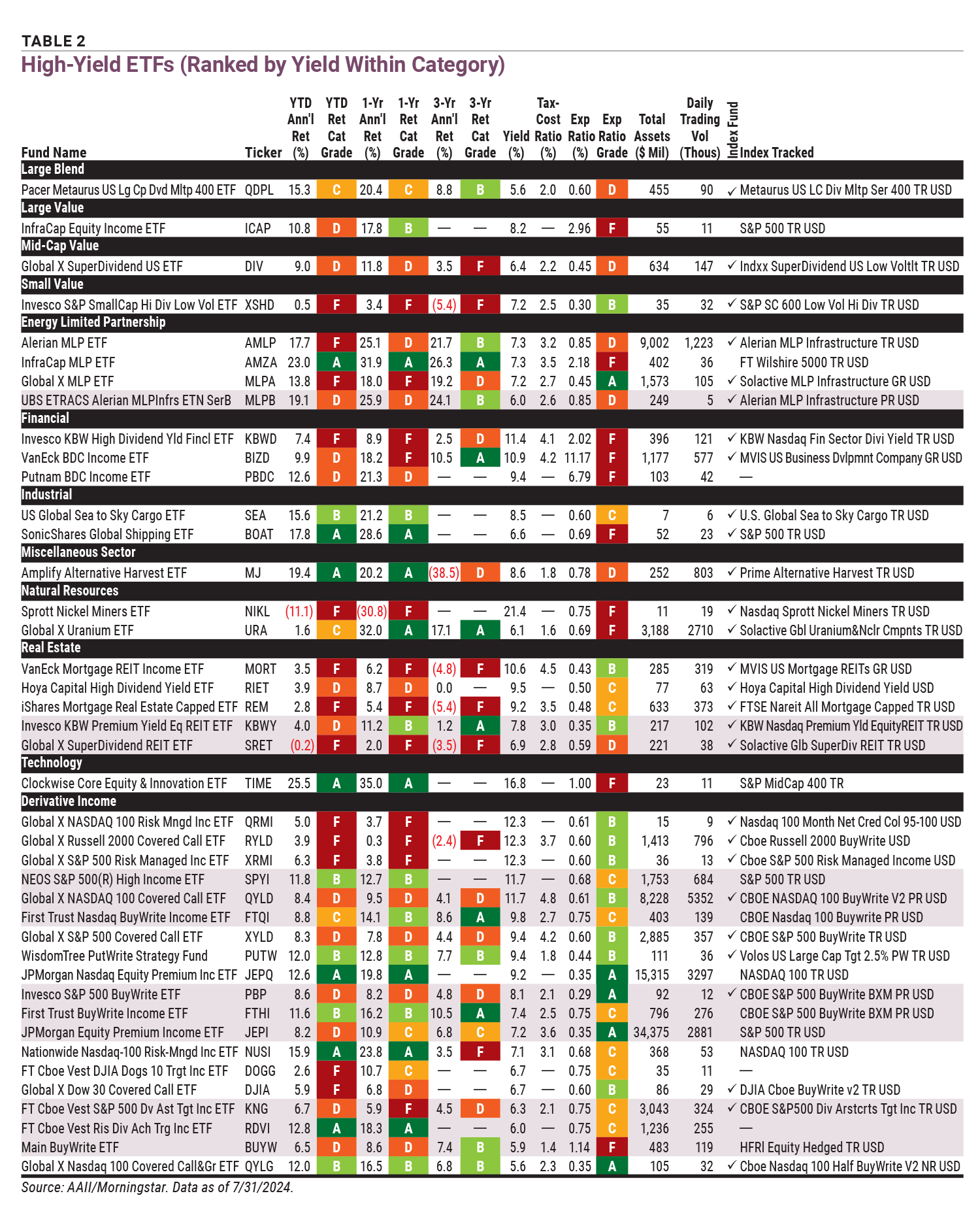
The following table compares the primary characteristics of these leading ETFs to help investors align their choices with their specific risk tolerance and income needs.
| Ticker | Strategy Type | Primary Asset Class | Management Style | Tax Efficiency |
|---|---|---|---|---|
| SCHD | Dividend Growth | US Large-Cap Equity | Passive (Index) | High (Qualified Divs) |
| VYM | High Yield Beta | US Large-Cap Equity | Passive (Index) | High (Qualified Divs) |
| JEPI | Covered Call/ELN | Equity + Derivatives | Active | Moderate (Mixed) |
| DIVO | Tactical Covered Call | Blue-Chip Equity | Active | Moderate (Mixed) |
| BIZD | BDC Exposure | Private Credit Debt | Passive (Index) | Low (Ordinary Income) |
| JNK | High Yield Bond | Corporate Credit | Passive (Index) | Low (Interest Income) |
Identifying "Yield Traps" and Managing Risk
The hallmark of a savvy investor is the ability to look past the "SEC Yield" or "Distribution Yield" and understand the sustainability of those payments.
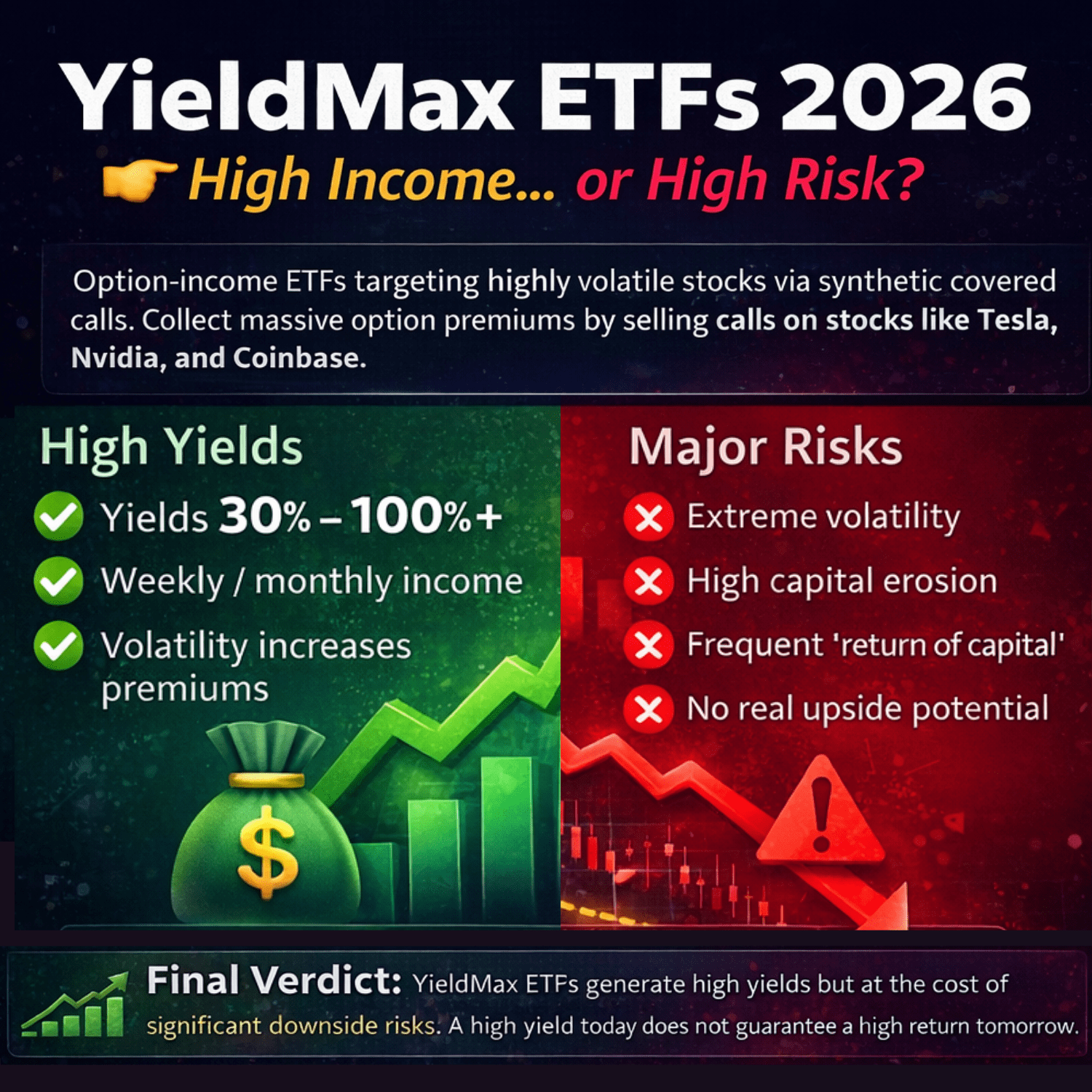
- NAV Erosion: If an ETF’s share price is consistently declining while its yield remains high, it may be "paying you back your own money." This is common in some derivative-heavy funds where the option premiums do not cover the loss in the underlying assets.
- Expense Ratios: In a high-yield environment, costs matter immensely. A 0.60% expense ratio on a fund yielding 4% represents 15% of your total income. Savvy investors always favor lower-cost providers like Vanguard and Schwab for their core holdings.
- Return of Capital (ROC): Investors must distinguish between "destructive ROC" (liquidating assets to pay a dividend) and "constructive ROC" (an accounting treatment often used by REITs and MLPs that defers taxes). Checking the fund's 19(a) notices is a prerequisite for any serious income investor.
Building a Diversified Income Portfolio in 2026
A savvy investor rarely puts 100% of their income allocation into a single fund. Instead, they "layer" their yield. A common 2026 allocation might involve:
- 50% Core Dividend Growth (SCHD/VYM): To provide long-term capital appreciation and inflation-protected income growth.
- 30% Income Enhancement (JEPI/DIVO): To generate immediate cash flow and reduce the overall volatility of the portfolio.
- 20% Opportunistic Credit (BIZD/JNK): To capture higher yields from the debt markets and add a non-correlated income stream.
This "barbell" approach ensures that if the equity market flatlines, the derivative and credit portions of the portfolio continue to produce income. Conversely, if the market rallies aggressively, the core dividend growth holdings allow the investor to participate in the capital gains.
Frequently Asked Questions
Are high-yield ETFs safe for retirement portfolios?
High-yield ETFs can be a vital part of a retirement portfolio, but they should not be the entire portfolio. The safety of these funds depends on the underlying assets. Dividend growth ETFs (like SCHD) are generally considered lower risk, while derivative-heavy or high-yield bond ETFs carry higher volatility and credit risk. Savvy retirees use these funds to bridge the "income gap" without having to sell shares during a market downturn.
How are covered call ETFs taxed in 2026?
The taxation of funds like JEPI or JEPQ is complex. Typically, a portion of the distribution is treated as ordinary income (due to the option premiums or ELNs), while the dividend portion may qualify for the lower long-term capital gains rate. Investors should consult their tax advisor, as holding these in a tax-advantaged account like an IRA or 401(k) is often the most "savvy" way to minimize the tax drag.
Why not just buy individual high-dividend stocks?
Diversification is the primary reason to prefer ETFs. Individual companies can cut dividends abruptly (dividend "omissions"), which can lead to a dual loss of income and share price. An ETF mitigates this by spreading the risk across dozens or hundreds of companies. For a savvy investor, the small expense ratio is a fair price for the professional rebalancing and risk management provided by the fund manager.
What is the difference between "Distribution Yield" and "SEC Yield"?
The SEC Yield is a standardized calculation based on the income earned by the fund during the past 30 days after expenses. The Distribution Yield is often based on the most recent payout annualized. Savvy investors look at the SEC Yield for a more accurate reflection of the fund's current earning power, as distribution yields can be skewed by one-time payments or special dividends.
Can high-yield ETFs protect against inflation?
Dividend growth ETFs are one of the best historical hedges against inflation. Companies that can consistently raise their dividends usually possess "pricing power," meaning they can pass increased costs on to consumers. However, fixed-income ETFs like JNK may struggle in high-inflation environments if interest rates rise rapidly, as bond prices move inversely to rates.
Final Recommendation for Savvy Investors
For investors seeking the optimal balance of income and stability in 2026, the best path forward is a multi-strategy approach. Begin by establishing a significant position in a high-quality dividend growth fund like SCHD to ensure your income grows over time. Complement this with an active income fund like JEPI to capitalize on market volatility and provide monthly liquidity. Finally, conduct quarterly reviews of your holdings to ensure that the "total return" remains positive and that your high-yield choices aren't quietly eroding your principal.
Image Gallery