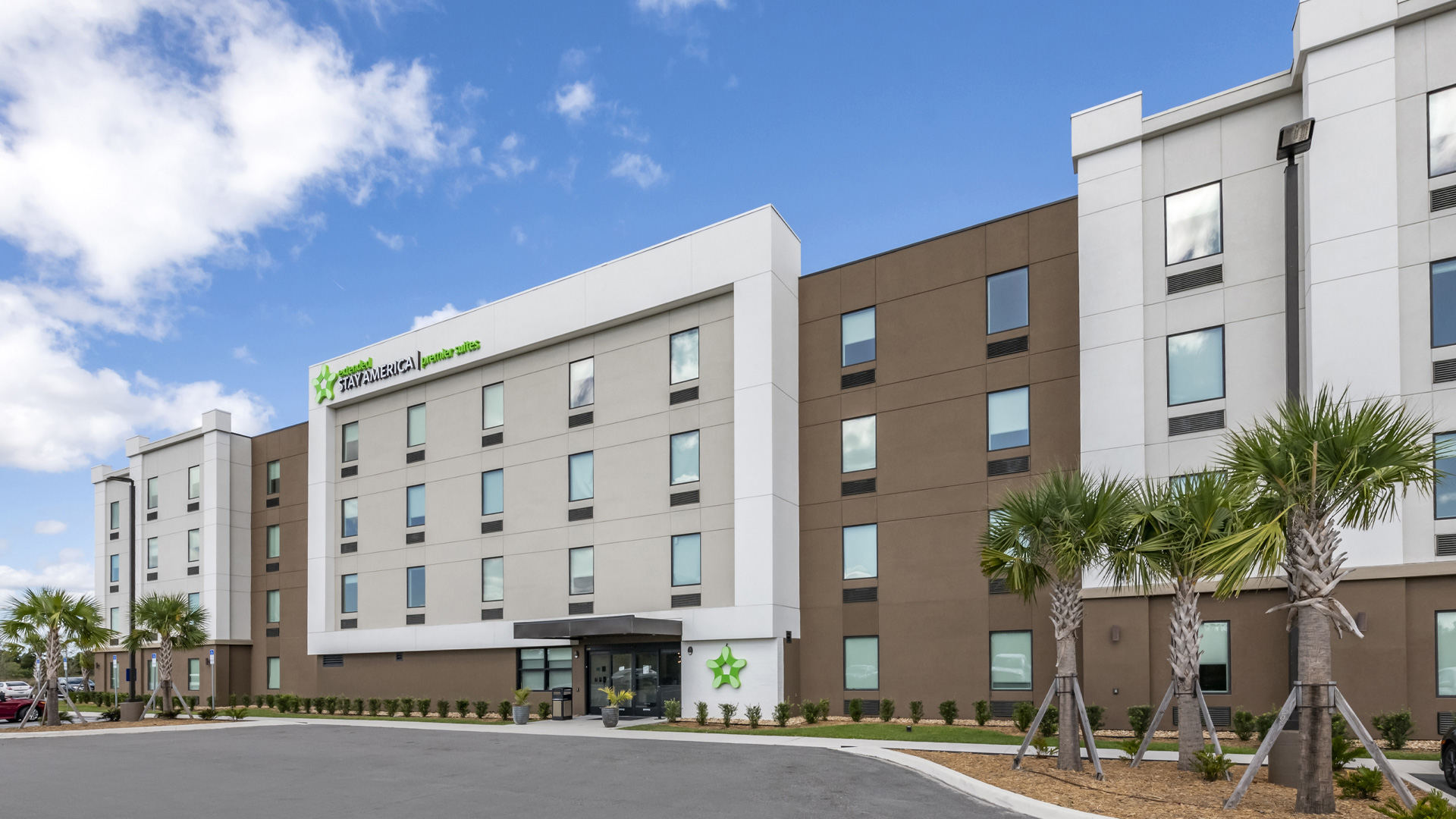
Is an Extended Stay Worth It in Aurora, Illinois?
Deciding whether an extended stay in Aurora, Illinois, is worth the investment depends on your length of visit, professional requirements, and budget. For stays exceeding seven nights, extended stay hotels in Aurora typically offer sig...
Deciding whether an extended stay in Aurora, Illinois, is worth the investment depends on your length of visit, professional requirements, and budget. For stays exceeding seven nights, extended stay hotels in Aurora typically offer significant cost savings, kitchen facilities, and tax exemptions after 30 days, making them superior to traditional hotels for contractors, relocating families, and long-term travelers.
Contents
The Financial Value of Extended Stays in Aurora
When evaluating if an extended stay is "worth it," the primary metric is almost always financial. In 2026, the hospitality market in the Chicago suburbs, particularly along the I-88 Research and Development Corridor, remains competitive. Aurora, as the second-largest city in Illinois, offers a diverse range of lodging that caters to both the budget-conscious and those seeking corporate-grade comfort.
Traditional hotels in Aurora often price their rooms for the "transient" traveler—someone staying one to three nights. These rates include daily housekeeping, breakfast buffets, and high-turnover costs. Conversely, extended stay properties are designed for "long-dwell" guests. By reducing the frequency of housekeeping to once a week and eliminating high-cost daily amenities, these hotels can pass substantial savings to the guest.
In Aurora, the price gap is noticeable. A standard hotel room near the Chicago Premium Outlets or the Fox Valley Mall might range from $140 to $190 per night. An extended stay property in the same vicinity often drops to an effective daily rate of $85 to $110 when booked by the week or month. Over a 30-day period, this represents a savings of nearly $1,500, not including the secondary savings found in food costs and taxes.
The 30-Day Tax Advantage
One of the most significant financial "wins" for long-term stays in Illinois is the tax exemption status. Under Illinois state law and local Aurora ordinances, guests who stay for more than 30 consecutive days are often classified as "permanent residents" for taxing purposes. This status typically exempts the guest from the state and local hotel occupancy taxes, which can add 10% to 15% to the bill. When you cross that 30-day threshold, your total bill often drops significantly, as those taxes are either refunded or no longer applied to the folio.
Strategic Location: Why Aurora Makes Sense in 2026
Aurora’s geography is a major factor in its value proposition. Located roughly 40 miles west of Chicago, it serves as a bridge between the dense urban environment and the expanding western suburbs. If your work or reason for visiting is centered in the "Silicon Prairie" (the tech corridor stretching from Oak Brook to Aurora), staying in Aurora is far more efficient than commuting from the city or even from inner-ring suburbs.
The city is divided into several zones, each offering different benefits for extended stay guests:
- The I-88 Corporate Corridor: This area, particularly near Diehl Road, is home to numerous extended stay brands. It is ideal for corporate contractors working for tech firms, logistics companies, or the Fermi National Accelerator Laboratory (Fermilab) in nearby Batavia.
- The Fox Valley Region: Concentrated around the Fox Valley Mall, this area offers the highest density of retail, dining, and entertainment. For families in the process of relocating, this area provides a sense of normalcy and easy access to daily necessities.
- Downtown Aurora: With the continued revitalization of the Stolp Island area and the Paramount Theatre, downtown offers a more "urban-lite" experience. While fewer traditional extended stay chains are located directly in the historic center, short-term corporate apartments in this area are becoming more common.
Comparing Lodging Options in Aurora
To determine value, one must compare extended stays against the alternatives: standard hotels and short-term apartment leases. In 2026, the short-term rental market (such as Airbnb or VRBO) in Aurora faces stricter regulations than in previous years, often making professional extended stay hotels a more reliable and legally compliant choice for business travelers.
| Feature | Standard Hotel | Extended Stay Hotel | Short-Term Apartment Lease |
|---|---|---|---|
| Average Nightly Rate | $150 - $210 | $85 - $125 | $110 - $160 |
| Full Kitchen | Rarely (Kitchenette only) | Yes (Stove, Full Fridge) | Yes (Full Kitchen) |
| Housekeeping | Daily | Weekly / Bi-Weekly | None (Self-service) |
| Tax Exemption | No (Usually < 30 days) | Yes (After 30 days) | Varies by platform |
| Lease Requirement | None | None | Often 3-6 months |
| Utilities/WiFi | Included | Included | Often separate |
| Pet Friendly | Varies (High Fees) | Generally Yes | Varies |
The Impact of In-Room Amenities on Total Cost
The "worth" of an extended stay is not just in the nightly rate, but in the lifestyle it enables. The presence of a full kitchen is the most significant secondary cost-saver. In Aurora, the average cost of a modest dinner out for one person in 2026 is approximately $25–$35. For a traveler staying 14 days, eating out every night costs upwards of $450.
Extended stay units in Aurora typically feature:
- Full-sized refrigerators: Allowing for weekly grocery runs at local stores like Meijer or Aldi.
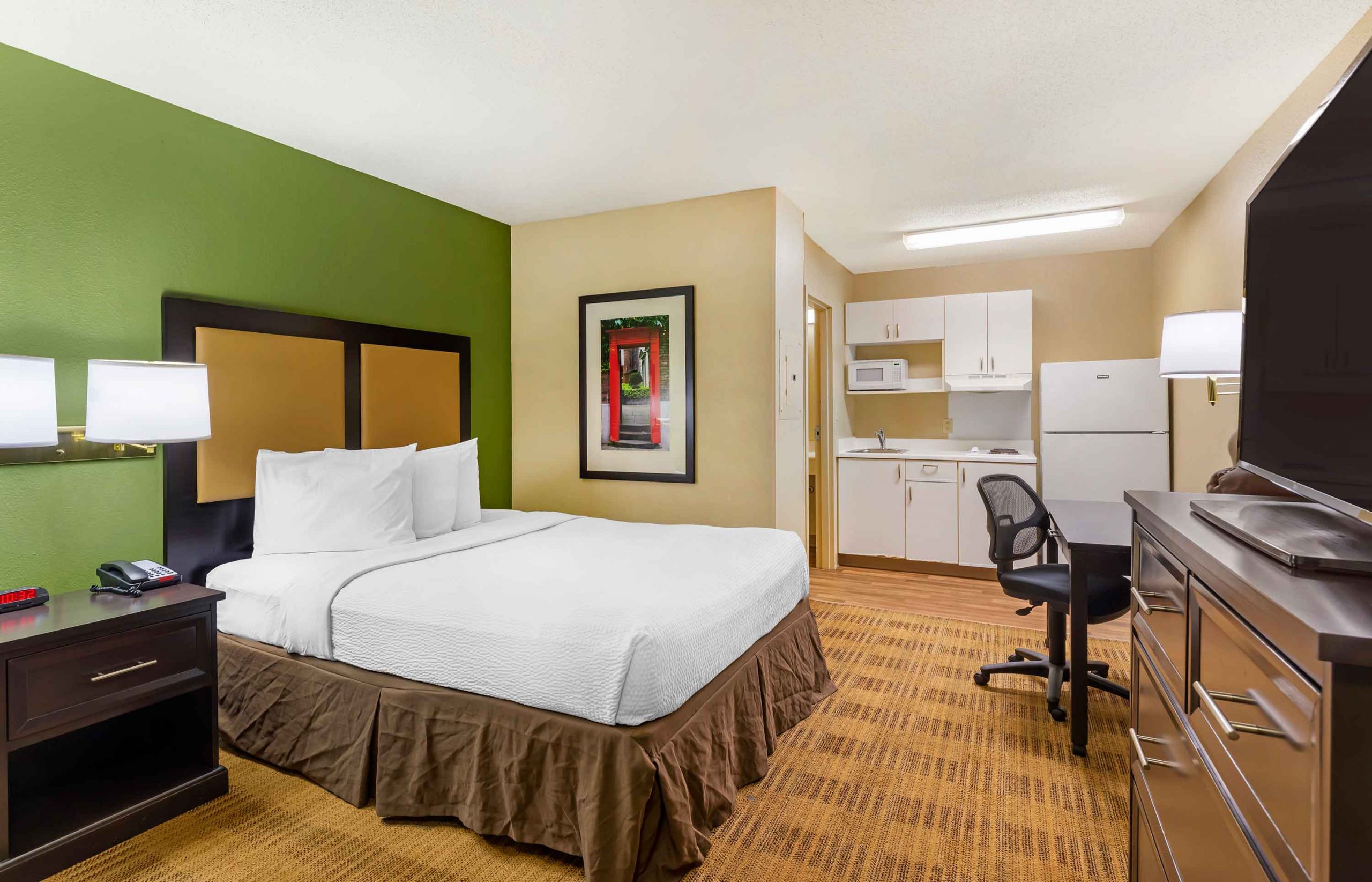
- Two-burner stovetops: Enabling the preparation of actual meals rather than just microwave reheating.
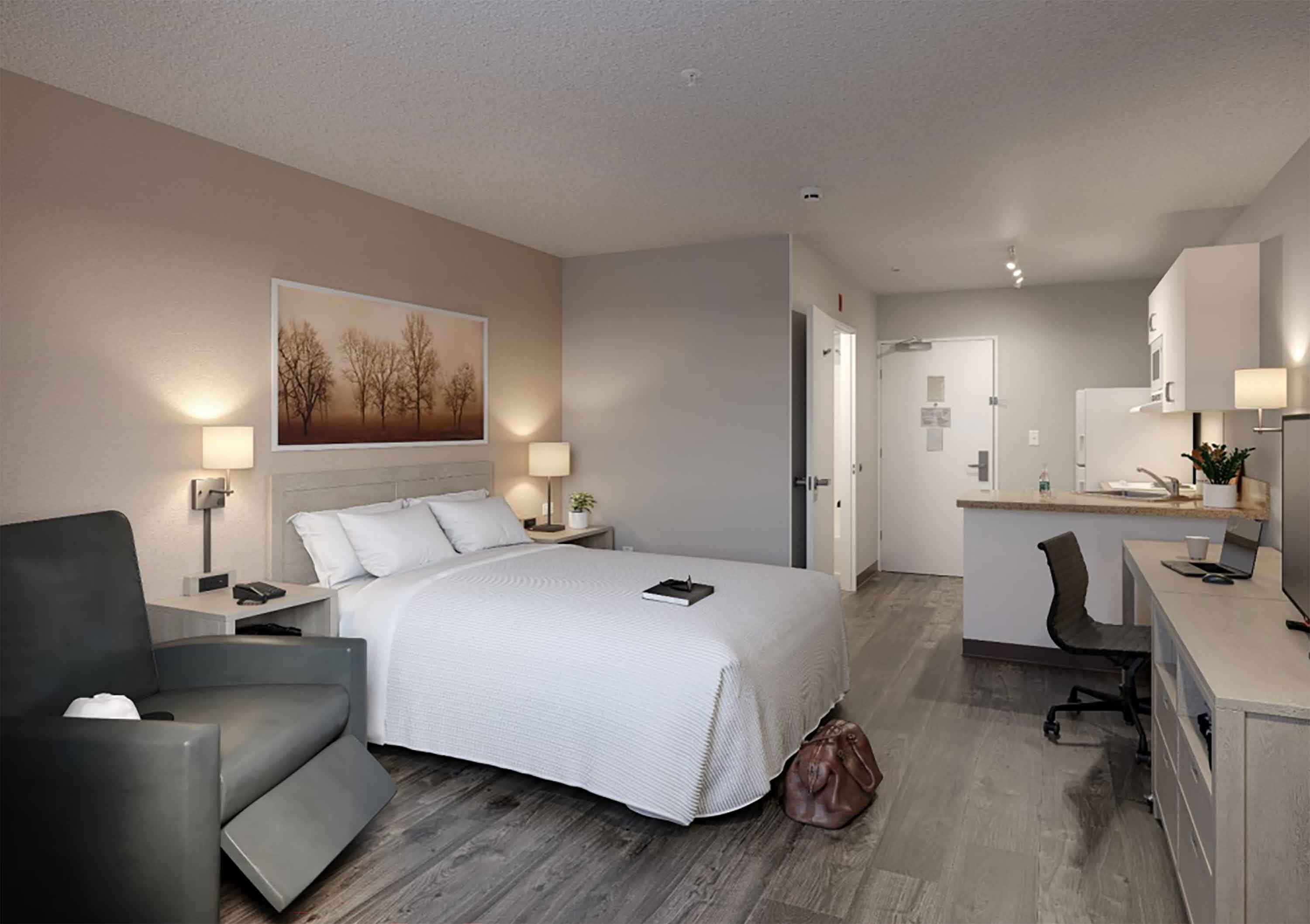
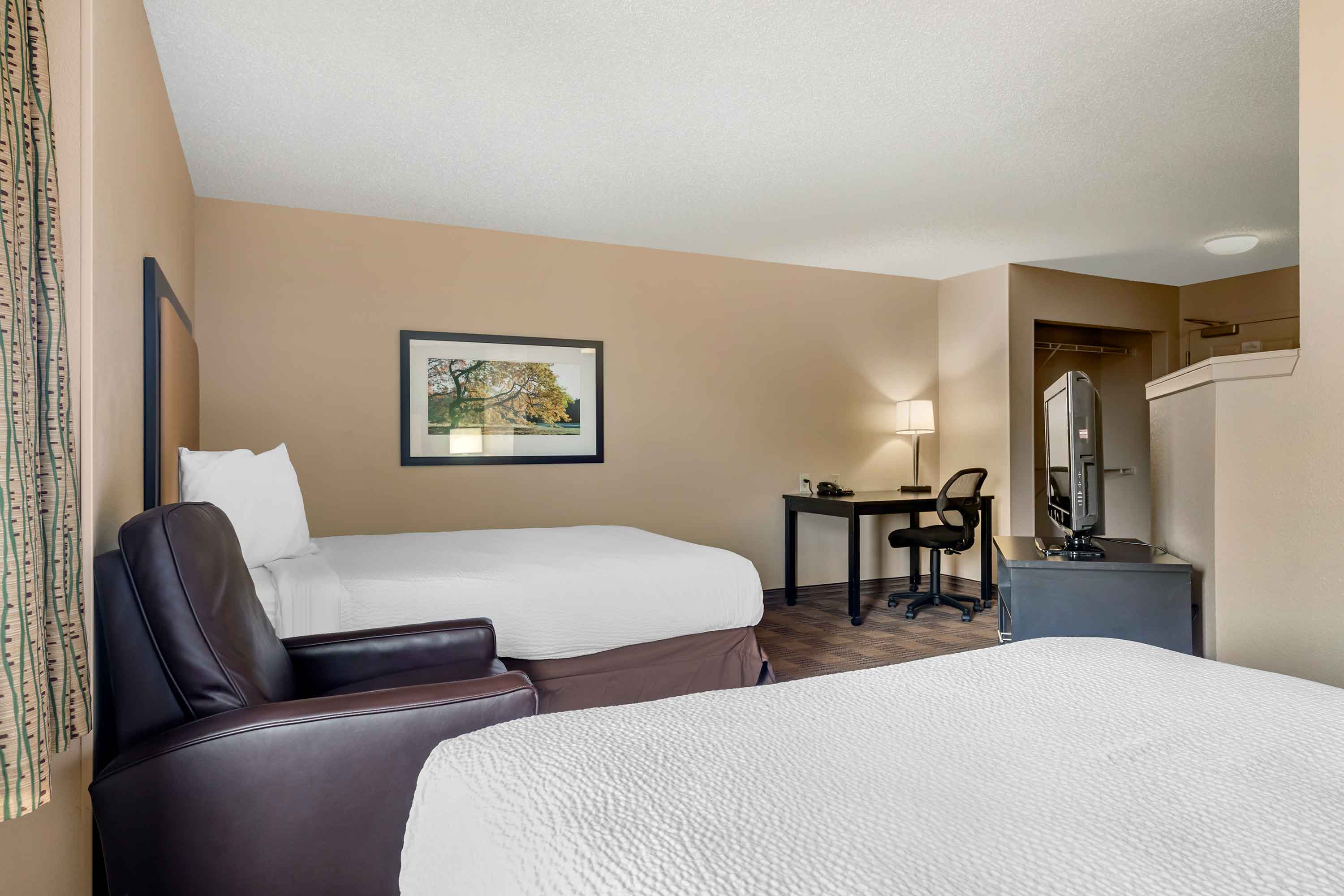
- Dedicated workspaces: Essential for the 2026 workforce, where remote or hybrid work is the standard.
- On-site laundry: While standard hotels charge by the garment (often $3–$5 per shirt), extended stays provide coin-operated or app-based laundry rooms that cost a fraction of the price.
Who Specifically Benefits from Aurora Extended Stays?
Corporate and Tech Contractors
Aurora is a hub for data centers and manufacturing. Contractors brought in for six-month projects at local industrial parks find that extended stay hotels offer the perfect balance of professional services (like package receiving and high-speed internet) without the long-term commitment of a residential lease.
Healthcare Professionals
With major medical centers like Rush-Copley Medical Center and Northwestern Medicine Delnor Hospital nearby, traveling nurses and medical residents often utilize extended stays. The proximity of these hotels to the hospitals—often within a 10-minute drive—reduces commute fatigue for those on 12-hour shifts.
Families in Transition
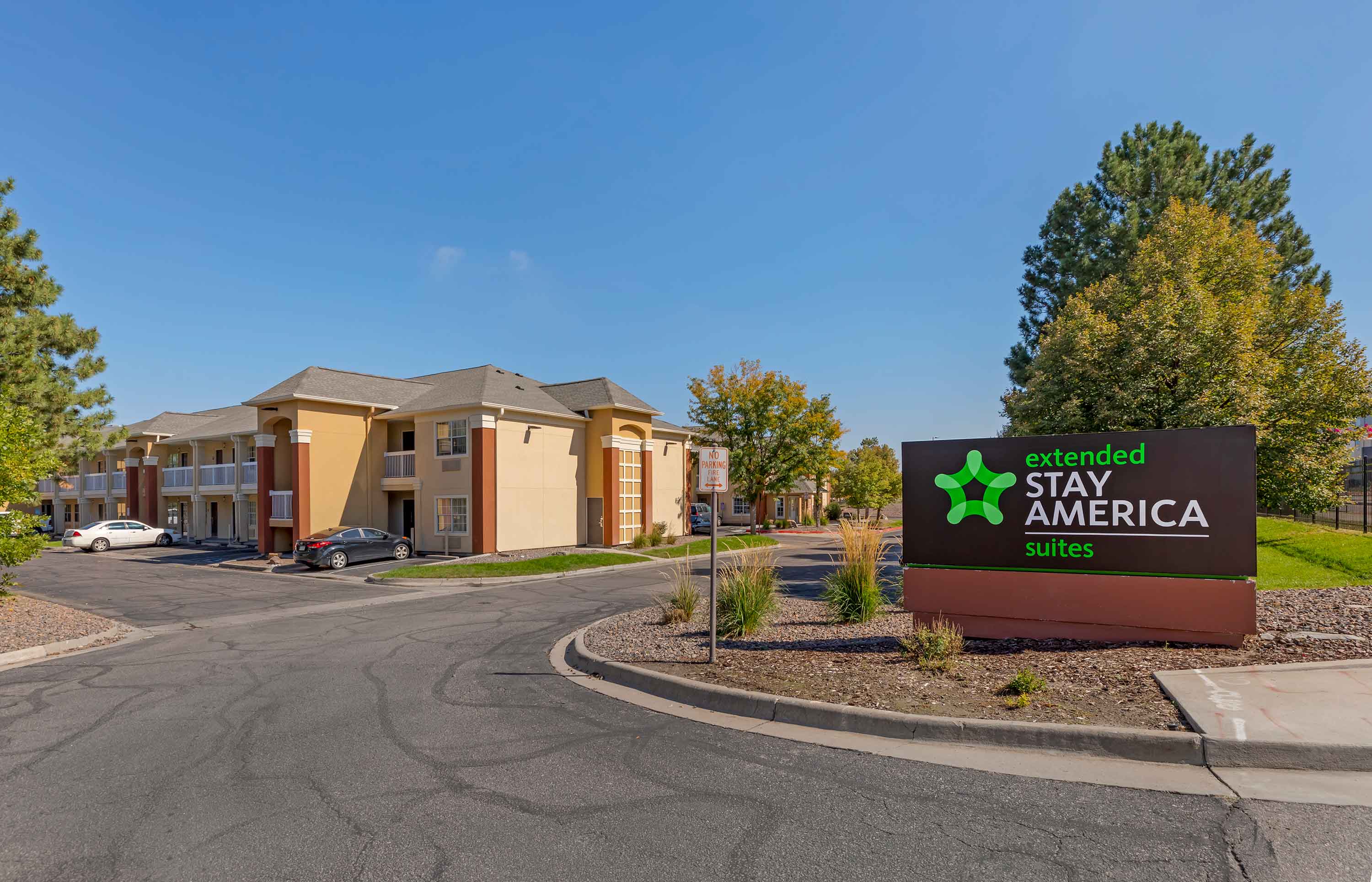
Aurora’s real estate market remains active. Families who have sold their homes but are waiting for a new build to be completed use extended stays as a "bridge." The pet-friendly nature of most Aurora extended stay brands (such as WoodSpring Suites or Extended Stay America) is a critical factor for families who cannot easily move pets into traditional hotels.
Potential Drawbacks to Consider
While the value is high, an extended stay is not the right choice for everyone. It is important to understand the trade-offs:
- Reduced Service Levels: If you enjoy daily turndown service, fresh towels every morning, and a concierge, an extended stay will feel lacking. You are responsible for maintaining the cleanliness of your space between weekly deep cleans.
- Atmosphere: Some extended stay properties are purely functional. They may lack the lobby "vibe," high-end fitness centers, or bar scenes found in full-service hotels like the Marriott or Hilton brands in the area.
- Social Dynamics: Because people live in these hotels for weeks or months, the environment is more "residential" and less "vacation." This can lead to a quieter, more isolated experience, which may or may not be desirable.
Logistics and Accessibility
For those without a vehicle, an extended stay in Aurora can be challenging. While the city is served by the Pace Suburban Bus system and the Metra BNSF line (providing direct access to Chicago Union Station), the city is largely car-dependent. Most extended stay hotels are located near major thoroughfares like Route 59, Route 34 (Ogden Avenue), and the Reagan Memorial Tollway (I-88).
Before booking, verify the parking situation. In 2026, most Aurora extended stay properties still offer free parking, a significant advantage over Chicago hotels, which can charge $50–$70 per night for a vehicle.
Final Verdict: Is It Worth It?
An extended stay in Aurora, Illinois, is definitely worth it if your stay lasts longer than seven days and you prioritize functional living over luxury pampering. The combination of lower weekly rates, the ability to cook your own meals, and the significant tax breaks at the 30-day mark provides a clear financial advantage.
For business travelers, it offers a stable "home base" in a strategic location. For those relocating, it offers a low-stress transition. However, if your visit is shorter than four days, the lack of daily services and the often utilitarian nature of the rooms may not justify the minor price difference compared to a standard hotel.
Frequently Asked Questions
Do extended stay hotels in Aurora require a credit check?
Generally, no. Unlike traditional apartment leases, extended stay hotels operate under hospitality laws. You provide a credit card for payment and a security deposit, but you do not typically undergo the rigorous background and credit checks associated with residential rentals.
Is the internet fast enough for remote work?
In 2026, most Aurora extended stay properties have upgraded to fiber-optic backbones to accommodate the "work from anywhere" trend. However, some budget brands may still charge a premium for "enhanced" speeds. It is recommended to check recent reviews specifically mentioning upload and download speeds if you handle large video files or frequent Zoom calls.
Are extended stay hotels in Aurora safe?
The major extended stay chains in Aurora are located in well-traveled, commercial corridors that are generally considered safe. Most use electronic key-card access for all exterior doors and have 24-hour staffing or security patrols. As with any city, it is wise to research the specific neighborhood and view the property via satellite imagery before booking.
Can I receive mail and packages at an extended stay?
Yes. Most properties have a system for receiving guest mail. For those staying several months, it is common to have a dedicated mailbox or for the front desk to hold packages from services like Amazon, FedEx, or UPS. This is a vital feature for professionals who need to receive equipment or documents.
Are there any hidden fees I should watch for?
The most common "hidden" costs are for pet fees (which can be a one-time fee or a daily charge), additional housekeeping requests beyond the weekly schedule, and premium WiFi tiers. Always ask for a full breakdown of the "out-the-door" price, including any local tourism assessments that might not be included in the base rate.
Image Gallery