Understanding Raw Milk Hospitalizations: Risks, Pathogens, and Regulatory Frameworks
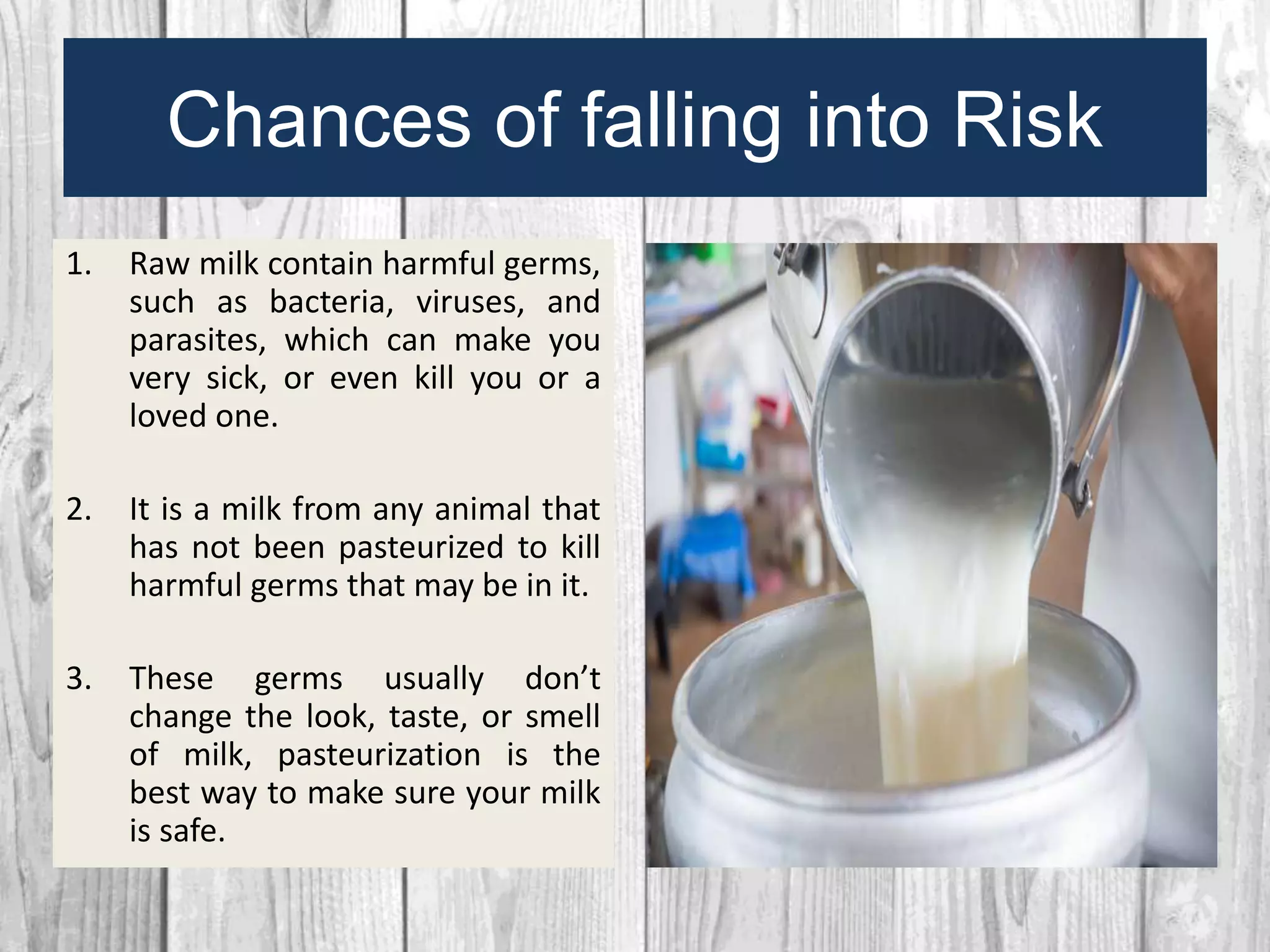
Raw milk consumption is frequently associated with severe gastrointestinal illnesses and hospitalizations due to the presence of harmful pathogens like E. coli, Listeria, and Salmonella. Unlike pasteurized milk, which undergoes a high-...
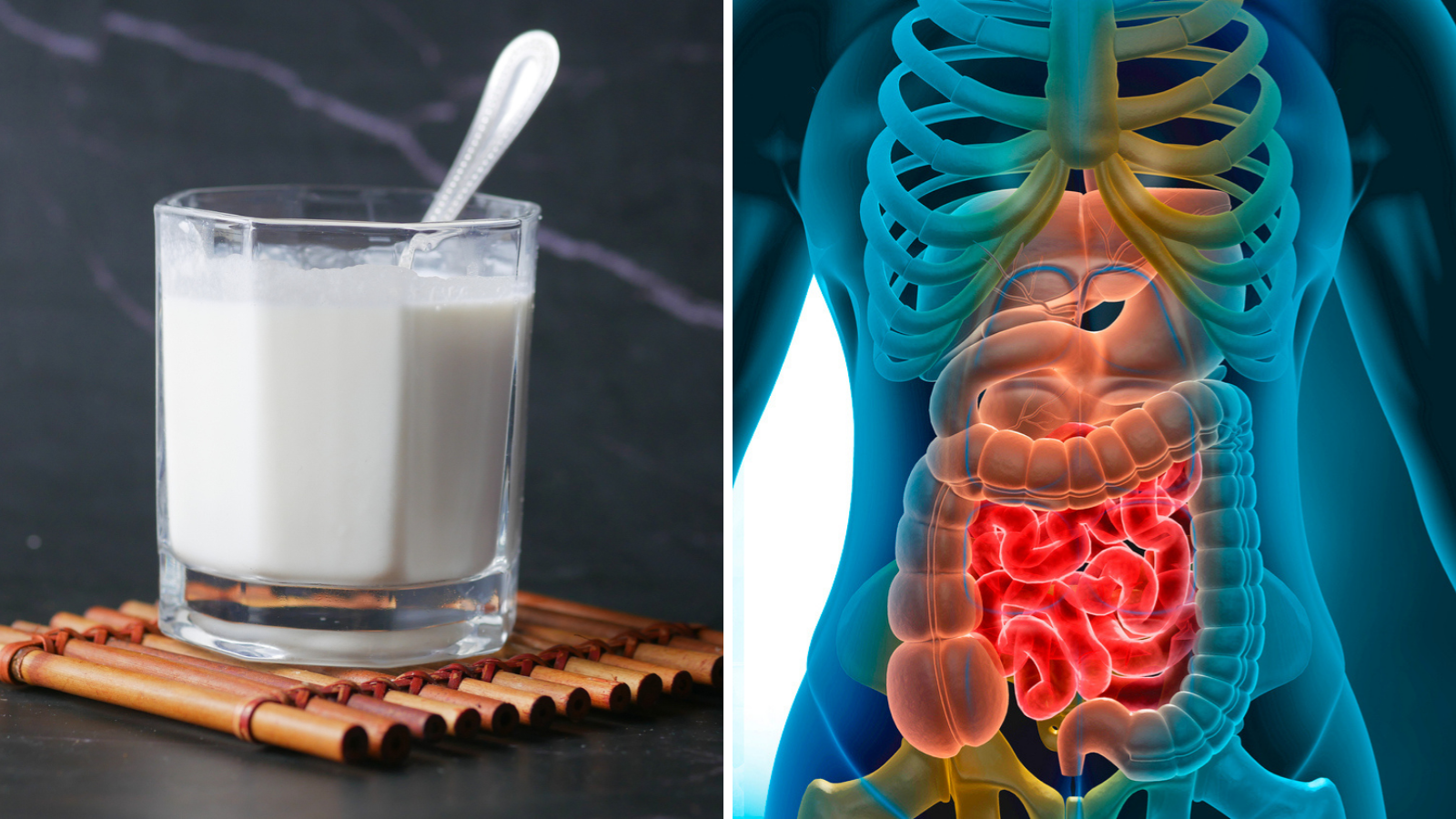
Raw milk consumption is frequently associated with severe gastrointestinal illnesses and hospitalizations due to the presence of harmful pathogens like E. coli, Listeria, and Salmonella. Unlike pasteurized milk, which undergoes a high-temperature heating process to neutralize dangerous microorganisms, unpasteurized milk retains its natural microbial flora, creating a pathway for foodborne outbreaks that can lead to emergency medical intervention, kidney failure, and long-term health complications.
Contents
The Science of Raw Milk and Pathogen Contamination
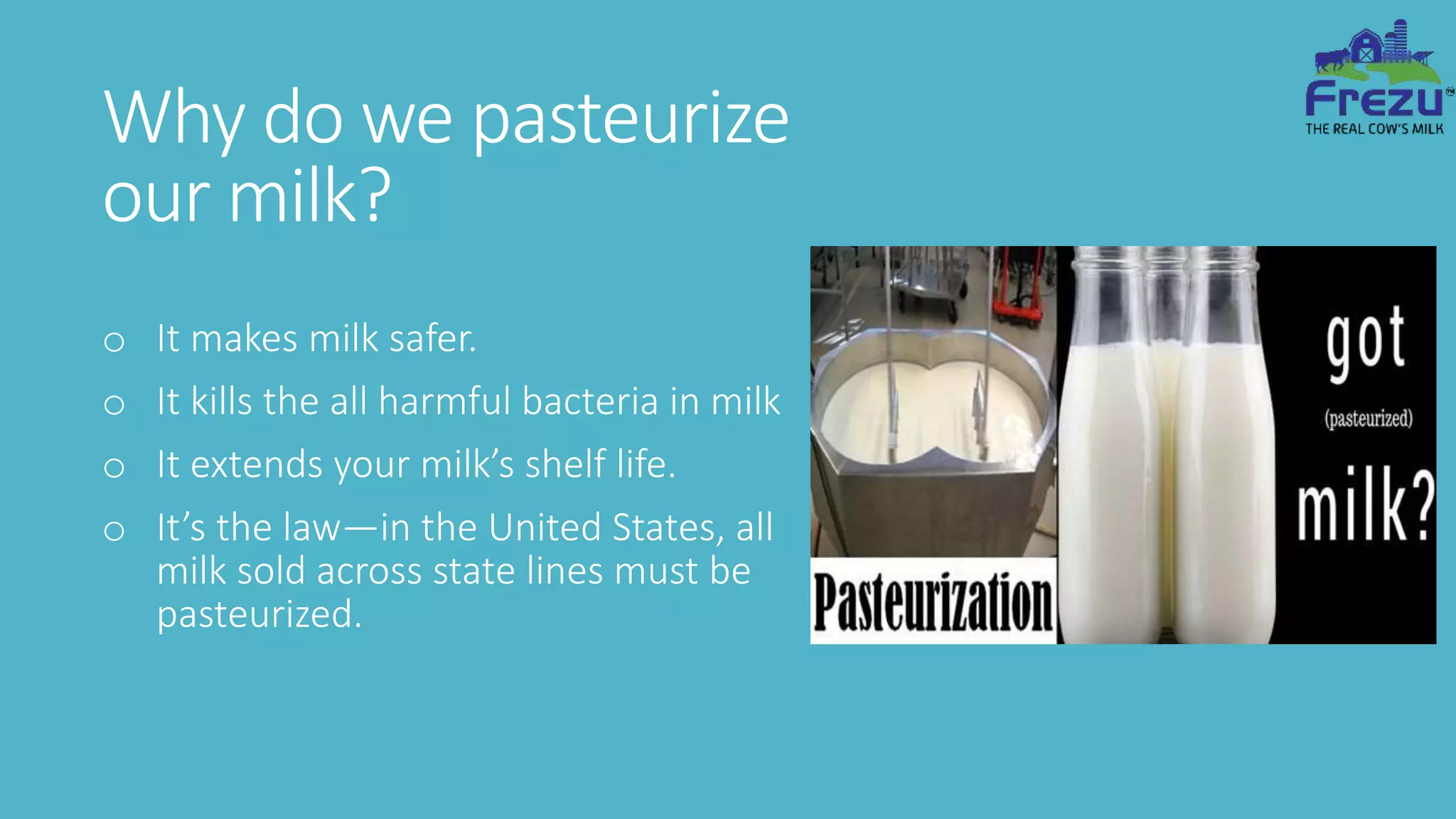
Raw milk is milk from cows, sheep, goats, or other hooved mammals that has not been pasteurized or homogenized. Pasteurized milk is heated to a specific temperature for a set period to kill harmful bacteria, yeasts, and molds without significantly altering its nutritional value. The historical practice of pasteurization, introduced widely in the United States and Europe during the late 19th and early 20th centuries, drastically reduced milk-borne illnesses such as tuberculosis, brucellosis, and typhoid fever.
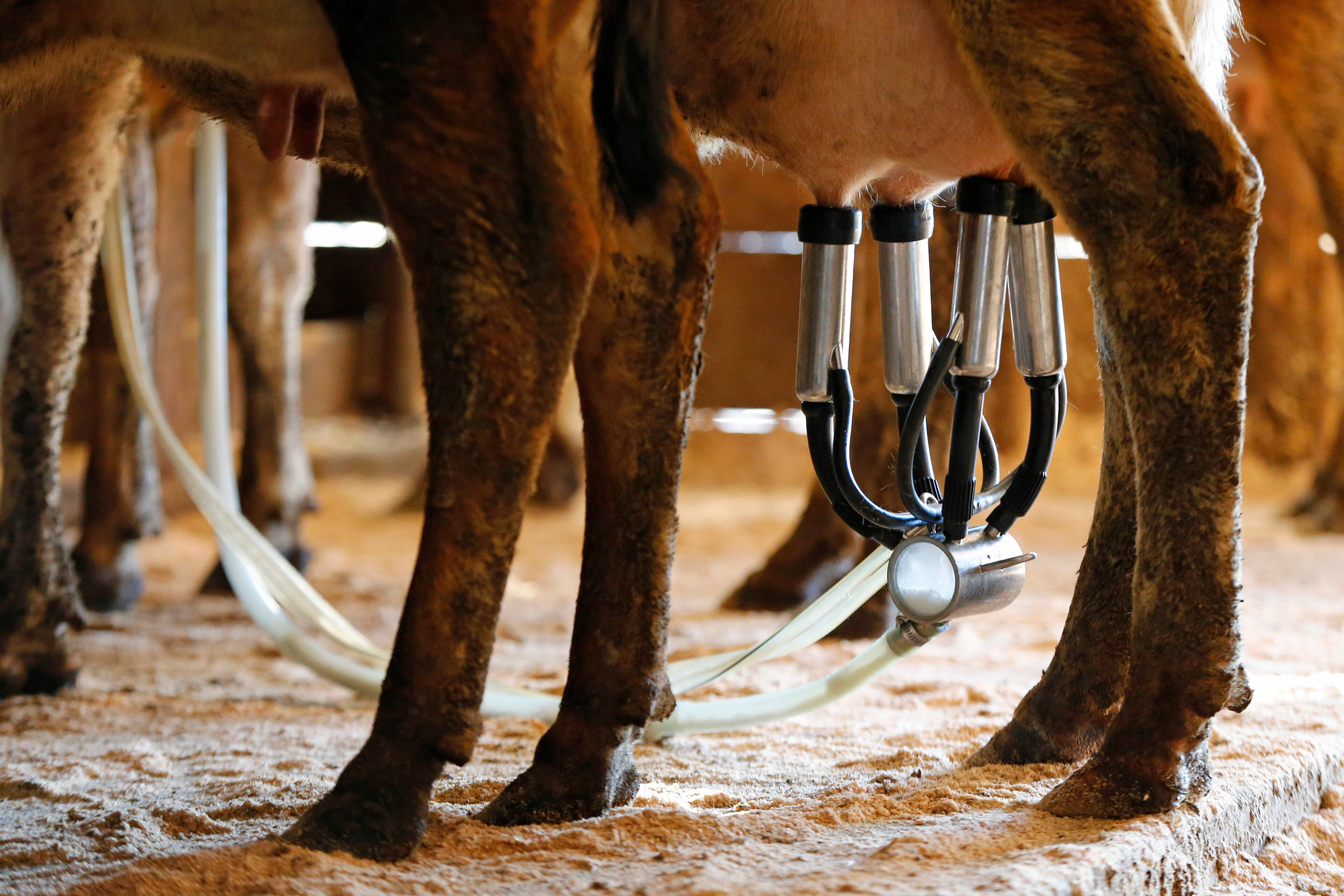
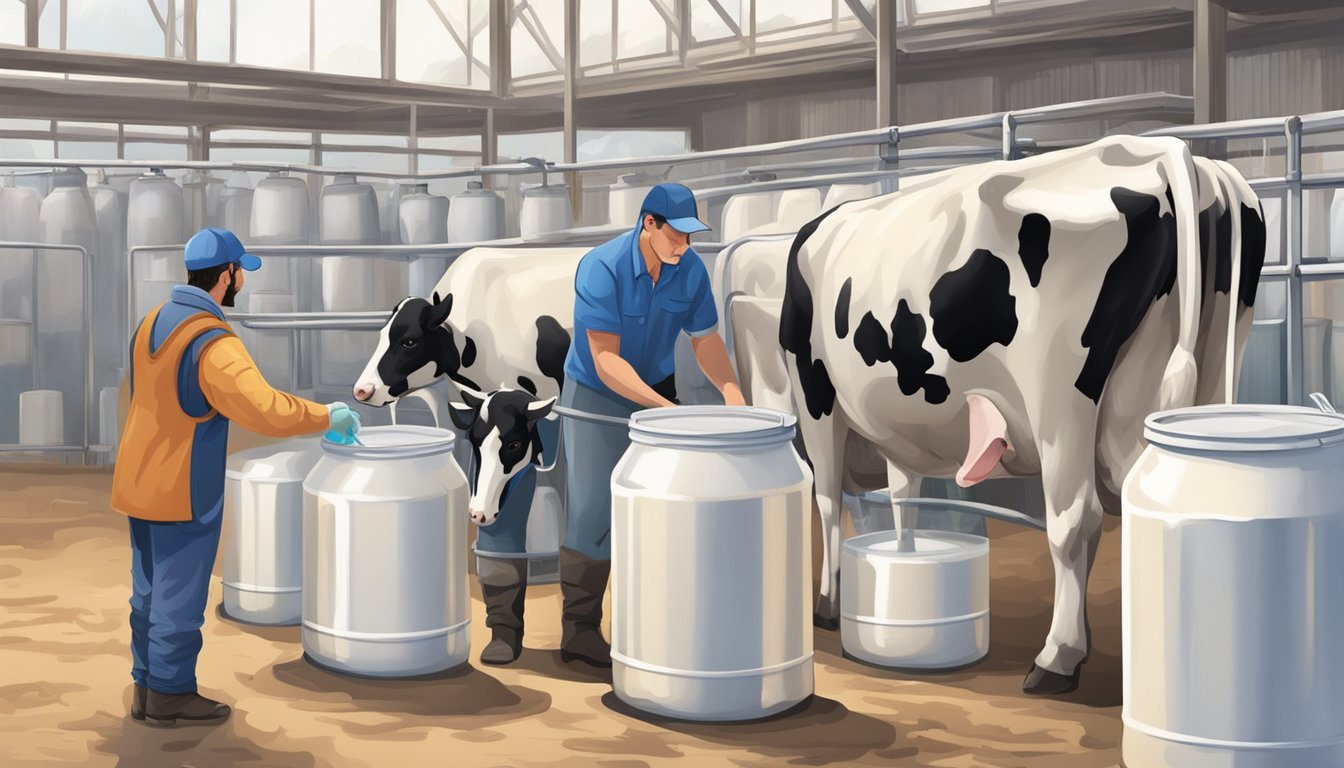
Without this thermal kill step, raw milk can become contaminated at multiple points along the production chain. Pathogens can enter the milk directly from the animal’s udder through mastitis infections or environmental contact with feces, mud, and bedding materials. Furthermore, milking equipment, storage tanks, and transportation pipelines can harbor biofilms if not rigorously sanitized. Because milk is an exceptional growth medium rich in proteins, fats, sugars, and vitamins, any bacteria present can multiply rapidly, especially if the milk is not chilled immediately and maintained at low temperatures.
Public health surveillance data from agencies such as the U.S. Centers for Disease Control and Prevention (CDC) consistently demonstrate that unpasteurized dairy products are significantly more likely to cause foodborne disease outbreaks than pasteurized dairy products. When these outbreaks occur, a notable percentage of affected individuals experience symptoms severe enough to require hospitalization, particularly among vulnerable populations such as children, pregnant women, the elderly, and immunocompromised individuals.
Common Pathogens Linked to Severe Illness
The microbiological profile of contaminated raw milk includes several high-risk pathogens capable of causing systemic infection and organ failure. Understanding these specific microorganisms highlights why consumption can escalate rapidly from mild digestive upset to critical medical care.
- Escherichia coli (Shiga toxin-producing strains): Strains such as E. coli O157:H7 produce potent toxins that damage the lining of the intestines. In severe cases, this leads to hemorrhagic colitis and Hemolytic Uremic Syndrome (HUS), a type of kidney failure that often requires dialysis, blood transfusions, and intensive care unit admission.
- Campylobacter jejuni: This is one of the most frequently isolated bacterial pathogens from raw milk outbreaks. Infection causes severe diarrhea, abdominal cramps, and fever. In rare instances, Campylobacter triggers Guillain-Barré Syndrome, a serious autoimmune condition that causes nerve damage and temporary or permanent paralysis.
- Listeria monocytogenes: Unlike many other foodborne pathogens, Listeria thrives at refrigeration temperatures. It poses a profound risk to pregnant women, potentially causing miscarriage, stillbirth, premature delivery, or life-threatening infections in newborns. In adults, it can manifest as meningitis or sepsis.
- Salmonella species: Salmonella bacteria can cause severe systemic illness characterized by prolonged fever, severe cramping, and dehydration. Invasive strains can enter the bloodstream and spread to tissues throughout the body, requiring aggressive intravenous antibiotic therapy.
- Cryptosporidium: A microscopic parasite that causes cryptosporidiosis, leading to profuse, watery diarrhea. While healthy individuals typically recover, the infection can be chronic and life-threatening for immunocompromised patients.
| Pathogen | Primary Symptoms | Potential Severe Complications | Common Treatment Approach |
|---|---|---|---|
| E. coli (STEC) | Severe abdominal cramps, bloody diarrhea | Hemolytic Uremic Syndrome (HUS), kidney failure | Supportive care, avoidance of antibiotics in some cases |
| Campylobacter jejuni | Diarrhea, cramping, fever, nausea | Guillain-Barré Syndrome, reactive arthritis | Fluid replacement, targeted antibiotics if severe |
| Listeria monocytogenes | Fever, muscle aches, flu-like symptoms | Miscarriage, stillbirth, meningitis, sepsis | Intravenous antibiotics, intensive monitoring |
| Salmonella | Diarrhea, fever, abdominal cramps | Bacteremia, localized infections in organs | Hydration, antibiotics for high-risk patients |
| Cryptosporidium | Watery diarrhea, stomach cramps, weight loss | Chronic malnutrition, severe dehydration in immunocompromised | Supportive care, anti-parasitic medications if indicated |
Demographics and Vulnerability Factors
Not all individuals who consume raw milk face the same degree of risk, though public health authorities advise against consumption for the general population. Statistical tracking of raw milk hospitalizations reveals distinct trends regarding age and underlying health status.
Children under the age of five account for a disproportionate share of severe cases and hospitalizations. Their immune systems are still developing, and their smaller body masses make them more susceptible to rapid dehydration and the systemic effects of bacterial toxins. Furthermore, pediatric cases are frequently overrepresented in HUS statistics associated with E. coli outbreaks linked to raw milk.
Pregnant women represent another high-risk demographic. Hormonal shifts during pregnancy naturally modulate the immune system, increasing susceptibility to intracellular pathogens like Listeria monocytogenes. Infection in this group may present with mild, flu-like symptoms in the mother while causing catastrophic outcomes for the fetus.
Older adults and individuals with compromised immune systems—such as those undergoing chemotherapy, living with HIV, or managing chronic organ disease—face heightened risks of invasive disease, prolonged hospital stays, and elevated mortality rates following exposure to unpasteurized dairy pathogens.
Legal Status, Access, and Regulatory Oversight
The legal framework governing raw milk varies significantly by jurisdiction, reflecting ongoing debates between consumer access rights and public health protection. In many regions, the sale and distribution of raw milk are strictly prohibited or heavily restricted.
Regulatory agencies, including the U.S. Food and Drug Administration (FDA) and various state health departments, maintain bans on the interstate sale and distribution of raw milk in final package form to consumers. However, intrastate regulations are established at the state level, resulting in a complex patchwork of legality:
- Retail Sales Legal: Some states permit raw milk to be sold directly in grocery stores and retail outlets, often requiring specific warning labels regarding health risks.
- On-Farm Sales Only: Other jurisdictions restrict sales to direct-to-consumer transactions originating strictly at the farm where the milk was produced.
- Herdshare Agreements: In states where retail sales are prohibited, consumers often utilize "herdshares" or cow-sharing contracts. By purchasing a fractional share of an animal, consumers technically own a part of the livestock and are receiving milk from their own animal, circumventing direct retail bans.
- Complete Prohibition: Certain states and countries maintain absolute bans on any commercial distribution, making the sale or provision of raw milk illegal under all circumstances.
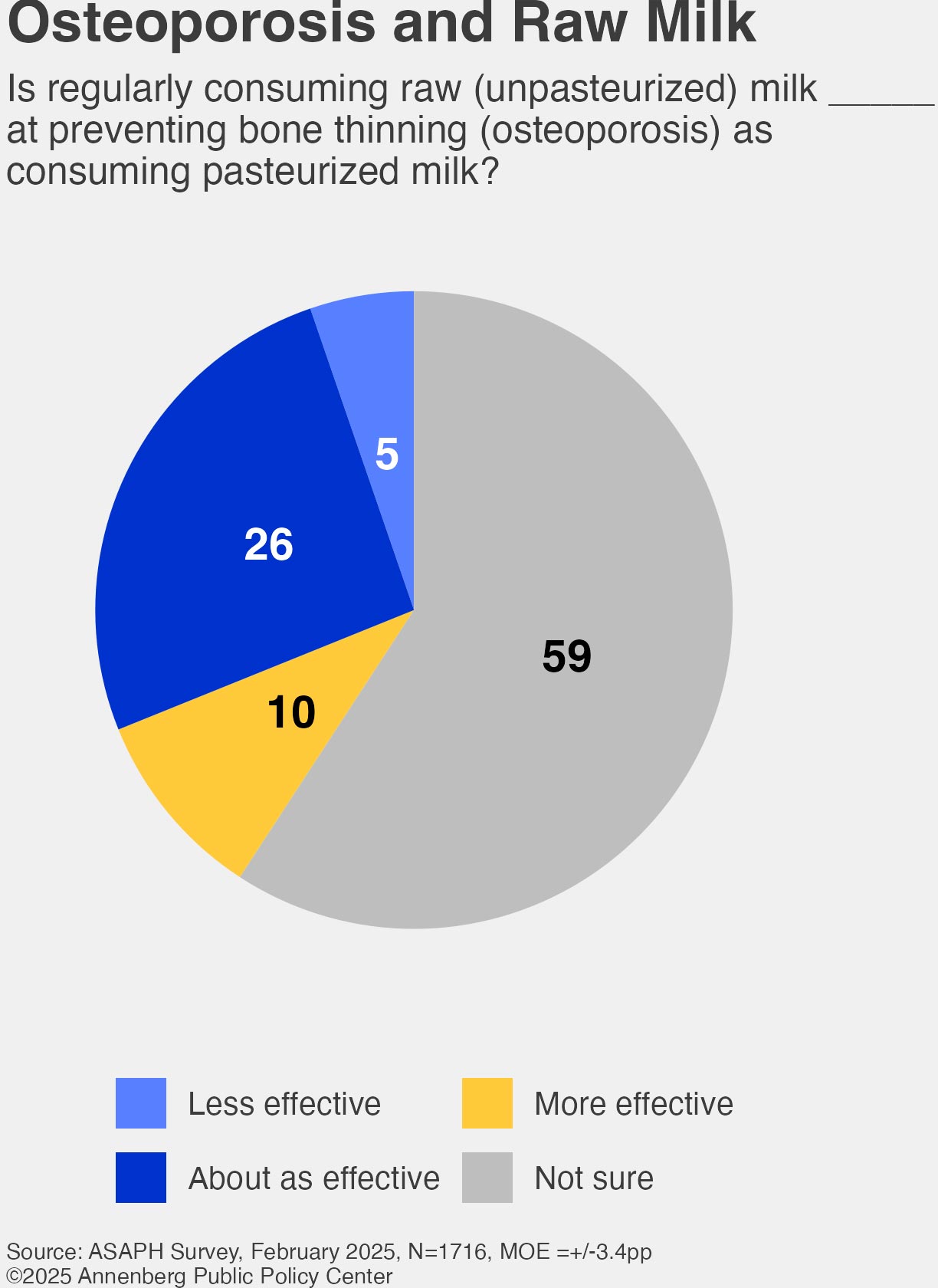
Proponents of raw milk argue that unpasteurized products contain beneficial enzymes, vitamins, and probiotics that are diminished by pasteurization, and they advocate for consumer choice. Conversely, public health officials emphasize that no scientific consensus supports claimed health benefits over pasteurized milk, while the documented risks of severe infection and hospitalization remain high and quantifiable.
Prevention, Consumer Guidance, and Clinical Warning
Preventing foodborne illness associated with unpasteurized dairy begins with adherence to established public health guidelines. Consumers who choose to consume raw milk should remain vigilant regarding sourcing, handling, and storage practices, though health agencies uniformly recommend choosing pasteurized products to eliminate microbiological risk entirely.
If an individual consumes raw milk and subsequently experiences symptoms such as severe abdominal cramps, persistent vomiting, bloody diarrhea, or a high fever, immediate medical evaluation is warranted. Informing healthcare providers about the consumption of unpasteurized dairy products is critical, as it allows physicians to order specific diagnostic panels—such as stool cultures or specialized PCR tests—that can rapidly identify bacterial pathogens and guide appropriate clinical management.
Note: This information is for educational purposes and does not constitute medical advice. Anyone experiencing acute symptoms of foodborne illness should seek professional medical evaluation immediately.
Frequently Asked Questions
Why does raw milk cause hospitalizations while pasteurized milk does not?
Raw milk has not undergone the thermal pasteurization process designed to destroy harmful bacteria such as E. coli, Listeria, and Salmonella. When animals shed these pathogens into the milk or equipment introduces environmental contaminants, the bacteria multiply rapidly. Pasteurized milk is heated to eliminate these microorganisms, preventing the severe infections that often lead to hospitalizations.
What are the most common symptoms that lead to a hospital visit after drinking raw milk?
Symptoms that frequently prompt emergency medical care include severe, bloody diarrhea, persistent high fever, vomiting leading to dehydration, and signs of neurological distress or kidney dysfunction. Conditions like Hemolytic Uremic Syndrome resulting from E. coli O157:H7 require intensive hospital treatment, including intravenous fluids and dialysis.
Are children more at risk for severe illness from raw milk?
Yes. Children under the age of five are at a significantly higher risk for severe complications and hospitalizations due to their developing immune systems. They are also more likely to develop life-threatening conditions like Hemolytic Uremic Syndrome when infected with Shiga toxin-producing bacteria found in unpasteurized dairy.
Is certified organic raw milk safer than conventional raw milk?
No. The term "organic" refers to farming practices, such as feed composition and the avoidance of synthetic hormones or antibiotics, but it does not mean the milk is sterile or pasteurized. Organic raw milk can harbor the same pathogenic bacteria as conventional raw milk and carries identical risks of foodborne illness and hospitalization.
What should I do if I suspect foodborne illness from raw milk?
Stop consuming the product immediately and contact a healthcare professional or visit an urgent care center or emergency department. Save any remaining product if possible, as local health departments may use it for laboratory testing during outbreak investigations to protect the broader community.
Image Gallery