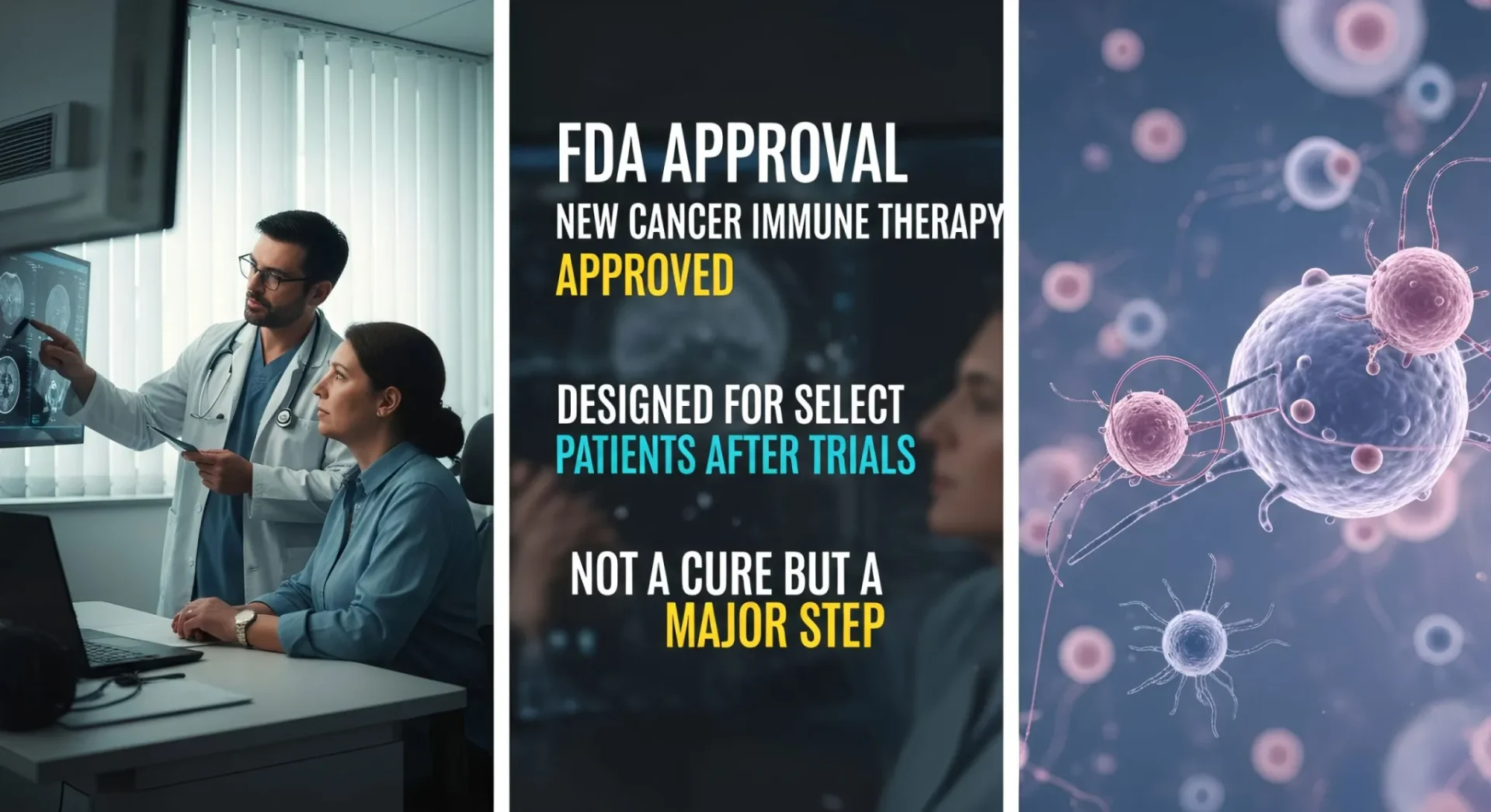
What the Tonix FDA Review Means for New Treatments
The FDA’s review and subsequent approval of Tonix Pharmaceuticals’ Tonmya (TNX-102 SL) marks a transformative shift in fibromyalgia management. By validating a sublingual, bedtime-dosed mechanism that prioritizes sleep quality to allev...
The FDA’s review and subsequent approval of Tonix Pharmaceuticals’ Tonmya (TNX-102 SL) marks a transformative shift in fibromyalgia management. By validating a sublingual, bedtime-dosed mechanism that prioritizes sleep quality to alleviate pain, the FDA has opened a new regulatory pathway for reformulating existing molecules to treat complex central nervous system (CNS) disorders.
Contents
For over a decade, the landscape of fibromyalgia treatment remained largely stagnant. Patients and clinicians were restricted to a small handful of approved systemic medications that, while effective for some, often carried a heavy burden of side effects or failed to address the underlying sleep fragmentation associated with the condition. The conclusion of the Tonix FDA review process for Tonmya (TNX-102 SL) represents more than just the arrival of a new brand-name drug; it signifies a regulatory and scientific milestone in how chronic pain syndromes are evaluated and treated.
As we move through 2026, the implications of this review are being felt across the pharmaceutical industry, particularly in the development of new treatments for "invisible" illnesses and CNS-related conditions. This analysis explores the technical, clinical, and strategic meanings of the Tonix FDA review and its long-term impact on the future of medicine.
Understanding Tonmya (TNX-102 SL): A New Mechanism for Fibromyalgia
To understand what the FDA review means for the industry, one must first understand the innovation behind the product. Tonmya is a proprietary sublingual formulation of cyclobenzaprine hydrochloride. While cyclobenzaprine has been used for decades as an oral muscle relaxant, its traditional form is unsuitable for chronic fibromyalgia treatment due to its long half-life and the production of a metabolite called norcyclobenzaprine, which causes significant daytime grogginess.
The "Tonix approach" utilized a sublingual (under the tongue) delivery system designed for rapid absorption. This method bypasses first-pass metabolism in the liver, which significantly reduces the levels of the sedating metabolite. By dosing the medication specifically at bedtime, the treatment targets the non-restorative sleep patterns that are now recognized as a primary driver of fibromyalgia symptoms.
The Sleep-Pain Connection
The FDA's acceptance of Tonmya’s clinical data indicates a growing regulatory recognition of the "sleep-pain" axis. For years, fibromyalgia was viewed primarily through the lens of pain processing. The Tonmya review reinforces the clinical theory that improving sleep architecture—specifically increasing the quality of deep, restorative sleep—can lead to a systemic reduction in pain sensitivity. This shift in focus is now being mirrored in the pipelines of other biotech firms looking to treat conditions like chronic fatigue syndrome and long COVID.
The Path to Approval: Analyzing the FDA Review Process for Tonix
The FDA review for Tonmya was based on a robust clinical program, most notably the Phase 3 RESILIENT study. This trial was critical in demonstrating that Tonmya could achieve a statistically significant reduction in daily pain compared to a placebo.
Clinical Evidence and Trial Design
In the RESILIENT study, the primary endpoint was the change from baseline in the weekly average of daily diary average pain intensity scores. The results were highly significant (p=0.00005), providing the "substantial evidence of effectiveness" that the FDA requires. Beyond pain, the review scrutinized secondary endpoints such as:
- Sleep Quality: Measured using the Patient-Reported Outcomes Measurement Information System (PROMIS).
- Fibromyalgia Impact: Measured by the Fibromyalgia Impact Questionnaire-Revised (FIQ-R) symptoms and function scales.
- Global Improvement: Measured by the Patient Global Impression of Change (PGIC).
The FDA’s thorough review of these multifaceted outcomes suggests that for future CNS treatments, "pain relief" alone may no longer be the only metric for success. Regulators are increasingly looking for "holistic" improvement in a patient's quality of life and functional capacity.
Safety and Tolerability Profile
A major hurdle in previous fibromyalgia drug reviews was the trade-off between efficacy and side effects. For example, many patients discontinue traditional treatments due to weight gain, cognitive "fog," or severe nausea. The Tonix review highlighted a unique safety profile. The most common side effects reported were local to the site of administration—such as tongue numbness (hypoesthesia) or tingling—rather than systemic issues. This "local side effect for systemic benefit" trade-off is a model the FDA appears increasingly willing to accept for specialized delivery systems.
Broad Implications for the Fibromyalgia Treatment Landscape
The success of the Tonix FDA review has immediate consequences for the standard of care in 2026. For the first time in years, the "Big Three" (Lyrica, Cymbalta, and Savella) have a significant competitor that operates on a different biological clock and pathway.
| Feature | Tonmya (TNX-102 SL) | Pregabalin (Lyrica) | Duloxetine (Cymbalta) |
|---|---|---|---|
| Primary Mechanism | Cyclobenzaprine (Sublingual) | Calcium Channel Ligand | SNRI (Reuptake Inhibitor) |
| Dosing Schedule | Once daily at Bedtime | Twice daily | Once or Twice daily |
| Primary Goal | Sleep Quality & Pain Reduction | Nerve Pain Modulation | Mood & Pain Modulation |
| Common Side Effects | Oral numbness, Tingling | Dizziness, Weight gain | Nausea, Dry mouth |
| FDA Approval Basis | Phase 3 RESILIENT/RELIEF | Multiple Phase 3 trials | Multiple Phase 3 trials |
De-risking the Reformulation Strategy
One of the most significant takeaways for the broader pharmaceutical industry is the validation of the 505(b)(2) regulatory pathway (or similar strategies in 2026). This pathway allows a company to rely on existing safety data for a known drug while proving that a new dosage form or delivery method provides a unique clinical benefit. The Tonmya review proves that "old" drugs can be "new" again if the delivery technology solves a specific physiological problem—in this case, the metabolic hurdles of oral cyclobenzaprine.
What This Means for Future CNS and Pain Management Research
The Tonix FDA review serves as a roadmap for future drug development in the following ways:
1. Validation of Sublingual Delivery for CNS Drugs
Following the Tonmya review, we are seeing an uptick in sublingual and intranasal delivery systems for CNS disorders. These routes offer faster onset and avoid the "peaks and valleys" of oral dosing that often lead to side effects.
2. Focus on Circadian Rhythm-Based Medicine
The FDA’s approval of a bedtime-only dose for a chronic pain condition emphasizes the importance of "chronotherapy." This is the practice of timing medication to match the body’s natural biological rhythms. Future treatments for migraine, depression, and epilepsy are now more likely to explore specific timing windows as part of their FDA-reviewed labeling.
3. Expansion into Related Indications
The "meaning" of the Tonix review extends beyond fibromyalgia. Tonix is already leveraging the data from this review to explore TNX-102 SL for other conditions, such as:
- Acute Stress Disorder and PTSD: Where sleep fragmentation plays a critical role in trauma recovery.
- Long COVID: Specifically the "brain fog" and musculoskeletal pain components.
- Alcohol Use Disorder: Investigating whether stabilizing sleep can reduce the urge to consume alcohol.
Patient Access and Next Steps in 2026
As of 2026, the transition from "FDA Review" to "Clinical Reality" is in full swing. For patients, the approval means there is now a non-opioid, non-anticonvulsant, and non-antidepressant option available.
Steps for Patients and Providers:
- Clinical Evaluation: Providers must assess if a patient’s fibromyalgia is primarily driven by sleep disturbance, as these patients typically respond best to Tonmya.
- Insurance Navigation: With the FDA approval now established, most major insurers have added Tonmya to their formularies, though "step therapy" (trying older, cheaper drugs first) remains common.
- Administration Education: Because it is a sublingual tablet, patients must be instructed not to swallow the pill, as this would recreate the metabolic issues the drug was designed to avoid.
Frequently Asked Questions
How is Tonmya different from the muscle relaxant I can already buy? While both contain cyclobenzaprine, the version available as a generic muscle relaxant is an oral tablet designed for muscle spasms. When swallowed, it creates high levels of a metabolite that causes extreme daytime sleepiness. Tonmya is a sublingual tablet with a much lower dose (2.8 mg) that is absorbed directly into the bloodstream, bypassing the liver's initial metabolism and allowing for a cleaner effect on sleep and pain.
Does the FDA review mean this drug is a "cure" for fibromyalgia? No. The FDA reviews drugs for "safety and efficacy" in managing symptoms. In the clinical trials reviewed by the FDA, Tonmya significantly reduced pain and improved function, but fibromyalgia remains a chronic condition. It is a management tool, not a permanent cure.
What other drugs are Tonix Pharmaceuticals developing based on this review? The success of Tonmya has bolstered Tonix’s pipeline, which includes TNX-1500 (a monoclonal antibody for organ transplant rejection and autoimmune diseases) and TNX-801 (a vaccine candidate). The regulatory success of Tonmya provides the company with the financial and clinical credibility to advance these more complex biologics.
Will this drug work for patients who didn't respond to Lyrica or Cymbalta? Many patients in the RESILIENT study had previously tried other fibromyalgia medications. Because Tonmya works through a different mechanism (antagonizing certain serotonin, norepinephrine, and histamine receptors to improve sleep), it may be effective for those who did not find relief or could not tolerate the side effects of anticonvulsants or SNRIs.
Final Recommendation: Clinicians and patients should view the Tonix FDA review as a green light for a "sleep-first" approach to chronic pain. If you or a patient have struggled with the systemic side effects of traditional fibromyalgia medications, 2026 is the ideal time to discuss the sublingual cyclobenzaprine option with a specialist. The era of targeting the sleep-pain axis has officially arrived, providing a vital new tool in the quest to reclaim quality of life for those with chronic CNS-related pain.
Disclaimer: This article is for informational purposes only and does not constitute medical advice. Consult with a healthcare professional before starting any new medication or treatment plan.
Image Gallery