The Definitive Guide to Smart Inverter Window ACs for Modern Home Cooling
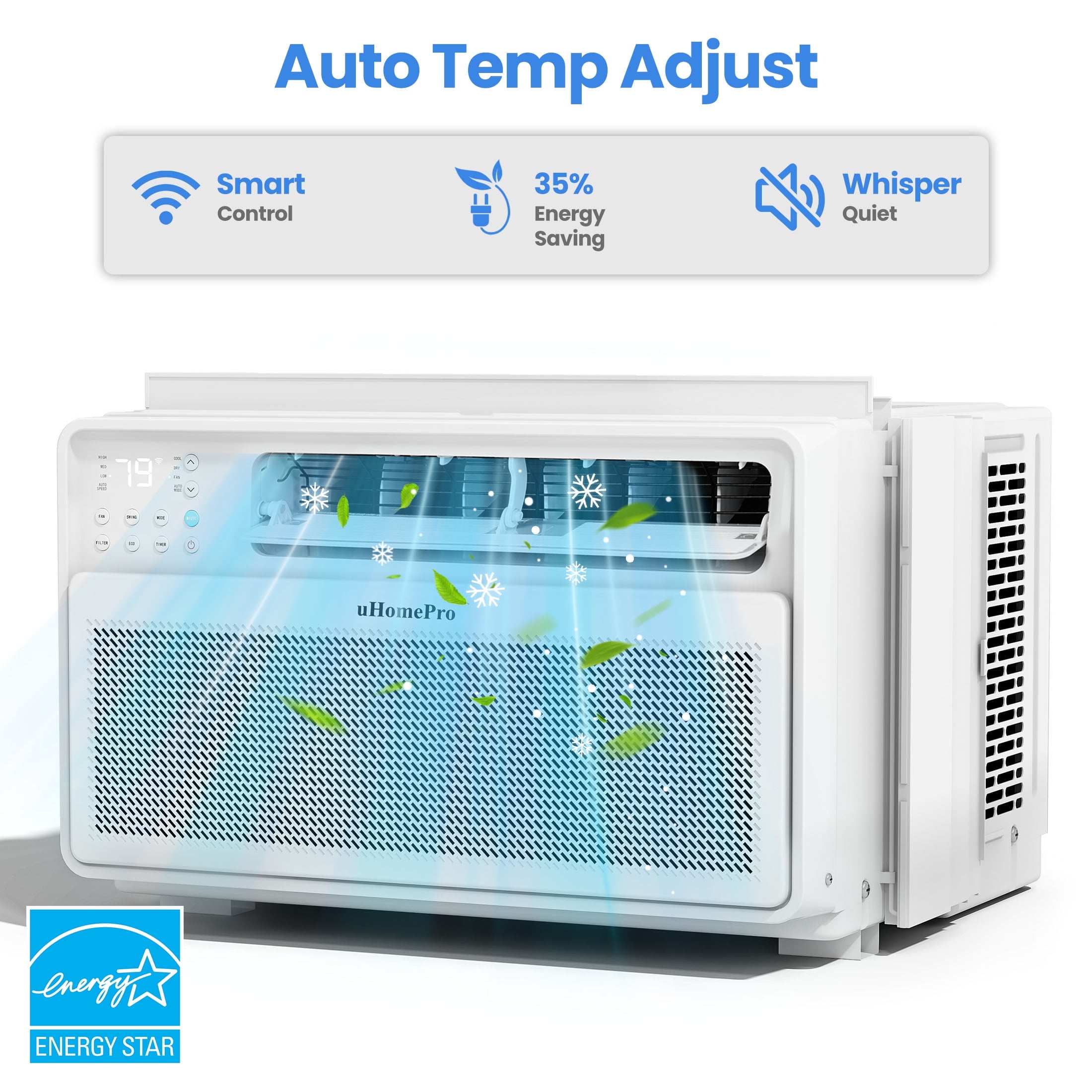
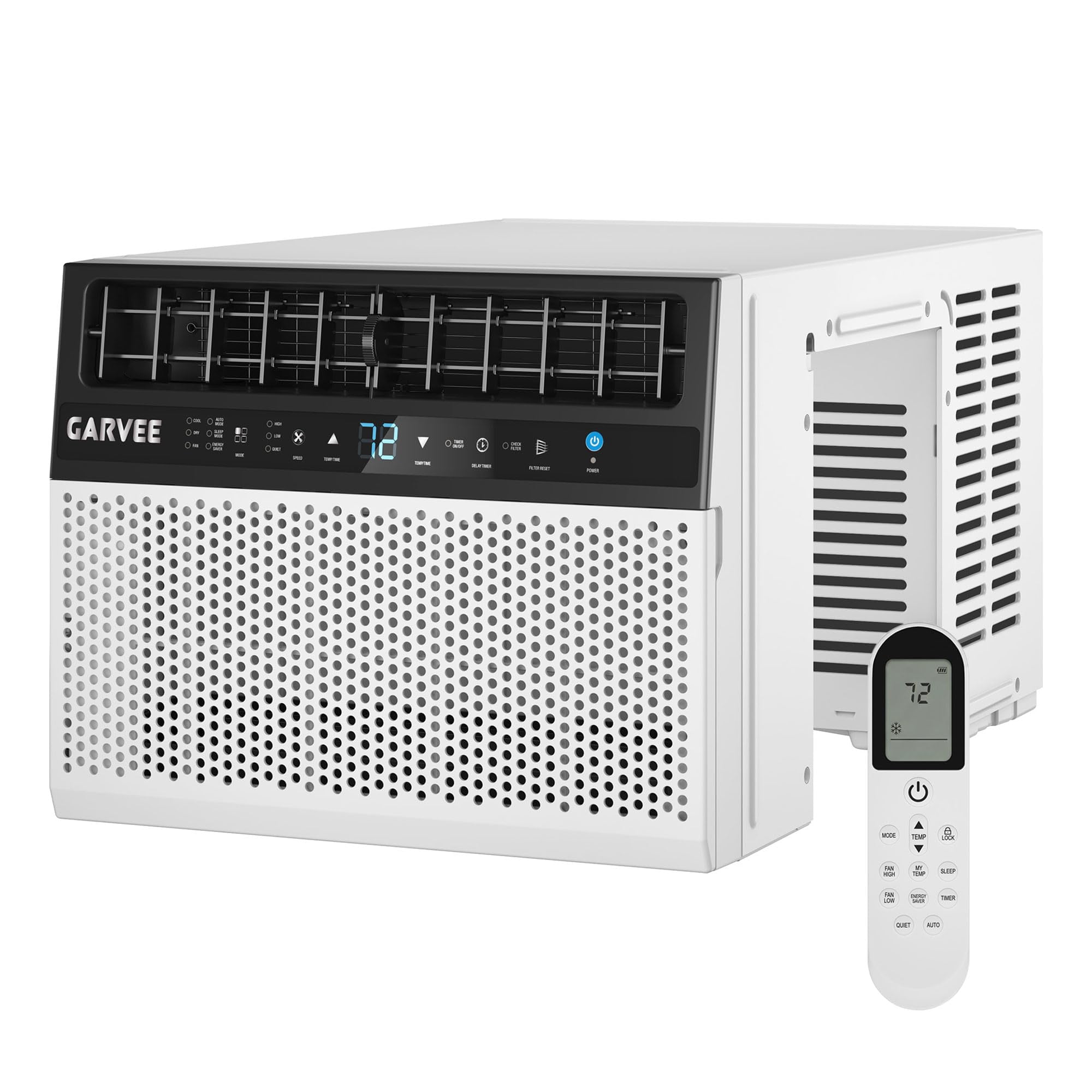
Smart inverter window air conditioners use variable-speed compressors to provide precise temperature control, significantly lower energy consumption, and quieter operation than traditional models. By integrating Wi-Fi connectivity and...
Smart inverter window air conditioners use variable-speed compressors to provide precise temperature control, significantly lower energy consumption, and quieter operation than traditional models. By integrating Wi-Fi connectivity and Matter compatibility, these units allow for remote scheduling, voice control, and automation, making them the most efficient and convenient choice for cooling individual rooms in 2026.
Contents
Understanding Inverter Technology in Window Air Conditioning
The most significant advancement in room cooling over the last decade is the transition from fixed-speed compressors to inverter-driven compressors. To understand why a smart inverter window AC is superior, one must first understand the mechanical limitations of traditional units.
Standard air conditioners operate on a binary "all-or-nothing" principle. When the thermostat detects that the room is too warm, the compressor kicks on at 100% capacity. Once the target temperature is reached, the compressor shuts off entirely. This cycle repeats indefinitely, leading to significant temperature swings, high noise levels during startup, and a massive surge in electrical "inrush current" every time the unit restarts.
In contrast, an inverter compressor functions more like the accelerator pedal in a car. It does not simply turn on and off; instead, it varies its motor speed to match the cooling demand. When you first turn the unit on, it may run at high speed to cool the room quickly. As the room approaches the set point, the inverter slows the compressor down to a "cruise" speed. This allows the unit to maintain a perfectly consistent temperature within a fraction of a degree, while consuming only a small fraction of the power required by a traditional unit. By 2026, this technology has become the gold standard for anyone seeking to balance comfort with rising utility costs.
The Intersection of Efficiency and "Smart" Ecosystems
A "smart" inverter AC is defined by its ability to connect to a home network, but in 2026, this goes far beyond simple smartphone controls. Modern units are now central components of a managed energy ecosystem.
Integration with Matter and Thread
As of 2026, the Matter protocol has unified the smart home landscape. When selecting a smart inverter window AC, compatibility with Matter over Wi-Fi (or Thread for lower power consumption) ensures that the device works seamlessly across Apple Home, Google Home, Amazon Alexa, and Samsung SmartThings without requiring proprietary bridges. This allows for complex "scenes"—for example, your AC can automatically shift to "Eco Mode" when your smart security system detects that no one is home, or it can pre-cool your bedroom thirty minutes before your scheduled "Sleep" routine begins.
Geofencing and Predictive Cooling
Advanced smart AC apps now utilize geofencing technology. By tracking the location of your smartphone, the AC can determine when you are approaching home. If you are within five miles, the unit can ramp up from a power-saving idle state to your preferred comfort level, ensuring the room is cool the moment you walk through the door. This eliminates the need to leave the AC running all day, providing a solution to the "efficiency vs. comfort" dilemma.
Real-Time Energy Monitoring
Smart inverter units provide granular data on power consumption. Through dedicated apps, users can view daily, weekly, or monthly kilowatt-hour (kWh) usage. Because inverter technology is inherently more efficient—often carrying CEER (Combined Energy Efficiency Ratio) ratings of 15.0 or higher—seeing the actual cost savings in real-time provides tangible proof of the return on investment.
Technical Specifications and Choosing the Right Capacity
Selecting the correct size for a window AC is critical. An undersized unit will run at maximum speed constantly, negating the efficiency benefits of the inverter. An oversized unit will cool the room too quickly without properly dehumidifying the air, leading to a "cold and clammy" environment.
| Room Size (Sq. Ft.) | Required BTU Capacity | Recommended Inverter Model Class |
|---|---|---|
| 150 – 250 | 6,000 BTU | Compact / Bedroom Series |
| 250 – 350 | 8,000 BTU | Standard Living Space |
| 350 – 450 | 10,000 BTU | Large Master Suite |
| 450 – 550 | 12,000 BTU | Open Concept / Studio |
| 700 – 1,000 | 18,000 – 22,000 BTU | Multi-room / Heavy Duty |
When calculating your needs, consider environmental factors that may require a capacity adjustment. If the room has very high ceilings, faces the afternoon sun, or is a kitchen where appliances generate heat, increase your BTU requirement by 10% to 20%. Conversely, if the room is heavily shaded, you may be able to reduce the BTU requirement slightly.
The Evolution of Form Factor: The U-Shaped Design
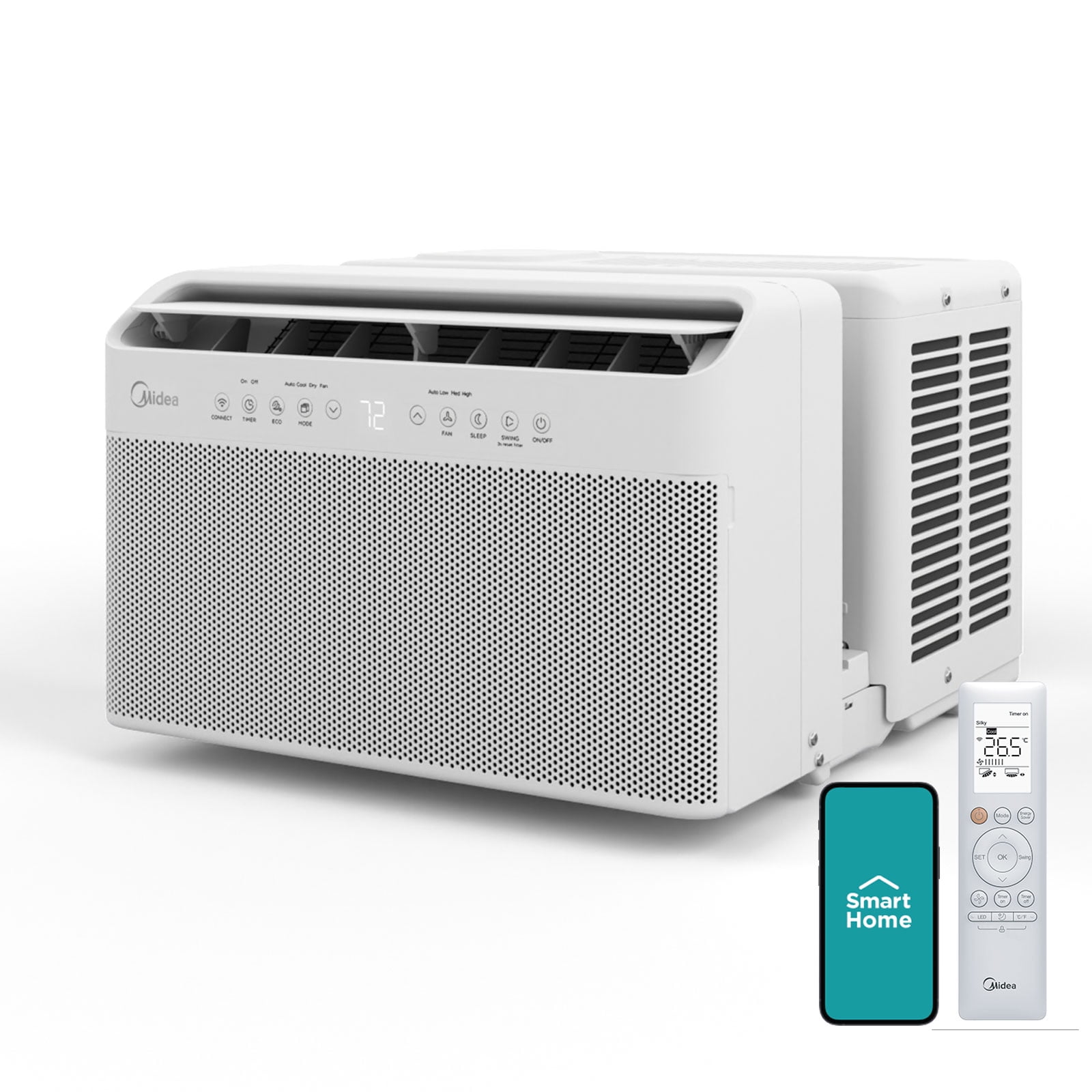
One of the most significant physical innovations in the window AC market is the U-shaped chassis. While traditional "box" units occupy the entire lower half of a window and block the view, the U-shaped design features a deep recession in the middle of the unit.
This design allows the window sash to close through the body of the air conditioner. The compressor and condenser—the loudest parts of the machine—remain outside the window, while the blower and control panel stay inside. The window pane itself acts as a massive sound barrier. In 2026, high-end smart inverter units utilizing this design often operate at noise levels as low as 39 decibels (dB), which is quieter than a library. This design also permits the window to be opened and closed freely without removing the AC, providing a level of flexibility and security that was previously impossible with window-mounted cooling.
Operational Modes and Specialty Functions
Modern smart inverter ACs are no longer just "coolers"; they are sophisticated air treatment systems. Understanding the various modes can help you maximize comfort while minimizing wear on the machine.
- Dry Mode (Dehumidification): In this mode, the inverter slows the fan speed while keeping the cooling coils very cold. This pulls maximum moisture out of the air without drastically lowering the temperature, making it ideal for rainy days or humid climates.
- Auto Mode: The unit uses onboard sensors to detect both temperature and humidity, automatically adjusting the compressor speed and fan velocity to maintain the "ideal" comfort zone defined by ASHRAE standards.
- Sleep Mode: The AC will gradually increase the temperature by one or two degrees over several hours. This accounts for the natural drop in human body temperature during sleep and prevents you from waking up feeling too cold, while further reducing energy use.
- Eco/Energy Saver Mode: In this state, the fan turns off along with the compressor once the target temperature is reached, rather than running the fan continuously to circulate air.
Installation Requirements and Safety Procedures
While window ACs are generally DIY-friendly, smart inverter units require specific attention during installation to ensure longevity and efficiency.
- Electrical Compatibility: Most 6,000 to 12,000 BTU units run on standard 115V/120V household outlets. However, 18,000+ BTU units often require a 230V/240V circuit. Always verify your outlet's amperage before purchase.
- Sill Support: Inverter units can be heavy, often ranging from 50 to 80 pounds. Using a dedicated support bracket is highly recommended to take the weight off the window frame and prevent damage to the building's exterior.
- Sealing and Insulation: Smart technology cannot overcome a drafty installation. Use high-density foam side panels and weatherstripping to seal all gaps. This prevents "short-cycling," where the AC's sensors detect warm air leaking in and keep the compressor running unnecessarily.
- Angle for Drainage: Ensure the unit is tilted slightly toward the outside (about 1/4 inch). While many modern units are "slinger" types—meaning they use the condensate water to help cool the condenser coils—excessive buildup in heavy humidity must be able to drain away from the window sill.
Maintenance for Long-Term Performance
To maintain the efficiency of a smart inverter system, regular maintenance is non-negotiable. The complexity of the variable-speed motor makes it more sensitive to airflow restrictions than older, "dumb" units.
- Filter Care: Most units will provide a "Clean Filter" alert through the smartphone app. In 2026, many high-end filters are antimicrobial and washable. Clean them every two weeks during peak season to prevent the compressor from overworking.
- Coil Inspection: At the start of each season, inspect the outdoor condenser coils. Dust, pollen, and debris can clog the fins. Use a soft brush or a specialized coil cleaner to keep these clear.
- Firmware Updates: Just like a computer, your smart AC may receive firmware updates via Wi-Fi. These updates can optimize compressor algorithms for better efficiency or patch security vulnerabilities in the IoT (Internet of Things) connection.
Frequently Asked Questions
Are inverter window ACs worth the higher upfront cost?
Yes, typically. While an inverter unit may cost 20% to 40% more than a standard unit, the energy savings (often 30% or more on monthly bills) usually result in the unit paying for itself within two to three cooling seasons. Additionally, the superior noise reduction and temperature stability provide a higher quality of life that is difficult to quantify but immediately noticeable.
Can I control my smart AC if my Wi-Fi goes down?
Yes. Every smart inverter window AC includes physical controls on the unit itself and usually a dedicated infrared (IR) remote control. While you will lose the ability to use app-based features, geofencing, or voice assistants during an outage, the core cooling functions will remain fully operational.
Do smart inverter units require special electrical wiring?
For most residential rooms, no. Units up to 12,000 BTUs are designed to plug into a standard three-prong grounded outlet. However, it is best practice to avoid using extension cords, as they can cause voltage drops that may interfere with the sensitive electronics of the inverter controller.
What is the average lifespan of a smart inverter window AC?
When properly maintained, a high-quality inverter window AC is expected to last between 8 and 12 years. The variable-speed nature of the compressor actually reduces mechanical stress compared to the "hard starts" of traditional units, which can lead to a longer operational life for the internal components.
Is the "U-shaped" design compatible with all windows?
U-shaped units are specifically designed for single-hung or double-hung windows (windows that slide up and down). They are generally not compatible with casement (crank-out) windows or sliding windows unless a custom mounting solution is fabricated.
Final Recommendation
For homeowners and renters in 2026, the smart inverter window AC represents the pinnacle of localized cooling technology. If you prioritize a quiet environment—especially for bedrooms or home offices—and want to minimize your carbon footprint through reduced energy consumption, an inverter model is the only logical choice. Prioritize units with Matter support to future-proof your investment and ensure they remain compatible with the evolving smart home landscape.
Image Gallery