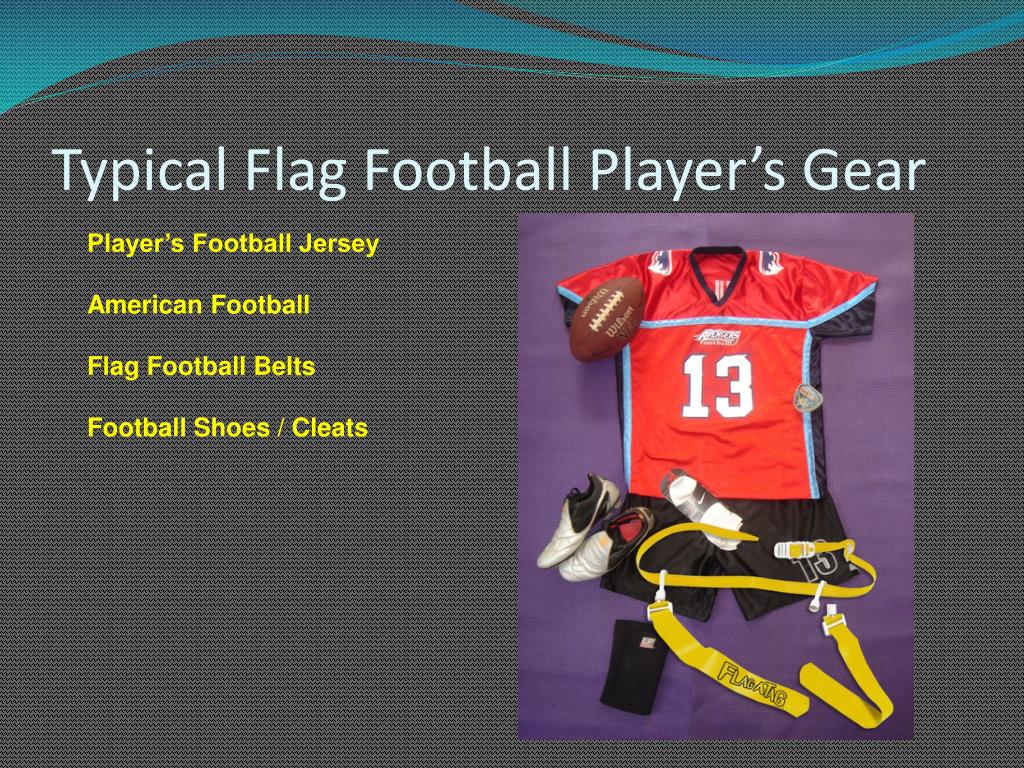
Equipment Needed for Flag Football: The Complete Gear Guide for 2026
To play flag football safely and effectively, you primarily need a standard flag belt with two or three flags, a protective mouthguard, and pocketless athletic shorts. Footwear requirements vary by surface, but molded cleats are standa...
To play flag football safely and effectively, you primarily need a standard flag belt with two or three flags, a protective mouthguard, and pocketless athletic shorts. Footwear requirements vary by surface, but molded cleats are standard for grass. Competitive players often add receiver gloves and soft-shell headgear for enhanced performance and safety.
Contents
The landscape of flag football has evolved significantly by 2026. Once viewed strictly as a recreational pastime, it is now a globally recognized competitive sport with standardized equipment regulations. Whether you are joining a local recreational league or preparing for high-stakes tournament play, understanding the technical requirements of your gear is essential for both compliance with league rules and personal safety.
The Flag Belt System: The Core Component
The flag belt is the defining piece of equipment for the sport. It replaces the "tackle" of traditional football with a "pull." In 2026, flag systems generally fall into two categories: Velcro-attached flags and sonic "pop" flags.
Velcro Flag Systems
The most common type found in youth and recreational leagues is the Velcro system. These belts feature long strips or patches where the flags are pressed into place. When a defender pulls the flag, the Velcro separates. These are highly adjustable and cost-effective, but they require frequent maintenance. Over time, grass, dirt, and lint can accumulate in the hook-and-loop fibers, reducing the "stickiness" and making it too easy for flags to fall off during a sprint. Players should regularly clean their Velcro attachments with a stiff brush to ensure the flags remain secure until pulled.
Sonic Pop Flag Belts
In competitive and adult leagues, sonic belts (often called "Triple Threat" or "Pop" belts) are the standard. Instead of Velcro, the flag is attached to the belt via a plastic socket that emits a loud "pop" sound when pulled. This provides immediate auditory feedback to the officials that a "tackle" has occurred. These belts are favored because they eliminate the ambiguity of a flag falling off due to poor Velcro quality. However, they must be checked for plastic fatigue; after a season of heavy use, the sockets can crack or lose their tension.
Flag Placement and Regulations
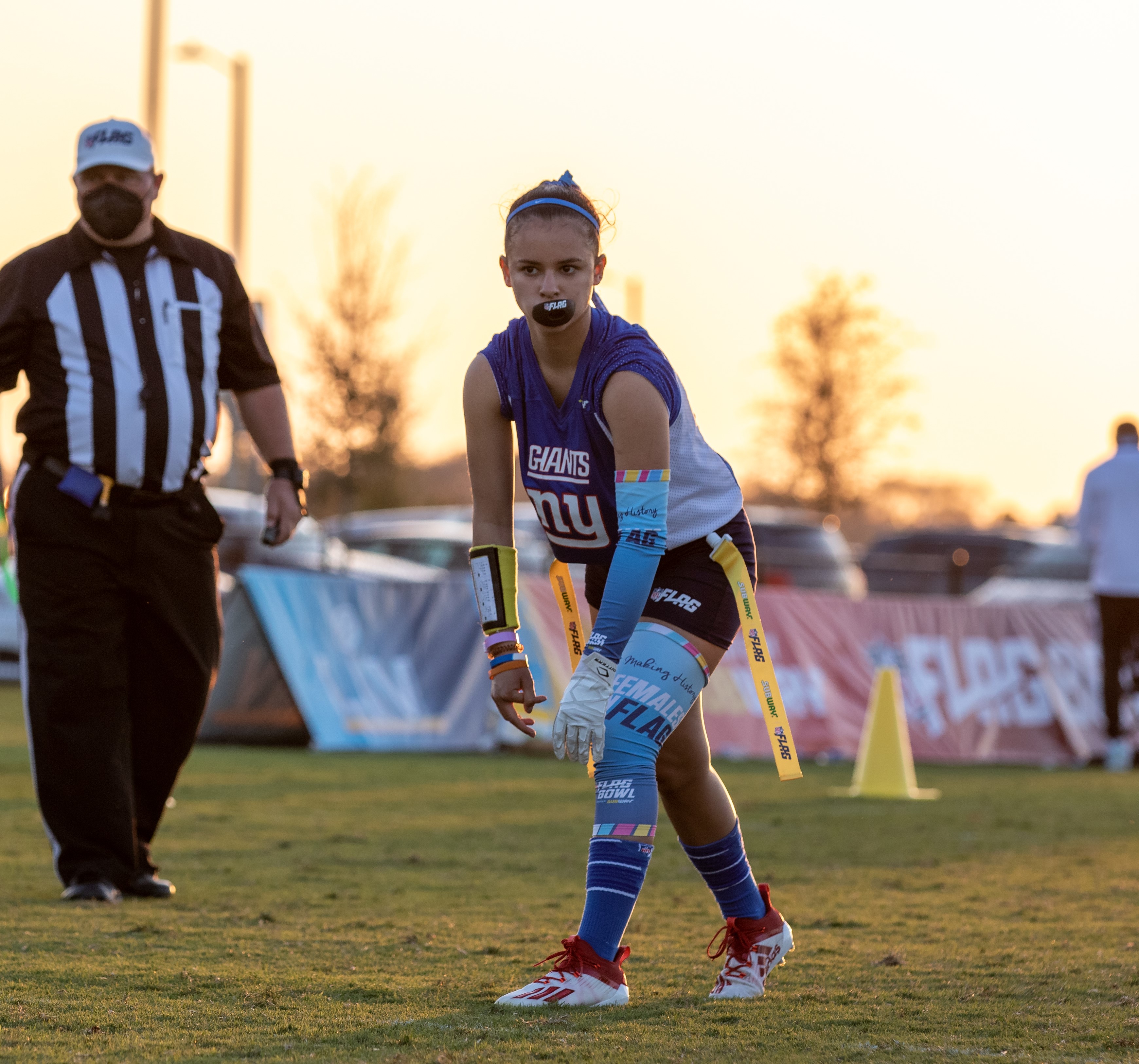
Most governing bodies, such as USA Football, require a specific flag orientation. Typically, a player must wear two flags positioned on the hips. Some leagues require a third flag positioned at the center of the lower back. It is a common technical foul to "guard" the flags with your jersey; therefore, your shirt must be tucked in or short enough to provide at least four inches of clearance above the belt.
Essential Apparel: Safety Through Design
While flag football is a non-contact sport, the physical nature of sprinting, cutting, and reaching for flags necessitates specific apparel choices.
The Importance of Pocketless Shorts
The most critical rule regarding apparel in organized flag football is the prohibition of pockets. If a defender’s finger gets caught in a runner’s pocket while they are attempting to pull a flag, it can result in severe finger dislocations or fractures. If you have shorts with pockets, you may be required to tape them shut with heavy-duty athletic tape, but this is often uncomfortable and messy. Investing in high-quality pocketless performance shorts is a prerequisite for league play in 2026.
Moisture-Wicking Fabrics
Flag football involves high-intensity interval sprinting. Cotton t-shirts become heavy and abrasive when wet with sweat. Players should opt for synthetic blends (polyester and spandex) that offer moisture-wicking properties. These fabrics keep the athlete cool and prevent "turf burn" or skin abrasions during dives. In 2026, many teams use sublimated jerseys which allow for breathable designs that don't peel or crack over time.
Footwear: Cleats vs. Turf Shoes
Choosing the right footwear is a balance between traction and joint safety. The surface you play on—natural grass, synthetic turf, or indoor hard courts—determines your needs.
- Molded Cleats: For natural grass, molded rubber or plastic cleats are essential. They provide the lateral stability needed for wide receivers to make sharp cuts and for defenders to backpedal. Metal-tipped cleats are strictly prohibited in almost all flag football leagues due to the risk of injury during accidental contact.
- Turf Shoes: If playing on modern "FieldTurf" (synthetic grass with rubber infill), turf shoes with many small rubber nubs are often superior to traditional cleats. They provide sufficient grip without the "clinging" effect that can lead to ACL or ankle injuries on artificial surfaces.
- Indoor Court Shoes: For gym-based leagues, non-marking rubber soles are required to prevent slipping on hardwood.
Protective Equipment and Safety Gear
Even without intentional tackling, flag football is a fast-paced game where collisions can occur. Safety gear is no longer considered optional in many 2026 league structures.
Mouthguards
A mouthguard is perhaps the most important safety investment. Beyond protecting the teeth from impact, a properly fitted mouthguard helps dissipate the force of a blow to the jaw, which can reduce the risk of concussions. Many leagues now mandate mouthguards for all players on the field. For players with braces, specialized "ortho" mouthguards are available that provide a wider channel to accommodate the brackets.
Soft-Shell Headgear
A major trend in 2026 is the adoption of soft-shell helmets. These are not the hard plastic helmets seen in the NFL, but rather padded headgear designed to reduce the impact of "accidental" contact, such as heads knocking together during a jump for a pass or a player hitting the ground. While not yet universally mandated, organizations like NFL FLAG strongly encourage their use for youth development.
Receiver Gloves
While not strictly required, gloves provide a significant advantage. Modern receiver gloves utilize "sticky" silicone palms that improve ball security, especially in humid or rainy conditions. They also provide a layer of protection against "stoved" fingers and abrasions when reaching for the ball or the ground.
The Football: Sizing and Material
The ball used in flag football varies based on the age group and the level of play. Using the wrong size can hinder a player’s ability to develop proper throwing mechanics.
| Category | Recommended Ball Size | Material Preference |
|---|---|---|
| Youth (Under 9) | Pee-Wee (Size 5) | Composite / Foam Hybrid |
| Junior (Ages 9-12) | Junior (Size 6) | Composite Leather |
| Youth (Ages 12-14) | Youth (Size 7) | Full Grain Leather or Composite |
| Adult (15+ & Pro) | Official/Pro (Size 9) | Full Grain Leather |
Material Differences
- Leather: Preferred by quarterbacks for its natural grip and durability. Once "broken in," a leather ball provides the best tactile feedback but requires more maintenance and is more expensive.
- Composite: Excellent for all-weather play. Composite balls do not absorb water as easily as leather, making them the better choice for rainy days. They are also generally more affordable for recreational use.
Team and Coaching Equipment
If you are organizing a team, several additional items are necessary to run an effective practice and game day.
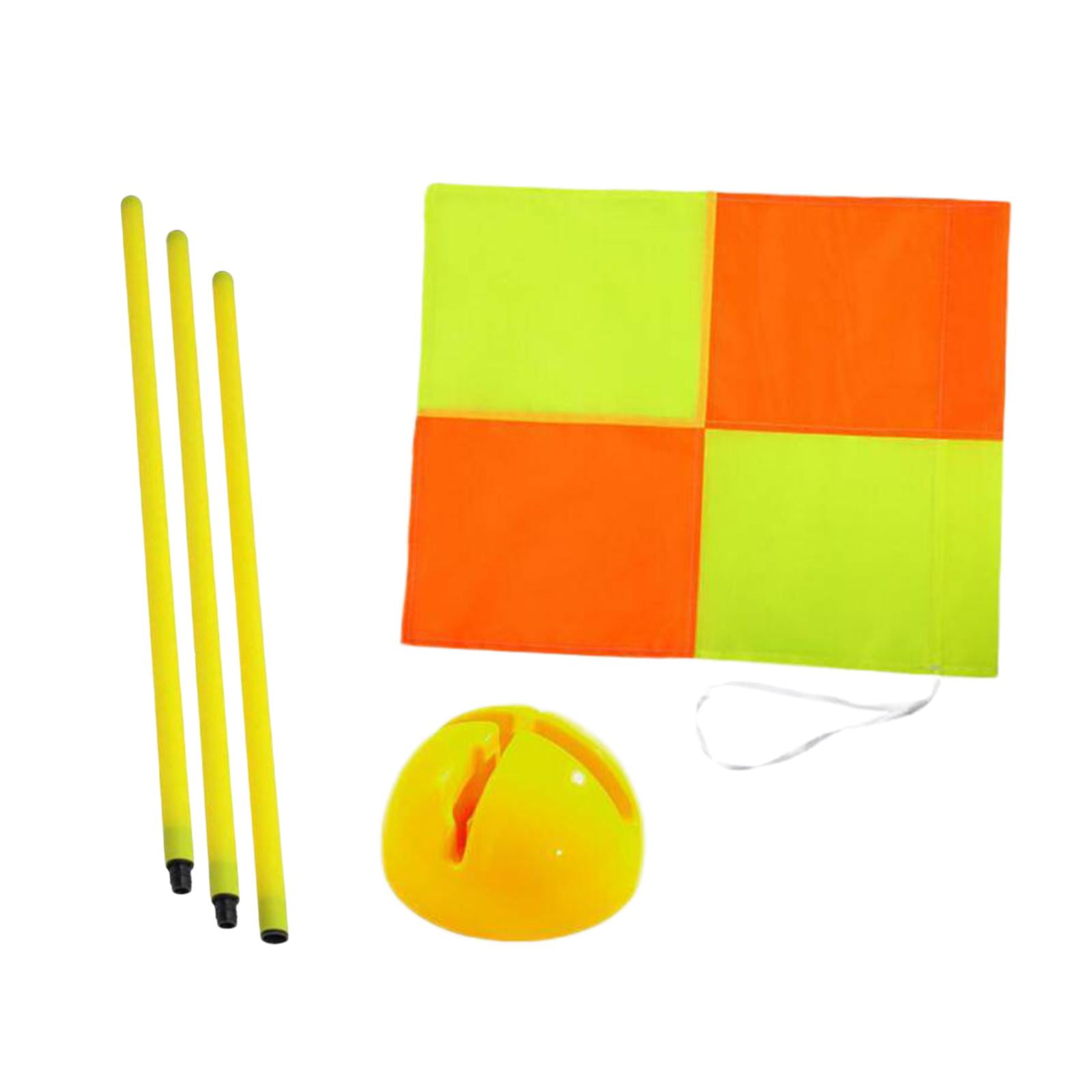
- Cones and Markers: Used to define the end zones, "no-run zones," and the line of scrimmage. Disks are preferred over tall cones as they are less of a trip hazard.
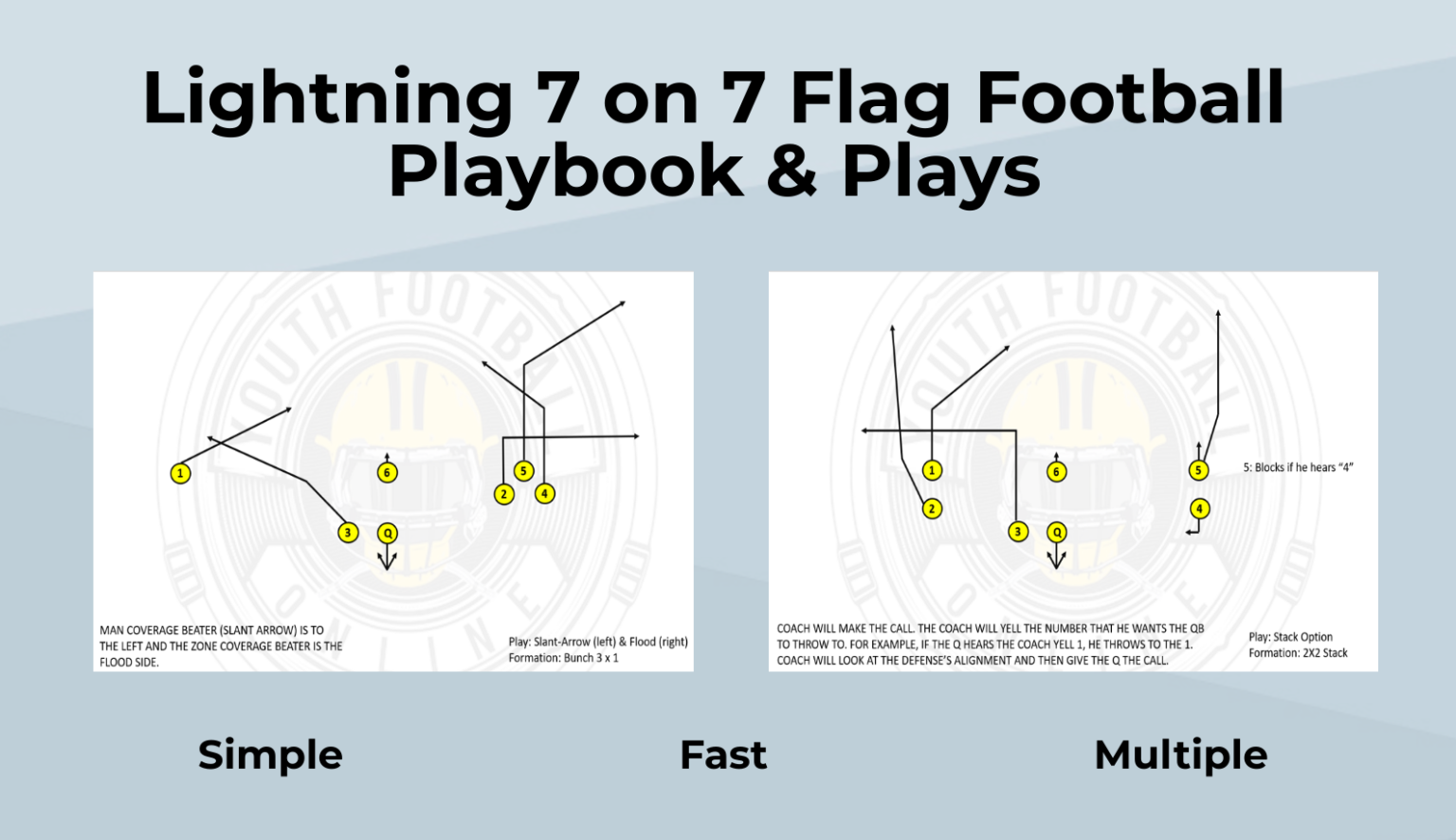
- Playbook Wristbands: These allow players to view complex route trees or defensive assignments on their forearm. This speeds up the huddle and is common in competitive 5v5 formats.
- First Aid Kit: Should include instant cold packs, athletic tape, antiseptic wipes, and bandages.
- The "Puck": Many leagues use a weighted bean bag or "puck" to mark the line of scrimmage and the rush line (usually 7 yards from the ball).
Maintenance and Longevity of Gear
To ensure your equipment lasts through the 2026 season and beyond, follow these maintenance tips:
- Flag Care: Never leave flag belts in a hot car. The heat can warp the plastic sockets of sonic belts or melt the adhesive on Velcro strips. Wash them by hand in cold water and air dry.
- Cleat Inspection: Check for worn-down studs. Once the studs on a molded cleat are uneven, they can cause uneven pressure on your feet, leading to plantar fasciitis.
- Glove Restoration: If your receiver gloves lose their "tack," wipe them down with a damp cloth to remove the thin layer of dust and skin cells that accumulate on the silicone.
Frequently Asked Questions
Do I need to wear pads for flag football?
No, traditional football pads (shoulder pads, thigh pads, etc.) are not used in flag football. In fact, most leagues prohibit hard-shell padding because it can injure other players during accidental contact. The only "padding" typically allowed is soft-shell headgear and soft knee or elbow sleeves.
Why can't I wear shorts with pockets?
Pockets are a major safety hazard. During a flag pull, a defender's fingers can easily get snagged in the pocket opening of the ball carrier's shorts. This frequently leads to broken fingers or dislocated joints. If you must wear shorts with pockets, they usually have to be professionally sewn shut or taped thoroughly.
What is the difference between 5v5 and 7v7 equipment?
The equipment is largely the same, but the field marking requirements differ. 5v5 is the international standard and typically uses a smaller field with specific "no-run zones." 7v7 may involve more specialized positions that benefit from specific types of cleats for heavier linemen-style play.
Are metal cleats allowed if they are small?
Almost universally, no. Metal cleats are banned in flag football because the risk of "stepping" on another player's foot or leg is high. Molded rubber or plastic cleats provide plenty of traction for the sport without the danger of sharp metal edges.
How tight should the flag belt be?
The belt should be tight enough that it does not rotate around your waist when you run, but loose enough that it doesn't restrict your breathing. If the belt is too loose, a defender might pull the whole belt out of position rather than pulling the flag off, which can lead to "holding" penalties or missed calls.
Final Recommendation
For a beginner entering the sport in 2026, the best approach is to prioritize safety and compliance first. Start by purchasing a high-quality mouthguard and a pair of pocketless athletic shorts. Check with your specific league regarding the type of flag belt they provide; many leagues include the belt in your registration fee, but you may want to buy your own for practice. As you progress into more competitive play, invest in a pair of receiver gloves and soft-shell headgear to enhance your performance and protect against the inevitable bumps of high-speed play.
Image Gallery